
Los Angeles County, California, stands as one of the largest and most dynamic metropolitan areas in the United States, a vibrant tapestry woven from diverse cultures, industries, and landscapes. For any traveler contemplating a visit, understanding the sheer scale of its population is not merely a demographic curiosity; it’s a foundational insight that profoundly shapes the entire travel experience. The number of people residing here dictates everything from the availability of unique culinary experiences to the flow of traffic, the vibrancy of cultural festivals, and the energy of its iconic attractions.
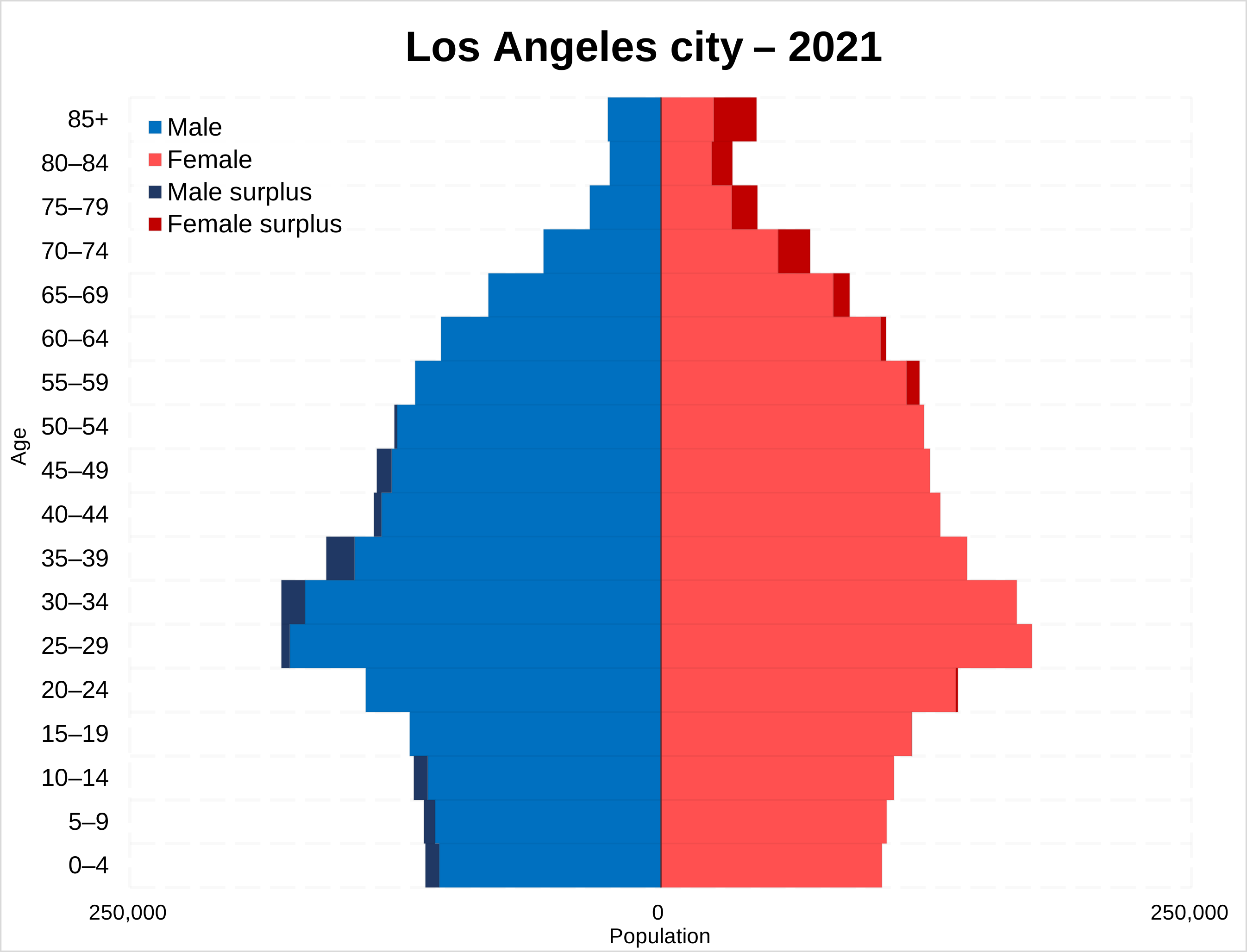
As of recent estimates by the US Census Bureau, the population of Los Angeles County hovers around 10 million residents. This makes it the most populous county in the United States, an urban behemoth that eclipses the populations of many entire states. To put this into perspective, the total population of the county alone is greater than that of approximately 40 individual U.S. states. This monumental figure is critical for travelers, as it underlines the vastness and complexity of the region they are about to explore. It signifies a place brimming with life, activity, and an almost endless array of options, but also one that requires thoughtful planning to navigate effectively.
Understanding Los Angeles County’s Vast Demographics as a Travel Destination
The immense population of LA County transforms it into a unique global hub, a microcosm of the world itself. It’s not just a large number; it represents a melting pot of nationalities, languages, and socio-economic backgrounds, creating a rich environment unparalleled in its diversity. This demographic scale positions LA County as a premier destination not just for its sun-drenched beaches and Hollywood glamour, but for its profound cultural depth and relentless innovation.
Comparing LA County’s population to other global urban centers provides further context. While the City of Los Angeles itself (the county seat) ranks as the second-most populous city in the U.S. after New York City, the county as a whole is a sprawling entity that often functions as a singular, interconnected region. This density, spread across an area of over 4,000 square miles, means travelers encounter a vast array of distinct communities, each with its own character and offerings, from the bustling urban core to serene coastal towns and mountainous retreats. The sheer number of residents ensures a constant demand for entertainment, dining, and cultural experiences, fostering an incredibly competitive and dynamic market that benefits visitors with an endless selection of high-quality options. This human mosaic is, in essence, the very fabric of the Los Angeles experience.
The Impact of Population Density on Travel Experiences
Navigating a region with 10 million residents certainly presents its unique challenges and opportunities for travelers. The density influences everything from daily commutes to the ambiance of popular attractions.
Navigating LA’s Diverse Urban Landscape
One of the most immediate and well-known impacts of LA County’s large population is its traffic. With millions of vehicles traversing its extensive freeway system daily, congestion can be a significant factor, especially during peak hours. Travelers should be prepared for this reality by leveraging navigation apps, considering off-peak travel times, and exploring LA’s improving public transportation options. The Metro Rail and bus systems connect many key areas, offering a sustainable and often less stressful alternative to driving.
Beyond traffic, the population’s distribution across such a large geographic area means LA is inherently a spread-out city. Unlike dense, walkable European capitals, Los Angeles often requires transportation to get from one major attraction or neighborhood to another. Smart travel planning involves selecting a few key areas to explore thoroughly rather than attempting to see everything across the county in a short visit. Focusing on hubs like Downtown LA, Santa Monica, Hollywood, or Pasadena can create a more cohesive and enjoyable travel experience, minimizing transit time and maximizing engagement with local culture.
Crowds and Popular Attractions
The large local population contributes significantly to the crowds at major tourist attractions throughout LA County. Iconic destinations like Disneyland Park, Universal Studios Hollywood, the Santa Monica Pier, and even popular hiking trails at the Griffith Observatory can draw substantial numbers of both tourists and local residents, especially on weekends, holidays, and during school breaks.
Savvy travelers can mitigate the impact of crowds by planning strategically:
- Visit during weekdays: Tuesdays, Wednesdays, and Thursdays often see fewer visitors at popular sites.
- Arrive early: Being among the first visitors when an attraction opens can significantly reduce wait times and enhance the experience.
- Utilize fast passes or express options: Many theme parks offer premium passes that allow guests to bypass long lines.
- Make reservations: For popular restaurants or timed entry attractions like the Getty Center, booking well in advance is essential.
- Explore hidden gems: With such a vast population, there are countless lesser-known parks, museums, and neighborhoods that offer authentic LA experiences without the overwhelming crowds.
Cultural Richness: A Reflection of LA’s Multicultural Population
The true gem of Los Angeles County’s population diversity lies in its unparalleled cultural richness. Millions of people from virtually every corner of the globe have chosen to make LA their home, creating a vibrant mosaic of traditions, languages, and perspectives that infuse every aspect of life in the county. This is particularly evident in its culinary landscape, arts, and distinct neighborhood vibes.
Culinary Diversity
Los Angeles is renowned as one of the world’s premier food cities, and its diverse population is the undisputed engine behind this reputation. Every ethnic group contributes its authentic flavors, traditional dishes, and innovative fusions to the city’s gastronomic scene. Travelers can embark on an epicurean journey without ever leaving the county:
- Koreatown: Offers an incredible array of Korean BBQ joints, bustling markets, and late-night eateries.
- Little Ethiopia: Where aromatic spices and communal injera platters reign supreme.
- Boyle Heights: A hub for authentic Mexican cuisine, from street tacos to family-run restaurants.
- San Gabriel Valley: Famous for its extensive Chinese and Vietnamese food scenes, offering everything from dim sum to pho.
- Armenian and Persian communities: In areas like Glendale and Westwood, deliver exquisite kebabs, stews, and pastries.
This culinary tapestry ensures that no matter a traveler’s craving, LA has a delectable answer, often found in unassuming strip malls or bustling food trucks that reflect the everyday life of its residents.

Arts, Entertainment, and Neighborhood Vibes
The creative energy of LA is directly proportional to its massive and diverse population. This is not just the home of Hollywood and the global entertainment industry; it’s a hotbed for independent artists, musicians, designers, and performers who contribute to a vibrant, ever-evolving cultural landscape. Each neighborhood, shaped by its dominant demographic groups and historical influences, offers a distinct vibe and set of attractions:
- Downtown LA: A revitalized urban core with world-class museums, theaters, and a burgeoning arts district.
- Venice Beach: Known for its bohemian spirit, street performers, and eclectic shops.
- Pasadena: Offers a historic charm, stunning architecture, and cultural institutions like the Norton Simon Museum.
- Silver Lake and Echo Park: Popular for their indie music venues, trendy boutiques, and vibrant nightlife, appealing to a younger, artistic demographic.
Throughout the year, the county hosts countless festivals, parades, and cultural events celebrating its various communities—from the Chinese New Year celebrations in Chinatown to the Mexican Day of the Dead festivities on Olvera Street, and the West Hollywood Pride Parade. These events offer immersive experiences for travelers seeking to understand the true spirit of Los Angeles.
Economic Vibrancy and Innovation Driving Travel Appeal
The robust population of Los Angeles County is not merely a number; it is a driving force behind its economic vibrancy and continuous innovation, factors that directly enhance its appeal as a travel destination. A large population means a substantial workforce, a massive consumer market, and a diverse talent pool that fuels growth across multiple sectors.
Job Market and Influx of Talent
LA County is a magnet for talent from across the globe, attracted by its thriving industries: entertainment, technology, aerospace, fashion, healthcare, and trade. This constant influx of new residents, often highly educated and entrepreneurial, keeps the region’s economy dynamic and innovative. New businesses, creative ventures, and cutting-edge research facilities emerge continuously, many of which indirectly contribute to the tourism landscape. For instance, the rise of tech companies has led to new architectural landmarks and vibrant co-working spaces that often host public events. The fashion industry ensures a dynamic retail scene, and the healthcare sector attracts conferences and business travelers who also explore the county’s leisure offerings. This energetic environment ensures there’s always something new to see, do, and experience.
Infrastructure and Development
To accommodate its growing population and economic demands, LA County is constantly investing in its infrastructure. This commitment benefits travelers directly through:
- Improved Transportation: Ongoing expansions of the Metro system, including new rail lines and bus rapid transit, make it easier to traverse the vast county. Projects like the Crenshaw/LAX Line directly enhance access to Los Angeles International Airport and key neighborhoods.
- New Hospitality Options: The demand created by millions of residents and visitors encourages the development of new hotels, boutique accommodations, and unique lodging experiences across the county, offering travelers more choices and competitive pricing.
- Cultural Institutions and Public Spaces: Investments in public parks, museums, and cultural centers like the Academy Museum of Motion Pictures not only serve the local population but also add significant value to the tourist itinerary.
- Urban Revitalization: Areas like Downtown LA have undergone massive revitalization, transforming neglected zones into lively districts with new restaurants, bars, and residential buildings, creating exciting new areas for visitors to explore.
This continuous development ensures that LA County remains a modern, accessible, and endlessly fascinating destination.
Planning Your Trip: Leveraging Population Insights for a Better Experience
Understanding the population of Los Angeles County is more than just knowing a statistic; it’s about gaining a strategic advantage in planning an unforgettable trip. By acknowledging the implications of its 10 million residents, travelers can make informed decisions that enhance their journey.
Best Times to Visit
While Southern California generally enjoys pleasant weather year-round, timing your visit around local population movements can significantly impact your experience.
- Avoid major holidays and school breaks: Popular attractions will be at their busiest. This includes summer months (June-August) when local families are out, and major holidays like Thanksgiving, Christmas, and Spring Break.
- Consider shoulder seasons: Late April to early June, and September to early November, often offer excellent weather with fewer crowds. Business travel and local events are still active, but leisure crowds might be slightly reduced.
- Check local event calendars: Be aware of major festivals, conventions, or sporting events that might draw additional crowds and impact hotel availability or traffic in specific areas.
Accommodation Choices
The vast population supports an incredibly diverse accommodation market. From the luxury resorts of Beverly Hills and Santa Monica to the stylish boutique hotels in West Hollywood and budget-friendly options near Anaheim, there is something for every taste and budget.
- Choose based on your itinerary: If you plan to spend most of your time at the beaches, staying in Santa Monica or Long Beach makes sense. For film enthusiasts, a Hollywood base is ideal.
- Consider neighborhood character: Silver Lake offers a trendy, indie vibe, while Pasadena provides a more historic and serene experience. Aligning your accommodation with your desired neighborhood ambiance can enhance your overall trip.
- Book in advance: Especially for high-demand periods, securing your preferred lodging early is crucial to avoid disappointment and higher prices.

Engaging with the Local Fabric
The greatest benefit of Los Angeles County’s massive and diverse population is the opportunity for authentic cultural engagement. Moving beyond the most obvious tourist traps and venturing into local neighborhoods allows travelers to experience the true heartbeat of LA.
- Explore local markets: Farmers’ markets, flea markets, and ethnic grocery stores offer insights into local life and culinary traditions.
- Dine where the locals eat: Seek out restaurants in diverse neighborhoods rather than just tourist-heavy zones.
- Utilize local guides or tour operators: These can provide invaluable insights into specific communities and hidden gems.
- Attend local events: Check community calendars for free concerts, art walks, or neighborhood festivals that offer genuine cultural immersion.
In conclusion, the 10 million people of Los Angeles County are not just a statistic; they are the living, breathing essence of what makes this region a world-class travel destination. Their numbers shape its vibrant culture, diverse attractions, dynamic economy, and the very pace of life. By understanding and embracing this demographic reality, travelers can transform their visit into a more informed, enriching, and ultimately, unforgettable Southern California adventure.
LifeOutOfTheBox is a participant in the Amazon Services LLC Associates Program, an affiliate advertising program designed to provide a means for sites to earn advertising fees by advertising and linking to Amazon.com. Amazon, the Amazon logo, AmazonSupply, and the AmazonSupply logo are trademarks of Amazon.com, Inc. or its affiliates. As an Amazon Associate we earn affiliate commissions from qualifying purchases.