
Understanding the temperature in Sacramento, California, is crucial for any traveler planning a visit to the state capital. Far from the consistent coastal breezes, Sacramento’s inland location in the Central Valley gives it a distinctive climate characterized by hot, dry summers and mild, wet winters. This unique weather pattern profoundly influences the rhythm of local life, outdoor activities, and the overall tourist experience, making climate awareness a key component of savvy travel planning.
Understanding Sacramento’s Climate: A Mediterranean Blend
Sacramento is renowned for its Mediterranean climate, an ideal setting for agriculture but one that presents distinct seasonal variations for visitors. This climate type, often described as Cs hot-summer Mediterranean, is characterized by warm to hot, dry summers and cool to mild, wet winters. The absence of significant rainfall during the summer months is a defining feature, starkly contrasting with other parts of the United States.

The Dry, Hot Summers
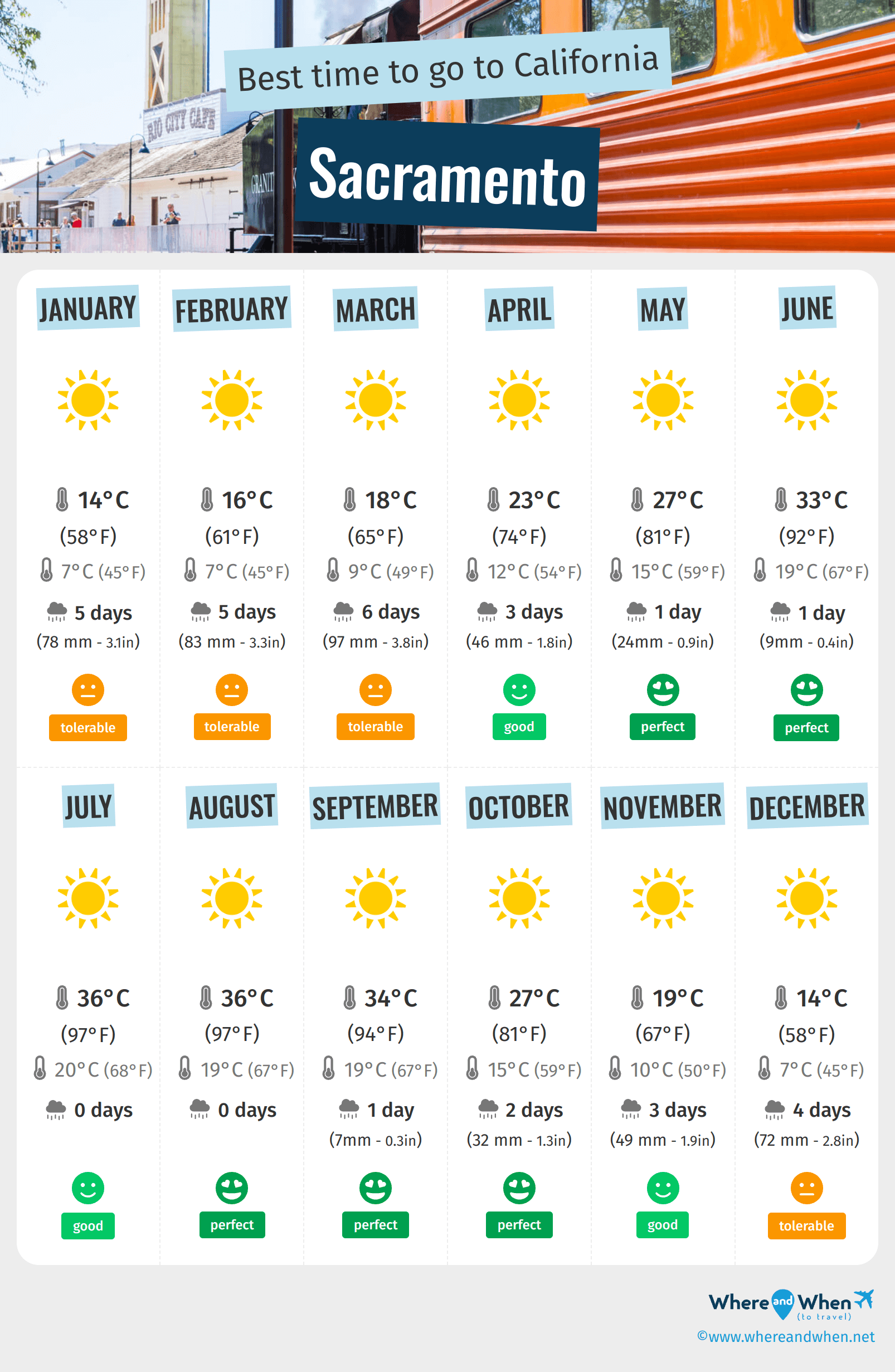
From June through September, Sacramento truly lives up to its “City of Trees” moniker, offering shade during its famously hot and dry summers. Daytime temperatures frequently soar into the high 90s Fahrenheit (30s Celsius), often breaking 100°F (38°C) in July and August. While the heat can be intense, humidity levels are typically very low, making the extreme temperatures feel more manageable than in humid climates. Evenings bring a welcome reprieve, with temperatures often dropping into the 60s Fahrenheit (15-20°C), courtesy of the ” Delta Breeze” – cool air drawn in from the San Francisco Bay Area through the Sacramento-San Joaquin River Delta. This diurnal temperature swing is a blessing for summer visitors, allowing for comfortable outdoor dining and evening strolls after a hot day. For tourists, this means prioritizing early morning or late afternoon activities, staying hydrated, and seeking out air-conditioned attractions or water-based recreation.
The Mild, Wet Winters
Winter in Sacramento, spanning from December to February, is a stark contrast to the summer’s aridity. While snow is an extremely rare occurrence, these months see the majority of the city’s annual rainfall. Temperatures are mild, with daytime highs typically ranging from the low 50s to low 60s Fahrenheit (10-17°C) and nighttime lows rarely dipping below freezing, usually settling in the low to mid-40s Fahrenheit (4-7°C). Fog, particularly the dense Tule fog, can be a common feature during winter mornings, reducing visibility and adding a mystical, albeit sometimes damp, atmosphere. This season encourages visitors to explore indoor attractions, cozy cafes, and enjoy the crisp air, perhaps even witnessing the vibrant winter migration of birds in nearby wildlife refuges.
Pleasant Spring and Autumn Transitions
The shoulder seasons of spring (March-May) and autumn (October-November) are arguably the most delightful times to visit Sacramento. Spring brings a landscape bursting with wildflowers and verdant foliage as temperatures comfortably range from the 60s to 80s Fahrenheit (15-27°C). The air is fresh, and the city hums with outdoor activity. Autumn offers a similar charm, with warm, sunny days lingering into October, slowly transitioning to cooler, crisp air by November. The vibrant fall foliage in the city’s parks and tree-lined streets is a particular draw, with daytime temperatures typically in the 70s Fahrenheit (21-26°C), gradually cooling. These seasons provide ideal conditions for exploring Sacramento’s numerous outdoor attractions without the intensity of summer heat or the dampness of winter.
Seasonal Temperatures and Their Impact on Tourism
The distinct seasonal temperature variations in Sacramento dictate the rhythm of tourism, influencing everything from the types of activities available to the optimal packing list. Travelers who understand these patterns can maximize their enjoyment of the city’s unique offerings.
Summer (June-August): Embracing the Golden Heat
Summer in Sacramento is defined by its radiant sun and high temperatures. Average daily highs often sit between 90-100°F (32-38°C), with August typically being the hottest month. The heat directly impacts outdoor exploration. Tourists often gravitate towards water-based activities along the American River Parkway, kayaking, paddleboarding, or swimming. The numerous spray parks and aquatic complexes in the region also become popular havens. Indoor attractions like the California State Capitol Museum, the Crocker Art Museum, and the diverse culinary scene in air-conditioned restaurants are highly favored during the hottest parts of the day. Evening activities thrive, as the Delta Breeze cools things down, making outdoor dining, concerts at the Golden 1 Center, and walks along the Old Sacramento Waterfront enjoyable.
Autumn (September-November): Crisp Air and Changing Colors
As summer’s intense heat subsides, Sacramento enters a glorious autumn. September still sees warm temperatures in the 80s F (27-32°C), but October brings a noticeable shift, with averages in the low 70s F (21-23°C). November continues to cool, often hovering in the 60s F (15-20°C). This season is ideal for outdoor festivals, such as the famous Farm-to-Fork Festival, and exploring the city’s vast park system, including William Land Park, where the changing leaves create picturesque backdrops. Cycling along the American River Parkway or taking a leisurely stroll through Old Sacramento are particularly pleasant. Wineries in the nearby Clarksburg Delta also see increased activity, benefiting from the mild weather for tours and tastings.
Winter (December-February): Gentle Chill and Potential Fog

Sacramento’s winters are generally mild but can be damp. Average daytime temperatures range from the low 50s to low 60s F (10-17°C). Rainfall is more common, and Tule fog can create atmospheric, albeit sometimes challenging, conditions, especially in the mornings. This season is perfect for delving into Sacramento’s rich history and culture. Visitors can spend time at the California State Railroad Museum, exploring the historic trains, or immerse themselves in art at the Crocker Art Museum. The mild temperatures also mean that outdoor activities like a visit to the Sacramento Zoo or a walk around Capitol Park are still quite feasible on drier days, just with a need for a warm jacket.
Spring (March-May): Blooming Beauty and Ideal Conditions
Spring is a time of renewal and arguably the most comfortable season for tourism in Sacramento. Temperatures steadily climb from the mid-60s F (18-20°C) in March to the high 70s and low 80s F (25-27°C) by May, with minimal rainfall. The city’s gardens and parks, including the Capitol Park Rose Garden, burst into bloom, offering vibrant displays of color. This is prime time for walking tours of Old Sacramento, exploring the city’s charming neighborhoods, or enjoying river cruises along the Sacramento River. Outdoor dining becomes a popular choice again, and events like farmers’ markets are in full swing, celebrating the region’s agricultural bounty.
Planning Your Visit: What to Pack and When to Go
Strategic planning around Sacramento’s climate is key to a comfortable and enjoyable visit. Your packing list and choice of travel dates should directly reflect the expected temperatures and weather patterns.
Essential Packing Tips for Each Season
- Summer: Lightweight, breathable clothing is a must. Think cottons and linens. Pack wide-brimmed hats, sunglasses, and high-SPF sunscreen. Swimsuits are advisable if planning water activities. Evenings cool down, so a light jacket or cardigan is wise for after sunset. Hydration is paramount, so carrying a reusable water bottle is recommended.
- Autumn: Layers are your best friend. Days can be warm, but mornings and evenings turn crisp. Long-sleeved shirts, light sweaters, and a medium-weight jacket are ideal. Comfortable walking shoes are always recommended for exploring parks and historic areas.
- Winter: A warm, waterproof jacket or coat is essential, especially if you plan to be out during potential rain or Tule fog. Pack sweaters, long pants, and potentially waterproof footwear. An umbrella is a sensible addition.
- Spring: Similar to autumn, layering is key. Light jackets or cardigans for cooler mornings and evenings, paired with comfortable, breathable clothing for warmer afternoons. Sunscreen remains important, even in milder weather.
Best Times to Explore Sacramento’s Attractions
While Sacramento offers something year-round, the spring (March-May) and autumn (September-October) months are widely considered the most pleasant for general tourism. The moderate temperatures create ideal conditions for sightseeing, outdoor activities, and enjoying the city’s vibrant atmosphere without the extremes of summer heat or winter dampness. If you enjoy festivals and a bustling atmosphere, late spring and early autumn coincide with many local events. Summer can be enjoyable if you embrace the heat with water activities and indoor cultural exploration, while winter offers a cozy, contemplative experience focused on museums and culinary delights.
Adapting Activities to the Weather
Regardless of when you visit, adapting your itinerary to the daily temperature is crucial. In summer, schedule strenuous outdoor activities for early mornings or late afternoons, reserving the midday hours for indoor attractions, museum visits, or enjoying air-conditioned dining. During cooler, wetter periods, embrace Sacramento’s indoor cultural scene, including the California State Railroad Museum or a tour of the historic California State Capitol. The city’s diverse culinary landscape also offers a perfect refuge in any weather, from farm-to-fork restaurants to craft breweries and coffee shops.
Local Life and Events Shaped by the Climate
Sacramento’s climate isn’t just a backdrop; it actively shapes the local culture, activities, and annual events that tourists can experience. The rhythm of the seasons dictates when certain outdoor festivities occur and how locals choose to spend their leisure time.
Outdoor Festivals and Riverside Fun
The long, dry summers, despite their heat, are synonymous with outdoor living in Sacramento. Evenings come alive with concerts in the park, outdoor movie screenings, and riverside dining along the Sacramento River and Tower Bridge. The Farm-to-Fork Festival, typically held in September, takes full advantage of the lingering warm weather to celebrate the region’s agricultural abundance with outdoor feasts and culinary events. Spring and autumn also host numerous street fairs and art walks, drawing crowds who revel in the comfortable temperatures. The extensive American River Parkway becomes a hub for cycling, running, and picnicking when the weather is mild, showcasing the local commitment to outdoor recreation.
Indoor Retreats and Cultural Havens
When the summer heat is at its peak or winter rains set in, Sacramento offers a wealth of indoor cultural experiences. The Crocker Art Museum, home to a vast collection spanning Californian art to European masterworks, provides a cool or dry escape. The California State Capitol Museum offers fascinating insights into the state’s political history and architectural grandeur, while the California State Railroad Museum transports visitors back in time with its impressive collection of locomotives. For entertainment, the Golden 1 Center hosts a variety of concerts and sporting events year-round, providing a climate-controlled venue regardless of the outside temperature. Even the vibrant local food scene, with its emphasis on fresh, seasonal ingredients, adapts to the climate, offering refreshing dishes in summer and hearty, comforting meals in winter.
Ultimately, the temperature in Sacramento is more than just a number; it’s a guide to experiencing the city’s unique charm and character throughout the year. By understanding its Mediterranean climate and preparing accordingly, visitors can ensure a memorable trip to this dynamic California capital.
LifeOutOfTheBox is a participant in the Amazon Services LLC Associates Program, an affiliate advertising program designed to provide a means for sites to earn advertising fees by advertising and linking to Amazon.com. Amazon, the Amazon logo, AmazonSupply, and the AmazonSupply logo are trademarks of Amazon.com, Inc. or its affiliates. As an Amazon Associate we earn affiliate commissions from qualifying purchases.