
Embarking on a journey from the sun-drenched shores of California to the ancient and futuristic landscapes of Japan involves more than just packing a suitcase and booking a flight. One of the most significant logistical considerations, and indeed, one of the most impactful on your well-being and travel experience, is the substantial time difference. Understanding this temporal leap is crucial for seamless travel planning, managing jet lag, and maintaining connections with home. This guide delves into the specifics of the time difference, its practical implications, and strategies to navigate it effectively for an enjoyable and productive trip.

Understanding the Global Time Zones
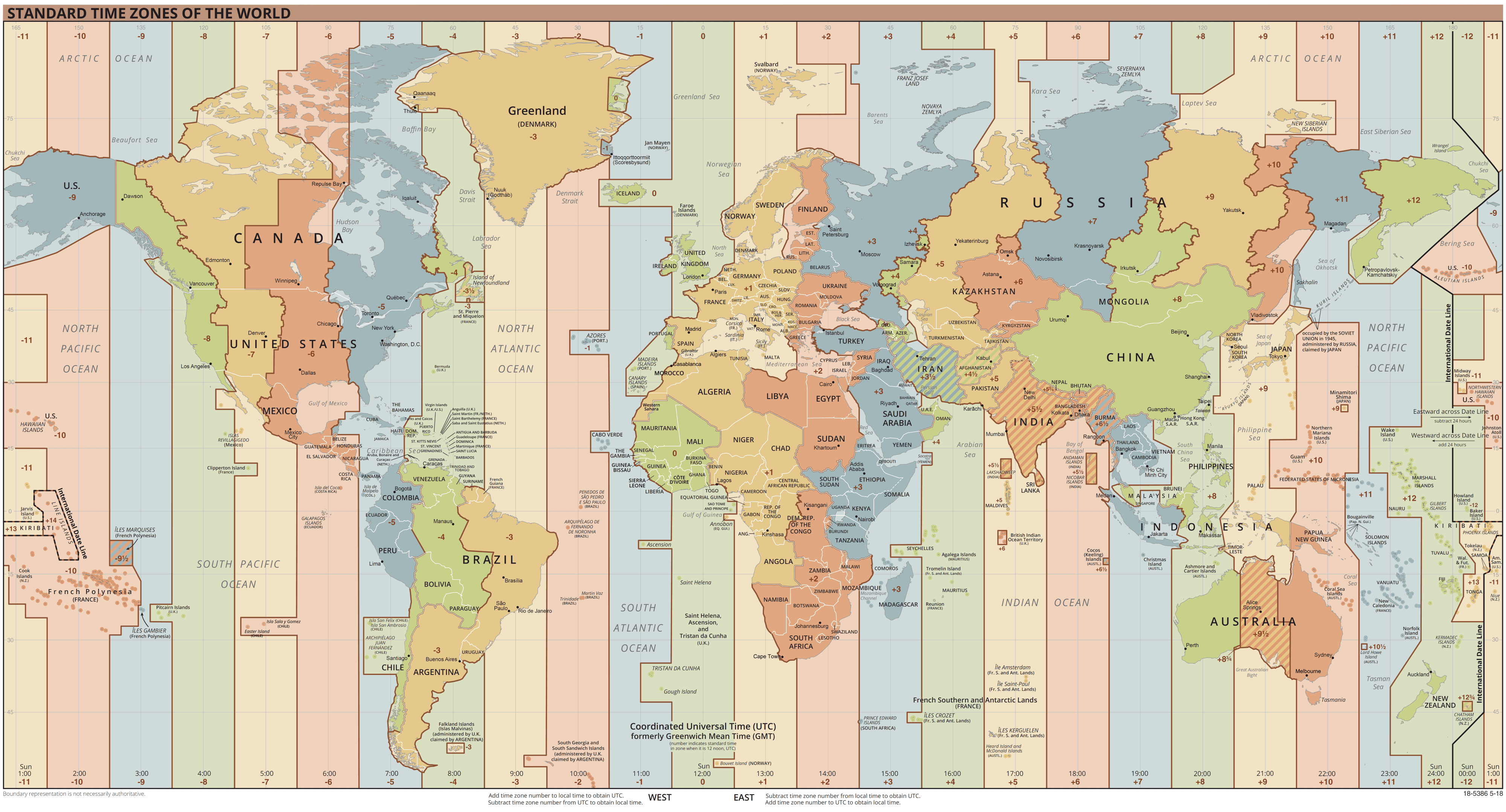
To grasp the time difference between such distant locations, it’s essential to first understand the global framework that governs time. Our world is divided into 24 primary time zones, each representing a one-hour shift, relative to a central reference point.
The Concept of UTC/GMT
The bedrock of global timekeeping is Universal Coordinated Time (UTC), often colloquially interchanged with Greenwich Mean Time (GMT). While historically distinct, for practical purposes, especially for travel, they function similarly as the primary time standard by which the world regulates clocks and time. Both are centered on the prime meridian (0° longitude) which passes through Greenwich, London. Time zones are expressed as offsets from UTC, either positive (east of Greenwich) or negative (west of Greenwich).
How Time Zones are Calculated
Each 15 degrees of longitude roughly corresponds to one hour of time difference. As you travel eastward, you add an hour for every time zone crossed; traveling westward, you subtract an hour. The immense distance between California and Japan means traversing a significant portion of the globe’s circumference, crossing numerous time zones, and importantly, crossing the International Date Line.
The International Date Line Explained
The International Date Line is an imaginary line on the surface of the Earth that runs from the North Pole to the South Pole and demarcates one calendar day from the next. It generally follows the 180° longitude, traversing the middle of the Pacific Ocean. When you cross the International Date Line traveling west from California to Japan, you advance your calendar by one full day. Conversely, traveling east from Japan to California, you move back a day. This phenomenon significantly impacts travel planning and is a key factor in the seemingly dramatic time difference.
Pinpointing the Time Difference: California to Japan
Understanding the specific time zones of both California and Japan is crucial to calculating the exact difference.
California’s Time Zones (PST/PDT)
California primarily observes Pacific Time.
- During standard time, from roughly early November to mid-March, it is Pacific Standard Time (PST), which is UTC-8.
- During Daylight Saving Time (DST), from roughly mid-March to early November, it switches to Pacific Daylight Time (PDT), which is UTC-7.
Cities like Los Angeles and San Francisco operate within these time zones.
Japan Standard Time (JST)
Japan, on the other hand, observes a single, unified time zone across the entire country: Japan Standard Time (JST). JST is UTC+9 and notably, Japan does not observe Daylight Saving Time. This simplifies calculations considerably once you know California’s current status.
The Exact Calculation
Let’s break down the difference:
-
During California’s Standard Time (PST):
- PST is UTC-8.
- JST is UTC+9.
- The difference is 8 hours (to reach UTC) + 9 hours (from UTC to JST) = 17 hours.
- Therefore, Japan is 17 hours ahead of California when California is on PST. For example, if it’s 10:00 AM on Monday in Los Angeles, it would be 3:00 AM on Tuesday in Tokyo.
-
During California’s Daylight Saving Time (PDT):
- PDT is UTC-7.
- JST remains UTC+9.
- The difference is 7 hours (to reach UTC) + 9 hours (from UTC to JST) = 16 hours.
- Thus, Japan is 16 hours ahead of California when California is on PDT. For instance, if it’s 10:00 AM on Monday in Los Angeles, it would be 2:00 AM on Tuesday in Tokyo.
In summary, Japan is either 16 or 17 hours ahead of California, depending on whether California is observing Daylight Saving Time.
Impact of Daylight Saving Time (DST)
The variable nature of Daylight Saving Time in California means that the exact numerical difference fluctuates twice a year. Travelers must always factor in the current season and whether DST is in effect when calculating. Since Japan does not observe DST, its offset from UTC remains constant, simplifying one side of the equation.
Navigating the Challenges of Such a Significant Time Gap
A time difference of 16 or 17 hours is substantial and presents unique challenges for travelers, primarily jet lag and coordination.
Combating Jet Lag: Pre-flight and In-flight Strategies
Jet lag is almost inevitable when crossing so many time zones. However, proactive measures can significantly mitigate its effects:
- Pre-flight Adjustment: Start shifting your sleep schedule by an hour or two each day in the direction of your destination’s time zone a few days before departure. For travel to Japan, try going to bed and waking up earlier.
- Hydration: Drink plenty of water before and during your flight. Avoid excessive alcohol and caffeine, which can dehydrate you and disrupt sleep patterns.
- In-flight Movement: Get up and move around the cabin every couple of hours to promote circulation.
- Sleep Aids: Consider an eye mask and earplugs to create a conducive sleep environment on the plane, allowing you to rest when it aligns with [Japan](https://lifeoutofthebox.com/japan]’s nighttime.
- Set Your Watch: As soon as you board the plane, change your watch to Japan Standard Time. This psychological shift helps you begin to adapt mentally.
Adjusting Upon Arrival: Maximizing Your First Days
Upon landing, immediate action is key to a faster adjustment:
- Embrace Daylight: Seek natural light as much as possible during daylight hours in Japan. This helps reset your body’s circadian rhythm.
- Fight the Urge to Nap (Strategically): If you arrive during the day, try to stay awake until a reasonable bedtime in [Japan](https://lifeoutofthebox.com/japan]. A short power nap (20-30 minutes) might be acceptable, but avoid long naps that could push back your night sleep.
- Stick to Local Schedule: Eat meals at local times, even if you’re not hungry. This further aids in syncing your body clock.
- Light Exercise: A walk or gentle activity can boost energy without over-exerting yourself, promoting better sleep later.
Communication Across Time Zones
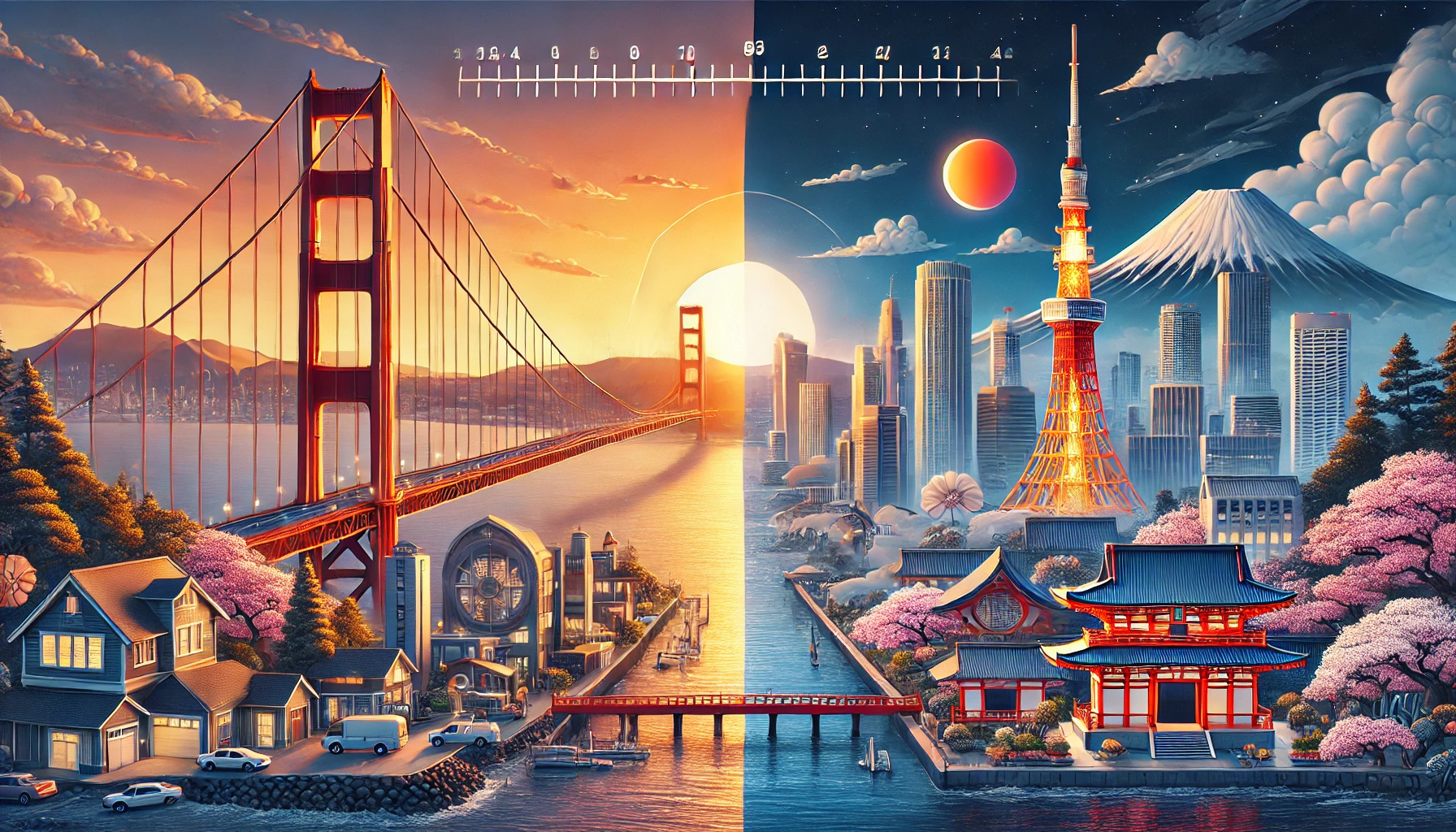
For personal and professional reasons, coordinating communication between California and Japan requires careful planning. Given the 16-17 hour difference, when it’s daytime in one location, it’s typically deep night or early morning in the other.
- Find Overlap Windows: Identify specific hours that might overlap, such as early morning in California when it’s late evening in Japan, or vice versa.
- Asynchronous Communication: Utilize email, messaging apps, and scheduled video calls for non-urgent communication, respecting the significant time gap.
- Time Zone Converters: Leverage online tools and smartphone apps that display multiple time zones simultaneously to easily find suitable contact times.
Practical Implications for Travelers
Beyond jet lag, the time difference impacts various aspects of your travel itinerary and experience.
Flight Scheduling and Connection Planning
Direct flights from major California hubs like Los Angeles International Airport or San Francisco International Airport to Tokyo Narita International Airport or Tokyo Haneda Airport typically take around 10-12 hours. However, due to the International Date Line crossing, you effectively “lose” a day when traveling west. If you depart California on a Monday morning, you’ll likely arrive in Japan on Tuesday afternoon, despite the flight duration being less than 24 hours. When returning, you “gain” a day, potentially arriving on the same calendar day you departed or even an earlier one, depending on the exact timings. Always double-check arrival and departure dates, not just times.
Booking Accommodations and Tours
When making reservations for hotels in Tokyo, Osaka, Kyoto, or any other Japanese city, ensure you are booking for the correct arrival date in Japan, which will be one calendar day after your departure from California. The same applies to pre-booked tours, train tickets, and restaurant reservations. A common mistake is to book for the departure date from California, leading to a missed night’s stay or missed activity.
Business Travel Considerations
For business travelers, the time difference can be particularly challenging. Meetings with colleagues or clients back in California will require significant schedule adjustments. An 8:00 AM meeting in California would be 1:00 AM or 2:00 AM the next day in Japan. Conversely, a morning meeting in Japan would be the afternoon or evening of the previous day in California. Clear communication, setting expectations, and utilizing asynchronous communication methods are paramount.
Emergency Contacts and Family Check-ins
Inform family and friends about the time difference before you leave. Provide them with a simple calculation or a rough guide for when you’ll be reachable. Establish a communication plan for check-ins, perhaps a specific “window” of time when you know you’ll both be awake and available. This is particularly important for emergencies or for those traveling with young children who might need to communicate with caregivers back home.
Making the Most of Your Journey
While the time difference presents challenges, it is an inherent part of international travel and offers unique opportunities.
Embracing the Experience
Consider the time difference not as an obstacle, but as part of the grand adventure of international travel. The shift in time zones is a tangible reminder of the vast distances you are covering and the cultural immersion awaiting you. Be prepared for your body to feel a bit out of sync initially, but trust that it will adjust. The novelty of experiencing a new day while your home is still in the previous one is part of the magic.
Essential Travel Planning Tools
Before your trip, familiarize yourself with world clock apps, online time zone converters, and local weather forecasts for your Japanese destinations. These tools are invaluable for staying organized and ensuring you arrive prepared, refreshed, and ready to explore the wonders of Japan, from the bustling streets of Tokyo to the serene temples of Kyoto. A well-planned approach to time differences ensures that your focus remains on creating unforgettable travel memories, rather than wrestling with logistics.
LifeOutOfTheBox is a participant in the Amazon Services LLC Associates Program, an affiliate advertising program designed to provide a means for sites to earn advertising fees by advertising and linking to Amazon.com. Amazon, the Amazon logo, AmazonSupply, and the AmazonSupply logo are trademarks of Amazon.com, Inc. or its affiliates. As an Amazon Associate we earn affiliate commissions from qualifying purchases.