
For anyone considering a long-term stay, permanent residency, or even purchasing property in the Golden State, understanding the intricacies of property tax in California is paramount. Far from a simple, uniform percentage, California’s property tax system is shaped by a unique constitutional amendment and a patchwork of local assessments. This guide will demystify the system, offering clarity for those navigating accommodation decisions, whether seeking to rent long-term or invest in real estate.
Understanding California’s Property Tax System
At its core, California’s property tax structure is distinctive, largely due to a landmark piece of legislation. This system influences everything from housing affordability to the overall cost of living, making it a critical consideration for any long-term resident or prospective homeowner.
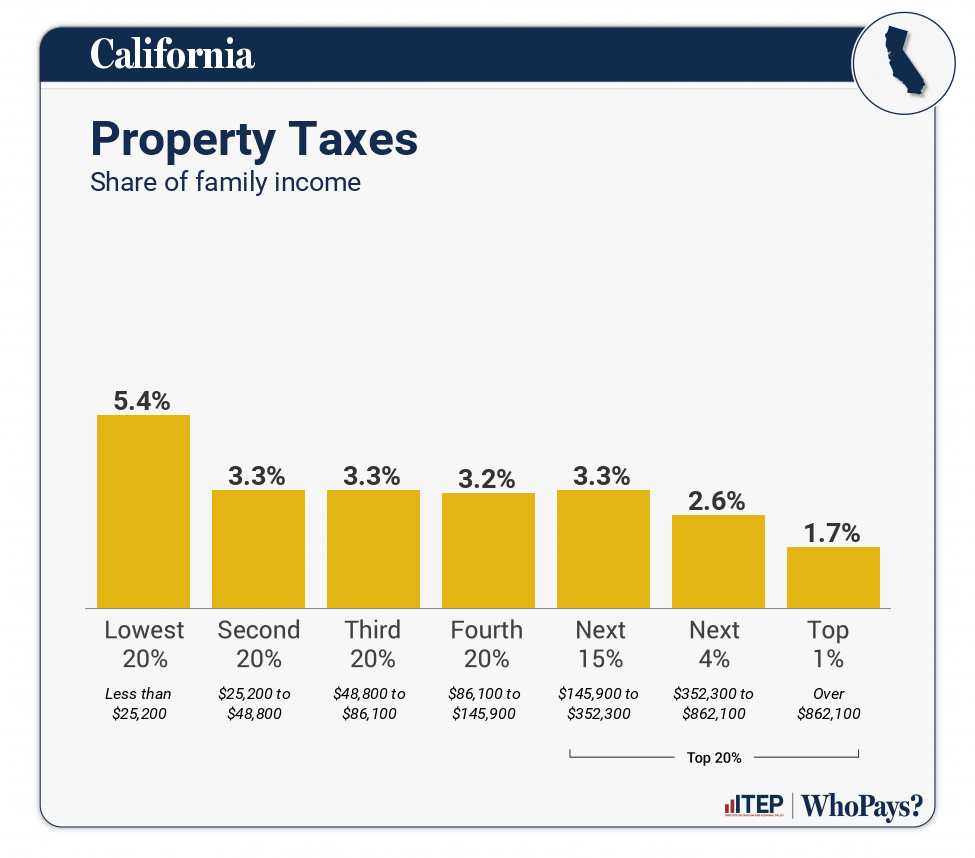
Proposition 13: The Foundation
The bedrock of California’s property tax system is Proposition 13, passed by voters in 1978. This constitutional amendment fundamentally altered how property taxes are assessed and limited their growth. Under Proposition 13, the base property tax rate is capped at 1% of a property’s assessed value.
The “assessed value” is generally the property’s purchase price. Critically, this assessed value can only increase by a maximum of 2% per year, or the rate of inflation, whichever is lower, as long as the property is not sold. When a property is sold, it is reassessed to its new market value (the purchase price), and a new 1% base takes effect for the new owner. This aspect of Proposition 13 means that long-time homeowners often pay significantly less in property taxes than neighbors who recently purchased comparable properties, creating a complex dynamic within local housing markets. For those evaluating long-term accommodation options, understanding this reassessment trigger is vital for budgeting purposes.
Additional Levies and Fees
While Proposition 13 sets the base rate at 1%, your actual property tax bill in California will almost always be higher. This is due to various additional levies and fees approved by local voters, which are exempt from the Proposition 13 limitations. These can include:
- Mello-Roos Community Facilities Districts (CFDs): These are special tax assessments levied on properties within specific districts to finance public improvements and services, such as schools, parks, roads, and police/fire protection. Mello-Roos taxes are common in newer developments and can add a substantial amount to a property owner’s annual tax bill.
- School Bonds and Other General Obligation Bonds: Local jurisdictions often pass bond measures to fund improvements for schools, libraries, public safety facilities, or infrastructure. These bonds are typically repaid through property tax assessments.
- Special Assessments: These can be levied for specific local improvements that directly benefit a particular property, such as street lighting, drainage, or sidewalk maintenance.
- City and County Parcels Taxes: Some cities or counties impose small parcel taxes for specific services, often a flat fee rather than a percentage of value.
These additional levies are crucial to consider when estimating total accommodation costs, as they vary significantly by location and can push the overall property tax rate well above the nominal 1% base.
The Effective Tax Rate vs. Base Rate
Given the layers of taxation, it’s more accurate to consider an “effective” property tax rate when budgeting for accommodation in California. While the base rate is 1% of the assessed value, the inclusion of Mello-Roos taxes, school bonds, and other special assessments means that the effective property tax rate typically falls between 1.1% and 1.5% of the assessed value, and sometimes even higher in certain communities with extensive special districts.
For example, a property with a base assessed value of $800,000 might have a 1% base tax of $8,000. However, if there are an additional 0.3% in local assessments, the total tax bill could be closer to $10,400, making the effective rate 1.3%. This distinction is vital for accurate financial planning, particularly for long-term residents seeking to understand their annual housing outlays.
Factors Influencing Your Property Tax Bill
Understanding the general framework is just the beginning. Several specific factors will directly dictate the precise amount you pay in property taxes, making each accommodation decision unique.
Property Value and Acquisition Cost
The most significant factor influencing your property tax bill is the property’s assessed value, which, as discussed, is primarily determined by its acquisition cost. If you purchase a home for $1 million, your initial assessed value will be $1 million. Subsequent annual increases are capped at 2% or inflation, whichever is lower. This mechanism rewards long-term ownership, as properties held for decades will have significantly lower assessed values (and thus lower tax bills) compared to their current market value. This creates a strong incentive for long-term accommodation and stability.
For those considering a long-term rental, while you don’t directly pay property taxes, these taxes are factored into the landlord’s expenses and are indirectly reflected in your rent. Higher property taxes in a desirable area can contribute to higher rental prices, impacting your overall accommodation budget.
Location, Location, Location
The adage “location, location, location” holds true for property taxes in California not just because property values vary, but because the presence and extent of additional levies differ significantly across counties, cities, and even specific neighborhoods.
For instance, a property in Los Angeles County might have a different effective tax rate than a comparable property in Orange County or San Diego County, primarily due to differing local bond measures and special district assessments. Newer master-planned communities, regardless of their county (e.g., parts of Riverside County or newer developments outside Sacramento), are more likely to have higher Mello-Roos taxes to fund new infrastructure. Conversely, older, established communities, particularly in areas like San Francisco or parts of Santa Clara County or Alameda County, might have fewer special assessments but higher base property values. Researching the specific tax rates for your target city and neighborhood is crucial when planning for long-term accommodation.
New Construction and Renovations

New construction is assessed at its full market value upon completion, meaning it immediately carries the 1% base tax on its higher initial value, plus any applicable special assessments. Similarly, significant renovations or additions that require permits can trigger a reassessment of the value added by the improvement. For example, if you add a new room or substantially remodel a kitchen, the assessed value of that specific improvement will be added to your existing assessed value, and your property taxes will increase accordingly. This is an important consideration for individuals looking to customize their long-term accommodation, as it directly impacts ongoing costs.
Calculating Your Property Tax: A Practical Guide for Long-term Stays
Estimating your property tax bill is a fundamental step in budgeting for any long-term accommodation in California. Knowing how to approximate this expense will help you make informed financial decisions.
Estimating Your Annual Obligation
To estimate your annual property tax bill, you’ll need two pieces of information: the property’s purchase price (or current assessed value) and the local effective tax rate.
- Start with the Purchase Price: This will be your initial assessed value.
- Apply the 1% Base: Multiply your purchase price by 0.01.
- Add Local Assessments: Research the specific additional levies for the property’s location. This information is typically available on the county assessor’s or tax collector’s website. You might find a combined effective rate for the area (e.g., 1.25%). If so, multiply your purchase price by this effective rate.
- Example: If you buy a home for $900,000 in a county with an effective tax rate of 1.25%:
- Base Tax: $900,000 * 0.01 = $9,000
- Additional Levies (0.25%): $900,000 * 0.0025 = $2,250
- Total Estimated Annual Property Tax: $9,000 + $2,250 = $11,250.
- Alternatively, using the effective rate directly: $900,000 * 0.0125 = $11,250.
- Example: If you buy a home for $900,000 in a county with an effective tax rate of 1.25%:
It’s always advisable to consult with a local real estate agent or tax professional, or directly contact the county assessor’s office for the most accurate current rates and a specific property’s tax history.
Important Dates and Payment Schedules
Property taxes in California are paid in two installments. The tax year runs from July 1st to June 30th.
- First Installment: Due November 1st, delinquent after December 10th.
- Second Installment: Due February 1st, delinquent after April 10th.
If payment deadlines are missed, penalties and interest can accrue. Property tax bills are typically mailed in September or October. For long-term residents, especially homeowners, understanding these deadlines is critical to avoid unnecessary charges and maintain good financial standing.
Resources for Homeowners and Long-term Residents
Numerous resources are available to help individuals understand and manage their property tax obligations in California:
- County Assessor’s Office: Each county has an assessor’s office responsible for determining property values and administering property taxes. Their websites provide detailed information on specific property assessments, tax rates, and exemptions. This is the primary resource for direct inquiries.
- County Tax Collector’s Office: This office is responsible for collecting property tax payments. Their websites typically offer payment portals, due date reminders, and penalty information.
- California State Board of Equalization (BOE): The BOE oversees the administration of property taxes statewide and provides general information and guidance on Proposition 13 and other property tax laws.
- Tax Professionals: Real estate attorneys, certified public accountants (CPAs), and specialized property tax consultants can provide personalized advice and assistance, especially for complex situations or appeals.
- Exemptions and Relief Programs: California offers various property tax exemptions (e.g., homeowners’ exemption for primary residences) and relief programs (e.g., the Property Tax Postponement Program for seniors or disabled individuals). Be sure to investigate if you qualify for any of these to reduce your burden.
- IRS Deductions: It’s worth noting that property taxes paid are generally deductible on federal income tax returns, subject to certain limitations (the “SALT cap”).
Implications for Accommodation and Long-term Living in California
Property taxes are more than just a line item on a budget; they are a fundamental cost driver that influences where and how people choose to live long-term in California.
Budgeting for Ownership and Rental Costs
For prospective homeowners, property taxes are a fixed, recurring expense that must be factored into the overall monthly housing budget, alongside mortgage payments, insurance, and HOA fees. A higher effective property tax rate can significantly increase the total cost of ownership, making a property that initially seems affordable potentially less so.
Even for long-term renters, property taxes indirectly affect accommodation costs. Landlords factor their property tax burden into rental prices. In areas with high property values and substantial local assessments, tenants can expect to pay higher rents, reflecting the landlord’s increased operating expenses. Understanding these underlying costs provides a more complete picture of the housing market dynamics for long-term residents.
Comparing Costs Across California’s Diverse Regions
The property tax landscape in California is not uniform. A home in a new development in Riverside County might have a lower purchase price but a higher effective tax rate due to Mello-Roos than an older home in a high-value area like San Mateo County that might have a higher purchase price but fewer additional assessments. This variability necessitates thorough research into local tax rates when comparing accommodation options across different cities and counties. For those planning a long-term stay or considering relocation, mapping out these regional differences is essential for effective financial planning.

Property Tax as a Factor in Investment and Long-term Residency Decisions
Ultimately, property taxes play a critical role in evaluating the long-term financial viability and attractiveness of living in or investing in California. High property taxes, combined with high property values, contribute to California’s reputation as an expensive state. For individuals and families planning for extended stays or permanent relocation, the consistent annual cost of property taxes needs to be a primary consideration in their financial models. It influences affordability, investment returns for landlords, and the overall quality of life based on disposable income. By carefully analyzing the specific percentage and additional levies, individuals can make more informed decisions about their accommodation choices in this vibrant, yet financially complex, state.
LifeOutOfTheBox is a participant in the Amazon Services LLC Associates Program, an affiliate advertising program designed to provide a means for sites to earn advertising fees by advertising and linking to Amazon.com. Amazon, the Amazon logo, AmazonSupply, and the AmazonSupply logo are trademarks of Amazon.com, Inc. or its affiliates. As an Amazon Associate we earn affiliate commissions from qualifying purchases.