
Navigating travel often involves a myriad of logistical considerations, from securing the perfect accommodation to mapping out compelling itineraries. Yet, one fundamental detail, often overlooked until it impacts plans, is understanding local time zones. For travelers heading to the illustrious state of California, a clear grasp of its timekeeping system is paramount to ensure a smooth, enjoyable, and well-coordinated journey across the USA’s West Coast.
Understanding California’s Time Zone: Pacific Standard Time (PST) and Pacific Daylight Time (PDT)
California operates entirely within one consistent time zone, simplifying planning considerably compared to states that straddle multiple zones. This time zone is known as Pacific Standard Time (PST) for roughly half the year and Pacific Daylight Time (PDT) for the other half.
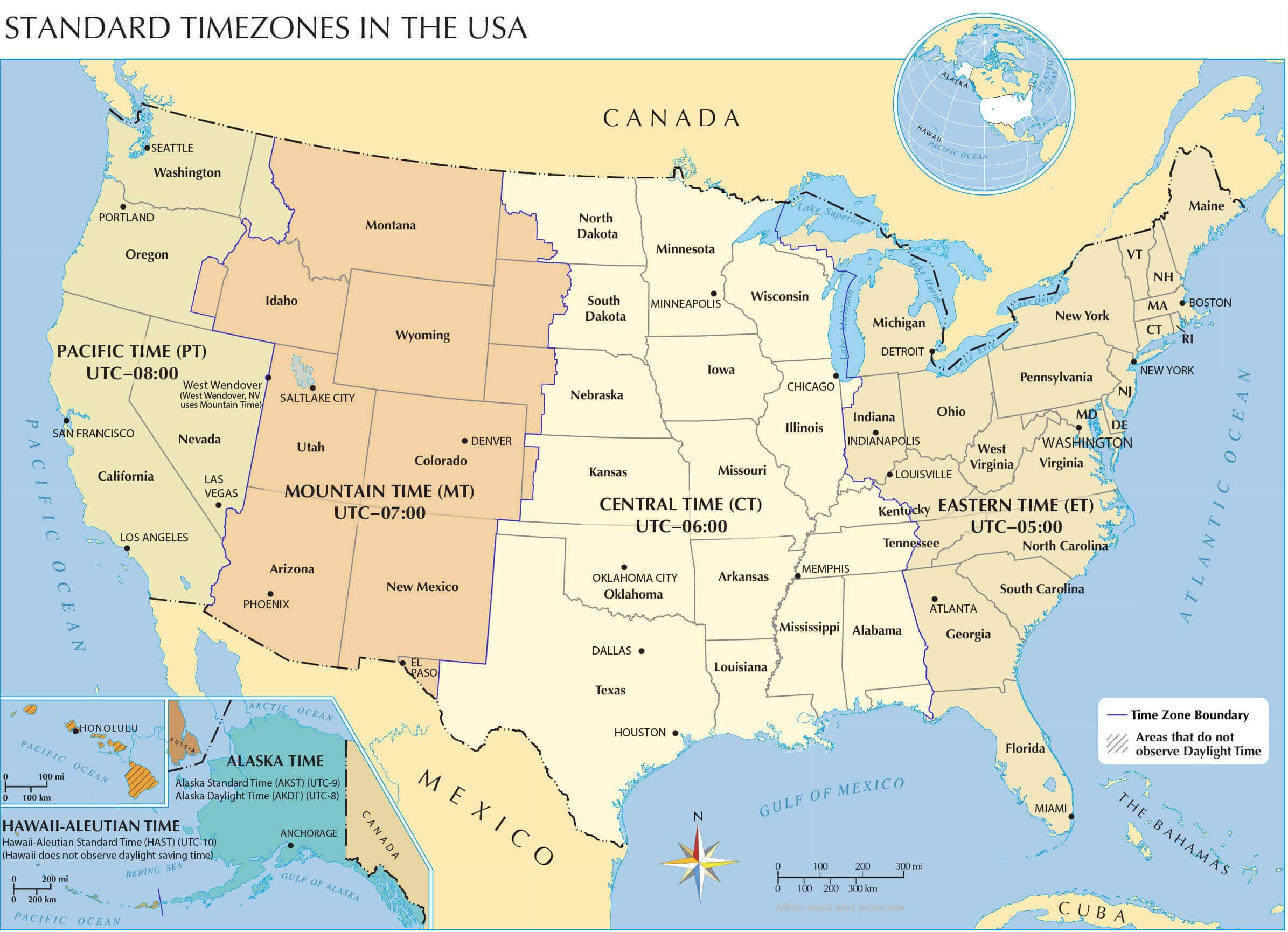
During the standard time period, typically from early November to mid-March, California adheres to PST, which is 8 hours behind Coordinated Universal Time (UTC). This is often denoted as UTC-8. When Daylight Saving Time comes into effect, usually beginning on the second Sunday in March and concluding on the first Sunday in November, California switches to PDT. This means clocks “spring forward” one hour, placing the state 7 hours behind UTC, or UTC-7. This annual adjustment is a critical detail for travelers, as it affects everything from flight schedules to the opening hours of attractions.
The uniformity of the time zone across the entire state, from the northern forests of Redwood National Park to the southern beaches of San Diego, means you don’t need to worry about changing your watch as you traverse the diverse landscapes of California. Whether you’re in bustling Los Angeles, tech-centric San Francisco, or exploring the natural wonders of Yosemite National Park, the time will always be consistent.
The Impact of Time Zones on Your California Travel Plans
Understanding the local time in California goes beyond merely knowing what to set your watch to; it’s a foundational element for seamless travel planning and a comfortable experience.
Flights and Arrivals
For many travelers, the first encounter with a time difference is upon arrival. Depending on your origin, the time shift can range from minor to significant, directly influencing your immediate post-arrival experience.
- Minimizing Jet Lag: Travelers arriving from the East Coast of the USA will typically experience a three-hour time difference. This can be managed by adjusting your sleep schedule a few days before departure, staying hydrated during the flight, and exposing yourself to natural light upon arrival in California. For those arriving from Europe or Asia, the time difference can be substantial (8-16 hours or more), leading to more pronounced jet lag. Strategies include breaking up long journeys, avoiding caffeine and alcohol on the plane, and immediately adopting the local California time for meals and sleep.
- Arrival Coordination: Double-check all arrival times, especially if your flight spans the Daylight Saving Time changeover. While airlines typically account for this, it’s wise to confirm your arrival time in PDT or PST to avoid confusion with transportation, hotel check-ins, or pre-arranged pickups.
Scheduling Activities and Reservations
California boasts an incredible array of attractions and experiences, from the thrilling rides of Disneyland to the architectural marvel of the Golden Gate Bridge. All these have specific operating hours, and understanding the local time is crucial for making the most of your visit.
- Attraction Timings: Always confirm the opening and closing times for museums, theme parks, national parks, and specific tours based on the local California time. These can vary seasonally, with longer hours during peak summer (PDT) and shorter hours in winter (PST). Missing a pre-booked time slot due to a time zone miscalculation can be disappointing and costly.
- Dining Reservations: California’s culinary scene is world-renowned. Popular restaurants, especially in cities like Los Angeles and San Francisco, often require reservations well in advance. Ensure you’re booking in California time, particularly if you are making reservations from a different time zone.
- Coordinating with Others: If you’re meeting friends or family who live in California or are also traveling there, establish clear communication about meeting times in local California time to avoid any missteps.
Business Travel Considerations
For those traveling to California for business, especially to hubs like Silicon Valley, time zone awareness is not just a convenience but a professional necessity.
- Meeting Schedules: When scheduling virtual meetings with colleagues or clients in different time zones, meticulously convert times to avoid conflicts. A 9:00 AM PST meeting is 12:00 PM EST (Eastern Standard Time), 5:00 PM GMT (Greenwich Mean Time), or 6:00 PM CET (Central European Time). This precision prevents missed calls and ensures productivity.
- Communication Gaps: Be mindful of the significant time difference when sending emails or making calls to global counterparts. What might be a reasonable hour for you in California could be the middle of the night for someone in Asia or early morning in Europe. Plan your communication strategy to align with working hours in other regions.
Navigating Time Differences with Major Global Hubs
To illustrate the practical implications, here’s a breakdown of common time differences between California and other major global cities and regions, using PST as the reference (add one hour for PDT).
From the East Coast (e.g., New York, Miami)
The most common domestic time difference for California travelers is with the East Coast of the USA, which operates on Eastern Standard Time (EST) or Eastern Daylight Time (EDT).
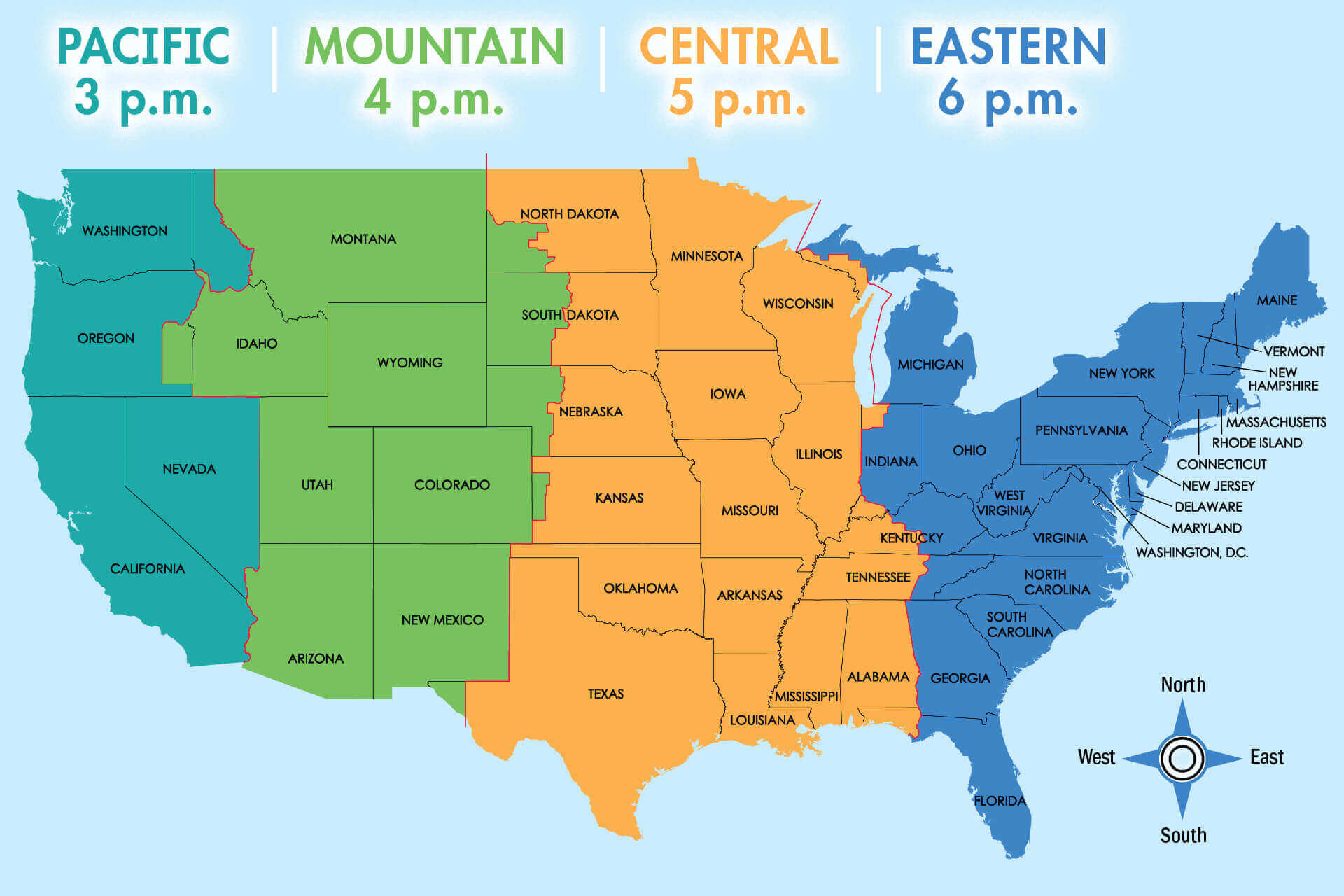
- Time Difference: California is 3 hours behind the East Coast.
- Example: If it’s 9:00 AM in Los Angeles (PST), it’s 12:00 PM in New York or Miami (EST).
- Travel Tip: When flying westbound, embrace the “extra” hours on your arrival day, but try to sleep at your regular local bedtime to help your body adjust faster.
From Europe (e.g., London, Paris)
Transatlantic travel involves a more significant time shift, impacting sleep patterns and initial days of a trip.
- Time Difference: California (PST) is 8 hours behind Greenwich Mean Time (GMT/BST in summer) in London and 9 hours behind Central European Time (CET) in Paris.
- Example: If it’s 9:00 AM in San Francisco (PST), it’s 5:00 PM in London and 6:00 PM in Paris.
- Travel Tip: Consider booking an overnight flight to arrive in California in the late afternoon or early evening. This allows you to check into your accommodation and head straight to bed, kickstarting your adjustment to the local rhythm.
From Asia (e.g., Tokyo, Beijing)
Traveling from Asia to California involves crossing the International Date Line and experiencing a very substantial time difference, often leading to a feeling of losing a day.
- Time Difference: California (PST) is 17 hours behind Tokyo and 16 hours behind Beijing.
- Example: If it’s 9:00 AM on Monday in Los Angeles (PST), it’s 2:00 AM on Tuesday in Tokyo and 1:00 AM on Tuesday in Beijing.
- Travel Tip: Plan for a relaxed first day. Avoid critical meetings or strenuous activities. Focus on getting sunlight exposure, staying active, and trying to eat meals at local times to reset your internal clock.

Practical Tips for Managing Time During Your California Trip
Beyond understanding the numerical difference, implementing practical strategies can significantly enhance your travel experience.
- Update All Devices Immediately: As soon as you land, ensure your smartphone, tablet, and any smartwatches are set to automatically update to the local California time. This minimizes confusion from the outset.
- Utilize World Clock Apps: For ongoing coordination with people in different time zones or for planning future legs of your journey, a reliable world clock app on your phone is invaluable.
- Prioritize Early Activities: Schedule less demanding activities for your first few days to allow your body to acclimate. Gentle strolls along the beach in Santa Monica or exploring a local market can be more enjoyable than an intense theme park visit while battling jet lag.
- Stay Hydrated and Active: Dehydration can exacerbate jet lag. Drink plenty of water and engage in light physical activity to help regulate your body’s clock.
- Embrace the Daylight: In summer, PDT means longer daylight hours, perfect for exploring. Plan outdoor activities to leverage this, but also recognize that artificial light in the evening can make it harder to sleep if you’re trying to adjust.
- Be Aware of Local Business Hours: While the time zone is consistent, individual businesses or attractions may have varying hours. Always check ahead, especially for smaller establishments or during holidays.
- Inform Contacts of Your Time Zone: Before you leave, let family, friends, and colleagues know your new time zone to prevent them from calling you at inconvenient hours.
A trip to California promises a wealth of experiences, from its iconic cities to its breathtaking natural landscapes. By consciously acknowledging and planning around the Pacific Standard Time and Pacific Daylight Time differences, travelers can ensure their journey is not only memorable but also remarkably smooth and free from avoidable time-related hiccups.
LifeOutOfTheBox is a participant in the Amazon Services LLC Associates Program, an affiliate advertising program designed to provide a means for sites to earn advertising fees by advertising and linking to Amazon.com. Amazon, the Amazon logo, AmazonSupply, and the AmazonSupply logo are trademarks of Amazon.com, Inc. or its affiliates. As an Amazon Associate we earn affiliate commissions from qualifying purchases.