
Understanding the local time in California is far more than a simple query; for any traveler, it’s a fundamental piece of information that dictates everything from flight schedules and hotel check-ins to sightseeing plans and dining reservations. California, a state renowned for its diverse landscapes, iconic cities, and vibrant culture, operates within a specific time zone that impacts the rhythm of daily life and the flow of tourist activities. For those planning a visit, a firm grasp of California time is the first step towards a seamless and enjoyable journey across the Golden State.
Decoding California’s Time Zone: PST and PDT
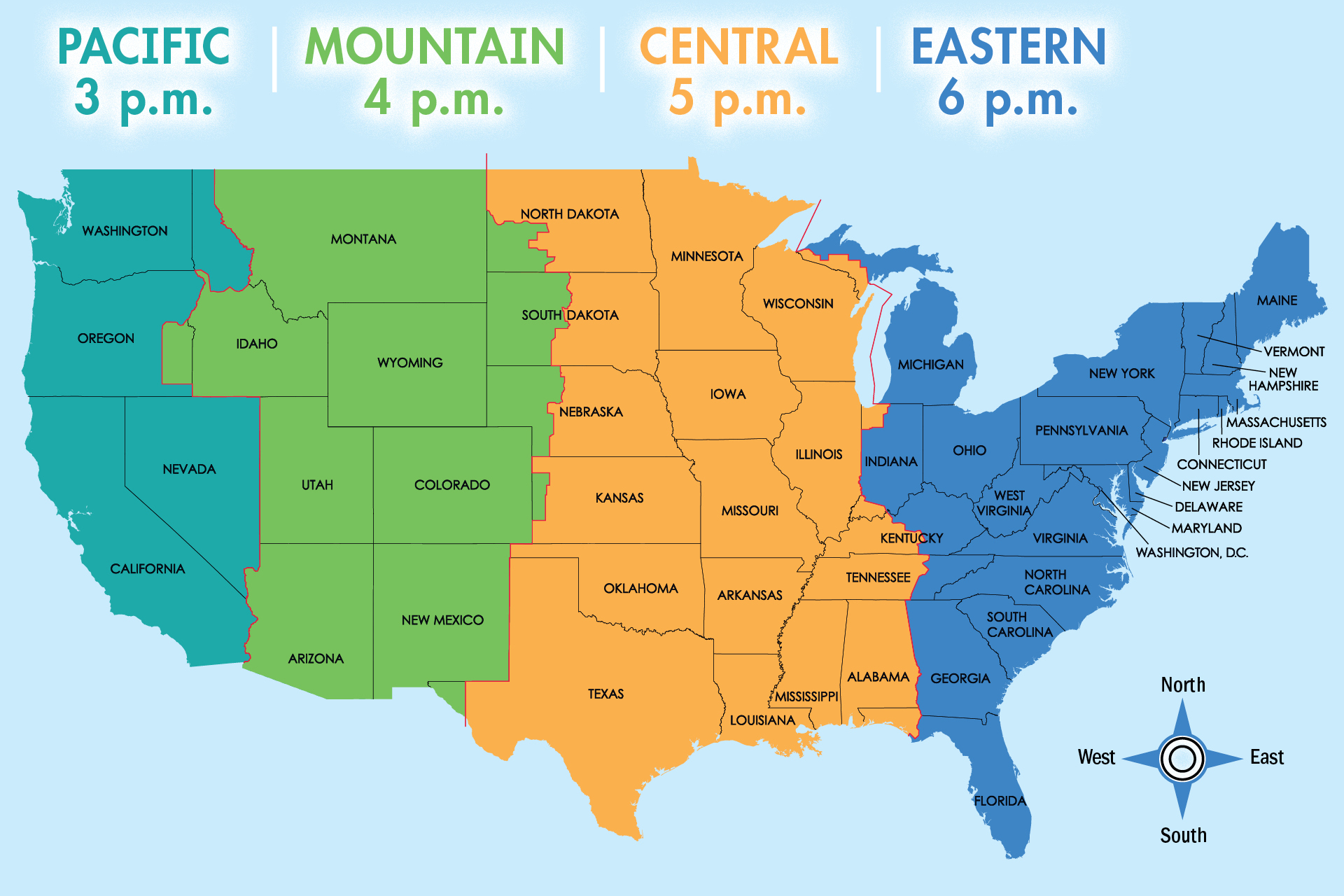
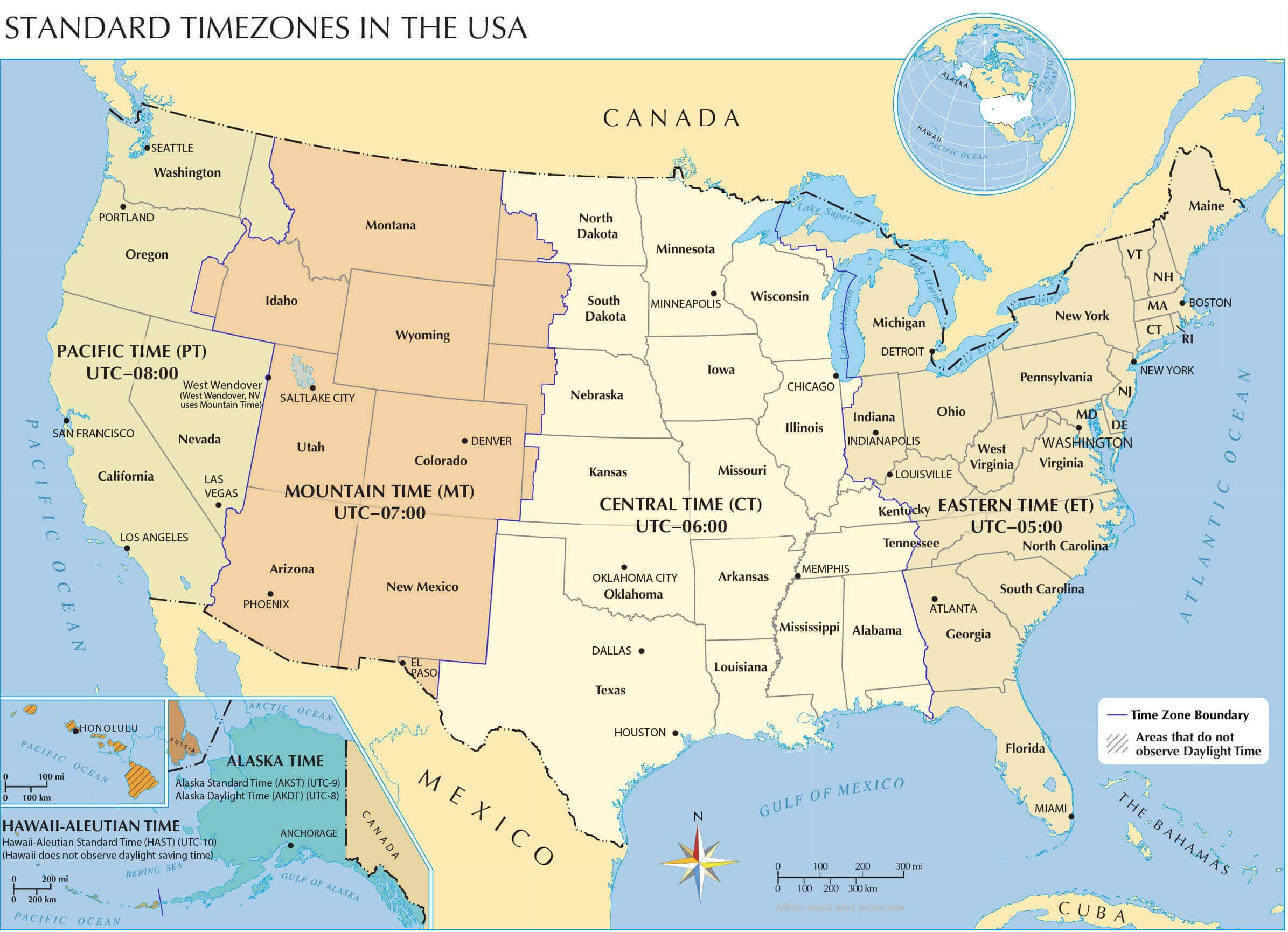
California observes the Pacific Time Zone, a standard that governs a significant portion of the western United States. This zone fluctuates between two designations throughout the year: Pacific Standard Time (PST) and Pacific Daylight Time (PDT). Travelers must be aware of this distinction to avoid any confusion, particularly when planning trips around the spring and fall transitions.
Pacific Standard Time (PST)
PST is the standard time observed during the fall and winter months. It is eight hours behind Coordinated Universal Time (UTC-8). This period typically runs from the first Sunday in November until the second Sunday in March. During PST, daylight hours are shorter, and the sun sets earlier, which can influence evening activity planning, especially if you’re keen on maximizing daylight for outdoor adventures in areas like Yosemite National Park or along the Pacific Coast Highway. For travelers arriving during these months, adjusting to the earlier sunsets might mean starting your days earlier to make the most of the natural light.
Pacific Daylight Time (PDT)
PDT takes over during the spring and summer months, beginning on the second Sunday in March and concluding on the first Sunday in November. During this period, clocks are advanced by one hour, making it seven hours behind Coordinated Universal Time (UTC-7). This adjustment, commonly known as “Daylight Saving Time,” extends daylight into the evening, providing longer hours for activities such as exploring the beaches of San Diego, enjoying an outdoor dinner in Los Angeles, or hiking in the Redwood National Park. The shift to PDT is particularly beneficial for tourists, offering more flexibility for evening sightseeing and late-afternoon excursions. However, it’s crucial to remember to adjust your internal clock and any time-sensitive bookings accordingly when arriving or traveling through California during these transitions.
Key Cities and Their Local Time
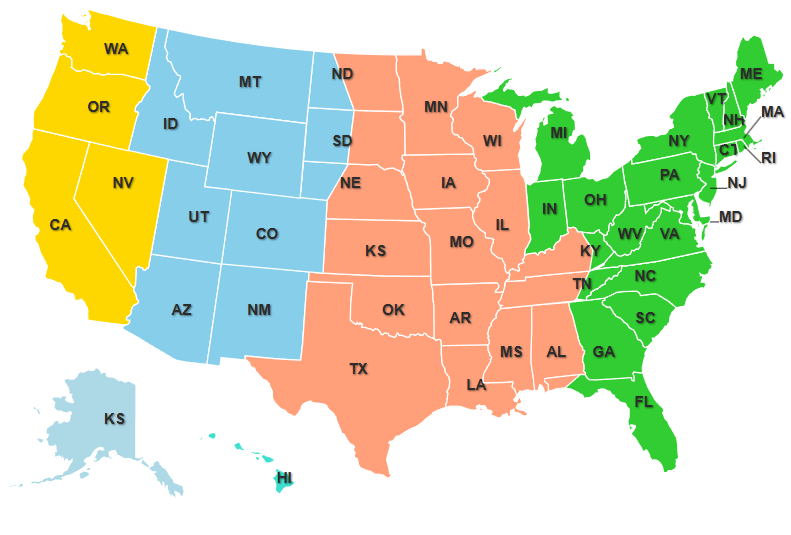
All major cities within California—from the bustling metropolis of Los Angeles and the iconic hills of San Francisco to the vibrant waterfront of San Diego and the state capital of Sacramento—observe the same Pacific Time Zone. This consistency simplifies multi-city itineraries within the state, as you won’t need to adjust your watch as you travel from north to south or east to west within California’s borders. However, for those crossing state lines, especially from neighboring Nevada (which is also Pacific Time) to Arizona (Mountain Time, with exceptions), or from California to the Central Time Zone or Eastern Time Zone in the United States, understanding these transitions becomes paramount.
Strategic Planning: Maximizing Your California Itinerary
Effective time management is the cornerstone of any successful trip, and nowhere is this more true than in a state as vast and activity-rich as California. From the moment you book your flights to the last sunset before your departure, every decision can be influenced by the clock.
Coordinating Flights and Arrivals
When booking flights to airports like Los Angeles International Airport (LAX), San Francisco International Airport (SFO), or San Diego International Airport (SAN), always confirm the arrival and departure times in local California time. For international travelers or those coming from the East Coast, the significant time difference can lead to confusion if not carefully noted. Factor in the time needed for customs, baggage claim, and travel to your accommodation. An evening arrival might mean limited options for dinner or activities on your first night, while a morning arrival could grant you an entire day to explore, assuming you can manage any initial jet lag.
Scheduling Activities and Reservations
California’s most popular attractions, such as Disneyland Park, Universal Studios Hollywood, and the Golden Gate Bridge tours, often require timed entry or advance reservations. Checking opening and closing times, as well as peak hours, in local Pacific Time is essential. Many fine dining establishments, theater shows in Hollywood, and winery tours in Napa Valley also operate on strict schedules. Missing a reservation due to a time zone miscalculation can be a significant setback for your travel plans. Use your phone’s world clock feature to keep track of both your home time and California time, especially for any virtual meetings or calls back home.
Business Hours and Peak Times
Understanding California time also helps in navigating local business hours. Banks, shops, and government offices typically operate on a standard 9 AM to 5 PM schedule during weekdays. Tourist shops and restaurants, particularly in popular areas like Santa Monica Pier or Fisherman’s Wharf, will have extended hours. Being aware of peak times—like morning rush hour in Los Angeles or San Francisco, or dinner rush at popular restaurants—can help you plan travel times between destinations and secure coveted dining spots without undue stress.
Conquering Jet Lag: Strategies for California Travelers
For many visitors, particularly those arriving from the East Coast or international destinations, the time difference can lead to jet lag. This common travel ailment can impact your energy levels, sleep patterns, and overall enjoyment of your trip. Successfully adjusting to California time is key to hitting the ground running.
Pre-Arrival Adjustment
Before you even depart, begin adjusting your sleep schedule by shifting it closer to California time. Even moving your bedtime and wake-up time by an hour or two for a few days before your trip can significantly ease the transition. Hydration is also crucial; drink plenty of water before, during, and after your flight to combat dehydration, which can exacerbate jet lag symptoms.
On-Arrival Strategies
Upon arrival, immerse yourself in the local time as quickly as possible. If it’s daytime in California, try to stay awake and expose yourself to natural light, even if you feel tired. Go for a walk, explore your immediate surroundings, or enjoy an early dinner. Avoid napping for too long during the day, as this can disrupt your nighttime sleep. Conversely, if you arrive at night, try to adhere to your usual bedtime routine, even if it feels early. Melatonin supplements can be helpful for some travelers to reset their sleep cycles. Engage in light activities and avoid heavy meals or excessive alcohol intake on your first day, as these can further disorient your body’s internal clock.
The Impact of Time on California Experiences
Beyond logistics, time directly shapes the quality and type of experiences you’ll have in California. From the magical light of dawn to the vibrant energy of the night, each part of the day offers unique opportunities for exploration and enjoyment.
Sunrise and Sunset Photography Opportunities
California’s diverse landscapes—from the rugged coastline of Big Sur to the serene deserts of Joshua Tree National Park and the urban skylines of its major cities—offer spectacular photography opportunities, especially during sunrise and sunset. Knowing the precise times for these events will allow photographers to position themselves perfectly to capture the Golden Hour’s ethereal glow. Websites and apps dedicated to sunrise/sunset times are invaluable tools for this purpose.
Optimal Times for Attraction Visits
Many of California’s top attractions are best experienced at specific times. Visiting popular museums like the Getty Center or theme parks like Six Flags Magic Mountain right at opening can help you beat the crowds, especially during peak tourist seasons. Conversely, some experiences, like a stroll through Balboa Park or a drive along Highway 1, might be more enjoyable in the late afternoon as the day cools down and the light softens. Researching the best times for specific activities will enhance your experience and minimize waiting times.
Experiencing California’s Nightlife and Dining Scene
California’s cities come alive after dark. Los Angeles’s vibrant nightlife, San Francisco’s world-class dining, and San Diego’s Gaslamp Quarter offer countless options for evening entertainment. Dinner reservations in popular areas are often essential, and understanding the local dining patterns (when restaurants get busy, typical last seating times) will ensure you don’t miss out. The evening hours are also ideal for taking in performances, visiting observation decks for city views, or simply enjoying a leisurely walk along a moonlit beach.
Essential Tools and Tips for Time Management On the Go
Staying on schedule while exploring California is made easier with a few simple tools and habits.
Leveraging Technology
Your smartphone is your best friend for time management. Most modern phones automatically adjust to the local time zone when you arrive. Utilize the world clock feature to easily compare California time with your home time, which is particularly useful for coordinating with family or colleagues. Set alarms for important events or wake-up calls. Navigation apps will also provide estimated travel times, which, when combined with your understanding of local peak traffic, will help you budget your time wisely between destinations.
The Importance of a Flexible Itinerary
While planning is essential, maintaining a degree of flexibility in your itinerary is equally important. Travel rarely goes exactly as planned, and unforeseen delays or spontaneous opportunities can arise. Building in buffer time between activities allows you to adapt without feeling rushed or missing out. Embrace the unexpected moments; sometimes the best travel memories are made when you stray from the schedule and discover something new. Knowing what time it is in California isn’t just about setting your watch; it’s about attuning yourself to the rhythm of the state and allowing yourself to fully experience everything it has to offer.
LifeOutOfTheBox is a participant in the Amazon Services LLC Associates Program, an affiliate advertising program designed to provide a means for sites to earn advertising fees by advertising and linking to Amazon.com. Amazon, the Amazon logo, AmazonSupply, and the AmazonSupply logo are trademarks of Amazon.com, Inc. or its affiliates. As an Amazon Associate we earn affiliate commissions from qualifying purchases.