
Understanding the precise time in your chosen destination is more than a mere curiosity; it’s a foundational element of effective travel planning, crucial for seamless itineraries, timely arrivals, and maximizing every moment of your journey. For travelers setting their sights on Fontana, California, grasping the local time zone and its nuances is the first step towards an organized and enjoyable visit. Fontana, a vibrant city nestled in Southern California, operates within the Pacific Time Zone, a detail that holds significant implications for everything from flight schedules to event attendance and even dining experiences.
Navigating the Pacific Time Zone: PST vs. PDT
The Pacific Time Zone (PT) is one of the four main time zones in the continental United States. What makes it particularly important for travelers to understand is its dynamic nature, shifting between two distinct phases throughout the year: Pacific Standard Time (PST) and Pacific Daylight Time (PDT). This annual transition, driven by Daylight Saving practices, significantly impacts the local time and, consequently, your travel arrangements.
The Rhythms of Standard and Daylight Saving
From early November to mid-March, Fontana observes Pacific Standard Time (PST), which is 8 hours behind Coordinated Universal Time (UTC-8). During this period, if it’s 3 PM in London (UTC+0), it would be 7 AM in Fontana. This is the “standard” phase, characterized by later sunrises and earlier sunsets, aligning with the winter months.
However, as spring approaches, Fontana springs forward into Pacific Daylight Time (PDT). This change typically occurs on the second Sunday in March, when clocks are advanced by one hour. Consequently, PDT is 7 hours behind Coordinated Universal Time (UTC-7). This adjustment means an extra hour of daylight in the evenings, which is particularly beneficial for outdoor activities and extended sightseeing. The transition back to PST happens on the first Sunday in November, when clocks fall back an hour.
For travelers, knowing whether Fontana is currently observing PST or PDT is paramount. A flight landing at 2 PM during PST will feel different than one landing at 2 PM during PDT if you’re accustomed to a fixed time relative to your home time zone. Always double-check the current local time and the specific date of your travel against the Daylight Saving schedule to avoid any miscalculations regarding appointments, reservations, or connecting flights.
Geographical Context: Why Fontana is on Pacific Time
Fontana’s position within the Pacific Time Zone is a direct consequence of its geographical location. Situated in San Bernardino County, approximately 50 miles east of downtown Los Angeles, Fontana falls squarely within the westernmost continental US time zone. The time zones in the United States are broadly defined by longitudinal lines, with the Pacific Time Zone encompassing California, Oregon, Washington, and parts of Nevada and Idaho. This standardized system ensures consistency across a broad region, facilitating commerce, communication, and, naturally, travel. Understanding this geographical alignment reinforces the predictability of Fontana’s time and helps travelers anticipate any time differences they might encounter from their point of origin.
Optimizing Your Fontana Itinerary: Practical Time Zone Considerations
For the discerning traveler, merely knowing the time zone isn’t enough; it’s about leveraging that knowledge to craft an optimized itinerary. From managing personal energy levels to ensuring timely participation in local events, the time in Fontana plays a pivotal role.
Battling Jet Lag for East Coast and International Travelers
Travelers arriving in Fontana from the East Coast of the United States or international destinations will likely experience a time difference of three or more hours. For instance, New York City operates on Eastern Standard Time (EST/EDT), which is three hours ahead of Fontana. This difference can lead to jet lag, disrupting sleep patterns, and affecting overall enjoyment.
To mitigate jet lag, consider gradually adjusting your sleep schedule a few days before departure. Upon arrival, immediately synchronize your watch to Fontana’s local time. Expose yourself to natural light during the day to help reset your circadian rhythm and avoid heavy meals or excessive alcohol before bedtime. Planning your first day in Fontana with less strenuous activities can also help your body acclimate smoothly. For instance, if you arrive in the afternoon, opt for a leisurely walk in a local park like Jurupa Hills Regional Park instead of diving straight into a high-energy event.
Coordinating Business Hours and Reservations
Most businesses in Fontana, from retail stores and restaurants to service providers, adhere to standard business hours within the Pacific Time Zone. Typically, these run from 9 AM to 5 PM on weekdays, with varying hours on weekends. However, some attractions or specialized services might have unique operating times, especially during holidays or seasonal periods.
When making reservations for dining, tours, or other activities, always confirm the exact local time and date. An 8 PM dinner reservation in Fontana would be 11 PM on the East Coast, which might impact your internal clock if you’re not fully adjusted. For essential services or specific attractions, it’s wise to check their official websites or call ahead, paying close attention to whether times are quoted in PST or PDT depending on the season. This diligence prevents missed opportunities and ensures a hassle-free experience.
Time-Sensitive Attractions and Events in Fontana
Fontana offers a diverse range of attractions and events that are best enjoyed with a keen awareness of local time. From adrenaline-pumping races to serene park visits, timing can significantly enhance your experience.
Adrenaline at the Auto Club Speedway
One of Fontana’s’s most prominent attractions is the Auto Club Speedway, a premier motorsports facility. The schedule of races, track days, and special events here is meticulously planned down to the minute. For travelers, missing the start of a major NASCAR race or a unique driving experience due to a time zone miscalculation would be a significant disappointment. Always check the official Auto Club Speedway website for event times, which will invariably be listed in Pacific Time, either PST or PDT depending on the season. Arriving well in advance of the scheduled start time is always recommended to account for parking, entry, and finding your seats.
Exploring Parks and Recreational Opportunities
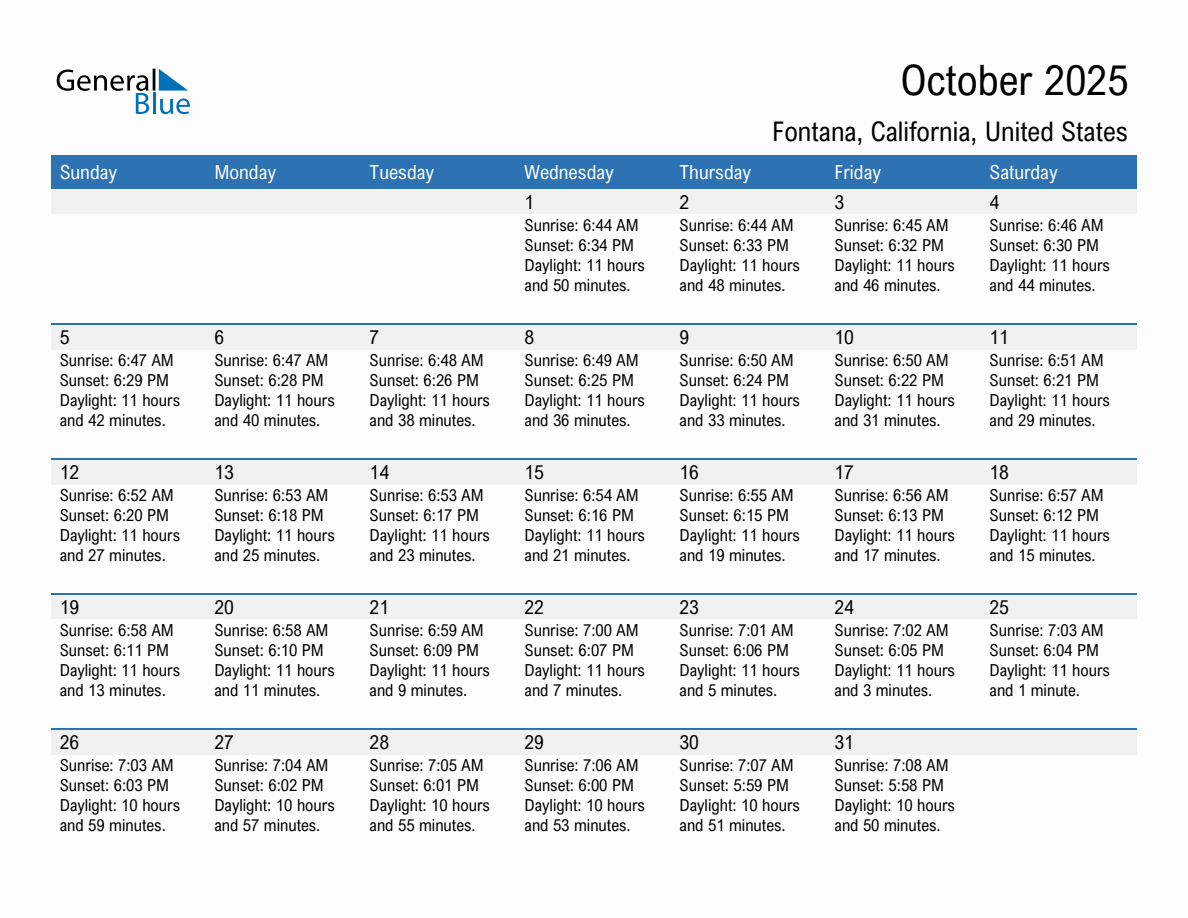
Fontana boasts several beautiful parks and recreational areas, such as the aforementioned Jurupa Hills Regional Park or the Fontana Park. These spaces offer opportunities for hiking, picnicking, and outdoor sports. While many parks are accessible from dawn till dusk, understanding local sunrise and sunset times (which vary significantly between PST and PDT) is crucial for planning your visit. Early mornings in summer offer cooler temperatures for walks, while late afternoons in winter provide stunning sunsets but also signal the park’s closing. For facilities like community centers within parks, specific operating hours will apply. Utilizing the extra daylight hours afforded by PDT in spring and summer can allow for longer, more fulfilling outdoor adventures.
Dining, Entertainment, and Local Culture
Fontana’s culinary scene and entertainment venues also operate on the city’s clock. Many restaurants have peak dinner hours between 6 PM and 9 PM, while bars and live music venues often open later and close around midnight or 2 AM. Local community events, farmers’ markets, or cultural festivals will publish their schedules according to Pacific Time. To truly immerse yourself in the local culture, it’s essential to be aware of these rhythms. Arriving too early or too late can mean missing out on a vibrant local experience. For instance, a weekly farmers’ market might run from 9 AM to 1 PM on a Saturday; knowing this allows you to plan your morning accordingly and enjoy fresh local produce and artisan goods.
Beyond the Clock: The Daily Rhythm of Fontana
While the objective truth of the time zone is fixed, the actual experience of time in Fontana is shaped by its daily routines and community pulse. Understanding these broader rhythms contributes to a more authentic and less stressful travel experience.
Commutes and Rush Hours
As a significant Southern California city, Fontana experiences predictable rush hours. Mornings typically see increased traffic between 6 AM and 9 AM as residents commute to work, both locally and to neighboring cities like Riverside or Los Angeles. The evening rush hour generally spans from 3 PM to 6 PM. For travelers planning to navigate Fontana’s streets or use public transport, factoring in these peak times is critical. Scheduling travel between attractions or arriving at the airport outside these windows can save significant time and frustration. If your plans involve travel on Interstate 10 or the 210 Freeway, especially during these periods, allow for extra travel time.

Community Events and Seasonal Festivals
Fontana’s community calendar is punctuated by various events and festivals throughout the year, celebrating everything from local heritage to seasonal changes. These events are often scheduled for specific times of day, designed to maximize attendance and enjoyment. For example, a summer concert series might begin in the early evening to coincide with cooler temperatures and the sunset, while a holiday parade could be a daytime event. Checking the official city website or local tourism guides for scheduled events and their precise Pacific Time will ensure you don’t miss out on these unique opportunities to connect with the local community and experience the city’s vibrant spirit.
In conclusion, for anyone planning a visit to Fontana, California, a clear understanding of “what time it is” transcends simple clock-watching. It is an integral component of a well-researched travel plan, enabling visitors to navigate the city efficiently, enjoy its attractions fully, and immerse themselves in its unique rhythm, whether under the bright sun of PDT or the crisp air of PST. By embracing the intricacies of the Pacific Time Zone, travelers can transform potential logistical hurdles into opportunities for a more enriched and unforgettable Fontana adventure.
LifeOutOfTheBox is a participant in the Amazon Services LLC Associates Program, an affiliate advertising program designed to provide a means for sites to earn advertising fees by advertising and linking to Amazon.com. Amazon, the Amazon logo, AmazonSupply, and the AmazonSupply logo are trademarks of Amazon.com, Inc. or its affiliates. As an Amazon Associate we earn affiliate commissions from qualifying purchases.