
Experiencing a celestial event like a solar eclipse in the Golden State offers a unique blend of natural wonder and vibrant local culture. For both residents and visitors, timing is everything when planning to witness the sun’s temporary obscuration. While California rarely lies directly in the path of totality for a solar eclipse, it frequently offers spectacular partial views, making it a compelling destination for astronomy enthusiasts and casual observers alike. Understanding the specifics of when and how to view an eclipse here is crucial for a memorable tourism experience.
The Celestial Spectacle: Understanding California’s Eclipse Experience
Eclipses, particularly solar eclipses, are among nature’s most dramatic displays, occurring when the Moon passes between the Sun and Earth, casting a shadow on our planet. Depending on the alignment, this can result in a total, annular, or partial eclipse. California’s vast geographical span, from its bustling coastal cities to its serene deserts and towering mountains, means that while a total solar eclipse might be a once-in-a-lifetime event for a specific locale, partial eclipses are more common and still offer a captivating experience.
The draw of an eclipse from a tourism perspective extends beyond merely observing the sun. It becomes an opportunity to gather in public spaces, share a communal moment of awe, and engage with science in an accessible way. Many communities, science museums, and educational institutions across California often host special viewing events, turning the astronomical phenomenon into a vibrant local activity. These gatherings foster a sense of shared wonder and provide expert guidance on safe viewing, enhancing the overall tourist experience. For those traveling to California specifically for an eclipse, or for those already here, these events transform a solitary observation into a festive occasion.
Pinpointing the California Eclipse Schedule
The exact timing of an eclipse in California is highly dependent on two critical factors: the specific date of the event and your precise geographical location within the state. Because the Moon’s shadow travels swiftly across the Earth’s surface, even small differences in longitude and latitude can significantly alter the start, peak, and end times, as well as the percentage of solar obscuration.
The Latest Event: Date and General Timelines
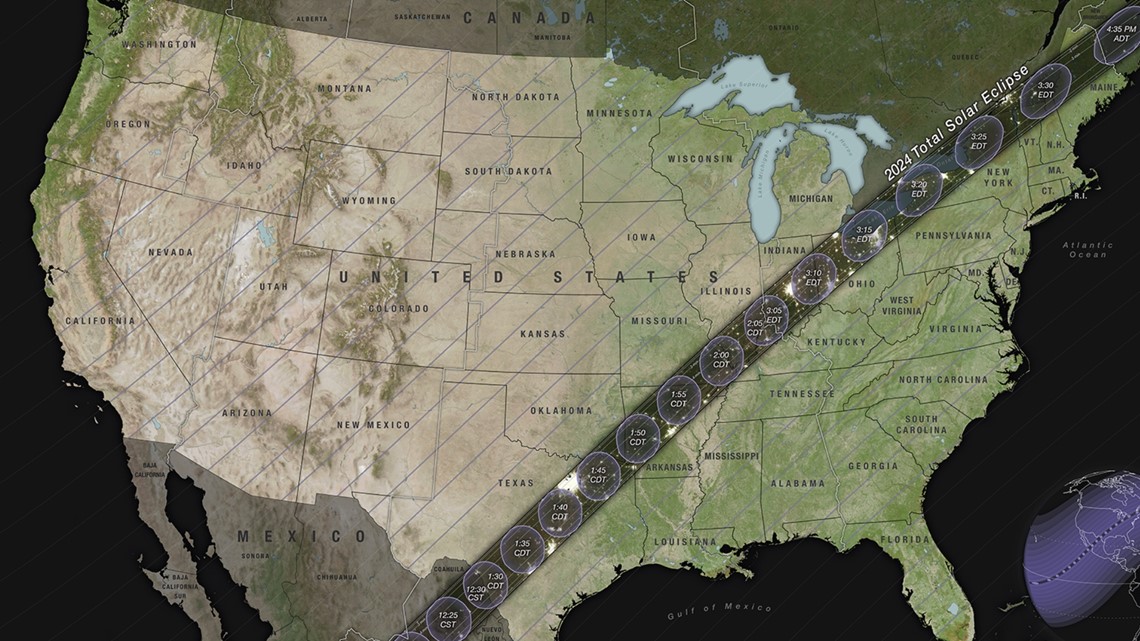
For recent memory, the annular solar eclipse of October 14, 2023, and the total solar eclipse of April 8, 2024, offered significant partial viewing opportunities across California. For the April 8, 2024, event, though the path of totality stretched across states like Texas, Arkansas, and Maine, California still experienced a noticeable partial eclipse.
To illustrate the variation across the state, consider a hypothetical future partial solar eclipse over California. The timings for major cities would typically vary:
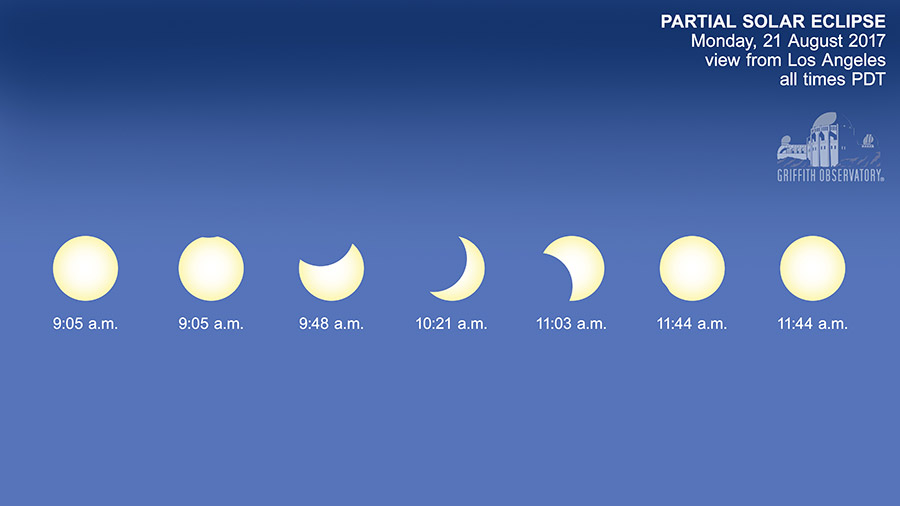
- Los Angeles: Partial eclipse might begin around 10:00 AM PDT, reaching its maximum obscuration (e.g., 45-50%) around 11:15 AM PDT, and concluding by 12:30 PM PDT.
- San Francisco: Start time slightly later, perhaps 10:05 AM PDT, with maximum obscuration (e.g., 35-40%) around 11:18 AM PDT, ending by 12:35 PM PDT.
- San Diego: Similar to Los Angeles, with a potential start around 10:02 AM PDT, maximum obscuration (e.g., 50-55%) at 11:13 AM PDT, and end around 12:30 PM PDT.
- Sacramento: Often aligning more with northern California cities, a start around 10:03 AM PDT, maximum (e.g., 38-43%) at 11:17 AM PDT, and end by 12:34 PM PDT.
- San Jose: Similar to San Francisco, with a start around 10:06 AM PDT, maximum (e.g., 36-41%) at 11:19 AM PDT, ending by 12:36 PM PDT.
It’s critical to note that these are illustrative examples. The percentage of obscuration is also a significant factor, determining how much of the sun will be covered. For California, during partial eclipses, this percentage can range from a modest 20% to over 50%, with southern parts of the state generally experiencing higher obscuration than northern regions, depending on the eclipse path.
Tools for Precise Timing
For the most accurate and up-to-date information, especially as an eclipse date approaches, tourists and locals should consult reputable astronomical resources. Websites like NASA’s eclipse pages, timeanddate.com, and the American Astronomical Society (AAS) provide interactive maps and precise timing details for virtually any location on Earth. Local observatories and science museums, such as the Griffith Observatory in Los Angeles or the California Academy of Sciences in San Francisco, are also invaluable sources, often releasing specific event details and viewing guides for their respective regions. Planning ahead with these tools ensures you don’t miss a moment of the spectacle.
Optimizing Your Eclipse Viewing in California
Beyond knowing when the eclipse occurs, a successful viewing experience in California hinges on safety, choosing the right location, and being prepared. As a tourism activity, eclipse viewing combines elements of outdoor recreation with scientific observation, making preparation key.
Essential Safety Measures
The paramount concern when viewing any solar eclipse is eye safety. Looking directly at the sun, even a partially eclipsed sun, without proper protection can cause permanent eye damage.
- Certified Eclipse Glasses: The most accessible and crucial item is a pair of ISO 12312-2 international safety standard certified eclipse glasses. These are specifically designed to filter out harmful ultraviolet, infrared, and intense visible light. Ensure they are purchased from reputable vendors, as counterfeits can be dangerous.
- Pinhole Projectors: For a DIY, indirect viewing method, a simple pinhole projector allows you to safely project an image of the eclipsed sun onto a surface. This is a fun and safe activity, especially for families.
- Filtered Optics: If using telescopes, binoculars, or cameras, they must be fitted with approved solar filters over the front lenses. Never look through unfiltered optical devices, as they concentrate sunlight and intensify the danger.
- Never Use Unsafe Filters: Sunglasses, smoked glass, exposed film, or uncertified filters are inadequate and unsafe.
Best Locations for Viewing
California’s diverse geography offers numerous excellent spots for eclipse viewing, catering to different preferences.
- Urban Parks and Observatories: Major city parks provide expansive, open skies. Griffith Observatory in Los Angeles is a prime example, often hosting public viewing events with telescopes and experts. Similarly, Golden Gate Park in San Francisco or Balboa Park in San Diego offer clear lines of sight. These locations often benefit from community events and a lively atmosphere.
- Higher Elevations: For potentially clearer skies and reduced atmospheric haze, consider locations at higher altitudes. Observatories like Mount Wilson Observatory near Los Angeles or Mount Hamilton (home to Lick Observatory) near San Jose can offer enhanced views, though access may be limited or require reservations during special events.
- Desert Areas: California’s deserts, such as those near Joshua Tree National Park or Anza-Borrego Desert State Park, are renowned for their clear, dark skies, which can be advantageous even for partial eclipses, minimizing light pollution and providing a serene backdrop.
- Community Events: Check with local science museums, universities (like UCLA or UC Berkeley), public libraries, and astronomy clubs. They often organize free public viewing events with expert commentary and safe viewing equipment.
What to Bring for an Enhanced Experience
Preparation ensures comfort and maximizes enjoyment during the viewing period, which can last several hours.
- Multiple Eclipse Glasses: Always bring an extra pair, especially if traveling with others.
- Sun Protection: Even during a partial eclipse, the sun’s UV rays are potent. Sunscreen, wide-brimmed hats, and sunglasses (for general sun protection, not eclipse viewing) are essential.
- Hydration: Carry ample water, particularly if viewing in open, sunny areas or the desert.
- Comfort Items: Portable chairs or blankets can make a long wait much more comfortable.
- Snacks: Energy bars or light snacks are advisable.
- Photography Gear (with filters): If you plan to photograph the eclipse, ensure your camera has a proper solar filter. A tripod is also highly recommended for stability.
Beyond the Eclipse: Extending Your California Tourism Experience
An eclipse viewing can be the centerpiece of a broader California adventure. The state’s unparalleled diversity means there’s always something incredible nearby, allowing tourists to seamlessly blend celestial observation with cultural immersion, outdoor activities, and culinary exploration.
Cultural and Natural Attractions Near Viewing Spots
Positioning yourself for an eclipse offers an excellent opportunity to explore nearby world-class attractions.
- Los Angeles Area: If you view the eclipse from Griffith Observatory, you’re minutes away from Hollywood Boulevard, the Hollywood Walk of Fame, and the vibrant entertainment scene. A short drive connects you to the beaches of Santa Monica and the iconic Santa Monica Pier, or the art and architecture of the Getty Center.
- San Francisco Bay Area: After witnessing the eclipse from Golden Gate Park, delve into the city’s unique charm. Explore Alcatraz Island, savor seafood at Fisherman’s Wharf, or marvel at the Golden Gate Bridge. The California Academy of Sciences offers further scientific exploration.
- San Diego & Southern California: If Balboa Park is your viewing spot, you’re steps away from the world-famous San Diego Zoo and a host of museums. The historic Gaslamp Quarter provides excellent dining and nightlife, while the city’s beautiful beaches offer relaxation.
For those venturing into California’s desert landscapes for optimal viewing conditions, consider extending your trip to explore Death Valley National Park or Joshua Tree National Park, both offering stunning natural beauty and exceptional stargazing opportunities.
Local Gastronomy and Events
California’s culinary scene is a destination in itself. From the farm-to-table movement in Napa Valley and Sonoma to the diverse ethnic cuisines of Los Angeles and San Francisco, there’s a taste for every palate. Consider visiting local farmers’ markets for fresh produce, or explore districts known for their innovative eateries. Many cities also host festivals, concerts, and cultural events that might coincide with an eclipse date, providing additional layers to your visit. Check local tourism boards for event calendars in the cities you plan to visit.

Planning Your Trip Around the Stars
For a truly immersive astronomical tourism experience, consider combining your eclipse viewing with dedicated stargazing. California boasts several designated dark sky parks and preserves, such as Anza-Borrego Desert State Park or parts of Death Valley National Park. These locations offer unparalleled views of the Milky Way and other celestial objects, providing a stark contrast to the daytime eclipse. Many observatories, including Lick Observatory and Palomar Observatory, also host public viewing nights, deepening the connection to the cosmos.
An eclipse in California is more than just a fleeting moment in the sky; it’s an invitation to explore the state’s natural beauty, engage with its scientific community, and partake in its vibrant cultural tapestry. By planning ahead, observing safety protocols, and embracing the wider tourism opportunities, your eclipse experience in California can be truly unforgettable.
LifeOutOfTheBox is a participant in the Amazon Services LLC Associates Program, an affiliate advertising program designed to provide a means for sites to earn advertising fees by advertising and linking to Amazon.com. Amazon, the Amazon logo, AmazonSupply, and the AmazonSupply logo are trademarks of Amazon.com, Inc. or its affiliates. As an Amazon Associate we earn affiliate commissions from qualifying purchases.