
Understanding the precise time in California is more than a trivial detail; it’s a foundational element for any traveler planning an itinerary, coordinating with colleagues, or simply enjoying the Golden State to its fullest. As a vast and diverse destination, California’s uniform time zone simplifies internal travel but requires careful consideration for those arriving from different parts of the world or the United States. This guide delves into the specifics of California’s time, offering essential insights for a seamless travel experience.
Navigating California’s Time Zone: PST and PDT Explained
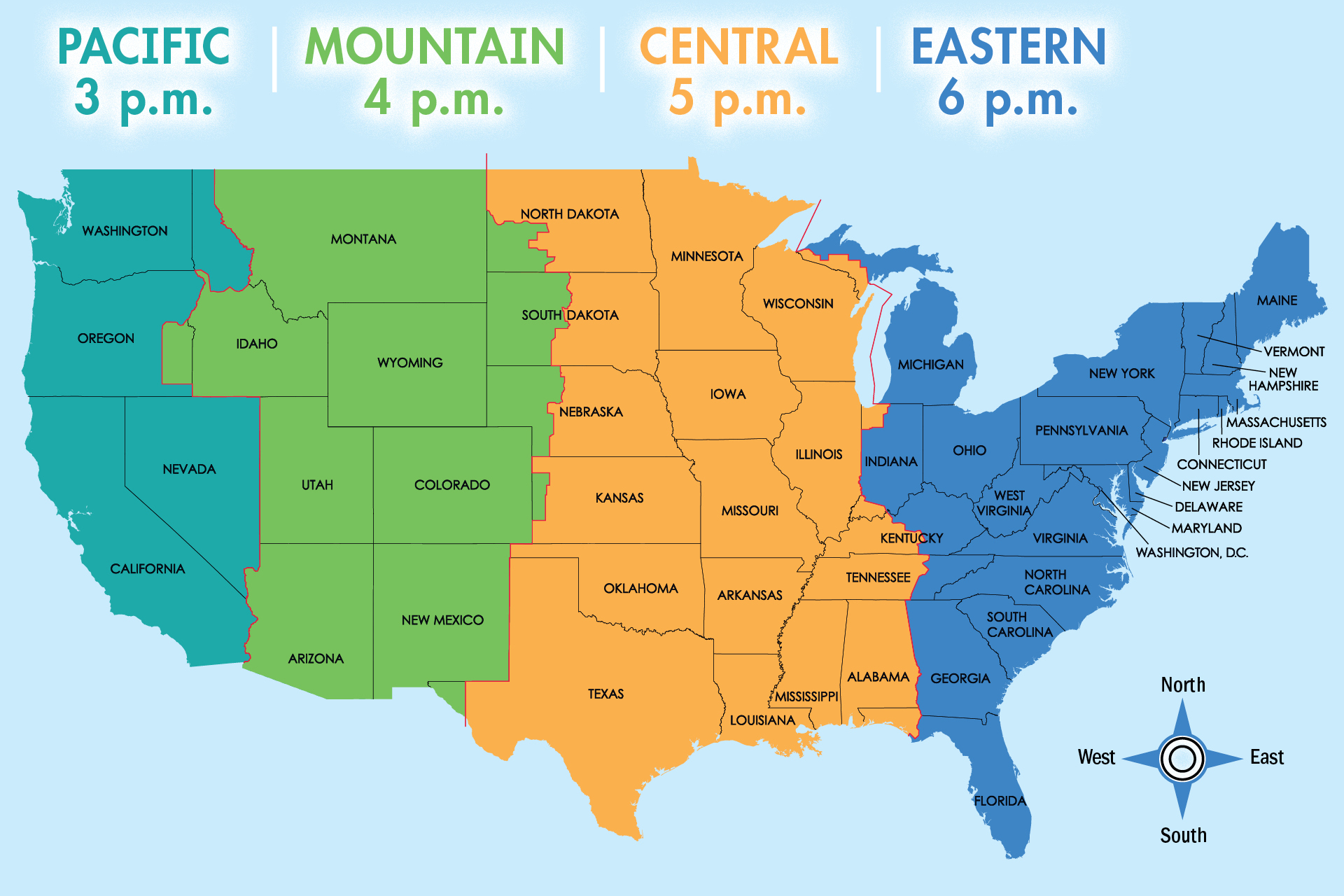
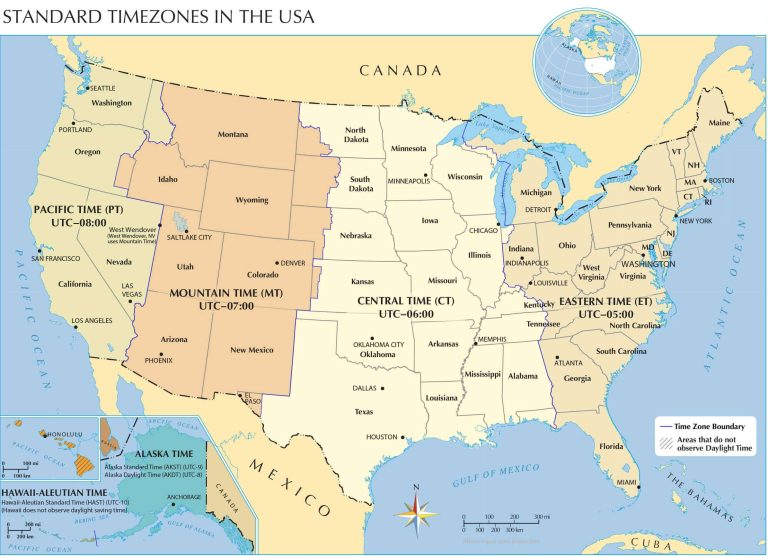
California consistently observes a single time zone across its entire expanse, a convenience for travelers exploring from San Diego in the south to the redwood forests in the north. This uniformity is based on the Pacific Time Zone, which shifts between Pacific Standard Time (PST) and Pacific Daylight Time (PDT) throughout the year.
The Rhythms of Pacific Standard Time (PST)
Pacific Standard Time (PST) is observed during the fall and winter months. It is 8 hours behind Coordinated Universal Time (UTC-8). This means that when it is noon UTC, it is 4 AM in California. For travelers arriving from eastern time zones, this represents a significant shift. From New York City (Eastern Time, UTC-5), California is three hours behind. This difference is critical for scheduling conference calls, flight connections, or simply letting family know you’ve arrived safely. During PST, sunrise and sunset occur earlier in the day compared to PDT, influencing outdoor activity planning for those seeking early morning hikes or sunset views over the Pacific Ocean.
Embracing Pacific Daylight Time (PDT)
As spring arrives, California transitions to Pacific Daylight Time (PDT), moving clocks forward by one hour. This typically occurs on the second Sunday in March and reverts on the first Sunday in November. PDT is 7 hours behind Coordinated Universal Time (UTC-7). The primary benefit of PDT for travelers is the extended daylight hours in the evening, making it ideal for sightseeing, enjoying outdoor dining, or exploring California’s famed beaches well into the night. This shift can be a minor adjustment, but forgetting it can lead to missed appointments or delayed departures. Travelers planning trips that span the daylight saving time changeover should double-check all reservations and travel documents to ensure they account for the shift.
Optimizing Your California Travel Experience with Time Zone Awareness
The implications of California’s time zone extend beyond simply knowing the current hour. They touch upon every aspect of a travel itinerary, from managing jet lag to coordinating activities across vast geographical distances.
Mitigating Jet Lag: Strategies for Seamless Arrival
For travelers arriving from distant time zones, particularly those from the East Coast or international destinations, jet lag can significantly impact the initial days of a trip. The key is proactive management. Gradually adjusting your sleep schedule a few days before departure can help. Upon arrival in California, immediately adopt the local time, even if it means pushing through initial fatigue. Exposure to natural light during California’s daytime helps reset your circadian rhythm. Staying hydrated and avoiding excessive caffeine or alcohol can also alleviate symptoms. Consider scheduling less demanding activities for your first day, allowing your body to acclimate before diving into rigorous sightseeing in places like Disneyland or exploring the sprawling cityscape of Los Angeles.
Scheduling Flights and Activities Across Time Zones
When booking flights to California, pay close attention to arrival times listed in local California time. A flight departing New York at 9 AM Eastern Time will land in Los Angeles (assuming a direct flight of approximately 5-6 hours) around 12-1 PM PST/PDT, not 2-3 PM as one might initially assume without considering the time difference. This “gain” in time on westbound flights can be a pleasant surprise, allowing for more afternoon activities upon arrival. Conversely, eastbound flights will “lose” time, making early morning departures from California feel even earlier.
Similarly, when booking tours, restaurant reservations, or show tickets, always confirm the time in California local time. Many online booking systems automatically adjust, but it’s prudent to double-check, especially if you’re booking from a different time zone. For instance, a sunset cruise departing San Francisco at 7 PM PDT might feel late if you’re still mentally operating on East Coast time, but it’s perfectly timed for golden hour views of the Golden Gate Bridge.
Communication Across the Continent and Globe
Maintaining communication with friends, family, or business contacts in other time zones requires a strategic approach. For those on the East Coast, remember the three-hour difference. A call at 9 AM California time is already noon in New York. For international travelers, the differences are even more pronounced. Using a world clock app on your smartphone or computer is invaluable for quickly converting times. When scheduling video calls or important check-ins, always state the time zone (e.g., “Let’s chat at 10 AM PST”) to avoid confusion. This is particularly relevant for business travelers attending virtual meetings or coordinating with international teams while staying in California hotels like the Grand Hyatt San Francisco or The Beverly Hilton.
Time and Topography: Regional Considerations Within California
While all of California observes the same time zone, the sheer geographic diversity means that the experience of time, particularly in relation to natural light and daily rhythms, can vary significantly depending on your specific destination.
Urban Rhythms in Los Angeles and San Francisco
In bustling urban centers like Los Angeles and San Francisco, daily life starts early and often continues late into the evening. The local time dictates everything from rush hour traffic on the 101 Freeway to the curtain times of Broadway shows. Understanding the local time allows travelers to plan efficient commutes using BART in San Francisco or navigate the complex network of freeways in Los Angeles. Early risers can beat the crowds at popular attractions such as the Hollywood Walk of Fame or Alcatraz Island, while those who prefer a slower pace can enjoy late breakfasts and evening strolls through neighborhoods like Santa Monica or Fisherman’s Wharf.
Mountainous Escapes and Desert Adventures
Venturing into California’s interior, such as the majestic Sierra Nevada mountains or the stark beauty of Death Valley National Park, presents different time-related considerations. In high-altitude areas like Yosemite National Park or around Lake Tahoe, natural light plays a huge role. Hikers and outdoor enthusiasts often start their activities early to take advantage of cooler temperatures and longer daylight hours, especially during PDT. Conversely, in desert regions like Joshua Tree National Park, early mornings and late evenings are preferred for exploration to avoid the intense midday heat. While the clock remains the same, the practical application of local time changes with the environment.
Coastal Retreats and Wine Country Delights
Along the scenic California coast, from Big Sur to Santa Barbara, the rhythm of the day is often dictated by the sun and tides. Travelers might plan their beach visits around low tide, or enjoy sunset views from a cliffside restaurant. In wine regions like Napa Valley or Sonoma County, tasting room hours are strictly observed, often closing in the late afternoon. Knowing the exact local time ensures you don’t miss out on that coveted wine tasting appointment or a picturesque sunset over the vineyards.
Essential Tips for Staying on California Time
To ensure your California adventure stays perfectly on schedule, incorporate a few simple habits into your travel routine.
Automate Your Devices
Modern smartphones, smartwatches, and laptops typically update their time zones automatically when connected to a network, but it’s always wise to verify. Before you land, ensure your device’s automatic time zone setting is enabled. This simple step prevents confusion and ensures all your alarms, calendar entries, and notifications are synchronized with California local time.
Confirm All Bookings in Local Time
Before leaving home and again upon arrival, quickly review all your travel bookings—flights, rental cars, hotel check-ins, tour departures, and restaurant reservations. Confirm that all times are expressed in PST or PDT to avoid any misunderstandings. When speaking with tour operators or concierge services, explicitly ask for times in “California time” if there’s any ambiguity.
Embrace the California Pace
Beyond the technicalities of time zones, understanding the local rhythm of California can enhance your travel experience. While major cities operate at a bustling pace, many parts of the state, especially coastal towns and rural areas, embrace a more relaxed tempo. Factor this into your planning, allowing for flexibility and spontaneous discoveries. Whether you’re marveling at the ancient redwoods or enjoying a leisurely meal in Carmel-by-the-Sea, being in sync with California’s time ensures you capture every moment.
LifeOutOfTheBox is a participant in the Amazon Services LLC Associates Program, an affiliate advertising program designed to provide a means for sites to earn advertising fees by advertising and linking to Amazon.com. Amazon, the Amazon logo, AmazonSupply, and the AmazonSupply logo are trademarks of Amazon.com, Inc. or its affiliates. As an Amazon Associate we earn affiliate commissions from qualifying purchases.