
California, a land celebrated for its diverse natural beauty, from the sun-drenched beaches of Southern California to the towering redwoods of the north, faces an escalating challenge: the increasing frequency and intensity of wildfires. These events are not merely isolated incidents but complex phenomena driven by an intricate interplay of natural environmental factors, human activities, and a rapidly changing global climate. Understanding the root causes of California’s wildfires is crucial for comprehending the profound impact on its iconic landscapes, unique ecosystems, and the communities nestled within them. As a significant natural landmark, the state’s very character is being redefined by this fiery dynamic, prompting a deeper exploration into the forces at play.
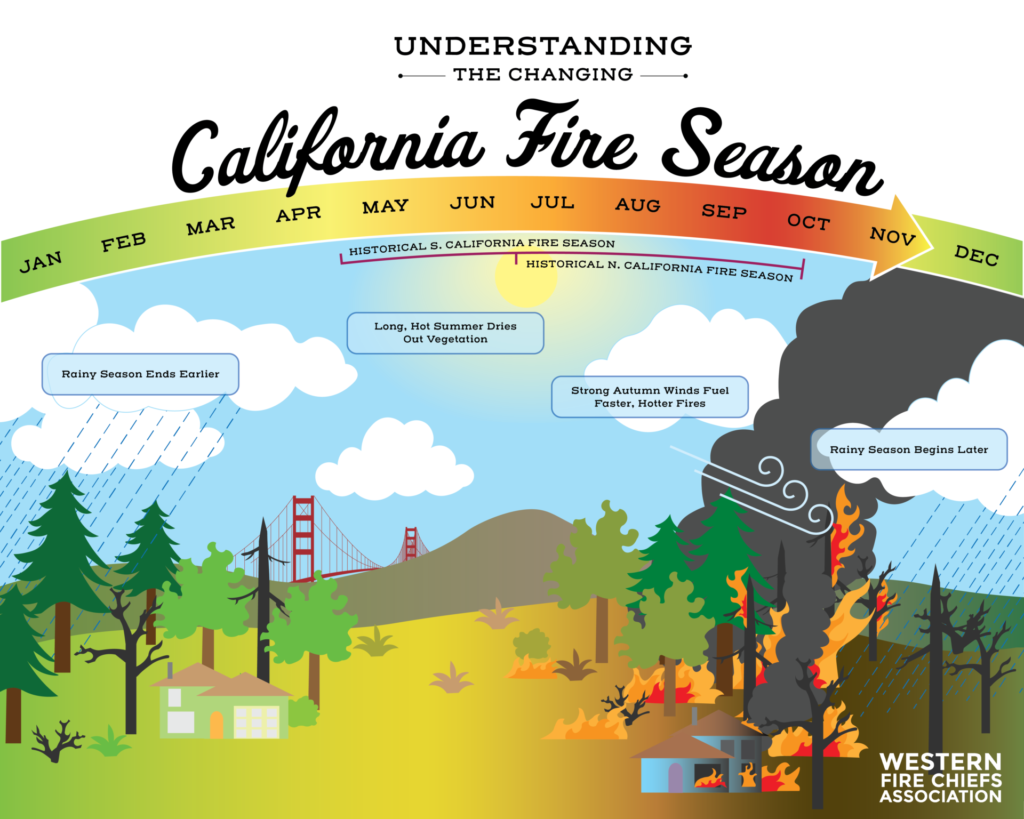
The Evolving Landscape: A History of Fire in California
Fire is, and always has been, a natural component of California’s ecosystems. For millennia, the landscape has adapted to and even thrived on periodic burns. However, the nature of these fires has shifted dramatically, moving from beneficial, low-intensity events to catastrophic megafires. This historical context is vital for understanding the current crisis.
Natural Ignition Sources
Historically, the primary natural igniter of wildfires in California has been lightning. During the dry summer and fall months, convective thunderstorms, often “dry thunderstorms” that produce lightning but little rain, strike parched vegetation, sparking fires. These natural ignitions were historically crucial for clearing underbrush, promoting the growth of fire-adapted plant species, and maintaining the health of forests and chaparral ecosystems. Indigenous communities also historically employed controlled burns as a land management tool, mimicking natural fire cycles to promote biodiversity and reduce fuel loads. This millennia-old practice, suppressed for much of the 20th century, highlights a deeper understanding of fire’s ecological role.
The Role of Climate and Topography
California’s unique Mediterranean climate, characterized by hot, dry summers and mild, wet winters, creates ideal conditions for fire. The long dry season naturally desiccates vegetation, turning it into readily available fuel. This is exacerbated by the state’s diverse and rugged topography. Steep canyons and mountain ranges, such as the Sierra Nevada and the coastal ranges, act as natural chimneys, funneling winds and accelerating fire spread. The notorious Santa Ana winds in Southern California and similar Diablo winds in the north are warm, dry gusts that emerge from inland deserts, pushing fires rapidly downhill and through valleys, often with devastating speed and intensity. This combination of dry fuels, strong winds, and challenging terrain creates a volatile landscape particularly susceptible to rapid fire growth.
Human Footprint: Ignitions and Land Management
While nature provides the conditions, human activity accounts for the vast majority of fire ignitions in California. Furthermore, past and present land management practices have inadvertently contributed to the severity of these events.
Accidental Starts
A staggering percentage of California wildfires, often over 85-90%, are caused by human actions. These include faulty power lines and electrical equipment, which have been responsible for some of the state’s largest and most destructive fires. Vehicle malfunctions, sparks from outdoor equipment, discarded cigarettes, campfires left unattended, arson, and even fireworks all contribute to the ignition count. The growing population and expansion into wildland areas mean more people are living, working, and recreating in fire-prone landscapes, inevitably increasing the chances of accidental ignitions. The concentration of human activity in areas previously untouched by regular fire has profoundly altered the natural fire regime.
Urban-Wildland Interface Challenges
The “urban-wildland interface” (WUI) is the zone where homes and businesses meet or intermingle with undeveloped wildland vegetation. This interface is rapidly expanding across California as communities grow, placing more people and structures directly in harm’s way. Building homes amidst highly flammable vegetation, often without adequate defensible space or fire-resistant construction materials, creates a volatile mosaic. When fires reach these areas, they become particularly destructive, as flames jump from wildland fuels to structures and vice versa, creating dangerous and unpredictable fire behavior that threatens lives and property, and taxes firefighting resources. The push for development in scenic, forested, or chaparral-covered areas directly increases the risk and impact of wildfires.
Forest Management Practices
A century of aggressive fire suppression policies, largely initiated in the early 20th century, has significantly altered California’s forests. By preventing small, frequent fires, these policies allowed for an unnatural accumulation of dense undergrowth, dead trees, and other “fuel loads” on the forest floor. Instead of periodic, low-intensity fires that cleared out excess vegetation, the landscape became a tinderbox, primed for explosive, high-intensity blazes when a fire eventually started. Additionally, historical logging practices, which often removed large, fire-resistant trees and left behind smaller, more flammable ones, contributed to forest degradation and increased vulnerability. Modern forestry is now attempting to reverse these trends through fuel reduction treatments like prescribed burns and mechanical thinning, but the scale of the problem is immense.

Climate Change: The Accelerating Factor
While natural conditions and human ignitions provide the context, global climate change is undeniably amplifying the frequency and intensity of California wildfires, transforming a persistent challenge into an existential crisis.
Prolonged Droughts and Heatwaves
Climate change is driving more extreme weather patterns. California has experienced increasingly prolonged and severe droughts, which dry out vegetation more completely and for longer periods. Record-breaking heatwaves further exacerbate this desiccation, turning forests and chaparral into exceptionally flammable fuel. Warmer temperatures also extend the fire season, meaning the period of highest risk now stretches longer into the fall and even winter months, pushing the limits of firefighting resources and endurance. The cumulative effect of these drier, hotter conditions means that once a fire starts, it spreads faster, burns hotter, and is far more difficult to contain.
Shifting Vegetation Patterns
Rising temperatures and altered precipitation patterns are causing shifts in California’s vegetation. Some fire-adapted species are struggling to recover, while invasive, highly flammable grasses are proliferating. Pinyon-juniper woodlands are expanding into drier areas, altering fuel characteristics. Tree mortality events, particularly bark beetle outbreaks exacerbated by drought and heat stress, have killed millions of trees, especially in the Sierra Nevada range. These dead trees stand as colossal fuel sources, making subsequent fires exceptionally destructive and ecologically damaging. The very composition of the state’s natural landmarks is undergoing transformation due to these climate-induced changes.
Increased Wind Events
While Santa Ana and Diablo winds are natural phenomena, there is growing evidence that climate change may be influencing their frequency, intensity, or duration. More significantly, extreme heat and dry conditions create a more volatile atmosphere, leading to more erratic and powerful wind events during fire season. These strong, dry winds are the primary driver of rapid fire spread, making containment incredibly challenging and often pushing fires into densely populated areas, such as those surrounding Los Angeles or the San Francisco Bay Area. The destructive force of these wind-driven fires is a hallmark of California’s modern fire regime.
The Future of Fire: Mitigation and Adaptation
Addressing California’s wildfire crisis requires a multi-faceted approach that integrates scientific understanding with practical implementation. It’s a continuous effort to adapt to a new normal while striving to mitigate the most severe impacts on the state’s natural landmarks and human communities.
Community Preparedness
Empowering communities to live safely with fire is paramount. This includes promoting “defensible space” around homes, using fire-resistant building materials, and creating clear evacuation plans. Public education campaigns are crucial for raising awareness about ignition prevention, especially during periods of high fire danger. Programs like “Firewise USA” encourage neighborhoods to work together to reduce wildfire risks, fostering resilience at the local level. The emphasis is shifting from solely fire suppression to living smarter within fire-prone landscapes.
Ecological Restoration
Restoring the ecological health of California’s forests and wildlands is a long-term strategy. This involves significantly increasing the pace and scale of fuel reduction treatments, including prescribed burning, mechanical thinning, and managed wildfire where appropriate. The goal is to return ecosystems to a more natural fire regime, where smaller, less intense fires can play their beneficial role without escalating into uncontrollable infernos. Reforestation efforts, focusing on diverse, fire-adapted species, are also critical for rebuilding resilient landscapes after major fires. This work is essential for preserving the natural heritage of landmarks like Yosemite National Park and other wilderness areas.

Policy and Innovation
Policymakers face the complex task of enacting regulations that support fire safety without stifling development. This includes updating building codes for WUI areas, improving utility infrastructure to prevent ignitions, and investing in new firefighting technologies, from aerial surveillance to advanced forecasting models. Furthermore, addressing climate change at its source through emissions reductions remains the most critical long-term strategy. California is at the forefront of climate action, understanding that local wildfire challenges are inextricably linked to global climate patterns. Innovative approaches, research into fire behavior, and collaborative efforts between state agencies, federal partners, and local communities will continue to shape the future of fire management in the state.
LifeOutOfTheBox is a participant in the Amazon Services LLC Associates Program, an affiliate advertising program designed to provide a means for sites to earn advertising fees by advertising and linking to Amazon.com. Amazon, the Amazon logo, AmazonSupply, and the AmazonSupply logo are trademarks of Amazon.com, Inc. or its affiliates. As an Amazon Associate we earn affiliate commissions from qualifying purchases.