
California, often celebrated as the Golden State, stretches from the bustling metropolises of Los Angeles and San Francisco to the serene deserts and majestic mountains. Whether you’re planning a dream vacation, a business trip, or considering a long-term stay, one of the most fundamental questions to address is: “What time is it in California?” The answer is simple yet profoundly impactful on every aspect of your visit or life here.
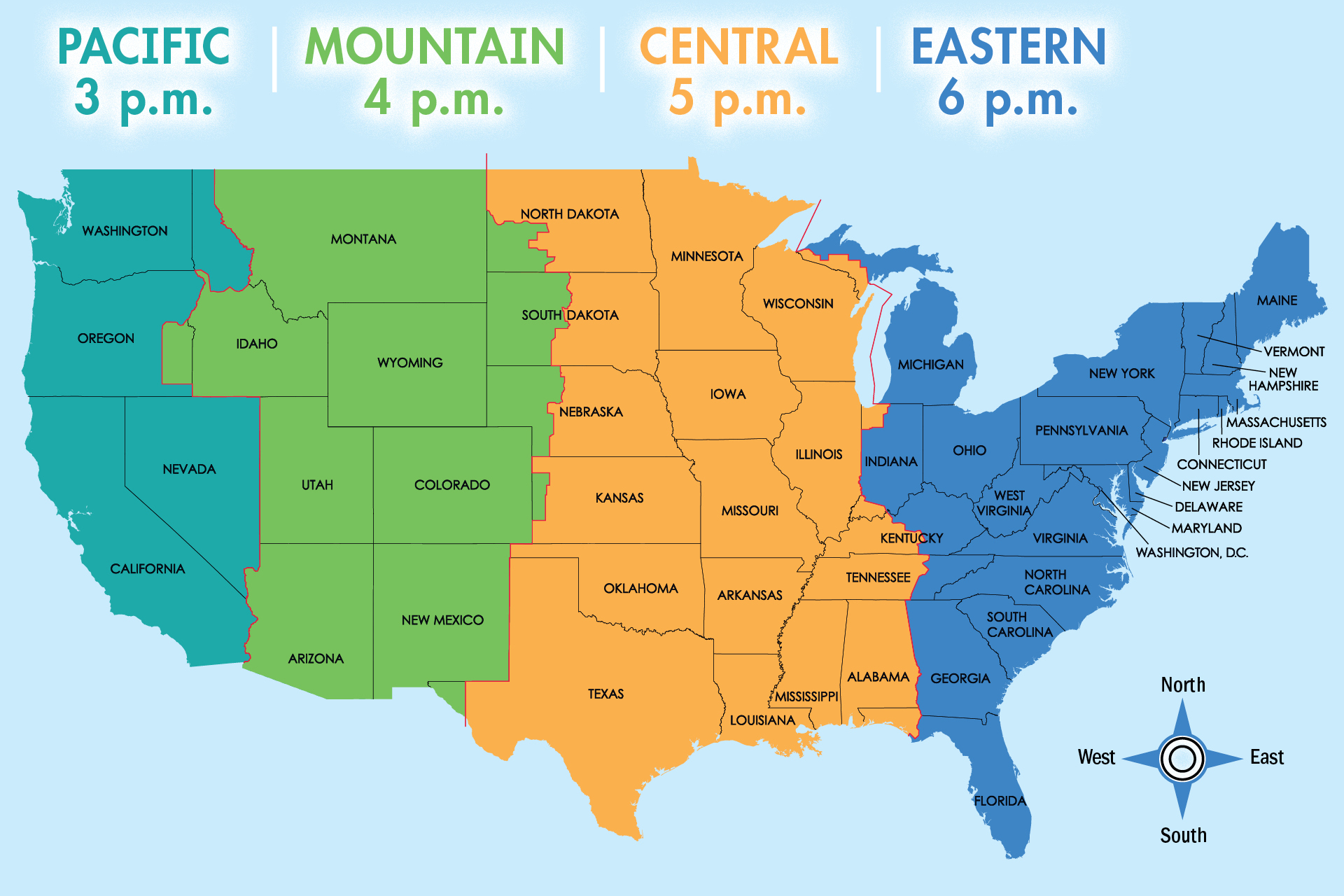
California observes the Pacific Time Zone, which means it follows Pacific Standard Time (PST) during the winter months and Pacific Daylight Time (PDT) during daylight saving. PST is eight hours behind Coordinated Universal Time (UTC-8), while PDT is seven hours behind Coordinated Universal Time (UTC-7). This shift occurs typically on the second Sunday in March when clocks “spring forward” an hour, and on the first Sunday in November when they “fall back.” Understanding this time difference is not merely a matter of curiosity; it’s a critical piece of information that dictates everything from flight schedules and hotel check-ins to sightseeing plans and international communication. For anyone engaging with California, be it a fleeting travel experience or a deep dive into its unique lifestyle, mastering the clock is the first step towards an optimized and enjoyable journey.
The Pacific Time Zone: Your Gateway to the Golden State
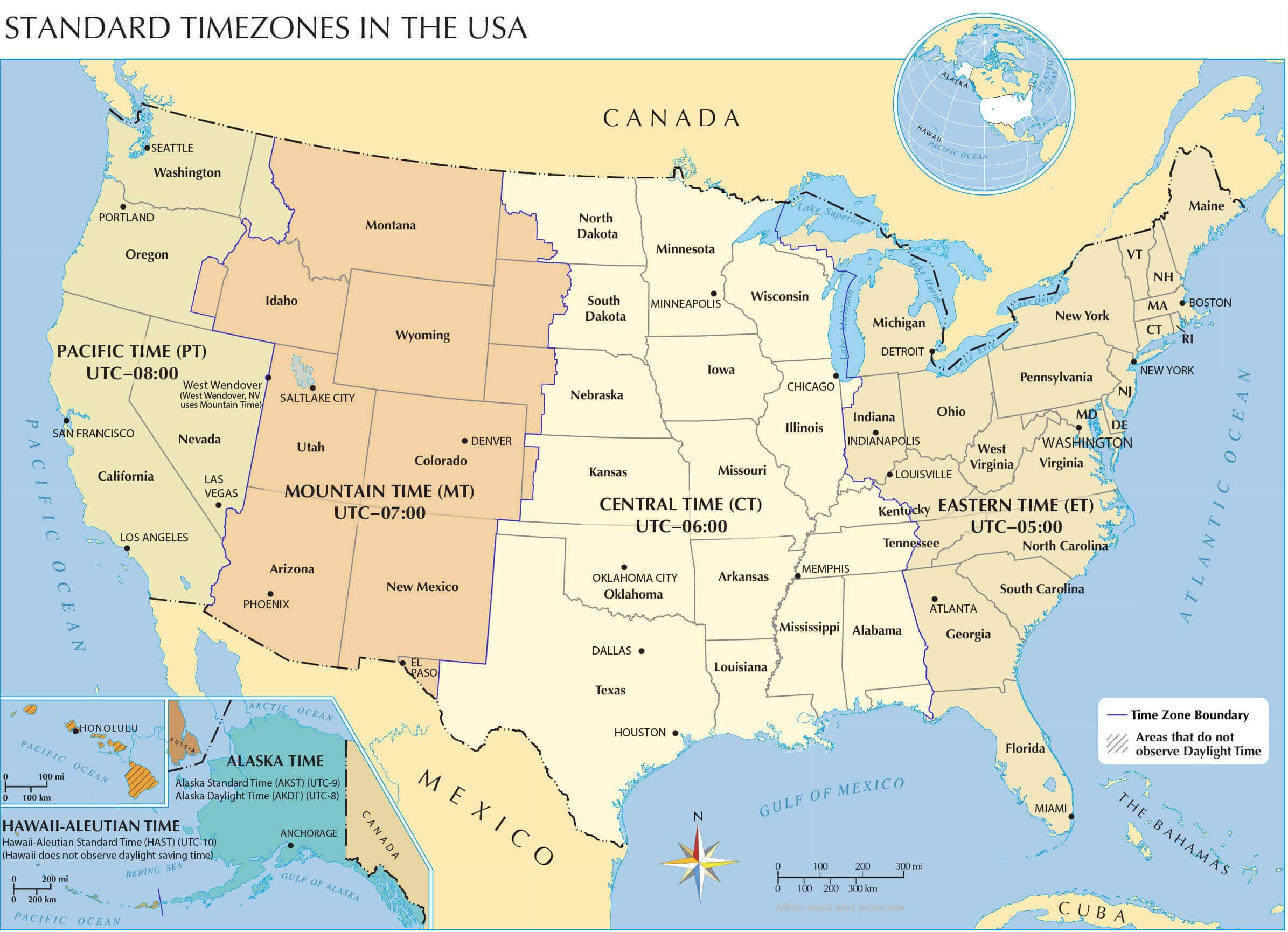
The Pacific Time Zone encompasses the entire state of California, along with most of Nevada, parts of Oregon and Washington, and even a portion of Idaho. For travelers arriving from the East Coast of the United States, this means a three-hour time difference, which can be a significant factor in adjusting to local rhythms. From Europe, the time difference can be as much as nine hours or more, necessitating careful planning to mitigate jet lag and make the most of your precious vacation days.
Consider a family traveling from New York to visit Disneyland Resort in Anaheim. An early morning flight departing JFK at 8:00 AM EST would land in Los Angeles (LAX) around 11:00 AM PST or PDT (factoring in a 6-hour flight time). While it feels like an early arrival, their internal clocks would be registering 2:00 PM. This three-hour shift is manageable but crucial for immediate plans, like heading straight to the theme park or checking into their hotel. Conversely, if they were to try and call relatives on the East Coast during their California evening, say 8:00 PM PST, their East Coast counterparts would already be asleep at 11:00 PM EST. This simple example highlights why time zone awareness is paramount for both domestic and international visitors.
Navigating California’s Vastness and Local Delights
California’s immense geographical diversity means that while the time zone remains consistent, the feel of time can vary dramatically. From the sunrise over the majestic peaks of Yosemite National Park to the sunset over the Pacific Ocean off the coast of Big Sur, the time of day paints vastly different experiences.
When planning your tourism itinerary, understanding the local clock is essential for maximizing your visit to iconic landmarks and attractions. For instance, aiming to catch the sunrise at Griffith Observatory in Los Angeles requires an early start, perhaps around 5:00 AM PST or PDT, to find parking and secure a good viewing spot before the crowds arrive. Similarly, experiencing the magical sunset views of the Golden Gate Bridge in San Francisco demands planning your journey to be there as the golden hour approaches, which might be anywhere from 5:00 PM to 8:00 PM depending on the season.
Theme parks like Disneyland Resort and Universal Studios Hollywood operate on strict schedules, with gates opening early in the morning and closing late at night. Arriving right at opening (rope drop) is a common strategy to beat the queues, meaning you need to be ready to go around 8:00 AM PST or PDT. Dining reservations, particularly at popular restaurants in Beverly Hills or Napa Valley, are often booked weeks in advance, and showing up even a few minutes late can result in losing your table. These are not merely logistical details; they are integral to the local culture and the seamless flow of tourist activities. Understanding the rhythm of California helps you immerse yourself fully, from enjoying an early morning hike in Runyon Canyon to a late-night show in Hollywood.
Mastering Accommodation Logistics Across Time Zones
When it comes to accommodation, the clock plays a central role. Standard hotel check-in times are typically in the afternoon, often around 3:00 PM or 4:00 PM PST or PDT, with check-out usually by 11:00 AM or 12:00 PM. If you’re arriving on an early morning flight from another time zone, you might find yourself with several hours to kill before you can access your room. Many hotels like the Four Seasons Hotels and Resorts or a Ritz-Carlton property, and even more budget-friendly options such as Hilton or Marriott establishments, offer baggage storage, allowing you to explore nearby attractions like Santa Monica Pier or Pier 39 unencumbered. However, for those craving immediate rest, inquiring about early check-in or booking an extra night in advance could be a wise investment, especially if you’re battling significant jet lag.
For those considering long-term stays, perhaps as digital nomads or remote workers leveraging California’s vibrant lifestyle, the time difference becomes a daily consideration. Collaborating with teams on the East Coast or internationally means adjusting your work schedule. An 9:00 AM EST meeting translates to 6:00 AM PST, requiring an early start. Conversely, working with teams in Asia or Europe might push your workday into the California evening. Choosing accommodation with excellent amenities, such as soundproofed rooms, robust Wi-Fi, and 24-hour business centers, becomes critical for maintaining productivity and well-being. Options range from luxury suites in San Diego like the Hotel del Coronado to furnished apartments in Sacramento, each offering a different facet of California living adapted to modern work demands.
Jet Lag and Lifestyle Adaptation
Perhaps the most personal impact of time zones on travel to California is jet lag. Crossing multiple time zones can disrupt your circadian rhythm, leading to fatigue, irritability, difficulty sleeping, and digestive issues. For an optimal California experience, managing jet lag is key.
Here are some tips to help you adapt to California’s time:
- Gradual Adjustment: A few days before your trip, try to shift your sleep schedule closer to California time.
- Hydration: Drink plenty of water before, during, and after your flight to combat dehydration, which exacerbates jet lag symptoms.
- Melatonin: Consider taking a small dose of melatonin to help reset your sleep cycle upon arrival.
- Sunlight Exposure: Once you arrive, spend time outdoors in natural light, especially in the morning. This helps signal to your body that it’s daytime in California. Head to a beach in Santa Monica or stroll through a park in Palm Springs.
- Avoid Naps: Resist the urge for long naps. If you must nap, keep it short (20-30 minutes) to avoid deeper sleep cycles that make it harder to sleep at night.
- Eat Local: Try to eat meals at California meal times, even if you’re not hungry. This helps synchronize your body’s internal clock. Enjoy fresh, local produce and the diverse culinary scene, from farm-to-table in Wine Country to authentic Mexican cuisine in San Diego.
For those embedding themselves in the California lifestyle, adapting to the local rhythm extends beyond just sleep. It influences social engagements, class schedules for students, and even peak traffic times on the freeways of Los Angeles. Embracing the pace, whether it’s the early morning surf culture of the coast or the bustling evening nightlife of its cities, is part of truly living the Golden State dream.
Making the Most of California – Beyond the Clock
While understanding “What time is it in California?” is foundational, the true magic of the state lies in how you utilize that time. California is a land of unparalleled diversity, offering everything from adrenaline-pumping adventures to tranquil retreats.
Imagine starting your day with a hike in Joshua Tree National Park as the sun paints the desert landscape, then transitioning to an afternoon wine tasting experience in Temecula Valley or Sonoma. Or perhaps you prefer a morning visiting Alcatraz Island in San Francisco, followed by an afternoon exploring the Getty Center in Los Angeles. These are geographically distant experiences, and while they occur within the same time zone, the internal clock of your journey, dictated by travel time and activity duration, becomes the primary planner.
For the adventurous, think about exploring Death Valley National Park’s extreme landscapes during the cooler morning hours or stargazing at Lake Tahoe under a canopy of pristine night sky. Each destination offers a unique sense of time and place.
Ultimately, “What time is it in California?” is more than a factual query; it’s an invitation to engage with the state on its own terms. By respecting its Pacific Time Zone, planning for time differences, and strategically scheduling your activities, you unlock the full potential of your travel, tourism, and lifestyle experiences. From securing the perfect accommodation to witnessing the most breathtaking landmarks at their prime, a mindful approach to the clock ensures that every moment in the Golden State is truly golden.
LifeOutOfTheBox is a participant in the Amazon Services LLC Associates Program, an affiliate advertising program designed to provide a means for sites to earn advertising fees by advertising and linking to Amazon.com. Amazon, the Amazon logo, AmazonSupply, and the AmazonSupply logo are trademarks of Amazon.com, Inc. or its affiliates. As an Amazon Associate we earn affiliate commissions from qualifying purchases.