
For travelers planning a memorable trip to the Golden State, understanding local nuances, especially temporal shifts, is key to an optimized experience. Daylight Saving Time (DST) in California is an annual consideration that affects everything from tour schedules to sunset views. Knowing when this change occurs and how to navigate it ensures that your California adventure remains seamless and enjoyable, without unexpected disruptions to your meticulously planned itinerary.
Understanding Daylight Saving Time in California for Tourists
Daylight Saving Time is a practice observed across much of the United States, including California, where clocks are adjusted forward by one hour in the spring and back by one hour in the fall. The end of DST, often referred to as “falling back,” is a significant event for both residents and visitors alike. It marks the transition from longer daylight evenings to earlier sunsets, ushering in the standard time for the winter months.
The Annual Time Shift: “Fall Back”
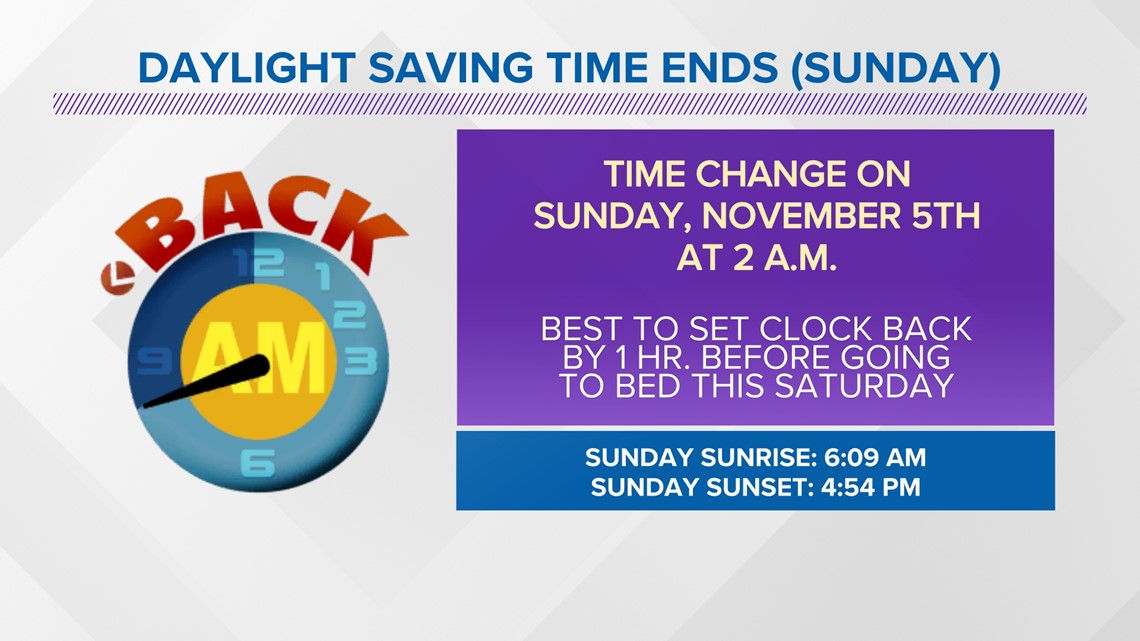
In California, Daylight Saving Time typically ends on the first Sunday in November at 2:00 AM local time. At this precise moment, clocks are set back one hour to 1:00 AM. This means that travelers gain an extra hour of sleep or an extra hour to enjoy their Saturday night activities before the time officially shifts. While the exact date changes annually, the pattern remains consistent, always occurring on the first Sunday of November. For example, if you’re planning a trip for late October or early November, this temporal adjustment will be a factor in your scheduling.
Why It Matters for Your Trip
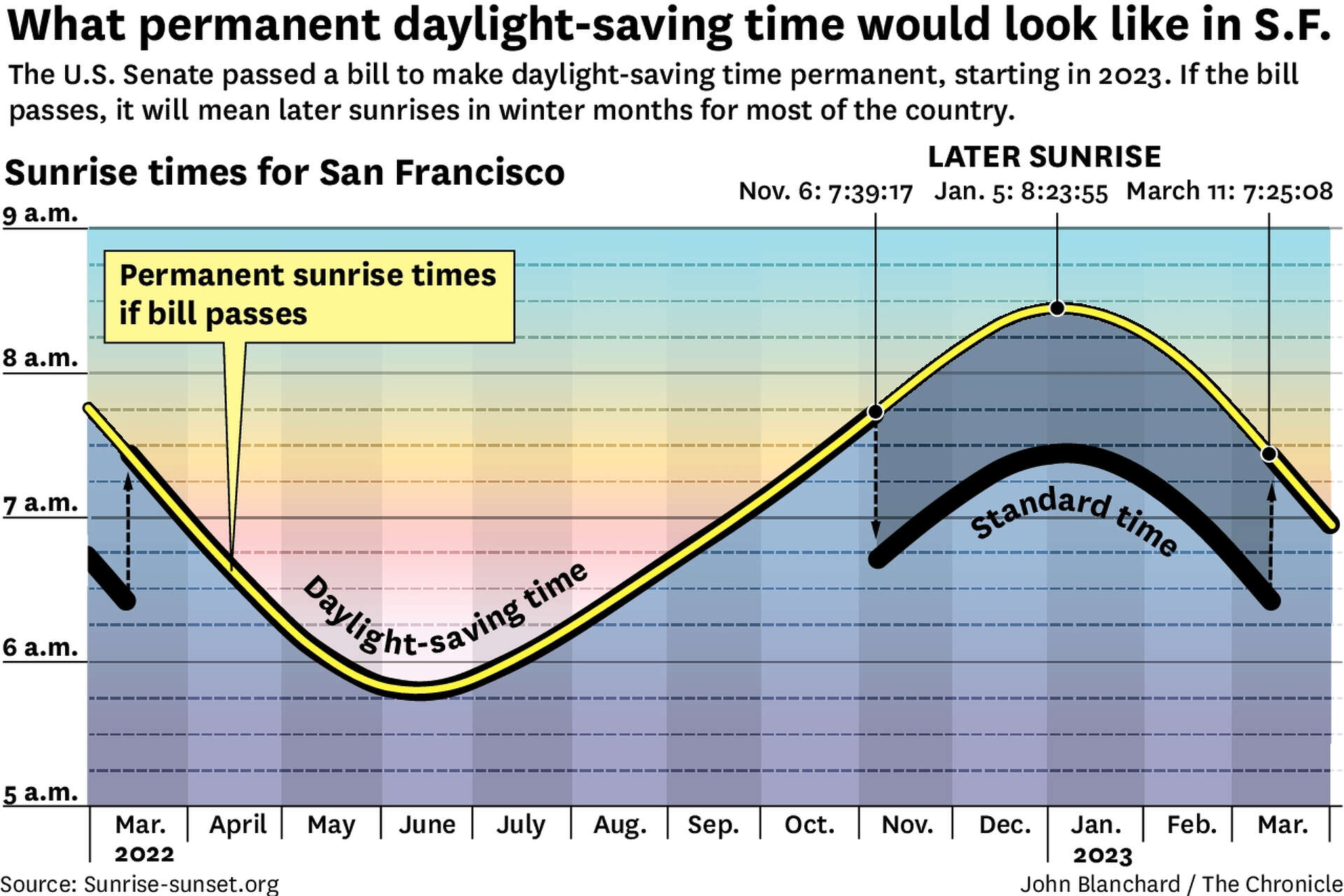
The end of DST has practical implications for tourists. Firstly, it changes the perception of daylight hours. While you gain an hour in the morning, the sun sets an hour earlier in the evening. For those visiting iconic coastal cities like San Diego, Los Angeles, or San Francisco, this means sunsets will occur earlier, impacting plans for beach visits, evening cruises, or sunset photography. Secondly, it can affect the operating hours of certain attractions, particularly those with seasonal schedules that adapt to natural light availability. Understanding this shift is crucial for managing your internal clock and making the most of your travel time.
Planning Your California Itinerary Around the Time Change
Successfully navigating the end of Daylight Saving Time requires a bit of foresight and flexibility. Tourists can leverage this change to their advantage, ensuring they experience all that California has to offer.
Adjusting to the New Schedule
The “fall back” weekend provides a unique opportunity to reset. If you’re arriving in California around this time, the extra hour can aid in alleviating jet lag, especially for those traveling from time zones further east. For those already in the state, it’s a chance to enjoy an extended sleep or to start your day earlier, taking advantage of the newfound morning light. Consider scheduling more relaxed activities on the Sunday of the time change, allowing your body and mind to gently adjust. This might mean a leisurely brunch in Beverly Hills or a stroll through Balboa Park in San Diego rather than a packed schedule of tours.
Maximizing Your Daylight Hours
With earlier sunsets, the strategy for maximizing daylight shifts. Prioritize outdoor activities, scenic drives, and attractions that are best enjoyed in natural light for the earlier part of the day. For instance, exploring the vast beauty of Yosemite National Park, hiking in the Santa Monica Mountains, or visiting the beaches of Malibu are best scheduled for the mornings and early afternoons. Reserve your evenings for indoor pursuits such as museums, art galleries, live performances, or indulging in California’s renowned culinary scene. Planning your days with this in mind will ensure you don’t miss out on breathtaking vistas or sunny outdoor adventures.
Impact on Tourist Activities and Attractions
The end of Daylight Saving Time influences various facets of the tourist experience, from amusement park visits to enjoying California’s natural wonders. Being aware of these impacts allows for better planning and reduces the likelihood of surprises.
Theme Parks and Attractions
World-famous theme parks like Disneyland Resort in Anaheim or Universal Studios Hollywood in Los Angeles may adjust their operating hours seasonally. While the time change itself doesn’t always trigger an immediate shift, it often coincides with the general move towards fall/winter operating schedules, which tend to have earlier closing times. It is imperative for tourists to check the official websites of any attractions they plan to visit for the most up-to-date hours of operation, especially on the day of and immediately following the time change. This ensures you make the most of your park tickets and avoid disappointment.
Dining and Entertainment
Dining experiences and evening entertainment are less affected by the change in daylight but can be indirectly impacted by tourist behavior. With earlier sunsets, many visitors might choose to dine earlier. Reservations, particularly at popular restaurants in cities like San Francisco or Napa Valley, might become more competitive for early evening slots. For those seeking live performances, concerts, or theatre, the official show times remain consistent regardless of daylight. However, if your pre-show plans involve outdoor elements, adjust them accordingly. Consider enjoying a sunset cocktail at a rooftop bar early in the evening before heading to a show, rather than expecting a long period of twilight.
Outdoor Activities and Natural Wonders
California’s diverse landscapes, from the beaches of San Clemente to the forests of Redwood National Park, are a major draw. The earlier sunsets mean that popular hiking trails, scenic overlooks, and coastal drives will become dark sooner. If you plan to embark on a long hike in areas like Joshua Tree National Park or explore the grandeur of Lake Tahoe, ensure you start early in the day to complete your activities safely before dusk. Always carry appropriate gear, including headlamps or flashlights, even if you anticipate returning before dark, as conditions can change rapidly. Photography enthusiasts will also need to adjust their “golden hour” and “blue hour” shooting times to capture California’s stunning natural beauty.
Practical Tips for Travelers
Equipping yourself with a few practical tips can make the end of Daylight Saving Time a non-issue during your California vacation.
Check Operating Hours Diligently
This is perhaps the most crucial tip. Always double-check the operating hours of museums, attractions, restaurants, and other establishments, especially around the first Sunday in November. Many businesses, particularly smaller ones or those in less urban areas, might adjust their schedules. Reputable sources include official websites, Google Maps, or a quick phone call. This proactive step prevents arriving at a closed venue or missing out on a planned experience.
Adjust Your Internal Clock
While the “fall back” technically gives you an extra hour of sleep, some individuals still experience a minor disruption to their circadian rhythm. If you’re sensitive to time changes, gradually shifting your sleep schedule by 15-30 minutes for a few days before the change can help. For families traveling with young children, maintaining a consistent routine as much as possible, perhaps by easing into the new schedule over a couple of days, can prevent overtiredness and ensure everyone enjoys the trip.
Stay Informed and Prepared
Keep your electronic devices, such as smartphones and smartwatches, set to automatically update their time zones. This eliminates manual adjustment errors. However, for analog clocks, remember to change them yourself. If you’re driving or using public transport, be aware that schedules might also be impacted, especially for long-distance services that cross time zones. Plan accordingly and consult public transport schedules well in advance.
Leveraging the Extra Hour
The extra hour can be a fantastic bonus for tourists. Use it to enjoy a quieter morning at a popular attraction, indulge in a longer breakfast, or simply take a moment to relax before a busy day of sightseeing. It’s an opportunity for a gentle start, allowing you to recharge and embrace the day ahead with renewed energy. Consider an early morning walk along Santa Monica Pier or a sunrise yoga session overlooking the Pacific Ocean.
The Future of Daylight Saving Time in California
The debate around Daylight Saving Time is ongoing in California. In 2018, voters approved Proposition 7, which gave the state legislature the power to change DST. While there have been legislative efforts to move California to year-round standard time or year-round Daylight Saving Time, none have been fully enacted. This means that for the foreseeable future, tourists visiting California will likely continue to experience the annual “spring forward” and “fall back” adjustments. Staying informed about any potential legislative changes is a good practice for long-term travel planning, though for immediate trips, the current system remains in effect. Ultimately, whether DST persists or changes, the core principle for savvy travelers remains the same: be aware, plan ahead, and embrace the unique rhythms of your destination.
LifeOutOfTheBox is a participant in the Amazon Services LLC Associates Program, an affiliate advertising program designed to provide a means for sites to earn advertising fees by advertising and linking to Amazon.com. Amazon, the Amazon logo, AmazonSupply, and the AmazonSupply logo are trademarks of Amazon.com, Inc. or its affiliates. As an Amazon Associate we earn affiliate commissions from qualifying purchases.