
Understanding the nuances of time changes is an often-overlooked yet critical aspect of effective travel planning, especially when venturing to a destination as vast and diverse as California. For travelers heading to the Golden State, knowing precisely when Daylight Saving Time (DST) concludes can significantly impact everything from flight schedules to tour bookings and even simply enjoying an extra hour of sleep or exploration. This annual adjustment, often referred to as “falling back,” marks the transition from Pacific Daylight Time (PDT) to Pacific Standard Time (PST), bringing with it a subtle but important shift in the daily rhythm of life across the state.
Understanding Daylight Saving Time in California
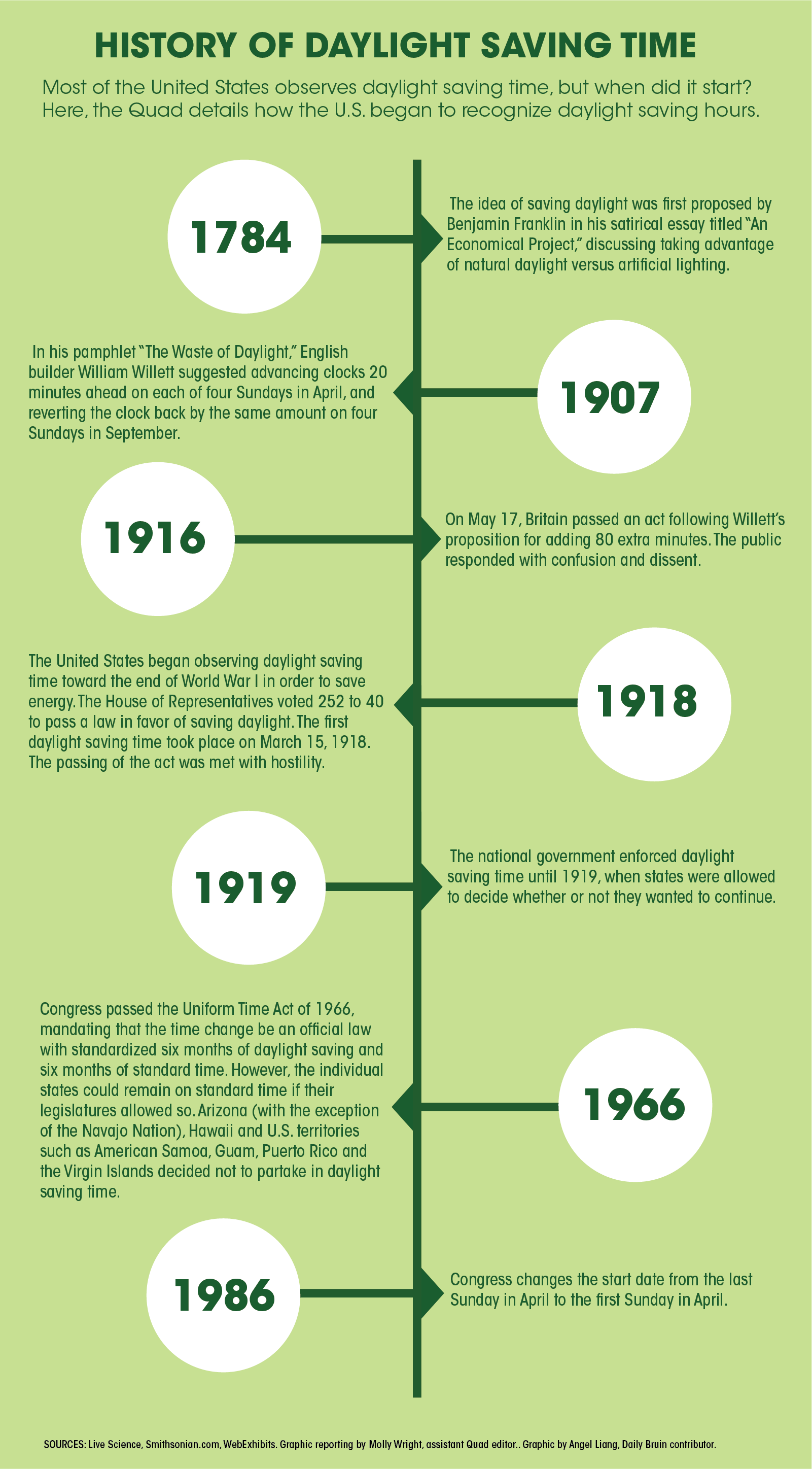
The concept of Daylight Saving Time, originally conceived to make better use of daylight and conserve energy, has a long and somewhat complex history in the United States. While there have been debates and even attempts to abolish it in California, the practice remains in effect for now. For travelers, this means being aware of the specific dates and times when the clocks change.
The Annual Shift: When and How
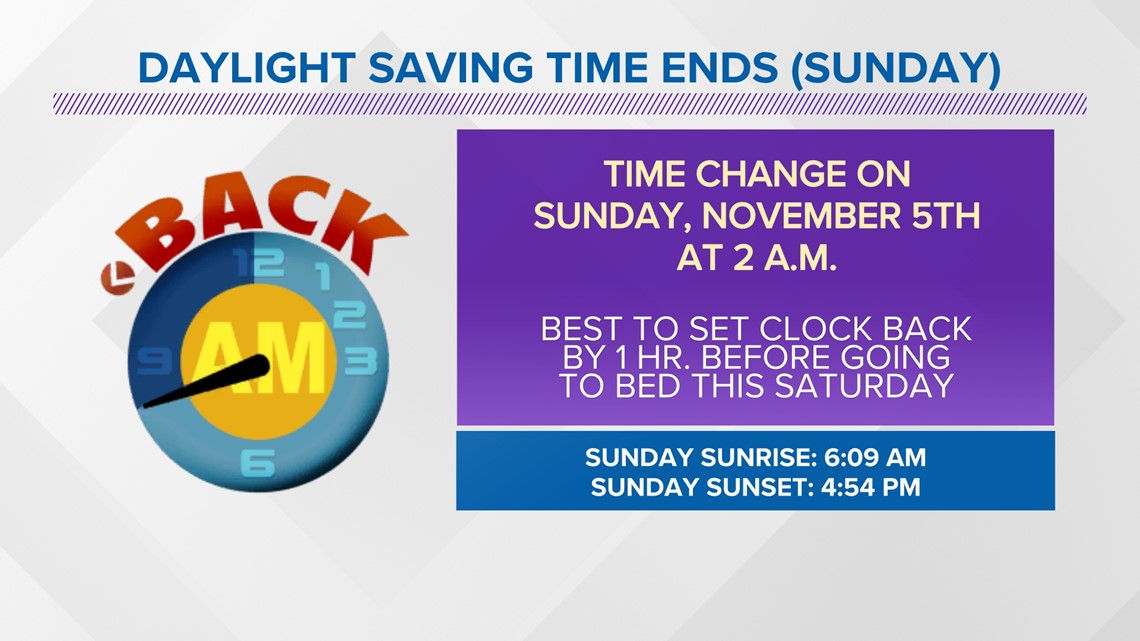
In California, as in most parts of the United States that observe it, Daylight Saving Time officially ends on the first Sunday in November. On this day, clocks are set back one hour, typically at 2:00 AM local time. So, 2:00 AM PDT instantly becomes 1:00 AM PST. This effectively grants an “extra” hour, often celebrated as a chance for more sleep or an early start to the day. For the year 2024, this occurs on Sunday, November 3rd.
This transition is consistent year after year, offering a predictable schedule for planning. While some states and territories in the United States, such as Arizona (with the exception of the Navajo Nation) and Hawaii, do not observe DST, California fully participates. Similarly, neighboring countries like Canada and Mexico have varying practices, adding another layer of complexity for international travelers.
The Impact on Local Time
When clocks fall back, California officially shifts from UTC-7 (PDT) to UTC-8 (PST). This change means that sunrise and sunset times will appear one hour earlier according to the clock. For instance, if the sun set at 6:00 PM PDT, after the change, it will effectively set at 5:00 PM PST. This has immediate implications for daylight hours, making evenings darker sooner. Travelers planning outdoor activities or scenic drives should factor this into their itineraries, especially if they are accustomed to the longer evening daylight of PDT. The shift impacts major metropolitan areas like Los Angeles, San Francisco, and San Diego, as well as popular tourist destinations like Yosemite National Park and Napa Valley, ensuring a consistent statewide experience.
Travel Implications: Planning Your California Trip
For any traveler, ignoring the end of Daylight Saving Time can lead to minor inconveniences or even significant disruptions. Proactive planning around this time change is key to a smooth and enjoyable California adventure.
Flight Schedules and Connections
Perhaps the most critical area affected by the end of DST is air travel. Airlines operate on precise schedules, and while they generally account for time changes, travelers need to double-check their itineraries carefully. If you have a flight scheduled on the day DST ends (the first Sunday in November) or in the days immediately following, confirm that your departure or arrival times are adjusted correctly, especially for connecting flights that might cross different time zones or for international flights. An early morning flight scheduled for 7:00 AM PST might feel like 6:00 AM PDT to your body clock, potentially leading to confusion or missed connections if not properly accounted for. Always rely on the local time specified on your updated boarding pass or airline app.
Hotel Check-ins and Check-outs
Accommodation logistics also come into play. Most hotels will automatically adjust their systems to the new standard time. However, for check-out times, an “extra” hour might seem like a bonus, but it’s important to clarify. If your check-out is noon, it will be noon PST. This can be beneficial, providing a bit more time to pack or enjoy a leisurely breakfast. Conversely, for late arrivals on the Saturday night before the change, ensure your arrangements account for the clocks falling back. Most hotels are well-versed in these transitions, but a quick confirmation call or check of your booking details can prevent any misunderstanding.
Guided Tours and Attraction Timings
Many of California’s most popular attractions, from theme parks like Disneyland and Universal Studios Hollywood to historical sites, museums, and national parks, adjust their operating hours seasonally. The end of DST often coincides with a general shift to shorter winter hours due to reduced daylight. This means that a tour you planned to start at 9:00 AM PDT might now commence at 9:00 AM PST, effectively one clock hour earlier in terms of available daylight. For outdoor activities, such as hiking in Yosemite National Park, exploring the Santa Monica Pier, or cruising around the Golden Gate Bridge, the earlier sunset can significantly cut down on evening exploration time. Always consult the official websites of attractions, tour operators, and national parks for their most current operating schedules, especially when traveling around the DST transition period.
Maximizing Your Extra Hour: Activities and Experiences
While the end of DST requires careful planning, it also presents unique opportunities for travelers. The “extra” hour can be leveraged to enhance your California experience.
Embracing the Morning Light
With the clocks falling back, sunrises will occur an hour earlier by the clock. This can be a boon for early risers or those looking to capture the serene beauty of California in the quiet morning hours. Imagine catching the sunrise over the Pacific Ocean in San Diego, enjoying the tranquility of Lake Tahoe as the first rays hit, or having an extra hour to beat the crowds at popular attractions like Disneyland when gates open. This early light offers fantastic photographic opportunities and a peaceful start to a busy day of sightseeing before the general public is fully awake.
Evening Plans and Dining
Conversely, the earlier sunset means evenings begin sooner. While this might limit some outdoor activities, it opens up possibilities for early evening entertainment, dining experiences, or simply relaxing after a full day. You might find yourself enjoying sunset views over San Francisco Bay or the Hollywood Hills earlier than anticipated, allowing for a seamless transition into dinner reservations or cultural performances. Many restaurants and entertainment venues in major cities like Los Angeles and San Francisco will adjust their peak hours accordingly, often starting dinner service earlier to accommodate the shift in perceived daylight.
Beyond the Clock: General Travel Tips for California
While the time change is a specific event, it underscores the broader importance of meticulous planning for any California trip.
Staying Informed with Local Resources
Beyond the DST change, it’s always wise to stay informed about local conditions in California. Check weather forecasts, especially if traveling to diverse regions like the mountains or the desert, where conditions can vary dramatically. Utilize official tourism websites for cities and regions, as well as national park services, for up-to-date information on operating hours, road closures, and any local events that might impact your travel. A quick search for “California tourism board” or “visit Los Angeles” can yield valuable resources.
Adapting to the Golden State’s Rhythm
Ultimately, traveling is about adapting to new environments and experiences. While the end of Daylight Saving Time is a tangible change, the most important tip is to remain flexible and enjoy the journey. Double-check your devices to ensure they’ve automatically updated to the correct time. Many smartphones and digital devices will make the change automatically, but manual clocks in rental cars or older devices might need adjustment. Embrace the slight shift in daily rhythm as just another unique aspect of your California adventure, allowing yourself to fully immerse in the beauty and excitement of the Golden State, regardless of what the clock says.
LifeOutOfTheBox is a participant in the Amazon Services LLC Associates Program, an affiliate advertising program designed to provide a means for sites to earn advertising fees by advertising and linking to Amazon.com. Amazon, the Amazon logo, AmazonSupply, and the AmazonSupply logo are trademarks of Amazon.com, Inc. or its affiliates. As an Amazon Associate we earn affiliate commissions from qualifying purchases.