
For families residing in or planning a California adventure, understanding the academic calendar is paramount, particularly when orchestrating memorable family trips. The exact start date for the 2024-2025 school year across California is not monolithic; it varies significantly by individual school district. However, general trends and key considerations can help families plan their lifestyle and travel itineraries effectively, ensuring they maximize vacation time without disrupting educational commitments.
Understanding California’s School Calendar Landscape
Unlike states with unified start dates, California’s vast network of over 1,000 public school districts and numerous private institutions operates with considerable autonomy. This decentralization means that while some districts might kick off the academic year in mid-August, others may hold out until after Labor Day in early September. This flexibility, while beneficial for local control, necessitates a proactive approach for families when planning travel, especially when considering peak seasons and crowd avoidance.

Key Dates to Anticipate
The predominant window for school commencement in California for the 2024-2025 academic year is from mid-August to the first week of September. Many districts, particularly those in larger metropolitan areas, have gravitated towards an earlier start in recent years. This shift often aims to conclude the first semester before the winter break, allowing students to take exams and teachers to finalize grades without the interruption of a holiday period. This earlier start consequently compresses the traditional summer vacation period, making the window for summer family travel slightly shorter than it once was.
For example, major districts like the Los Angeles Unified School District often begin in the second or third week of August. Similarly, the San Diego Unified School District frequently follows a similar pattern. Other large districts, such as the San Francisco Unified School District or those in Orange County and the Bay Area, will also generally fall within this mid-August to early September range. It is crucial for families to consult the official website of their specific school district for the precise academic calendar. These calendars typically become available several months in advance, often by spring of the preceding academic year, providing ample time for detailed travel planning.
Regional Variations and Their Impact
The differences in start dates can sometimes be regional, though district-specific policies are the primary driver. Districts in Southern California might align differently than those in Northern California or the Central Valley. For instance, a family with children attending school in Sacramento might have a different start date than relatives in Los Angeles or San Francisco.
These variations directly impact travel patterns. If one district starts school earlier, families within that district will conclude their summer vacations sooner, potentially leading to a slight decrease in crowds at popular attractions during the very end of August. Conversely, districts that start later might see their families taking advantage of the additional week or two of summer, extending the peak travel season into early September for certain destinations. This staggered approach can sometimes create “shoulder season” opportunities at the very edges of traditional peak periods, which discerning families can leverage for more relaxed and potentially more affordable experiences.
Maximizing Family Travel Around School Schedules
Understanding the academic calendar isn’t just about avoiding truancy; it’s about strategically planning family adventures to create the best possible experiences. For families, the school year dictates the rhythm of life, and savvy travelers learn to work within these constraints to their advantage.
Navigating Peak and Off-Peak Seasons
The period from June through mid-August traditionally constitutes California’s peak summer travel season. This is when attractions like Disneyland, Universal Studios Hollywood, and coastal destinations are at their busiest, and accommodation prices often reach their zenith. With many California schools starting in mid-August, the latter half of August transitions into a “shoulder season” – a sweet spot where crowds begin to thin, but the weather often remains ideal. This is an excellent time for families to consider travel if their school district allows.
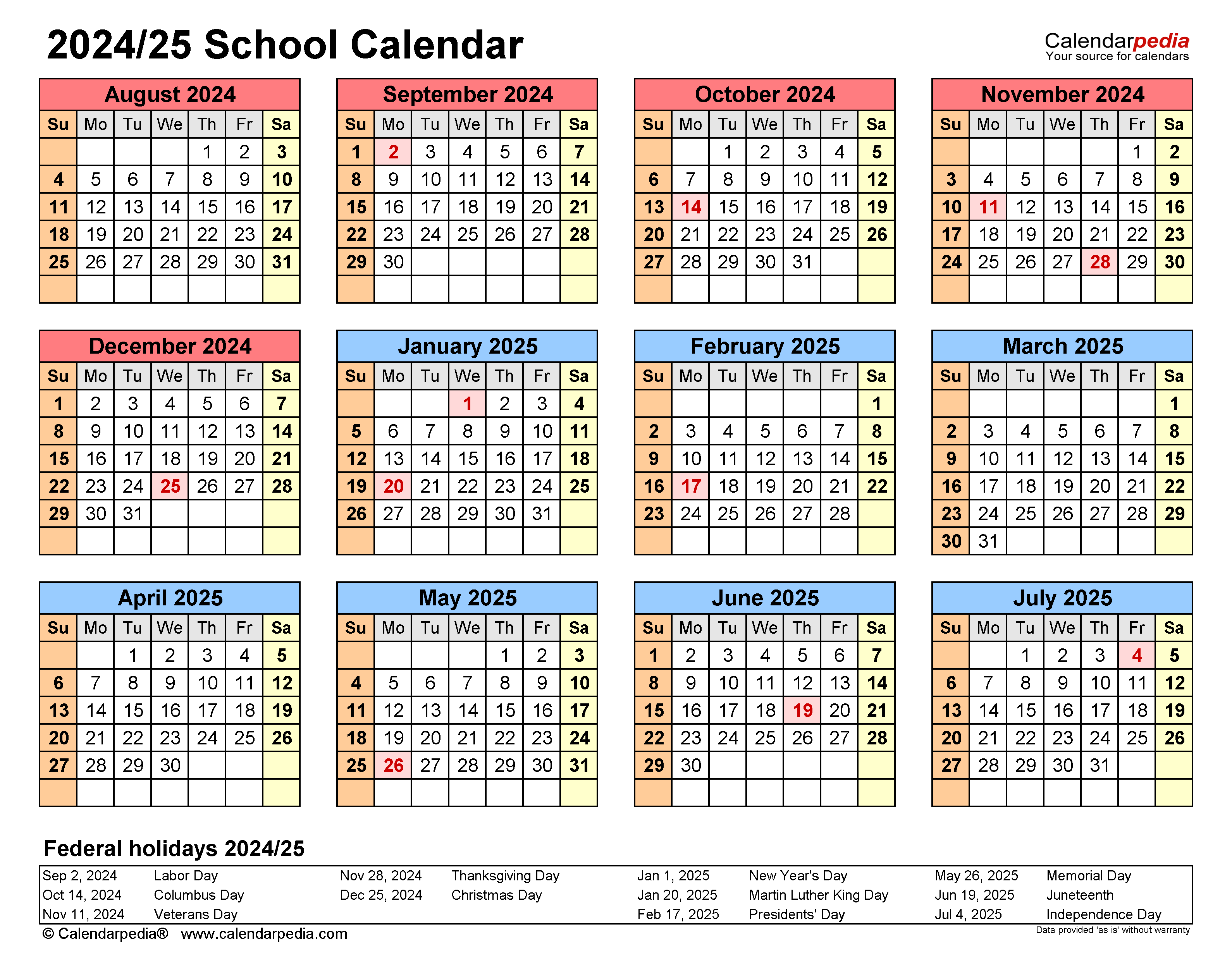
Beyond the summer, the academic calendar offers other distinct travel windows:
- Fall Break: Often a week in October, aligning with Indigenous Peoples’ Day or Veterans Day, provides a perfect opportunity for shorter, regional trips to enjoy California’s autumn splendor.
- Winter Break: Typically two weeks spanning late December and early January, encompassing Christmas and New Year’s. While popular for festive travel, it’s another peak period, especially for mountain resorts and major cities.
- Spring Break: Usually a week in March or April, offering a chance to escape before the final push of the school year. This can be a great time for desert explorations or early season beach trips.
Leveraging these official school breaks is crucial. While these are also popular travel times, meticulous planning, including booking accommodations and activities well in advance, can mitigate the impact of crowds and higher prices.
Budget-Friendly Travel Strategies
For families with limited flexibility, “off-peak” travel might be challenging. However, by carefully analyzing school dates, opportunities for more budget-friendly trips can emerge.
- Late Summer/Early Fall: As mentioned, the second half of August, once many schools have started, can offer a brief window of reduced crowds and potentially lower prices for flights and hotels, particularly for destinations popular with families.
- Weekday Travel: If a school allows excused absences for educational travel (check district policies carefully), traveling mid-week during off-peak times can significantly reduce costs and provide a more serene experience at popular attractions. This might be more feasible for older students who can keep up with schoolwork remotely.
- Shoulder Seasons for Specific Destinations: Think late May/early June (before most schools are out) or late September/early October (after the initial rush of the school year). For instance, a trip to Yosemite National Park in early October can offer stunning fall foliage and fewer visitors than in July. A beach trip to Santa Monica in late May could mean pleasant weather without the full summer crowds.
- Leverage Long Weekends: While short, three-day weekends (like Labor Day or Presidents’ Day) offer chances for quick getaways to nearby destinations without missing school. These often require booking further in advance due to increased demand.
Popular Family Destinations and Timing Tips
California boasts an incredible array of family-friendly destinations, each offering unique experiences that can be timed strategically with the academic calendar.
Coastal Escapes and Theme Park Adventures
Theme Parks: Disneyland Park and Disney California Adventure Park in Anaheim, along with Universal Studios Hollywood in Los Angeles, are perennial favorites.
- Timing Tip: The absolute best times to visit for fewer crowds (outside of school hours) are typically late January, February (excluding Presidents’ Day weekend), the first two weeks of May, and the first two weeks of September (after Labor Day). If an early school start means your summer ends in mid-August, consider a quick weekday trip in the last week of August for potentially lighter crowds. Avoid major holidays and the peak summer months of July and early August.
Coastal Regions: From San Diego’s sunny beaches to the iconic Santa Monica Pier and the dramatic coastline of Big Sur, California’s coast is a huge draw. - Timing Tip: Late May-early June and late September-early October offer pleasant weather, fewer crowds, and often better lodging rates than the peak summer months. These shoulder seasons allow families to enjoy the beaches and coastal towns without the intense summer rush.
Mountain Retreats and Desert Getaways
Mountain Destinations: Areas like Yosemite National Park, Lake Tahoe, and the Eastern Sierra offer stunning natural beauty and outdoor activities.
- Timing Tip: For hiking and exploring, May (after snowmelt but before summer crowds) or late September/early October (for fall colors and crisp weather) are ideal. Winter breaks are perfect for skiing and snowboarding in Lake Tahoe or Mammoth Lakes, though prices will be at their highest. Be mindful of road closures in Yosemite during winter.
Desert Getaways: Destinations like Palm Springs, Joshua Tree National Park, and Death Valley National Park offer unique landscapes. - Timing Tip: These areas are best visited during the cooler months, making fall, winter, and spring breaks prime opportunities. October-November and March-April offer comfortable temperatures for hiking and exploration. Avoid summer at all costs, as temperatures can be extreme.

Planning Ahead for Stress-Free Family Vacations
Successful family travel around school schedules hinges on proactive planning. As soon as your child’s school district releases the 2024-2025 academic calendar, mark all non-school days, minimum days, and early dismissals. These seemingly small pockets of time can be leveraged for micro-adventures or extended long weekends.
- Book Early: For travel during official school breaks (Winter, Spring, Summer), always book flights, accommodations, and popular attraction tickets as far in advance as possible. This secures better rates and availability.
- Flexibility is Key: If your family has the luxury of some flexibility, consider traveling immediately before or after traditional peak times. For example, if school starts on August 20th, aim for a trip ending by August 18th rather than waiting until the 19th.
- Consider Educational Aspects: Frame travel as an extension of learning. A trip to the California Academy of Sciences in San Francisco or the Aquarium of the Pacific in Long Beach can be an enriching experience that complements classroom learning, potentially making a case for an excused absence if traveling during school days.
- Stay Informed: Beyond school calendars, keep an eye on local events and festivals at your chosen destination. Sometimes a unique event can turn a regular trip into an extraordinary one, or conversely, cause unexpected crowds.
By meticulously tracking school start dates and planning vacations with these parameters in mind, families in California can ensure a harmonious balance between educational commitments and invaluable travel experiences that create lasting memories.
LifeOutOfTheBox is a participant in the Amazon Services LLC Associates Program, an affiliate advertising program designed to provide a means for sites to earn advertising fees by advertising and linking to Amazon.com. Amazon, the Amazon logo, AmazonSupply, and the AmazonSupply logo are trademarks of Amazon.com, Inc. or its affiliates. As an Amazon Associate we earn affiliate commissions from qualifying purchases.