
For countless students aspiring to pursue higher education in the vibrant landscape of California, understanding the Free Application for Federal Student Aid (FAFSA) due dates is not merely a bureaucratic formality—it’s a pivotal step that profoundly shapes their academic journey and overall lifestyle. The FAFSA is the gateway to federal grants, scholarships, work-study programs, and loans, all of which are instrumental in affording the cost of tuition, living expenses, and the myriad experiences that define student life in the Golden State. Missing these crucial deadlines can mean foregoing essential financial support, potentially altering everything from accommodation choices to academic focus and even future career trajectories. Therefore, a comprehensive grasp of when to apply, what specific deadlines to meet, and how these dates impact a student’s financial well-being is paramount for anyone planning to embrace the California student lifestyle.

Charting Your Academic Lifestyle: The Critical FAFSA Timeline
Navigating the application process for financial aid can seem complex, but understanding the key deadlines simplifies the journey. The FAFSA timeline is multi-layered, involving federal, state, and institutional deadlines, each playing a distinct role in maximizing aid eligibility and, consequently, shaping a student’s ability to maintain a desired lifestyle while studying in California. Proactive engagement with these dates ensures that students are well-positioned to receive the maximum financial support available, empowering them to focus on their studies and personal growth rather than financial anxieties.
Federal FAFSA Deadlines
The federal deadline for submitting the FAFSA is typically June 30th of the academic year for which aid is being requested. For example, for the 2023-2024 academic year, the federal deadline was June 30, 2024. However, while this date serves as an ultimate cut-off for federal aid eligibility, it is misleading to view it as the optimal submission time. Many federal aid programs, such as the Pell Grant or Federal Supplemental Educational Opportunity Grant (FSEOG), operate on a first-come, first-served basis or have limited funding. This means that funds can be exhausted long before the official federal deadline. For a student’s lifestyle, early submission dramatically increases the chances of securing these critical “free money” sources, which can significantly reduce the need for loans and provide greater financial flexibility for daily living, course materials, and even occasional leisure activities that enrich the student experience.
California State Deadlines
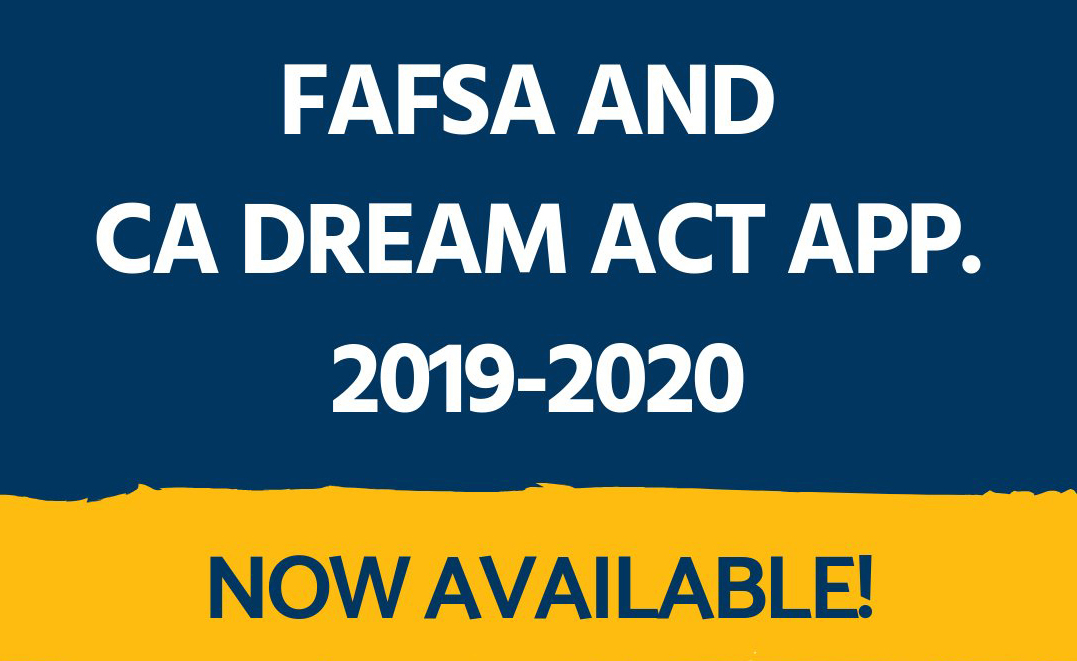
Beyond federal aid, California offers its own robust suite of financial aid programs, managed by the California Student Aid Commission (CSAC). The primary state deadline for grants like the Cal Grant and other state-specific aid is March 2nd of the year prior to the academic year. For instance, to receive Cal Grant aid for the 2024-2025 academic year, the FAFSA (or the California Dream Act Application for eligible undocumented students) must have been submitted by March 2, 2024. This state deadline is arguably the most critical for California students. Missing it can result in the loss of thousands of dollars in grant funding that does not need to be repaid. For many, these state grants are the difference between comfortably affording living expenses in high-cost California cities and struggling to make ends meet, directly impacting their quality of life, access to resources, and overall sense of security during their studies. There is often a secondary Cal Grant deadline in September for community college students, providing a crucial second chance, but the March 2nd deadline remains paramount for broader state aid eligibility.
Institutional Deadlines
Finally, each college or university in California may have its own institutional deadlines for financial aid applications, which can precede or coincide with federal and state deadlines. These deadlines are crucial for receiving aid administered directly by the institution, such as need-based scholarships, grants, or specific departmental funding. These can be particularly significant for students aiming for specific campus housing, unique programs, or specialized support services that contribute to a tailored academic lifestyle. Checking with the financial aid office of each prospective institution is vital, as these dates can vary widely and often require additional forms or documentation beyond the FAFSA. Adhering to these dates ensures access to the full spectrum of financial support, allowing students to craft a more robust and worry-free lifestyle within their chosen academic environment.
Beyond Tuition: FAFSA’s Role in Shaping Your California Living Experience
While tuition often commands the spotlight, the true cost of a college education extends far beyond course fees. In California, renowned for its high cost of living, non-tuition expenses such as housing, food, transportation, and personal necessities significantly impact a student’s daily lifestyle. Financial aid obtained through the FAFSA plays a crucial role in mitigating these costs, enabling students to maintain a quality of life conducive to academic success and personal well-being.
Securing Affordable Accommodation
Housing is often the largest non-tuition expense for students in California. Whether it’s living in a dorm on a bustling campus, renting an apartment off-campus, or finding a room in a shared house, the cost can be substantial. FAFSA aid, particularly grants and scholarships, can significantly reduce the burden of housing costs. For example, a student with ample grant funding might afford a single room on campus, offering convenience and access to university resources, enhancing their lifestyle. Conversely, a student relying heavily on loans or with less aid might be compelled to choose a less desirable, longer commute, or cramped living situation, impacting their study time, social life, and overall comfort. Timely FAFSA submission is directly linked to securing sufficient aid to make more desirable and stable living arrangements possible, which is foundational to a positive student lifestyle.

Budgeting for Campus Life and Exploration
The California student experience is not just about textbooks and lectures; it’s also about engaging with campus life, exploring local attractions, and building a social network. From joining student clubs and organizations to attending sporting events, experiencing the local culinary scene, or taking weekend trips to California’s diverse natural landscapes, these activities enrich student life. FAFSA aid that covers basic living expenses frees up a student’s personal funds (or reduces the need for part-time work that could interfere with studies) to allocate towards these enriching experiences. A student who has successfully navigated the FAFSA deadlines and secured maximum aid can budget for healthy meals, transportation to internships, or even a modest budget for exploring their new surroundings, contributing to a well-rounded and less stressful lifestyle. Without adequate aid, these aspects of student life can become unattainable luxuries, leading to feelings of isolation or missed opportunities.
Proactive Planning for a Seamless Student Journey
The journey through higher education in California is a significant life chapter, and proactively addressing financial aid applications is key to ensuring it’s as seamless and enriching as possible. Early submission of the FAFSA is more than just meeting a deadline; it’s a strategic move that sets the foundation for a less stressful and more fulfilling student lifestyle.
Understanding the Application Process
The FAFSA application requires detailed financial information about the student and, if applicable, their parents. This includes tax returns, W-2 forms, and records of investments and assets. Gathering these documents takes time, and attempting to do so under pressure close to a deadline can be a source of significant stress. Understanding the process well in advance, utilizing resources from Federal Student Aid and the California Student Aid Commission, and completing the application accurately and early provides a sense of control and reduces last-minute panic. This calm and organized approach is itself a cornerstone of a well-managed lifestyle, allowing mental energy to be conserved for academic pursuits and personal development rather than administrative hurdles.
The Perks of Early Submission
Submitting the FAFSA as close to its opening date (October 1st each year) as possible offers several distinct advantages that enhance a student’s lifestyle. Firstly, as mentioned, many state and federal grants are awarded on a first-come, first-served basis, meaning early applicants have a higher chance of receiving these limited funds. Secondly, early submission allows ample time for corrections or submission of additional documentation requested by financial aid offices, preventing delays in aid disbursement. This ensures funds are available at the start of the academic year, allowing students to pay for books, supplies, and housing deposits without personal financial strain. Thirdly, receiving an early financial aid offer from institutions enables students and their families to make informed decisions about college choices with a clear understanding of costs, potentially influencing which California institution best fits their academic and lifestyle aspirations. This strategic advantage removes uncertainty, fostering a more confident and stable transition into college life.
Investing in Your Future Lifestyle: The Long-Term Impact of Financial Aid
The decisions made regarding FAFSA applications and financial aid during college reverberate far beyond graduation. The amount and type of aid received directly influence a student’s long-term financial health, their career choices, and ultimately, the lifestyle they can afford to build in the years following their education in California and beyond.
Minimizing Debt for Future Freedoms
Perhaps the most significant long-term impact of maximizing grants and scholarships through timely FAFSA submission is the reduction of student loan debt. While loans can be a necessary component of financing education, minimizing reliance on them is crucial for post-graduation financial freedom. A student who graduates with less debt has greater flexibility to pursue lower-paying passion careers, start a business, invest in further education, save for a down payment on a home, or even plan for future travel experiences without the immediate pressure of large monthly loan payments. This significantly impacts their quality of life and the speed at which they can achieve their desired lifestyle milestones. The discipline of meeting FAFSA deadlines early is an investment in a future free from undue financial encumbrance.
Enabling Post-Graduation Opportunities
A strong financial aid package contributes to a more focused and less stressful student experience, potentially leading to better academic performance and more opportunities for internships or research positions. These experiences, in turn, can open doors to more lucrative career paths or advanced study options post-graduation. Furthermore, the financial literacy gained through managing financial aid and budgeting during college is invaluable for managing finances in adulthood. Understanding the importance of deadlines, planning, and resource utilization cultivated during the FAFSA process equips students with essential life skills. Ultimately, timely FAFSA completion is a foundational element in crafting a holistic, financially sound, and personally fulfilling lifestyle, enabling California graduates to confidently pursue their dreams and contribute meaningfully to society.
LifeOutOfTheBox is a participant in the Amazon Services LLC Associates Program, an affiliate advertising program designed to provide a means for sites to earn advertising fees by advertising and linking to Amazon.com. Amazon, the Amazon logo, AmazonSupply, and the AmazonSupply logo are trademarks of Amazon.com, Inc. or its affiliates. As an Amazon Associate we earn affiliate commissions from qualifying purchases.