
California, with its vast coastline stretching over 840 miles, is a prime destination for seafood lovers, and among its many culinary treasures, Dungeness crab holds a special place. The anticipation of Dungeness crab season is a significant event, marking a period when fresh, succulent crab becomes readily available, driving both recreational and commercial fishing activities, and delighting diners across the state. For tourists planning a visit, understanding the nuances of crab season is key to experiencing this local delicacy at its peak.
Understanding California’s Dungeness Crab Season
The Dungeness crab, known for its sweet, delicate meat and impressive size, is arguably the most sought-after crustacean along the Pacific Coast. Its popularity stems from its distinct flavor profile, which makes it incredibly versatile in the kitchen, from simple steamed preparations to elaborate gourmet dishes.
The Prized Dungeness Crab
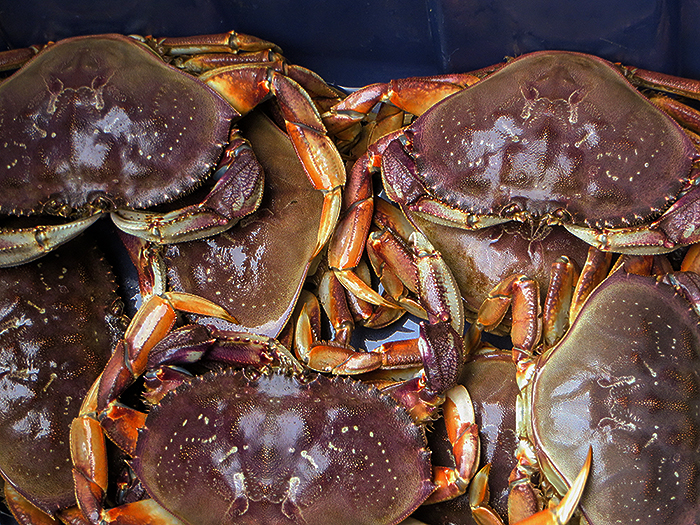
The Dungeness crab, Metacarcinus magister, is a true culinary icon of the West Coast. Its meat is characterized by a mild sweetness and a tender, flaky texture that sets it apart from other crab species. Rich in protein and essential minerals, it’s not just delicious but also a healthy choice. Whether cracked and dipped in butter, incorporated into a rich cioppino, or served cold in a fresh crab salad, the Dungeness crab consistently delivers a memorable dining experience. Its robust flavor is a testament to the cold, nutrient-rich waters of the California coast where it thrives. This makes it a central component of local cuisine and a major draw for food tourism.
Official Season Dates and Regulations
The Dungeness crab season in California is primarily divided into recreational and commercial seasons, each with its own set of regulations and timelines. Generally, the commercial Dungeness crab season in Central California (south of Mendocino County) typically opens in mid-November and can extend through June or July. For Northern California (north of Mendocino County), the season usually begins in early December.
However, these dates are rarely set in stone and are subject to change annually. Several critical factors influence the precise opening and closing of the season:
- Domoic Acid Levels: Regular testing for domoic acid, a naturally occurring neurotoxin produced by certain harmful algal blooms, is paramount. If levels in crab meat exceed public health thresholds, the season can be delayed or even closed to protect consumers.
- Whale Entanglement Risk: Efforts to protect migrating whales, particularly humpback and blue whales, have led to increased vigilance regarding fishing gear. Commercial crab fishing can pose a risk of whale entanglement, prompting state wildlife agencies to impose delays or specific gear restrictions if a high concentration of whales is detected in crabbing areas.
- Meat Quality: Early season closures or delays can also occur if crabs have not filled out sufficiently, meaning their shells are not yet full of meat. This ensures a quality product for consumers.
Recreational crabbing typically has a slightly different schedule, often opening earlier, usually on the first Saturday in November, and running through June 30th. Recreational crabbers are also subject to daily bag limits (typically 10 Dungeness crabs per person) and minimum size requirements (5¾ inches across the carapace). It is imperative for anyone planning to participate in crabbing, whether commercially or recreationally, to consult the California Department of Fish and Wildlife (CDFW) website for the most up-to-date information on season dates, regulations, and any potential health advisories or closures. These regulations are designed to ensure both public safety and the sustainability of the Dungeness crab population.
Navigating Recreational Crabbing for Tourists
For adventurous tourists seeking a hands-on experience, recreational crabbing offers an exciting way to engage with California’s coastal culture and enjoy the freshest possible crab.
Permits and Equipment Essentials
Before dropping your first trap, understanding the legal requirements and necessary gear is crucial.
- California Fishing License: Any individual 16 years of age or older must possess a valid California recreational fishing license to crab. These can be purchased online through the CDFW website or at various sporting goods stores and tackle shops throughout the state.
- Crab Gear: The most common methods for recreational crabbing include:
- Crab Pots/Traps: These are weighted cages designed to attract crabs with bait and prevent their escape. They are typically deployed from piers, docks, or boats.
- Crab Snares: These are circular devices with loops that tighten around a crab’s legs when it investigates the bait. Snares are popular for casting from shore or piers.
- Measuring Gauge: A crab measuring gauge is indispensable to ensure all caught crabs meet the minimum size requirement. It’s illegal to keep undersized crabs.
- Bait: Fresh fish heads, squid, or chicken parts are excellent attractants.
- Rope and Buoys: For retrieving traps and marking their location.
Ethical crabbing practices involve respecting catch limits, releasing undersized crabs unharmed, and avoiding unnecessary harm to other marine life.
Prime Crabbing Locations Across California
California boasts numerous excellent spots for recreational crabbing, each offering a unique coastal experience.
- San Francisco Bay Area: San Francisco is synonymous with Dungeness crab. While commercial crabbing occurs offshore, recreational crabbers can find success off many piers in the San Francisco Bay and along the coast. Popular spots include Pier 7, Fort Point, and the jetties near the Golden Gate Bridge. Private charters offering crab fishing excursions also operate from marinas around the bay.
- Bodega Bay: Located north of San Francisco, Bodega Bay is a picturesque fishing village renowned for its Dungeness crab. Crabbing from the docks or by boat in the bay itself is popular, as is fishing from the jetties near the harbor entrance.
- Half Moon Bay: South of San Francisco, Half Moon Bay is another prime location. Its harbor is a bustling hub for commercial and recreational crabbing. Tourists can try their luck from Pillar Point Harbor or join a fishing charter.
- Monterey Bay / Santa Cruz: Further south, the deep waters of Monterey Bay are home to Dungeness crab. Santa Cruz offers opportunities for crabbing from its iconic municipal wharf, as well as from chartered boats venturing into the bay.
- Northern California: Up the coast, regions like Humboldt County and Mendocino also offer fantastic crabbing opportunities, particularly from jetties and by boat in deeper waters, catering to those who prefer a more rugged and less crowded experience.
Tips for a Successful Crabbing Excursion
Maximizing your chances of a good catch involves a bit of planning and understanding of crab behavior:
- Tides: Crabs are often more active and easier to catch during tidal changes, particularly during the incoming tide when they move closer to shore to feed.
- Weather: Calm seas and clear weather are ideal for crabbing, especially if you’re out on a boat. Check marine forecasts before heading out.
- Bait Selection: Fresh, oily fish (like mackerel or sardines), chicken legs, or squid are excellent bait. Ensure the bait is secured well within your trap or snare.
- Safety First: When crabbing from piers or rocks, be mindful of slippery surfaces and rogue waves. If boating, always wear a life vest and be aware of marine traffic.
- Respect Limits: Always adhere to the daily bag limit and size restrictions. It’s also good practice to handle crabs carefully, especially those you intend to release, to minimize stress.
Experiencing Crab Culinary Delights in California
For those who prefer to leave the crabbing to the professionals, California’s culinary scene comes alive during crab season, offering an array of exquisite dishes.
Iconic Crab Dishes and Where to Find Them

The versatility of Dungeness crab means it features in countless dishes across California.
- Crab Cioppino: A rich, tomato-based seafood stew originating from San Francisco, cioppino often features generous portions of Dungeness crab alongside other local seafood. It’s a must-try during your visit.
- Roasted Crab: Simply roasted with garlic, butter, and herbs, this preparation allows the natural sweetness of the crab to shine, often served cracked for easy eating.
- Crab Rolls & Crab Cakes: Popular in casual eateries, crab rolls offer chunks of sweet crab meat in a buttered bun, while crab cakes, made with flaked crab and minimal filler, are a beloved appetizer.
- Steamed Crab: The simplest and arguably best way to enjoy Dungeness crab is steamed, served with melted butter or a squeeze of lemon, allowing its pure flavor to dominate.
Top Destinations for Fresh Crab Dining
During crab season, almost every coastal town and city will feature Dungeness crab on its menus, but some locations are particularly famous for their crab offerings:
- Fisherman’s Wharf, San Francisco: This iconic destination is practically synonymous with crab. Restaurants like Scoma’s, Boudin Bakery, and countless sidewalk vendors offer fresh crab, often cooked in massive cauldrons right before your eyes.
- Coastal Towns: Quaint towns like Sausalito, Carmel-by-the-Sea, and Mendocino boast charming seafood restaurants that pride themselves on serving local, seasonal crab. Dining in these locales often comes with stunning ocean views.
- Local Seafood Markets: For those staying in accommodations with kitchen facilities, visiting a local seafood market is a fantastic option. Markets in places like Half Moon Bay or Bodega Bay sell whole cooked crabs, cleaned crab meat, and even live crabs, allowing you to prepare your own crab feast.
Crab-Focused Festivals and Events
Throughout the crab season, various communities host events celebrating this prized crustacean. While not always exclusively crab-focused, these festivals often feature crab prominently.
- The Bodega Bay Fisherman’s Festival often highlights local seafood, including Dungeness crab, offering a chance to enjoy fresh catches, live music, and local crafts.
- Many smaller towns and organizations host “crab feeds” – community dinners where cracked crab is served buffet-style, often as fundraisers. Checking local tourism boards and community calendars for specific dates and locations is advisable.
Beyond Dungeness: Other Crab Species in California
While Dungeness crab is the star, California’s waters are also home to other delicious crab species that can be enjoyed when Dungeness is out of season or when you’re looking for an alternative.
Rock Crab and Red Crab
- Rock Crab: Found in rocky areas along the coast, rock crabs (primarily Brown Rock Crab and Yellow Rock Crab) are smaller than Dungeness but offer sweet, flavorful meat, especially in their claws. Their meat is denser and slightly less delicate. They are often available year-round for recreational crabbing and are subject to different regulations.
- Red Crab: While typically found in deeper, warmer waters off Southern California and Mexico, mass strandings of Pelagic Red Crabs can occur during El Niño events, making them temporarily available. Their meat is similar to rock crab.
These species provide alternative crabbing and dining opportunities, often with more flexible seasons and fewer restrictions, making them a good option for tourists outside the peak Dungeness season.
Seasonal Availability of Other Seafood Delicacies
A trip to California during crab season can often coincide with the availability of other delectable seafood. Depending on the exact timing of your visit, you might also find:
- Oysters: California’s oyster farms, particularly in Tomales Bay and Humboldt Bay, offer fresh oysters year-round, though they are often especially plump and flavorful in colder months.
- Salmon: While the salmon season varies, parts of it can overlap with crab season, particularly in late spring and early summer.
- Abalone: Wild abalone fishing is currently under a moratorium in California, but farmed abalone is available.
Pairing the rich flavors of Dungeness crab with other local seafood creates an unforgettable culinary journey, highlighting the bounty of California’s ocean.
Planning Your California Crab Adventure
To truly immerse yourself in California’s crab culture, careful planning is essential, not just for the crab itself, but for the overall travel experience.
Best Time to Visit for Peak Crab Experience
The ideal time to plan your visit for the peak Dungeness crab experience is typically late fall to early winter, specifically November and December. This period often aligns with the commercial season opening, ensuring the freshest catch is widely available.
- Late Fall/Early Winter (November-December): This is when the season is often in full swing (barring delays), guaranteeing an abundance of fresh crab in markets and restaurants. It also coincides with holiday festivities, adding a festive atmosphere to your culinary exploration.
- Spring (March-May): While the commercial season may be winding down, or limited to specific areas, spring offers milder weather for coastal exploration and recreational crabbing opportunities remain open until June 30th. You might still find excellent crab, but availability could be more localized.
Combining Crab with Other California Attractions
A crab-focused trip doesn’t have to be just about the crab. California offers a diverse range of attractions that can be seamlessly combined with your seafood adventure.
- Coastal Drives: Embark on a scenic drive along Highway 1, stopping at charming coastal towns like Carmel-by-the-Sea or Mendocino for stunning views and fresh seafood.
- Wine Tasting: Combine your crab feast with world-class wine tasting in Napa Valley or Sonoma. Many wineries are just a short drive from coastal crabbing towns.
- Urban Exploration: In cities like San Francisco or even Los Angeles, you can enjoy gourmet crab dishes after exploring famous landmarks, museums, and vibrant neighborhoods.
- Nature & Wildlife: Many crabbing locations are near state parks and nature reserves, offering opportunities for hiking, birdwatching, and enjoying California’s incredible biodiversity.
Sustainable Practices and Conservation Efforts
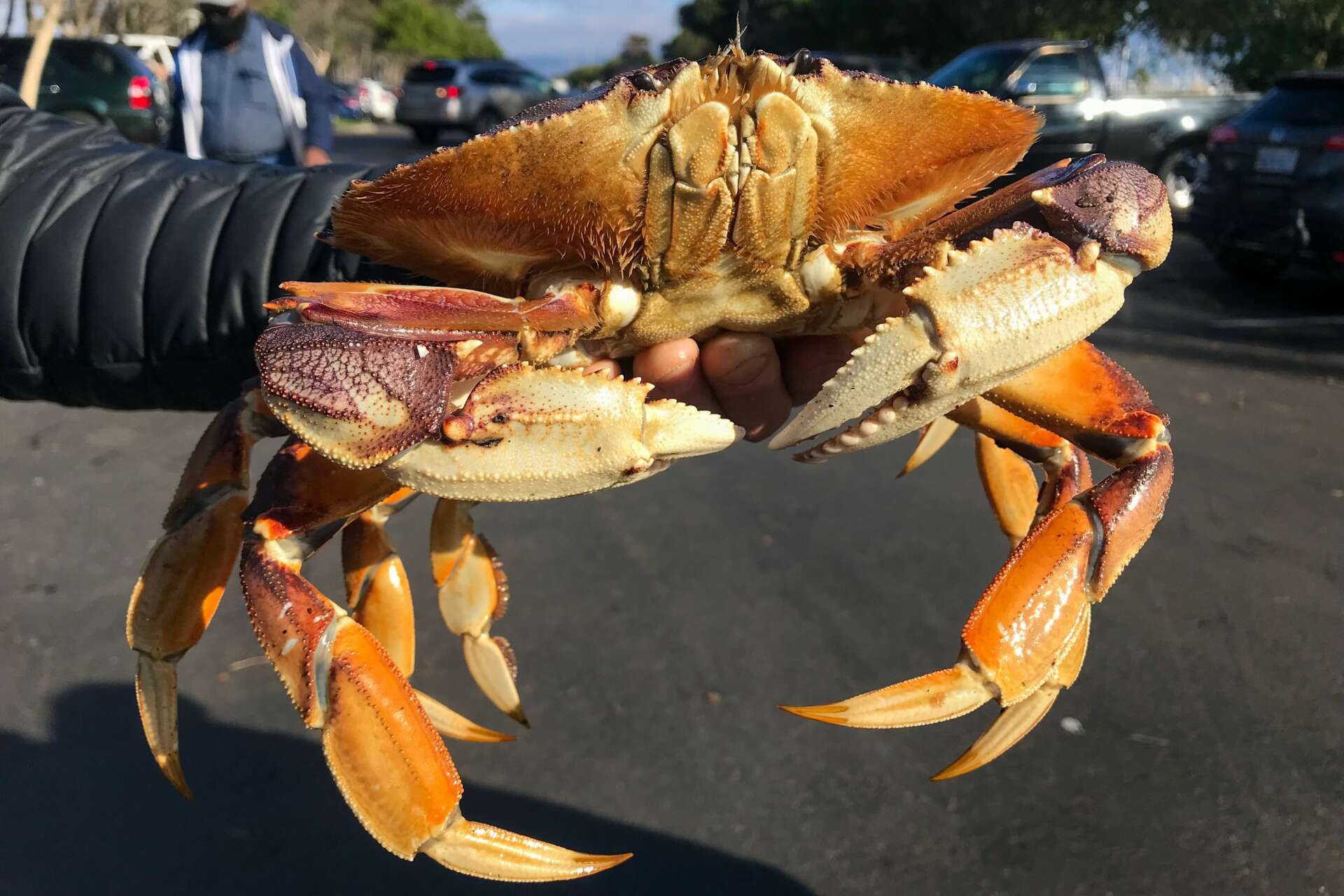
Enjoying California’s Dungeness crab comes with a responsibility to support sustainable practices.
- Support Responsible Fisheries: Choose restaurants and markets that source their crab from well-managed, sustainable fisheries.
- Adhere to Regulations: Recreational crabbers must strictly follow all CDFW regulations regarding size limits, bag limits, and gear to help maintain healthy crab populations.
- Awareness of Challenges: Be mindful of the environmental challenges faced by the crab industry, such as whale entanglement and ocean acidification. Your choices as a tourist can contribute to conservation efforts.
By understanding the seasonal timing, regulations, and best practices, tourists can fully enjoy the rich tradition of Dungeness crab in California, making their visit both delicious and memorable.
LifeOutOfTheBox is a participant in the Amazon Services LLC Associates Program, an affiliate advertising program designed to provide a means for sites to earn advertising fees by advertising and linking to Amazon.com. Amazon, the Amazon logo, AmazonSupply, and the AmazonSupply logo are trademarks of Amazon.com, Inc. or its affiliates. As an Amazon Associate we earn affiliate commissions from qualifying purchases.