
California, often envisioned as a land of endless sunshine and pristine beaches, holds a secret for the discerning traveler: a vibrant, often snow-covered winter wonderland in its majestic mountain ranges. While the image of surfers riding waves year-round is pervasive, a significant portion of the Golden State experiences abundant snowfall, drawing millions for winter sports and breathtaking snowy vistas. For travelers planning a visit, understanding California’s diverse climate and recent snowfall patterns is crucial for crafting the perfect itinerary, whether seeking powder or simply enjoying a crisp, winter escape.
California’s Diverse Climate: A Traveler’s Overview
The geographical tapestry of California is remarkably varied, encompassing arid deserts, verdant valleys, extensive coastlines, and towering mountain ranges. This dramatic topography is the primary driver behind its diverse weather patterns, including where and when snow falls. While coastal cities like Los Angeles and San Francisco rarely see snow, the high-altitude regions, particularly the Sierra Nevada, reliably transform into snowy paradises each winter.
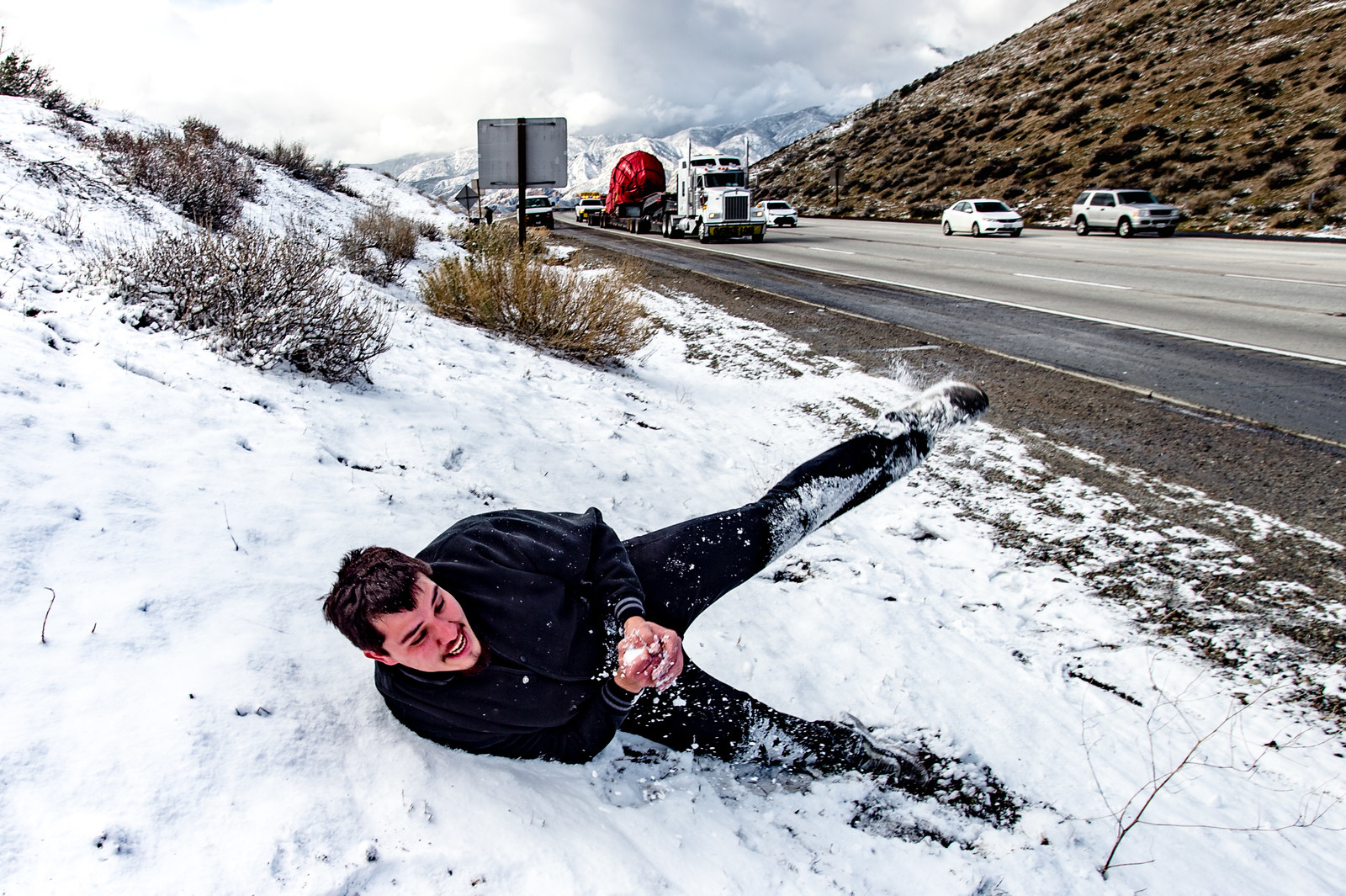
Snowfall in California is predominantly influenced by atmospheric rivers originating from the Pacific Ocean, which deliver significant moisture to the state. As these storm systems collide with the elevated terrain of the Sierra Nevada and other mountain ranges, the moisture is forced upwards, cooling and precipitating as snow. This process ensures that while parts of California remain balmy, others become prime destinations for skiing, snowboarding, and other cold-weather activities. Travelers considering a winter trip must acknowledge this dichotomy, understanding that a ski holiday in Mammoth Lakes is a vastly different experience from a coastal getaway in San Diego.
Tracing Recent Snowfall Events Across the Golden State
While snow is an annual certainty in the higher elevations, travelers often wonder about unusual snowfall events in lower-lying or more populated areas. These rare occurrences capture public imagination and can significantly impact travel plans, even if fleeting.
Unforgettable Winter of 2023: A Blanket of White
The winter of 2022-2023 stands out as one of California’s most memorable and impactful snowfall seasons in recent decades. A series of powerful atmospheric rivers, coupled with unusually cold temperatures, delivered historic amounts of snow across the state, far exceeding average levels. The Sierra Nevada saw some resorts record over 700 inches of snow, creating epic conditions for winter sports but also presenting significant challenges for transportation and access.
What made the 2023 winter particularly noteworthy for travelers were the instances of snow at lower elevations, even reaching parts of the typically warm Southern California foothills. In late February 2023, a rare winter storm dropped snow at elevations as low as 1,000 to 1,500 feet, blanketing areas like the Grapevine in Interstate 5 and bringing flurries to communities on the outskirts of Los Angeles County. For travelers, this meant road closures, particularly on mountain passes, and a spectacular, albeit temporary, transformation of landscapes usually associated with sunshine and palm trees. Ski resorts extended their seasons well into late spring, offering unprecedented opportunities for late-season skiing and snowboarding.
Beyond the Peaks: Notable Low-Elevation Snow Incidents
While the 2023 winter was exceptional, other rare instances of low-elevation snow have occurred, creating unique travel experiences for those who happened to be there. For example, a notable event in February 2019 saw snow dust parts of San Francisco’s higher elevations for the first time in years, alongside light snowfall in other Bay Area communities. Such events are incredibly infrequent and usually consist of very light, quickly melting flurries, offering more of a novelty rather than a sustained winter experience.
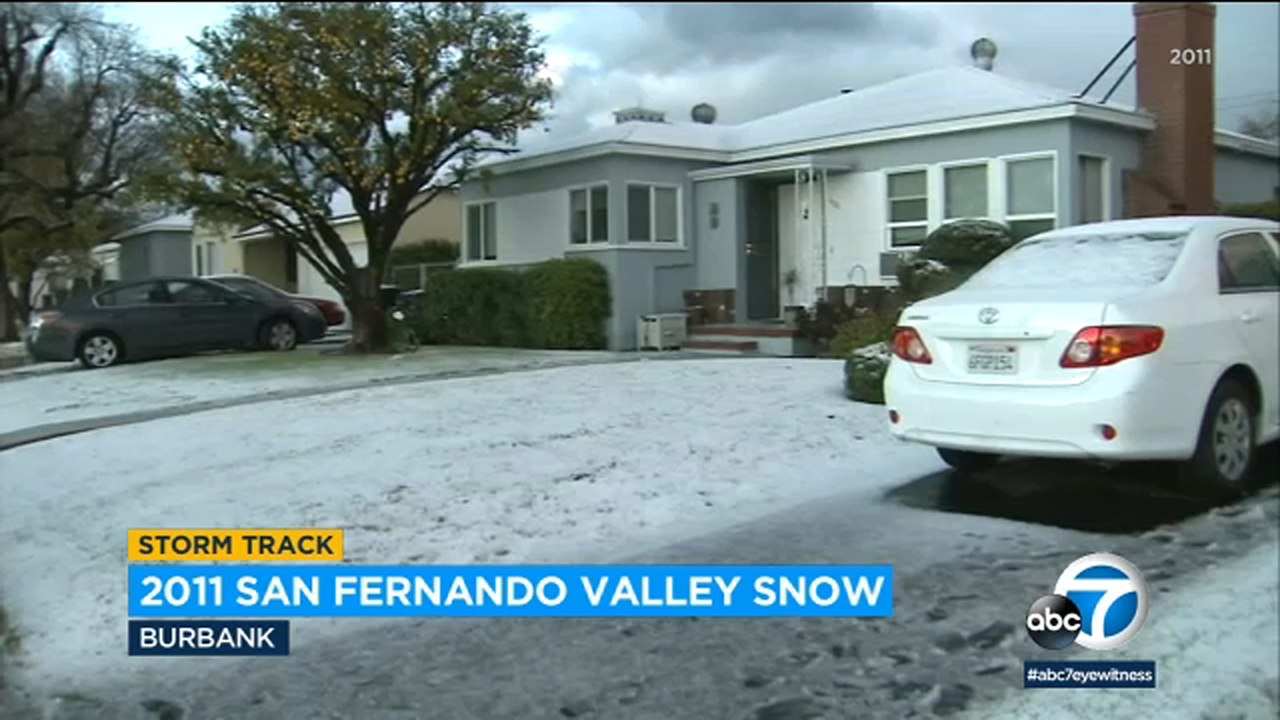
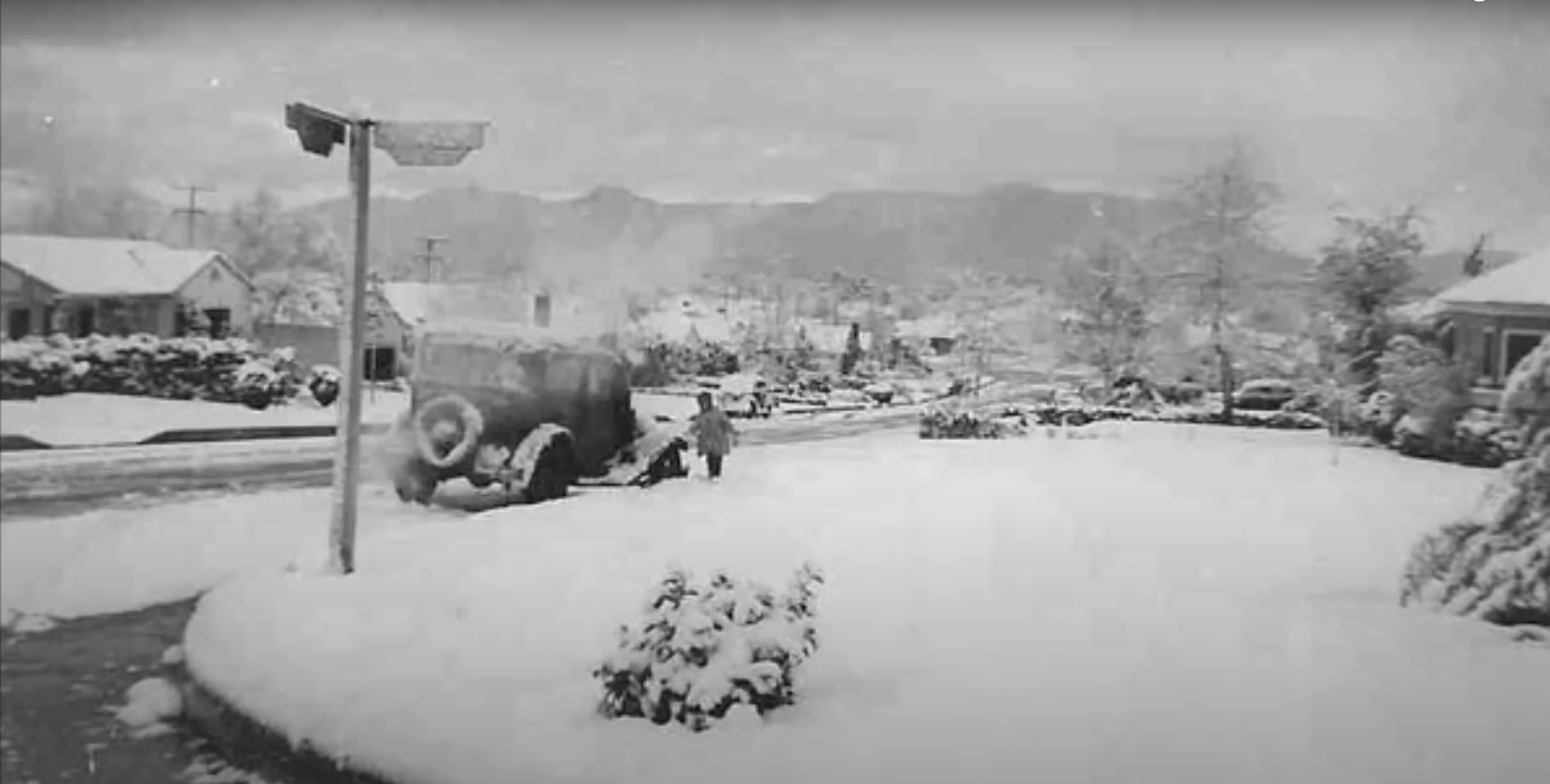
The immediate Los Angeles basin has not seen measurable snow accumulate in decades, with the last significant snowfall in downtown Los Angeles generally cited as January 1962. However, the mountains ringing the Los Angeles area, such as those near Mount Baldy and the San Bernardino Mountains, regularly receive snow each winter, often visible from the city on clear days. These rare low-elevation snow events, while not a basis for planning a “snow trip,” highlight the unpredictable beauty of California’s climate and offer a fleeting glimpse of winter in unexpected places.
Prime Destinations for California Snow Experiences
For travelers actively seeking snow, California offers an abundance of world-class winter destinations that reliably deliver pristine powder and unforgettable experiences.
The Majestic Sierra Nevada
The crown jewel of California’s winter landscape is undoubtedly the Sierra Nevada range, which stretches over 400 miles through the eastern part of the state. This range is home to some of the most famous ski resorts and national parks, boasting impressive snow depths and a wide array of winter activities.
- Lake Tahoe: Straddling the California-Nevada border, Lake Tahoe is arguably California’s most iconic winter destination. Travelers flock here for its stunning alpine lake, vibrant resort towns, and numerous ski resorts like Palisades Tahoe, Heavenly Mountain Resort, and Northstar California. The typical snow season runs from November through April, with peak conditions often in January and February. Beyond skiing, visitors can enjoy snowshoeing, cross-country skiing, ice skating, and scenic gondola rides.
- Mammoth Lakes: Located in the eastern Sierra Nevada, Mammoth Lakes is renowned for its immense snowpack and long ski season, often extending into June or even July. Mammoth Mountain ski resort offers vast terrain for all skill levels. The town itself provides a charming base for exploring the surrounding winter wilderness, with opportunities for snowmobiling, fishing, and taking in views of the majestic peaks.
- Yosemite National Park: While famous for its summer beauty, Yosemite National Park transforms into a tranquil, snow-draped wonderland in winter. Though some roads and facilities close, attractions like Yosemite Valley remain accessible, offering breathtaking views of snow-capped granite cliffs and frozen waterfalls. Cross-country skiing, snowshoeing, and ice skating at Curry Village are popular activities, providing a unique perspective on this iconic park.
Southern California’s Winter Retreats
For travelers based in or visiting Southern California’s urban centers, several accessible mountain towns offer convenient snowy escapes, often just a two-hour drive away.
- Big Bear Lake & Lake Arrowhead: Nestled in the San Bernardino Mountains, these twin destinations provide a quintessential winter experience close to Los Angeles and Orange County. Big Bear Lake is home to Snow Summit and Bear Mountain ski resorts, along with tubing parks and numerous cozy cabins. Lake Arrowhead offers a more serene atmosphere with its charming village and scenic lake views, perfect for a relaxing snowy retreat.
- Mount Baldy: The closest ski area to central Los Angeles, Mount Baldy offers a rugged, authentic ski experience. While smaller than Sierra Nevada resorts, it’s an excellent option for a day trip or a quick dose of winter sports, especially after a fresh snowfall.
Planning Your Winter California Trip: Tips for Travelers
Embracing California’s snowy side requires thoughtful planning to ensure a safe and enjoyable trip.
- Best Time to Visit: The prime snow season in California’s mountains typically runs from December through March. January and February often see the deepest snowpacks and best conditions for skiing and snowboarding.
- Accommodation: Winter is a popular time, especially at resorts like Lake Tahoe and Mammoth Lakes. Book hotels, cabins, and resort stays well in advance, particularly for weekend trips and holidays.
- Road Conditions and Chain Requirements: Traveling to mountain destinations often involves navigating winding roads, and snow chains may be required, even for four-wheel-drive vehicles. Always check road conditions (e.g., Caltrans website) before departing. Renting a vehicle with proper snow tires or carrying chains is essential.
- Pack Appropriately: Layers are key. Include waterproof outer shells, insulated jackets, thermal base layers, hats, gloves, and waterproof boots. Even if you’re not skiing, you’ll want to stay warm and dry for exploring snowy villages or scenic viewpoints.
- Check Weather Forecasts: Mountain weather can change rapidly. Stay informed about upcoming storms, which could impact road closures or resort operations.
- Embrace the Experience: California’s winter offerings are as diverse as its climate. From exhilarating downhill runs to serene snowshoeing through ancient groves, or simply enjoying a hot cocoa by a fireplace overlooking a snowy landscape, a winter trip to California promises a memorable escape from the ordinary.
While California is celebrated for its sun-drenched allure, the last time it snowed significantly in its mountains was throughout the epic winter of 2022-2023, a pattern that repeats annually to varying degrees. For travelers, this means a dual destination: one for endless sunshine, and another, equally captivating, for frosty peaks and exhilarating winter adventures.
LifeOutOfTheBox is a participant in the Amazon Services LLC Associates Program, an affiliate advertising program designed to provide a means for sites to earn advertising fees by advertising and linking to Amazon.com. Amazon, the Amazon logo, AmazonSupply, and the AmazonSupply logo are trademarks of Amazon.com, Inc. or its affiliates. As an Amazon Associate we earn affiliate commissions from qualifying purchases.