
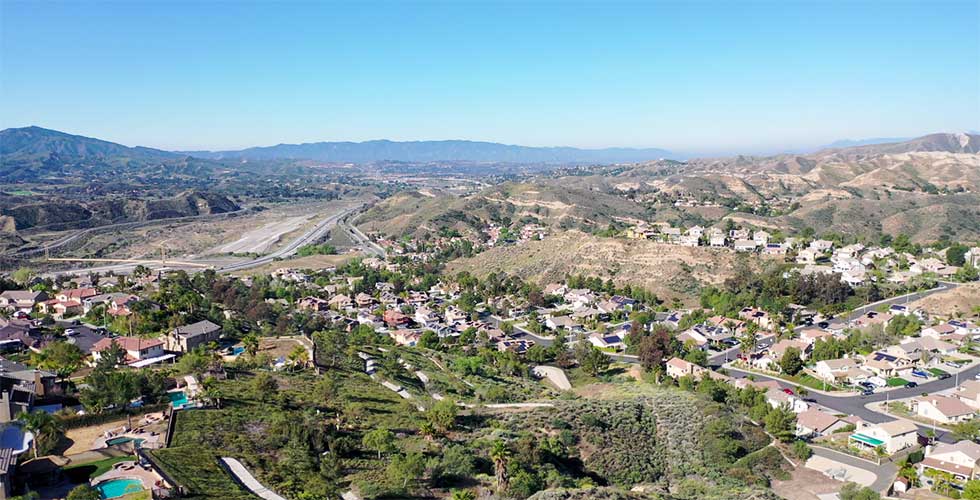
Canyon Country, California, is a vibrant, picturesque community nestled within the expansive Santa Clarita Valley, situated in northern Los Angeles County. Far from being a remote wilderness, it is an integral part of the City of Santa Clarita, offering a unique blend of suburban comfort and immediate access to stunning natural landscapes. Its name is not merely a marketing ploy; it truly reflects the area’s geography, characterized by rolling hills, dramatic canyons, and a semi-arid climate that contributes to its distinct Southern California charm.
Often considered a gateway to outdoor adventure, Canyon Country serves as a perfect base for exploring the diverse ecological wonders of the region, from iconic geological formations to lush riparian corridors. It is strategically positioned along State Route 14, providing easy connectivity to greater Los Angeles to the south and the high desert plains to the north. For travelers seeking a destination that combines accessibility with immersive natural experiences, understanding Canyon Country’s location and offerings is the first step toward an unforgettable California adventure.

Unveiling Canyon Country: A Geographic Overview
Geographically, Canyon Country occupies a significant portion of the eastern Santa Clarita Valley. It is bordered by the Sierra Pelona Mountains to the north and the San Gabriel Mountains, part of the Angeles National Forest, to the east. This strategic location places it at a fascinating crossroads where urban development gracefully gives way to dramatic natural topography.
The community’s development has respected and often integrated these natural features, allowing residents and visitors alike to easily transition from paved streets to rugged trails. Its elevation varies, with many neighborhoods built into hillsides, offering panoramic views of the valley and surrounding mountains. Major arteries like State Route 14 (the Antelope Valley Freeway) run directly through or adjacent to Canyon Country, making it highly accessible by car. To the west, Interstate 5 provides another vital link, connecting the area to vast stretches of California. This network of freeways means that while Canyon Country feels distinct and embedded in nature, it is less than an hour’s drive from the bustling heart of Los Angeles and within easy reach of numerous other Southern California attractions. The proximity to metropolitan areas, coupled with its natural seclusion, positions Canyon Country as an ideal destination for both day-trippers and extended stays.
The Allure of Canyon Country: Natural Beauty and Outdoor Escapes
The true essence of Canyon Country lies in its spectacular natural environment. The landscape here is a testament to millennia of geological activity, resulting in a dramatic interplay of peaks, valleys, and unique rock formations. This setting provides an unparalleled backdrop for outdoor activities, drawing nature enthusiasts, hikers, and photographers.
Hiking and Biking Trails
The network of trails winding through Canyon Country is a primary draw for visitors. These paths cater to all skill levels, from gentle strolls perfect for families to challenging ascents for seasoned adventurers, all offering breathtaking vistas and opportunities for wildlife viewing.
One of the most iconic destinations is Vasquez Rocks Natural Area Park. Famous for its dramatic, sharply uptilted rock formations – a result of seismic activity along the San Andreas Fault – this park offers an otherworldly landscape that has served as a backdrop for countless films and television shows. Visitors can climb the rocks, explore narrow crevices, and enjoy several miles of trails that weave through this geological marvel. The park also hosts a nature center, providing insights into the area’s ecology and history.
Another gem is Placerita Canyon Natural Area. This tranquil preserve boasts a year-round stream, oak woodlands, and a historic ‘Oak of the Golden Dream’ – believed to be the site of California’s first gold discovery in 1842. The park offers educational programs, a charming nature center, and a variety of trails, including the easily accessible Waterfall Trail, which leads to a small, picturesque waterfall. It’s an ideal spot for birdwatching and experiencing a slice of early California history.
For those seeking more challenging terrain, Whitney Canyon Park offers rugged trails that climb into the foothills of the San Gabriel Mountains. This park is known for its elevation changes, providing strenuous workouts and rewarding hikers with expansive views of the Santa Clarita Valley and beyond. The trails here connect to larger networks within the Angeles National Forest, opening up even more possibilities for extended treks.
Equestrian Adventures
Beyond hiking and biking, Canyon Country’s landscape is perfectly suited for horseback riding. The area maintains a strong equestrian culture, with many properties featuring horse facilities and numerous trails designated for riders. Exploring the rolling hills and canyons on horseback offers a unique perspective of the natural beauty, allowing for a slower, more immersive experience. Several local stables and riding centers offer lessons, guided trail rides, and horse rentals, making this activity accessible to both experienced riders and novices. The feeling of traversing rugged terrain, reminiscent of old California ranch life, is an experience not to be missed.
Picnics and Serene Retreats
For those looking for a more relaxed encounter with nature, Canyon Country provides numerous spots for picnicking, photography, or simply unwinding amidst serene surroundings. Many parks and open spaces feature picnic tables and shaded areas, ideal for enjoying a meal outdoors. The tranquility of these natural settings offers a perfect escape from the hustle and bustle, allowing visitors to reconnect with nature, read a book, or simply soak in the peaceful atmosphere and beautiful views. The golden hour light painting the canyon walls is particularly captivating for photographers.
Beyond the Canyons: Nearby Attractions and Family Fun

While the natural landscapes are central to Canyon Country’s appeal, its strategic location in the Santa Clarita Valley means a wealth of other attractions are just a short drive away, enhancing its desirability as a travel destination.
Theme Park Thrills
Perhaps the most famous nearby attraction is Six Flags Magic Mountain. Renowned globally for its record-breaking roller coasters and thrill rides, this theme park draws millions of visitors annually. Adjacent to it is Six Flags Hurricane Harbor, a popular water park offering slides, wave pools, and lazy rivers – perfect for cooling off during California’s warm summers. The proximity of these major theme parks means that a trip to Canyon Country can easily combine outdoor adventures with world-class entertainment, creating a comprehensive itinerary for families and thrill-seekers.
Historical and Cultural Gems
The Santa Clarita Valley is rich in history, and several sites offer a glimpse into its past. William S. Hart Regional Park, located in nearby Newhall, preserves the former ranch of silent film star and Western movie icon William S. Hart. Visitors can tour his magnificent ranch house, which now functions as a museum, see his collection of Western art and artifacts, and visit the live animal preserve, home to American bison and other creatures. It offers a fascinating blend of Hollywood history and natural preservation.
The Santa Clarita History Center, located within Heritage Park in Canyon Country itself, offers another deep dive into local heritage. This unique site features several historic buildings that have been relocated and restored, including an old church, a schoolhouse, and a train station, providing an immersive experience into the valley’s pioneering days and development.
Local Events and Festivals
Throughout the year, the broader Santa Clarita area hosts a variety of events and festivals that can enhance a travel experience. These often celebrate the region’s cowboy heritage, vibrant arts scene, or natural beauty. For instance, the annual Cowboy Festival in Old Town Newhall draws enthusiasts of Western culture with live music, authentic food, and artisan crafts. Checking the local events calendar before a visit can reveal unique opportunities to engage with the community and its traditions.
Planning Your Visit to Canyon Country
To make the most of your trip to Canyon Country, a bit of planning goes a long way. This vibrant region offers distinct experiences depending on the season and how you choose to navigate its diverse offerings.
Best Time to Visit
Canyon Country enjoys a Mediterranean climate, characterized by hot, dry summers and mild, wet winters. The most pleasant times for outdoor activities, particularly hiking and biking, are during the spring (March to May) and fall (September to November). During these seasons, temperatures are comfortable, wildflowers often bloom in spring, and the autumn foliage, though not as dramatic as in other parts of the country, still offers a subtle beauty. Summer (June to August) can be very hot, with temperatures frequently exceeding 90°F (32°C), making early morning or late afternoon activities preferable. Winter (December to February) brings cooler temperatures and occasional rain, which can make the landscape surprisingly green and lush, but some trails might be muddy.
Getting There and Around
Given its location in Southern California, driving is the most practical way to reach and explore Canyon Country. The community is directly accessible via State Route 14, and it’s a short drive from Interstate 5. If flying in, the most convenient airport is Hollywood Burbank Airport (BUR), approximately a 30-minute drive away. Los Angeles International Airport (LAX) is another option, though it’s typically an hour’s drive without traffic, which can vary significantly. Renting a car is highly recommended for flexibility in exploring the various parks, attractions, and nearby communities. While public transportation exists within Santa Clarita, it’s less comprehensive for reaching all the natural areas.
Where to Stay
While Canyon Country itself is primarily residential, the broader Santa Clarita Valley offers a range of accommodation options to suit different preferences and budgets. You’ll find numerous hotels and motels, including well-known chains, particularly concentrated in areas closer to Six Flags Magic Mountain or off Interstate 5. For those seeking a more local experience, vacation rentals (such as Airbnb or VRBO) can be found, offering homes or apartments in residential neighborhoods. Additionally, several campgrounds are available in the surrounding Angeles National Forest for a more immersive outdoor stay, though these require advance booking, especially during peak seasons.
Essential Tips for Travelers
When venturing into the canyons, always prioritize safety and preparation. Carry plenty of water, especially during warmer months, as dehydration can be a serious risk on trails. Wear appropriate footwear for hiking, sun protection (hat, sunglasses, sunscreen), and layered clothing, as temperatures can fluctuate. Inform someone of your hiking plans and estimated return time. Be mindful of wildlife, including rattlesnakes and coyotes, and observe them from a distance. Practicing “Leave No Trace” principles is crucial to preserve the natural beauty of Canyon Country for future visitors. By respecting the environment and planning ahead, your trip to this extraordinary California destination will be both safe and incredibly rewarding.
LifeOutOfTheBox is a participant in the Amazon Services LLC Associates Program, an affiliate advertising program designed to provide a means for sites to earn advertising fees by advertising and linking to Amazon.com. Amazon, the Amazon logo, AmazonSupply, and the AmazonSupply logo are trademarks of Amazon.com, Inc. or its affiliates. As an Amazon Associate we earn affiliate commissions from qualifying purchases.