
California, a land synonymous with innovation, groundbreaking trends, and a perpetually sun-kissed allure, has long been a trailblazer in various spheres. From technological revolutions in Silicon Valley to the glittering dreams of Hollywood, the Golden State consistently shapes cultural narratives. It comes as no surprise, then, that California also played a pivotal role in the global conversation surrounding cannabis legalization. The journey to legalizing “weed” in California is a rich tapestry woven with threads of medical compassion, social justice advocacy, economic foresight, and a distinct counter-culture ethos that has long defined the state. For travelers planning a visit, understanding this historical context is not just about knowing a date, but about appreciating the unique lifestyle, tourism opportunities, and regulatory landscape that define modern California today.
The answer to “When did California legalize weed?” for adult recreational use is multifaceted, involving a significant vote in 2016 and the subsequent implementation of retail sales in 2018. However, this milestone was not an overnight phenomenon; it was the culmination of decades of progressive legislation and grassroots activism that first saw the state embrace medical cannabis more than two decades prior. This evolution has profoundly reshaped the state’s tourism sector, introducing a new dimension of experiences for visitors and locals alike, impacting everything from hotel amenities to guided tours and local attractions.

A Historical Landmark: California’s Path to Cannabis Legalization
The narrative of cannabis legalization in California is not merely a legal timeline but a testament to persistent advocacy and a changing societal perspective. The state has been at the forefront of cannabis reform for decades, laying the groundwork for what would eventually become a national trend.
The Dawn of Medical Cannabis: Proposition 215
The first significant step on California’s path to legalization came in 1996 with the passage of Proposition 215, also known as the Compassionate Use Act. This groundbreaking ballot initiative made California the first state in the nation to legalize cannabis for medical purposes. The proposition allowed seriously ill Californians to obtain and use marijuana for medical treatment with a doctor’s recommendation, protecting patients and their caregivers from criminal prosecution under state law. This was a revolutionary moment, pushing the boundaries of drug policy and setting a precedent that many other states would eventually follow.
The passage of Proposition 215 was a response to the growing recognition of cannabis’s therapeutic benefits for conditions ranging from chronic pain and nausea to AIDS and cancer. It represented a compassionate approach to healthcare and reflected California’s progressive stance on patient rights. While the initial implementation was often ambiguous, leading to a patchwork of local regulations and legal challenges, it undeniably opened the door for a nascent medical cannabis industry and gradually shifted public perception of the plant.
Building Momentum: Decades of Advocacy and Shifting Tides
Following the success of Proposition 215, the movement for broader cannabis reform gained significant traction. Over the next two decades, various advocacy groups worked tirelessly to push for further decriminalization and full adult-use legalization. Organizations like the Drug Policy Alliance, NORML (National Organization for the Reform of Marijuana Laws), the Marijuana Policy Project (MPP), and the American Civil Liberties Union (ACLU) played crucial roles in educating the public, lobbying lawmakers, and funding ballot initiatives.
In 2003, California further solidified its medical cannabis framework with Senate Bill 420 (SB 420). This legislation established a voluntary state ID card program for medical cannabis patients and set possession guidelines, providing more clarity and structure to the medical marijuana program. While still limited to medical use, SB 420 was another incremental step that normalized the discussion around cannabis and paved the way for future reforms.
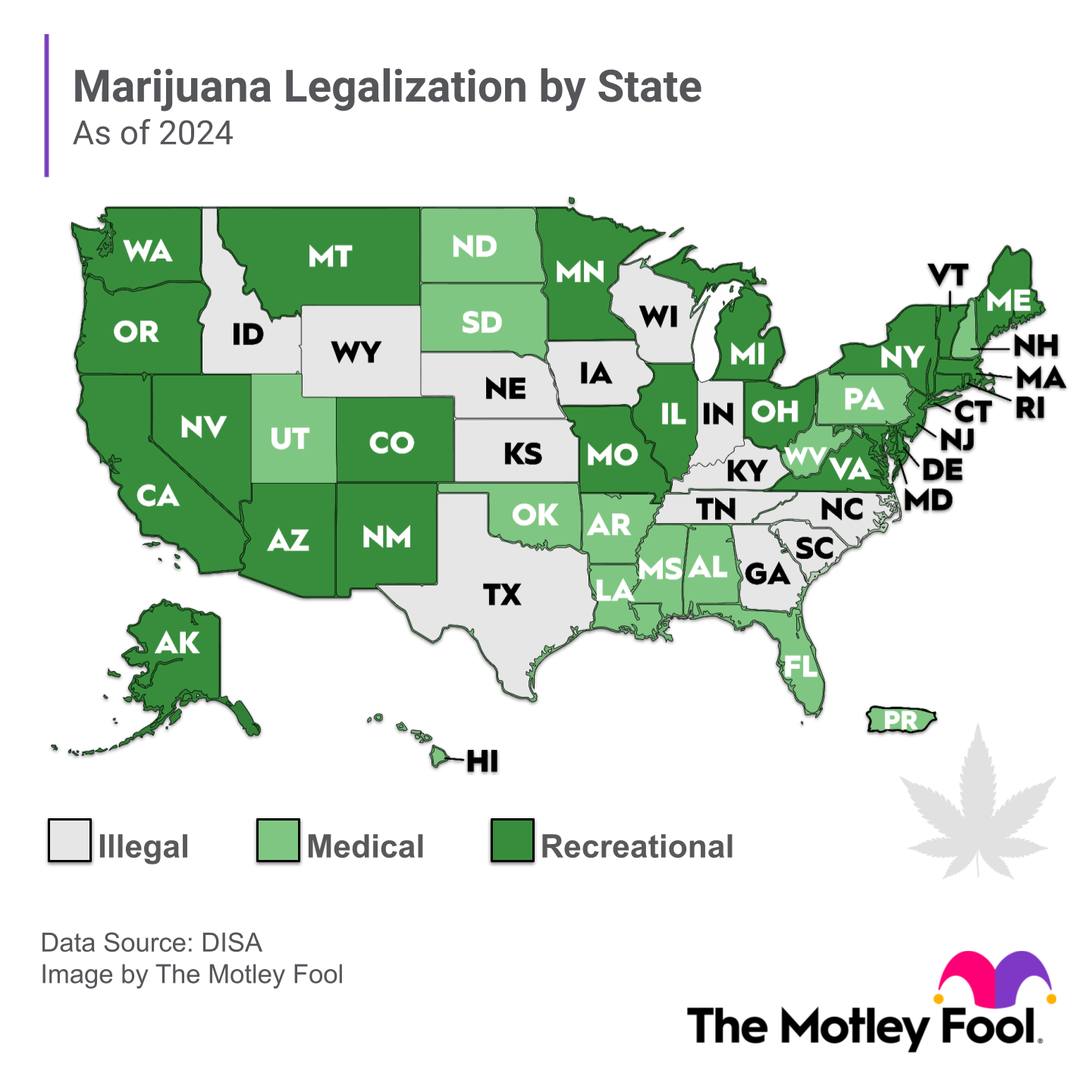
Several attempts to legalize recreational cannabis earlier than 2016 faced setbacks, highlighting the complex political and social landscape. These early efforts, though unsuccessful, were vital in building a foundation, refining arguments, and mobilizing public support, eventually leading to a more robust and successful campaign.
The Adult Use of Marijuana Act: Proposition 64
The definitive answer to when California legalized recreational weed is November 8, 2016. On this historic date, California voters overwhelmingly approved Proposition 64, also known as the Adult Use of Marijuana Act (AUMA). This landmark initiative made recreational cannabis legal for adults 21 years and older. The passage of Proposition 64 was a monumental shift, allowing adults to possess and consume up to one ounce of cannabis and cultivate up to six plants for personal use.
The campaign for Proposition 64 was well-funded and strategically organized, garnering support from influential figures. Tech billionaire Sean Parker, co-founder of Napster and former president of Facebook, was a major financial backer, contributing significantly to the campaign’s success. Former Gov. Jerry Brown also signed the initial regulatory bills that began to shape the new legal market.
While the vote in November 2016 marked the official legalization, the commercial sale of recreational cannabis did not begin immediately. The state required time to establish a comprehensive regulatory framework, issue licenses, and allow businesses to prepare. Thus, retail sales of adult-use cannabis officially commenced on January 1, 2018, marking the start of a new era for California’s economy and culture. This transition period was crucial for setting up the necessary infrastructure for a legal and regulated market.
California’s Cannabis Culture: Navigating the Legal Landscape for Travelers
With recreational cannabis now legal for adults 21 and over, California has opened up a new dimension for tourism and lifestyle experiences. For visitors, this means navigating a unique landscape where cannabis is accessible but still subject to specific rules and norms. This blend of accessibility and regulation creates distinct opportunities and considerations for those exploring the state.
Understanding the Rules: What Visitors Need to Know
While cannabis is legal, it’s essential for travelers to understand the nuances of California law. Just like alcohol, there are regulations regarding purchase, possession, and consumption:
- Age Limit: Only adults 21 years of age or older can purchase, possess, or consume recreational cannabis. A valid government-issued ID is required for purchase.
- Possession Limits: Adults can possess up to 1 ounce (28.5 grams) of dried cannabis flower or 8 grams of concentrated cannabis.
- Public Consumption is Prohibited: Similar to alcohol, consuming cannabis in public places, including streets, parks, restaurants, bars, and federal lands (such as Yosemite National Park or Lake Tahoe), remains illegal. This is a crucial point for tourists, as ignorance of this rule can lead to fines.
- Consumption on Private Property: Cannabis can generally be consumed on private property, provided the property owner permits it. However, it is illegal to smoke cannabis in places where tobacco smoking is prohibited.
- Driving Under the Influence: Driving under the influence of cannabis is illegal and carries severe penalties, similar to DUI for alcohol. Open containers of cannabis are also prohibited in vehicles.
- Transportation Across State Lines: It is illegal to transport cannabis across state lines, even if both states have legalized it. Federal law still classifies cannabis as an illegal substance. It is also illegal to take cannabis on airplanes or other forms of federal transportation.
- Purchasing from Licensed Dispensaries: All cannabis products must be purchased from state-licensed dispensaries. These establishments are regulated to ensure product safety, quality, and proper labeling. Buying from the illicit market is illegal and unsafe.
Experiencing Cannabis Tourism: From Dispensaries to Destinations
The legalization of cannabis has spurred a burgeoning “cannabis tourism” industry in California. This sector offers unique experiences that blend education, leisure, and responsible consumption, attracting a diverse range of visitors.
- Dispensaries: Across major cities like Los Angeles, San Francisco, Berkeley, and Palm Springs, state-licensed dispensaries have become modern, often sleek retail environments. Far from the illicit stereotype, many resemble high-end boutiques, offering a wide array of products, from flower and edibles to tinctures and topicals. Knowledgeable “budtenders” guide customers through selections, providing information on strains, effects, and methods of consumption. For tourists, visiting a dispensary can be an educational experience in itself, offering insight into the legal cannabis market.
- Cannabis Tours: Specialized tour operators offer curated experiences, including visits to cultivation sites, processing facilities, and multiple dispensaries. Some tours even incorporate cannabis-infused dining experiences or art classes. These tours provide a safe and informative way for tourists to engage with the cannabis industry and culture, often highlighting the history and science behind cannabis.
- Consumption Lounges: While public consumption is generally prohibited, a growing number of cities are permitting licensed cannabis consumption lounges. These venues provide a legal and social space for adults to consume cannabis on-site, similar to how bars serve alcohol. These lounges, still relatively new, represent a significant step towards normalizing cannabis consumption in a regulated social setting.
- Cannabis-Centric Attractions: Beyond traditional landmarks like the Hollywood Sign, Golden Gate Bridge, or Disneyland, regions like Napa Valley are even seeing parallels drawn between wine and cannabis, with “seed-to-sale” tours becoming increasingly popular, showcasing the agricultural and craft aspects of cannabis cultivation.
Finding Your Stay: Cannabis-Friendly Accommodations
The question of where to consume cannabis legally is a key consideration for travelers. While many hotels prohibit cannabis use on their premises, a niche market of cannabis-friendly accommodations is slowly emerging:
- Private Rentals: Platforms like Airbnb often feature listings where hosts explicitly state that cannabis consumption is permitted on their property. This offers travelers the privacy and legality they need.
- Boutique Hotels and Resorts: A small but growing number of boutique hotels and resorts are embracing cannabis tourism, some offering dedicated smoking areas, cannabis-friendly packages, or even partnering with local dispensaries for delivery services. These establishments cater specifically to guests who wish to incorporate cannabis into their travel experience, providing a discreet and comfortable environment.
- Designated Consumption Zones: Some hotels or private venues may have designated outdoor areas where cannabis consumption is allowed. It is always advisable for travelers to check with their accommodation provider regarding their specific policies before booking.
As the industry matures, it is anticipated that more mainstream hotels and accommodation providers will adapt to the demand for cannabis-friendly options, further integrating this aspect into the broader tourism landscape of California.
Beyond the High: Economic, Social, and Regulatory Impacts
The legalization of recreational cannabis in California extends far beyond individual consumption, creating a ripple effect across the state’s economy, social fabric, and regulatory environment. It has necessitated the establishment of a robust framework to manage this entirely new industry, while also addressing historical injustices.
A Budding Economy: Tax Revenue and Industry Growth
One of the primary motivations behind Proposition 64 was the potential for significant tax revenue. California’s cannabis market is the largest in the world, generating billions of dollars in sales annually. This translates into substantial tax contributions to state and local coffers, which are earmarked for various public services, including youth programs, environmental protection, and public safety initiatives.
The cannabis industry has also become a major job creator, fostering employment in cultivation, manufacturing, distribution, retail, and ancillary services such as marketing, legal, and security. This growth has provided a new economic engine for many communities, from agricultural regions to urban centers like Sacramento.
However, the industry has not been without its challenges. High taxes and complex regulations have, at times, made it difficult for legal businesses to compete with the persistent black market. This has led to ongoing discussions and adjustments to tax rates and licensing processes to ensure the viability and competitiveness of the legal market. The need for federal banking reform also remains a significant hurdle, as most financial institutions are hesitant to serve cannabis businesses due to federal illegality, leading to a largely cash-based industry with inherent security risks.

Forging a New Framework: Regulation and Social Equity
To manage the vast and complex cannabis market, California established a comprehensive regulatory framework. Three state licensing authorities oversee different aspects of the industry:
- The Bureau of Cannabis Control (BCC) is responsible for licensing retailers, distributors, testing labs, and microbusinesses.
- CalCannabis Cultivation Licensing (part of the Department of Food and Agriculture) oversees cannabis cultivation licenses.
- The Manufactured Cannabis Safety Branch (part of the Department of Public Health) is responsible for licensing cannabis manufacturers.
These agencies work in concert to ensure product safety, quality control, and compliance across the supply chain, from seed to sale. Their stringent regulations aim to protect consumers and maintain integrity within the legal market.
A critical component of Proposition 64 was its focus on social justice and equity. The act included provisions for the expungement or reduction of past cannabis-related criminal convictions, recognizing the disproportionate impact of previous drug laws on marginalized communities. The state has also implemented social equity programs designed to support individuals and communities harmed by the War on Drugs, providing resources and opportunities for them to participate in the legal cannabis industry. These initiatives aim to create a more inclusive and equitable market, addressing historical wrongs while building a future-oriented industry.
Conclusion
The question “When did California legalize weed?” is answered with a dual timeline: November 8, 2016, for the legislative act and January 1, 2018, for the commencement of retail sales. However, this simple answer belies a decades-long saga of pioneering medical reform, relentless advocacy, and a deep-seated cultural shift. California’s journey to cannabis legalization is a testament to its progressive spirit and its capacity to lead the nation in social and economic innovation.
For visitors, this history has culminated in a vibrant and regulated cannabis market that integrates seamlessly, yet cautiously, into the state’s already diverse tourism and lifestyle offerings. Whether exploring the iconic beaches of Southern California, the majestic forests of the North, or the bustling urban centers, travelers now have the option to engage with cannabis in a legal and responsible manner. As the Golden State continues to refine its approach, it remains a fascinating destination for those interested in witnessing the evolving landscape of cannabis culture, policy, and its profound impact on travel and local economies. The legalization of cannabis has not just changed a law; it has added another unique layer to the rich, dynamic tapestry that is California.
LifeOutOfTheBox is a participant in the Amazon Services LLC Associates Program, an affiliate advertising program designed to provide a means for sites to earn advertising fees by advertising and linking to Amazon.com. Amazon, the Amazon logo, AmazonSupply, and the AmazonSupply logo are trademarks of Amazon.com, Inc. or its affiliates. As an Amazon Associate we earn affiliate commissions from qualifying purchases.