
Mono Lake in California stands as one of North America‘s most unusual and captivating natural landmarks. Far more than just a body of water, it is an ancient saline lake in the Eastern Sierra Nevada mountain range, renowned for its striking tufa towers, unique ecosystem, and a dramatic history intertwined with Los Angeles’s water supply. Pinpointing its exact location and understanding its context is key to appreciating this remarkable geological and ecological wonder.
Discovering the Enigmatic Location of Mono Lake
Mono Lake is nestled in the Mono Basin of Mono County, California, on the eastern edge of the Sierra Nevada mountains. Its geographical placement is critical to its unique characteristics, situated in a high-desert environment that contrasts sharply with the alpine peaks immediately to its west. The lake is specifically located east of Yosemite National Park and north of Mammoth Lakes, making it a significant stop for travelers exploring this iconic region.

Geographical Coordinates and Setting
The lake’s center lies roughly at 37.95 degrees North latitude and -118.90 degrees West longitude. It occupies a geologically active area within a vast endorheic basin, meaning it has no outlet to the ocean. This lack of an outlet is fundamental to its defining feature: its extreme salinity and alkalinity. Over millennia, as water has evaporated, dissolved salts have concentrated, creating a hypersaline environment unlike any other major lake in the state. The surrounding landscape is a dramatic tapestry of volcanic cones, sagebrush flats, and the towering granite peaks of the Sierra Nevada forming a breathtaking backdrop, especially at sunrise and sunset. Its elevation is approximately 6,380 feet (1,945 meters) above sea level, although this level has fluctuated significantly throughout its history due to both natural processes and human intervention.
Access Routes and Nearby Gateways
Accessing Mono Lake is relatively straightforward, primarily via two major California highways. U.S. Route 395, a scenic north-south artery running along the eastern Sierra Nevada, passes directly by the lake’s western and southern shores. This route is the main gateway for visitors coming from either northern or southern California. From the south, travelers typically pass through towns like Bishop and Mammoth Lakes before reaching Mono Lake. From the north, U.S. 395 leads past Bridgeport and Lee Vining, with Lee Vining being the closest town and a primary hub for lake access and information.
Another significant access point is California State Route 120 West, also known as the Tioga Pass Road. This seasonal road connects Mono Lake to Yosemite National Park’s eastern entrance, offering a stunning drive through high-alpine landscapes. However, Tioga Pass is typically closed from late fall through late spring due to heavy snow, making U.S. 395 the year-round primary route. The nearest major cities are Reno, Nevada, about a three-hour drive north, and Los Angeles, approximately a five to six-hour drive south. The town of Lee Vining hosts the Mono Lake Committee Information Center & Bookstore, an essential first stop for visitors to gain context and guidance on exploring the landmark.
A Natural Wonder: The Unique Features of Mono Lake
Mono Lake is a natural landmark celebrated globally for its surreal beauty and distinctive ecological characteristics. Its highly alkaline and saline waters, coupled with the dramatic formations of tufa towers, create a landscape that feels almost otherworldly. These features are not merely aesthetic; they are critical components of a thriving, albeit specialized, ecosystem.
The Iconic Tufa Towers
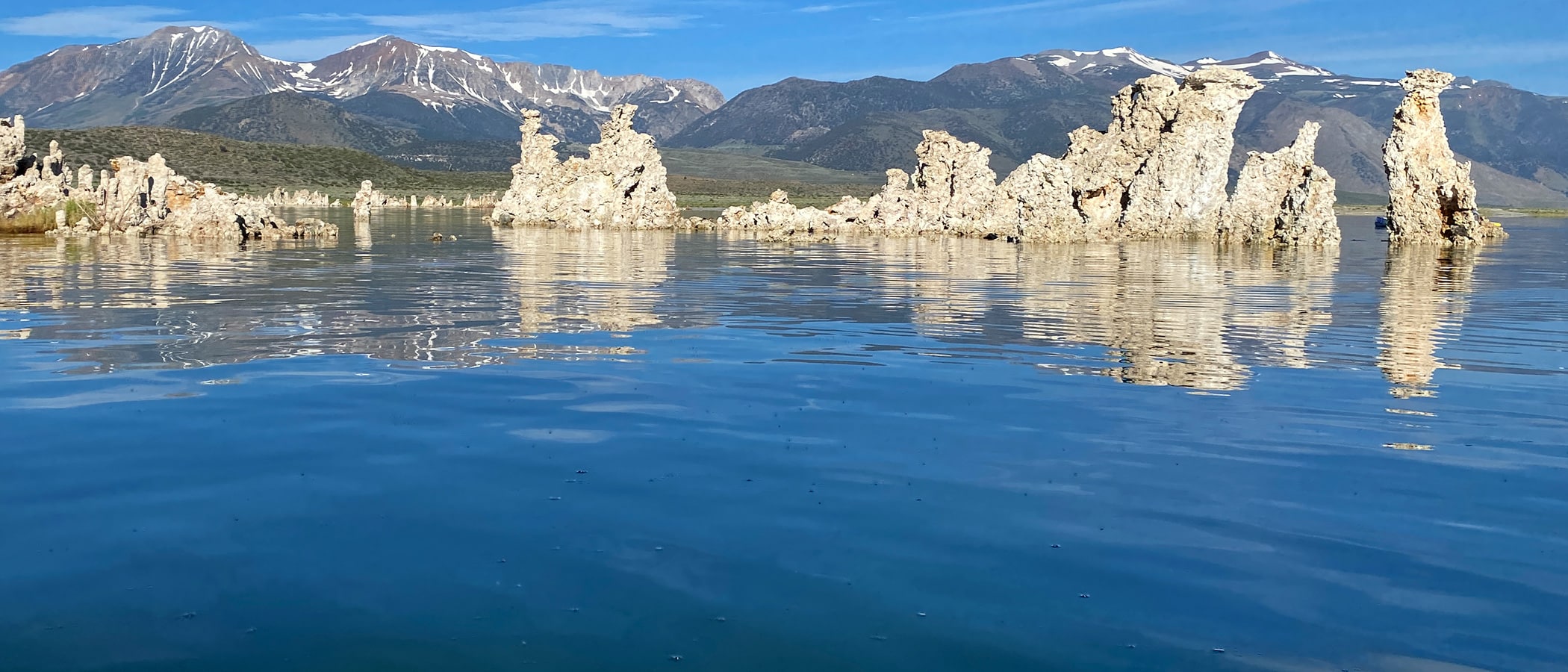
Perhaps the most recognizable feature of Mono Lake is its tufa towers. These captivating limestone spires and knobs rise majestically from the lake’s surface and dot its shores, appearing like ancient ruins or alien structures. Tufa forms when fresh water springs, rich in calcium, bubble up through the alkaline lake water, which is rich in carbonates. The calcium and carbonates combine to form calcium carbonate (limestone), which precipitates around the submerged spring vents, slowly building up these intricate structures over hundreds, even thousands, of years.
Historically, these formations were hidden beneath the lake’s surface. However, a significant drop in the lake’s water level due to diversions in the 20th century exposed many of these tufa towers, transforming the shoreline and revealing their striking beauty. Today, the South Tufa Reserve is the most accessible and popular spot to witness these geological marvels up close, offering easy walking trails and interpretive signs.
A Salty Haven for Life
Despite its extreme conditions – water three times saltier than the ocean and highly alkaline – Mono Lake is teeming with life. Its unique chemistry prevents fish from surviving, but it provides an ideal habitat for two incredibly resilient species: the alkali fly (Ephydra hians) and the Mono Lake brine shrimp (Artemia monica). These tiny invertebrates thrive in the lake’s harsh waters, forming the base of a remarkably productive food web.
The alkali flies lay their eggs in the water, and their larvae feed on algae. Adult flies are often seen walking on the water’s surface, encased in air bubbles, or congregating in vast numbers along the shore, oblivious to human presence. The brine shrimp, microscopic crustaceans, graze on the abundant microscopic algae, multiplying into trillions during the warmer months. These two species represent an extraordinary adaptation to an extreme environment and are crucial to the lake’s ecological value.
Ecological Significance
The sheer abundance of brine shrimp and alkali flies makes Mono Lake an indispensable stopover and nesting site for millions of migratory birds each year. It is a critical link in the Pacific Flyway, providing a vital food source for over 100 species of birds, including vast numbers of California gulls, Wilson’s phalaropes, and red-necked phalaropes. These birds rely on the lake’s bounty to refuel during their long migrations or to raise their young on the lake’s small islands, which offer protection from predators. The lake’s ecological integrity is therefore paramount, not just for its unique internal ecosystem but for the broader health of migratory bird populations across the hemisphere. Its status as a critically important landmark extends far beyond its shores.
The Enduring History and Conservation Story
The history of Mono Lake is one marked by both natural grandeur and human conflict, particularly concerning water rights. This landmark’s narrative is a testament to the power of environmental advocacy and the complex challenges of balancing urban growth with ecological preservation.
A History of Diversion and Drought
For centuries, Mono Lake existed in a relatively stable state, a terminal lake whose level fluctuated naturally with precipitation and evaporation. However, the early 20th century brought a dramatic change. In 1941, the Los Angeles Department of Water and Power (LADWP) completed an extension of its Owens Valley Aqueduct, diverting water from the Mono Basin’s tributary streams that fed Mono Lake. This diversion was intended to supply the growing metropolis of Los Angeles with fresh water.
The consequences for Mono Lake were devastating. Over the next four decades, without its primary water sources, the lake’s volume was halved, and its surface elevation dropped by 45 feet. This exposed vast areas of its bed, revealing the tufa towers and increasing the lake’s salinity to dangerous levels. The increased salinity threatened the brine shrimp and alkali fly populations, which in turn jeopardized the millions of migratory birds that depended on them. Furthermore, the exposed lakebed, rich in alkaline dust, became a source of significant air pollution, posing health risks to nearby communities.
The Fight for Preservation
The plight of Mono Lake did not go unnoticed. In the late 1970s, a grassroots movement emerged, spearheaded by local residents and university students. This movement coalesced into the formation of the Mono Lake Committee, a non-profit organization dedicated to saving the lake. Their efforts led to a landmark legal battle that challenged the LADWP’s water rights under the public trust doctrine, a legal principle asserting that certain natural resources are held in trust by the state for the benefit of all citizens.
After years of litigation, the California State Water Resources Control Board issued a crucial decision in 1994. It mandated that the lake be restored to an ecologically sustainable level of 6,392 feet above sea level. This decision required a significant reduction in water diversions to Los Angeles, demonstrating a precedent-setting victory for environmental protection over established water rights.
Mono Lake Committee’s Legacy
The Mono Lake Committee continues its vital work today, engaging in advocacy, education, and research to ensure the long-term health of Mono Lake and the entire Mono Basin. Their success transformed Mono Lake from a symbol of environmental degradation into a beacon of conservation, illustrating that even seemingly insurmountable environmental challenges can be addressed through persistent advocacy and public engagement. This makes Mono Lake not only a natural landmark but also a historical landmark in the annals of environmental law and activism.
Experiencing Mono Lake: A Landmark of Natural Beauty and Scientific Interest
Visiting Mono Lake offers a truly unique experience, immersing visitors in an extraordinary landscape that blends stark beauty with vibrant life and a compelling narrative of perseverance. As a landmark, it provides a multitude of avenues for exploration and appreciation, from geological wonders to critical ecological observation.
Visitor Activities and Interpretive Centers
The primary destination for most visitors is the South Tufa Reserve, located off Highway 120 East (a short drive from U.S. 395). Here, well-maintained trails lead directly among the impressive tufa towers, offering unparalleled photographic opportunities and direct access to the lake’s shores. Interpretive signs provide detailed information about the lake’s geology, ecology, and history. During summer months, the Mono Lake Committee and the U.S. Forest Service offer guided walks at the South Tufa area, enriching the visitor experience with expert insights into this natural wonder.
Another excellent starting point is the Mono Lake Committee Information Center & Bookstore in Lee Vining, which provides maps, educational exhibits, and current conditions. The nearby Mono Basin Scenic Area Visitor Center, operated by the U.S. Forest Service, offers panoramic views of the lake and mountains, additional exhibits, and a film about the lake’s story. For a more immersive experience, kayaking or canoeing on the lake’s calm, salty waters is possible, offering a unique perspective of the tufa towers from the water. Swimming is also permitted, and while the water is cold, its buoyancy allows for effortless floating.
Photography and Stargazing Opportunities
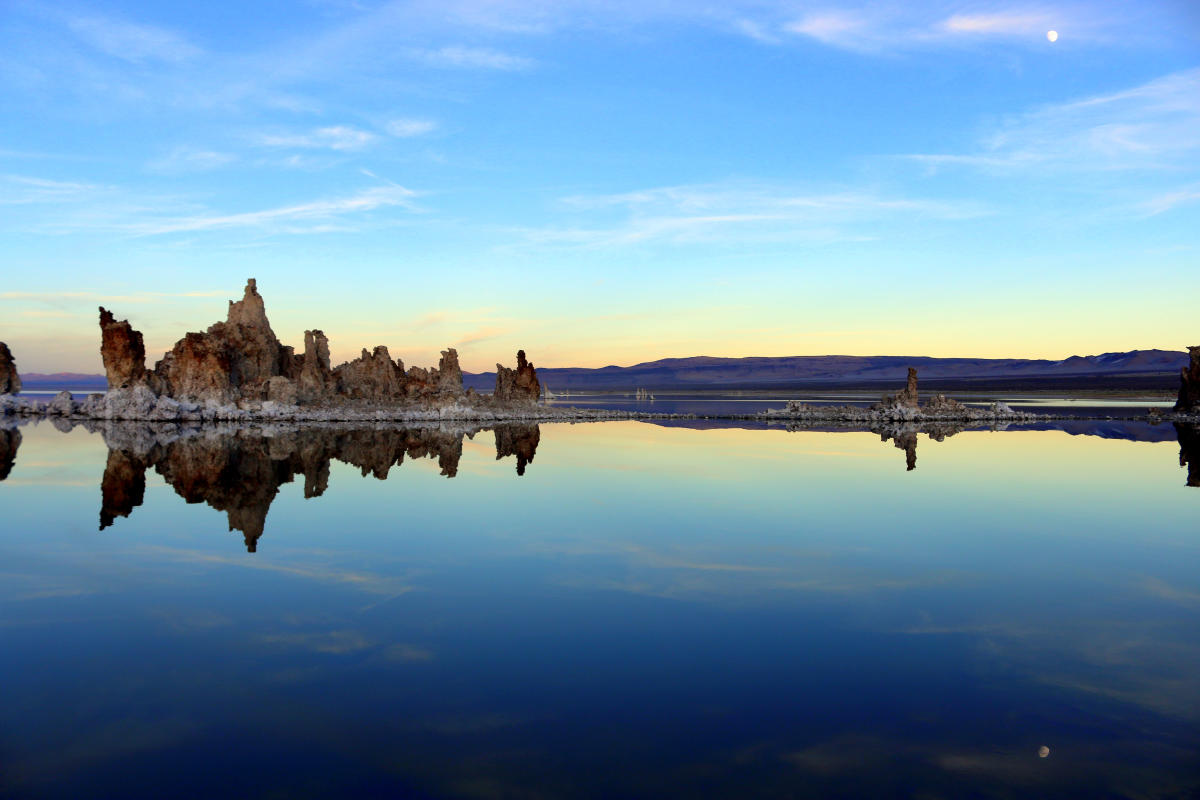
Mono Lake’s dramatic landscape, especially at dawn and dusk, makes it a prime location for photographers. The golden light bathing the tufa towers, reflected in the still, glassy water, creates ethereal and unforgettable scenes. The contrast between the stark white tufa, the deep blue of the lake, and the rugged Sierra Nevada peaks provides endless compositional possibilities.
Beyond daylight, Mono Lake’s remote location and typically clear skies make it an exceptional spot for stargazing and astrophotography. Far from urban light pollution, the Milky Way often stretches vividly across the night sky, with the tufa towers silhouetted against a backdrop of countless stars. This profound connection with the cosmos adds another layer to the landmark’s appeal, inviting quiet contemplation and a sense of wonder.
Scientific Research and Education
Beyond its aesthetic and recreational value, Mono Lake remains a significant site for scientific research. Its unique extremophile ecosystem continues to fascinate biologists, while geologists study its volcanic past and the ongoing processes of tufa formation. The long history of environmental conservation efforts also provides a living laboratory for studying water management, environmental law, and the resilience of natural systems. Educational programs for students of all ages are regularly conducted, using the lake as a dynamic outdoor classroom to teach about ecology, geology, and responsible environmental stewardship. This ongoing engagement with science and education solidifies Mono Lake’s role as a landmark of not just natural beauty, but also intellectual curiosity and environmental responsibility.
LifeOutOfTheBox is a participant in the Amazon Services LLC Associates Program, an affiliate advertising program designed to provide a means for sites to earn advertising fees by advertising and linking to Amazon.com. Amazon, the Amazon logo, AmazonSupply, and the AmazonSupply logo are trademarks of Amazon.com, Inc. or its affiliates. As an Amazon Associate we earn affiliate commissions from qualifying purchases.