
For anyone planning a trip to the Golden State or simply trying to coordinate schedules across time zones, understanding when and why time changes in California is essential. Like most of the United States, California observes Daylight Saving Time (DST), a biannual tradition that shifts the clocks forward in spring and back in autumn. This practice, while seemingly straightforward, carries significant implications for travel planning, daily routines, and even the broader tourism industry that thrives in California. From catching a sunrise over the Pacific Ocean to making your dinner reservation in Napa Valley, knowing the rhythm of time changes can enhance your entire California experience, ensuring you make the most of every precious moment.
Understanding Daylight Saving Time in California
The concept of shifting clocks to maximize daylight hours has a long and somewhat contentious history. In California, this means a temporary adjustment from Pacific Standard Time (PST) to Pacific Daylight Time (PDT) for a significant portion of the year. This transition is not merely a formality; it reshapes the daily landscape for millions of residents and countless visitors, influencing everything from morning commutes to evening excursions.
The Annual Ritual: Spring Forward and Fall Back
The mechanism of Daylight Saving Time in California follows the federal guidelines set for most of the United States. Annually, residents and travelers witness two distinct changes:
-
Spring Forward: On the Second Sunday in March, clocks are advanced by one hour at 2:00 AM PST, effectively becoming 3:00 AM PDT. This shift “steals” an hour from the early morning, pushing daylight later into the evening. For travelers, this means shorter mornings but extended opportunities for evening activities. If you’re checking into a hotel or embarking on an early tour, it’s crucial to verify your timings, as automated systems usually adjust, but personal schedules might need manual synchronization.
-
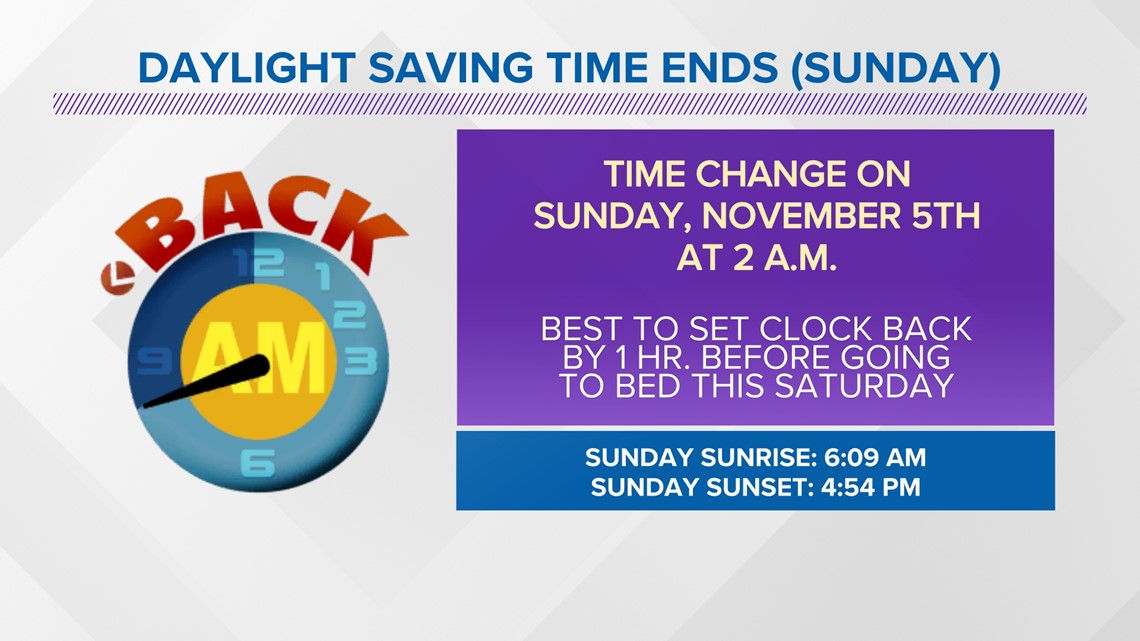
Fall Back: On the First Sunday in November, the process reverses. Clocks are set back by one hour at 2:00 AM PDT, returning to 1:00 AM PST. This change grants an extra hour in the morning, making sunrises earlier and sunsets correspondingly earlier. For visitors, this can mean a welcome extra hour of sleep or more time to enjoy a leisurely breakfast at their accommodation before heading out to explore California’s diverse landmarks and attractions.
Throughout this period, California operates on the Pacific Time Zone (PT), transitioning between its standard and daylight saving designations. This change is crucial for coordinating with activities, attractions, and especially transportation schedules across the state, from San Diego in the south to the redwood forests in the north.
A Brief History and the Rationale Behind DST
The modern concept of Daylight Saving Time can be traced back to the early 20th century, notably gaining traction during World War I as a measure to conserve energy for war production. The core idea was simple: by shifting an hour of daylight from the morning to the evening during warmer months, people would theoretically use less artificial lighting.
In the United States, the observance of Daylight Saving Time was made uniform with the passage of the Uniform Time Act of 1966. This act mandated the specific start and end dates for DST across the nation, although it allowed states the option to exempt themselves (as Arizona and Hawaii have done). The rationale often cited includes:
- Energy Conservation: While initially a primary driver, studies on the actual energy savings are mixed, with some suggesting minimal or even negative impacts due to increased air conditioning use in the evenings.
- Economic Benefits: Proponents argue that extended daylight encourages more outdoor activities, which can boost retail sales and tourism. People are more likely to shop, dine out, or visit attractions like Disneyland or the Santa Monica Pier when it’s still light outside.
- Public Safety: Some research suggests that later sunsets can lead to fewer traffic accidents and reduced crime rates, as more activities occur during daylight hours.
- Lifestyle and Well-being: Many appreciate the extra daylight in the evenings for recreation, exercise, and leisure, fostering a sense of extended summer evenings that aligns perfectly with California’s outdoor-centric lifestyle.
Despite these perceived benefits, DST also faces criticism, largely centered on its disruptive effects on sleep patterns, potential health issues, and the sheer inconvenience of the biannual clock change. These debates continue to fuel discussions about its future in California and beyond.
Navigating Time Changes as a Traveler in California
For those exploring California, the biannual time change is more than just a trivia fact; it’s a practical consideration that can influence everything from transportation logistics to maximizing your sightseeing opportunities. Careful planning can turn a potential inconvenience into an advantage, allowing you to seamlessly adapt and fully immerse yourself in the Golden State’s unique offerings.
Planning Your California Adventure Around DST
When the clocks “spring forward” or “fall back,” the impact on your travel itinerary can be subtle yet significant. Awareness is key to avoiding missed flights, late check-ins, or confusing tour start times.
-
Transportation Schedules: The most immediate impact of DST is on transportation. Flight departure and arrival times, especially for long-haul international flights, are typically adjusted by airlines and airports well in advance. However, it’s always prudent to double-check your itinerary directly with airlines like those operating out of Los Angeles International Airport (LAX) or San Francisco International Airport (SFO) around the changeover dates. Similarly, train and bus schedules might see minor adjustments, particularly for routes that cross multiple time zones. If you’re planning a scenic train journey through the California countryside, confirm the departure times.
-
Accommodation Check-ins and Check-outs: Hotel policies usually account for the time change, but if your arrival or departure coincides with the DST shift, it’s wise to confirm your booking details. An extra hour or a lost hour can affect when your room is ready or when you need to vacate, particularly in busy destinations like Los Angeles or San Francisco where hotel turnover is high. Many accommodations, from luxury resorts to boutique hotels, offer flexible check-in options, but pre-communication is always best.
-
Tour Bookings and Reservations: California boasts an incredible array of tours, from Napa Valley wine tastings to whale watching excursions off the coast. Confirm the start times for any pre-booked activities, especially those scheduled for the morning immediately following the time change. The same applies to restaurant reservations, particularly for popular dining spots in urban centers or for special events. A quick call or email to confirm can prevent misunderstandings and ensure your tourism experiences go off without a hitch.
-
Jet Lag Considerations: For international travelers, especially those arriving from Europe or Asia, the time change can compound existing jet lag. When arriving during “spring forward,” you’ll effectively lose another hour relative to your body clock, potentially making initial adjustments harder. Conversely, “falling back” might offer a slightly gentler introduction, providing an extra hour for your body to acclimate. Planning for an initial day of relaxed exploration or an extra night at a comfortable hotel could make a significant difference in your overall experience.
Maximizing Your California Experience with Extended Daylight
One of the undeniable perks of Daylight Saving Time is the gift of extended daylight in the evenings. This is particularly advantageous for tourists looking to pack more into their California itineraries, enhancing everything from sightseeing to outdoor recreation and evening entertainment.
-
Extended Sightseeing Opportunities: Imagine visiting the Golden Gate Bridge as the sun sets, or lingering longer at the Hollywood Walk of Fame without rushing against the fading light. DST provides precious extra hours of daylight, perfect for exploring California’s iconic landmarks and attractions. Whether you’re marveling at the natural beauty of Yosemite National Park or enjoying the vibrant atmosphere of Anaheim’s Disneyland, these longer evenings allow for a more leisurely pace and stunning golden-hour photography opportunities.
-
Enhanced Outdoor Activities: California’s diverse landscapes are best enjoyed outdoors. With DST, outdoor enthusiasts can extend their adventures. Think about taking a sunset hike in Malibu, enjoying an extra hour on the beaches of Laguna Beach, or perfecting your swing on a Palm Springs golf course later into the day. Water sports, cycling routes, and even simple strolls through urban parks become more accessible and enjoyable with the benefit of natural light.
-
Leisurely Dining and Evening Entertainment: The shift to PDT often means a more relaxed approach to evening plans. Dinner reservations can be pushed back, allowing more time for pre-dinner drinks at a rooftop bar overlooking Los Angeles or a sunset stroll along the waterfront in San Francisco. Evening shows, concerts, and cultural events also benefit, as the transition from daylight to evening activities feels more gradual and less rushed. This extended evening period contributes significantly to the vibrant social and tourism scene, allowing travelers to savor California’s culinary delights and entertainment options well into the night.
-
Long-Term Stays and Accommodation Planning: For those considering long-term stays or extended vacations in California, understanding the DST cycle can influence the best time to visit. If maximizing daylight for outdoor activities is a priority, planning your trip during the spring and summer months when DST is in effect will provide those coveted extra hours of sunlight. This is especially true for destinations like Lake Tahoe or the coastal regions, where daylight significantly enhances the experience.
The Ongoing Debate: Is Daylight Saving Time Here to Stay in California?
Despite its long-standing tradition, the future of Daylight Saving Time in California is far from settled. A growing movement, driven by public opinion and concerns over health impacts, has sought to abolish the biannual clock change, leading to significant legislative efforts at both state and federal levels. The debate highlights the complex interplay between tradition, convenience, health, and economic considerations.
Past Efforts and Proposition 7
The discussion around ending DST in California gained substantial momentum in 2018. That year, California voters overwhelmingly approved Proposition 7, an initiative that granted the state legislature the power to change DST observance. The proposition effectively repealed the mandate from the 1949 voter initiative that enshrined DST in California law.
However, passing Proposition 7 was merely the first step. For California to permanently adopt either Daylight Saving Time or Standard Time, several additional hurdles must be cleared:
- Legislative Action: The state legislature, based in Sacramento, would need to pass a bill with a two-thirds vote to enact a permanent time change.
- Federal Approval: Even with state legislative approval, changing the observance of DST requires the consent of the U.S. Congress. The Uniform Time Act of 1966 dictates that states can opt out of DST and remain on permanent Standard Time, but they cannot unilaterally adopt permanent Daylight Saving Time without federal approval. This nuance is critical, as many proponents in California desire year-round PDT, not permanent PST.
Since the passage of Proposition 7, various bills have been introduced in the California legislature, but none have successfully navigated all the necessary steps to implement a permanent change. The complexity of state and federal coordination, coupled with differing opinions on whether to choose permanent PST or permanent PDT, has kept the issue in legislative limbo.
Potential Future Scenarios: Permanent DST or Standard Time?
The debate over the future of time in California essentially boils down to two main options, each with its own set of arguments and implications:
-
Permanent Daylight Saving Time (Year-round PDT): This option is favored by many who appreciate the extended evening daylight for recreational activities, tourism, and retail. Proponents argue it could reduce energy consumption, boost the economy by encouraging more outdoor and evening activities, and potentially improve public safety. From a lifestyle perspective, it aligns with California’s outdoor culture. However, this would require a change in federal law to permit states to adopt year-round DST. The U.S. Congress has considered federal legislation, such as the Sunshine Protection Act, which aims to make DST permanent nationwide. While this act passed the Senate in 2022, it stalled in the House of Representatives, indicating the ongoing national debate.
-
Permanent Standard Time (Year-round PST): This option would eliminate the clock changes entirely, similar to what Arizona and Hawaii currently do. Advocates for permanent Standard Time emphasize the health benefits of consistent sleep patterns, citing studies linking DST transitions to increased heart attacks, strokes, and car accidents. It would also lead to brighter mornings, which can be beneficial for school children and morning commuters. From a practical standpoint, this is the easier path legally for California, as it only requires state legislative action, not federal approval. However, it would mean significantly earlier sunsets in the summer, potentially impacting evening tourism and recreational activities.
As of now, California continues to observe Daylight Saving Time according to the federal schedule. While legislative discussions persist, travelers and residents alike should plan for the biannual clock changes on the Second Sunday in March and the First Sunday in November. Staying informed about these dates is crucial for seamless travel, efficient planning, and fully enjoying all that California has to offer, regardless of the time on the clock. The allure of the Golden State, from its iconic landmarks to its vibrant cities, remains timeless, even if the hours within a day occasionally shift.
LifeOutOfTheBox is a participant in the Amazon Services LLC Associates Program, an affiliate advertising program designed to provide a means for sites to earn advertising fees by advertising and linking to Amazon.com. Amazon, the Amazon logo, AmazonSupply, and the AmazonSupply logo are trademarks of Amazon.com, Inc. or its affiliates. As an Amazon Associate we earn affiliate commissions from qualifying purchases.