
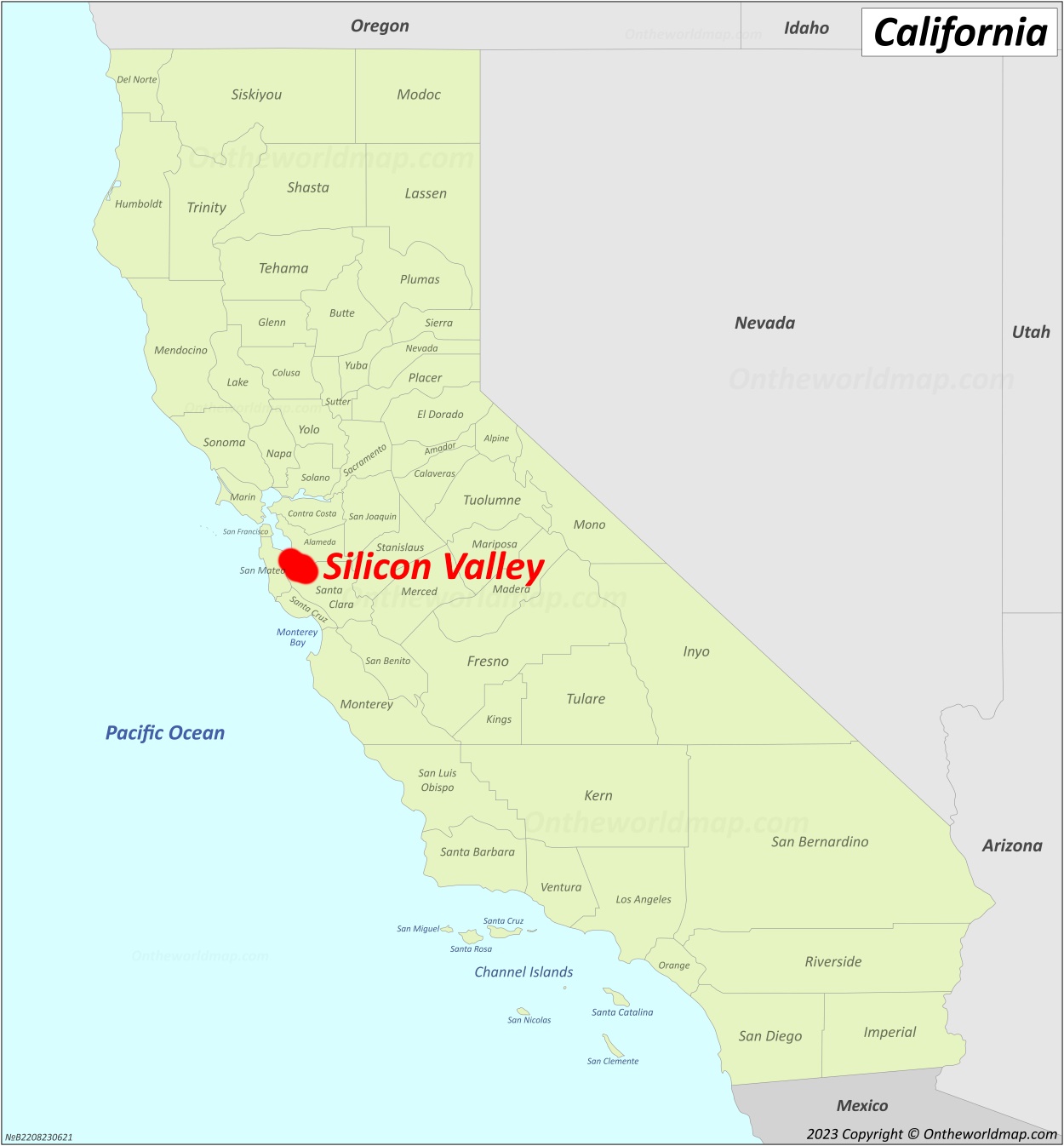
Silicon Valley, a name synonymous with innovation, technology, and groundbreaking advancements, is not a single city or a clearly defined geographical point on a map. Instead, it is a region primarily located in the southern part of the San Francisco Bay Area in California. For travelers, understanding its precise location is the first step to exploring this influential hub of human ingenuity and its surrounding attractions. This dynamic area stretches across several counties, with its heart beating strongest in the Santa Clara Valley, making it a unique destination for those interested in the future, history, and culture of technology.
Pinpointing the Geographic Heart of Innovation
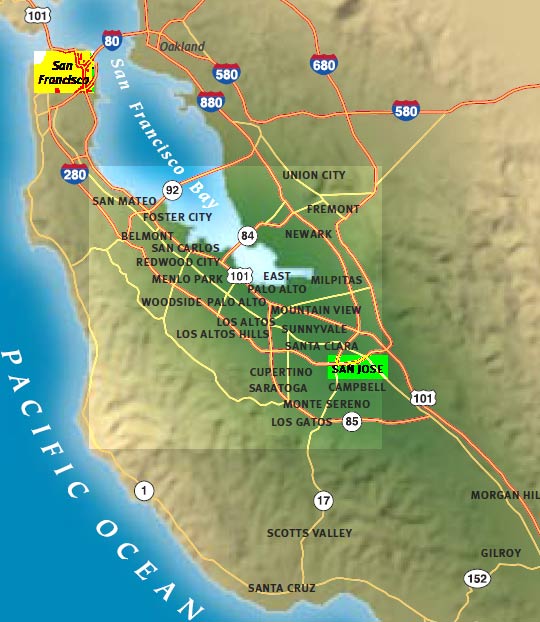
While the term “Silicon Valley” has become a global metaphor for high-tech entrepreneurship, its physical boundaries are more fluid. Geographically, it generally encompasses the southern half of the San Francisco Bay Area. This includes most of Santa Clara County, significant portions of San Mateo County, and extends into parts of Alameda County and even Santa Cruz County.
The Core Counties and Their Significance
The undeniable epicenter of Silicon Valley is Santa Clara County. This county hosts many of the world’s most prominent technology companies and research institutions. Its landscape is dotted with sprawling corporate campuses that have become iconic symbols of technological progress. Further north, San Mateo County acts as a vital bridge, connecting the core of the Valley to San Francisco and extending its influence. The presence of these counties together forms a contiguous region rich in technological infrastructure and a unique socio-economic environment. The geographical spread means that visitors often need to plan their exploration across multiple cities rather than focusing on a single point.
Key Cities within the Hub
The tapestry of Silicon Valley is woven from numerous cities, each contributing to its unique character and technological prowess.
-
San Jose: Often referred to as the “Capital of Silicon Valley,” San Jose is the largest city in the region and the third-largest in California. It serves as a major urban center with a diverse economy that includes both established tech giants and a thriving startup scene. For travelers, San Jose offers a range of accommodations, dining, and cultural attractions, making it an excellent base for exploring the wider Valley.
-
Palo Alto: Home to Stanford University, a foundational institution for Silicon Valley’s genesis, Palo Alto is renowned for its charming downtown, entrepreneurial spirit, and high concentration of venture capital firms. Its tree-lined streets and proximity to tech pioneers make it a picturesque and intellectually stimulating place to visit.
-
Mountain View: This city is famously home to the Googleplex, the headquarters of Google. Mountain View offers a glimpse into the corporate culture of one of the world’s most influential companies, alongside a vibrant downtown area and attractions like the Computer History Museum.
-
Cupertino: Perhaps best known as the home of Apple Inc. and its iconic Apple Park Visitor Center, Cupertino allows visitors to get a taste of one of the world’s most recognized brands.
-
Sunnyvale and Santa Clara: These cities also host numerous tech companies and offer significant commercial and residential areas. Santa Clara is home to Levi’s Stadium and the Intel Museum, providing both entertainment and educational opportunities for visitors.
Other important cities include Menlo Park (Facebook/Meta headquarters), Fremont (Tesla factory), Redwood City, San Carlos, Los Altos, Saratoga, Los Gatos, Gilroy, and Morgan Hill, each contributing to the expansive and diverse fabric of the region.
Beyond the Map: What Makes Silicon Valley a Destination?
While its location is critical, Silicon Valley’s allure as a travel destination extends far beyond its geographical coordinates. It’s a place where history is made daily, where the future is actively engineered, and where curiosity is perpetually rewarded.
Iconic Tech Campuses to Explore
For many, a trip to Silicon Valley is a pilgrimage to the headquarters of the companies that have reshaped modern life. While most campuses are not open for public tours, many offer visitor centers or publicly accessible areas that provide a fascinating glimpse into their operations and philosophies.
- Apple Park Visitor Center in Cupertino: A modern marvel, this visitor center includes an immersive augmented reality experience of the campus, a café, and an Apple Store with exclusive merchandise. It’s a must-see for fans of the brand.
- Googleplex in Mountain View: While interior access is limited to employees and guests, the outdoor areas are popular for photos. Visitors can often spot the iconic Android statues and the colorful Google bikes.
- Intel Museum in Santa Clara: This museum offers an engaging, hands-on journey through the history of semiconductors and the story of Intel. It’s an educational and entertaining stop for all ages.
- NASA Ames Research Center in Mountain View: A testament to innovation beyond just computing, NASA Ames has a small visitor center with exhibits detailing its contributions to space exploration and aeronautics.
These sites offer more than just photo opportunities; they provide a tangible connection to the technological revolution that defines the region.
Innovation and Entrepreneurship at Every Turn
The spirit of innovation is palpable throughout Silicon Valley. Beyond the corporate campuses, numerous incubators, accelerators, and co-working spaces buzz with activity, fueling the next wave of disruptive technologies. Visitors can absorb this atmosphere by exploring areas around Stanford University in Palo Alto or the downtown districts of cities like San Jose and Mountain View, where cafes and collaborative spaces host spirited discussions and groundbreaking ideas are often born.
Planning Your Visit to Silicon Valley
Traveling to Silicon Valley requires a bit of planning, given its sprawling nature. However, its robust infrastructure makes it a relatively accessible and rewarding destination.
Transportation and Accessibility
The region is served by three major international airports: San Jose International Airport (SJC) is centrally located within the Valley, making it the most convenient option for direct access. San Francisco International Airport (SFO) and Oakland International Airport (OAK) are also within reasonable driving distance, offering more flight options.
Once on the ground, a rental car is highly recommended for exploring the various cities and attractions at your own pace. Public transportation options exist, including CalTrain (a commuter rail line connecting San Francisco to San Jose with stops throughout the Valley) and the Valley Transportation Authority (VTA) light rail and bus system, but they can be less efficient for navigating between dispersed corporate campuses and cultural sites.
Exploring Beyond Tech
While technology is the undeniable draw, Silicon Valley also offers a diverse range of non-tech attractions.
- Arts and Culture: In San Jose, the Rosicrucian Egyptian Museum presents an impressive collection of ancient Egyptian artifacts, while the San Jose Museum of Art showcases modern and contemporary art. Stanford University also boasts several museums, including the Cantor Arts Center.
- Nature and Outdoors: Despite its urban density, the Valley is close to beautiful natural landscapes. Numerous regional parks and open spaces offer hiking, biking, and scenic views. The Baylands Nature Preserve in Palo Alto provides wetlands and trails perfect for birdwatching.
- Entertainment: For family fun, consider California’s Great America theme park in Santa Clara or Happy Hollow Park & Zoo in San Jose. Levi’s Stadium hosts major sporting events and concerts.
Experiencing the Local Vibe
Silicon Valley is more than just a cluster of tech companies; it’s a vibrant community with a unique culture, influenced by its diverse population and innovative spirit.
Cultural Highlights and Museums
Beyond the tech-centric museums, the region offers a rich cultural tapestry. The Computer History Museum is a must-visit for anyone interested in the evolution of computing, from ancient abacus to modern AI. The Tech Interactive in San Jose is an excellent science and technology center for families, offering hands-on exhibits that explore various scientific principles and emerging technologies. Additionally, local farmers’ markets, often found in downtown areas of cities like Palo Alto and Mountain View, offer a taste of local produce and community life.

Culinary Journey in the Valley
The culinary scene in Silicon Valley is as diverse as its population. From high-end dining experiences favored by tech executives to casual eateries and international food trucks, there’s something to satisfy every palate. Areas like Santana Row in San Jose and University Avenue in Palo Alto are bustling centers for dining and nightlife. The influence of Asian cultures is particularly strong, leading to an abundance of exceptional Vietnamese, Chinese, Indian, and Korean restaurants. Exploring these culinary offerings provides another enjoyable dimension to a visit to this groundbreaking region.
In essence, Silicon Valley is not just a location; it’s an experience, a journey into the heart of modern innovation, set against the backdrop of diverse Californian cities and a unique cultural landscape. Knowing where it is located is merely the beginning of an unforgettable adventure.
LifeOutOfTheBox is a participant in the Amazon Services LLC Associates Program, an affiliate advertising program designed to provide a means for sites to earn advertising fees by advertising and linking to Amazon.com. Amazon, the Amazon logo, AmazonSupply, and the AmazonSupply logo are trademarks of Amazon.com, Inc. or its affiliates. As an Amazon Associate we earn affiliate commissions from qualifying purchases.