
Navigating California’s Dynamic Landscape: A Traveler’s Guide to Wildfire Awareness
California remains one of the world’s most breathtaking and diverse travel destinations, offering everything from pristine beaches and bustling cities to towering ancient forests and majestic mountain ranges. However, a recurring concern for travelers to the Golden State is the threat of wildfires. The question, “Where is the California wildfire?” is not merely about curiosity; it is a vital inquiry for safety, planning, and ensuring an enjoyable, uninterrupted travel experience. Understanding the nature of California wildfires, how to track them, and their potential impact on specific destinations is crucial for any informed traveler.
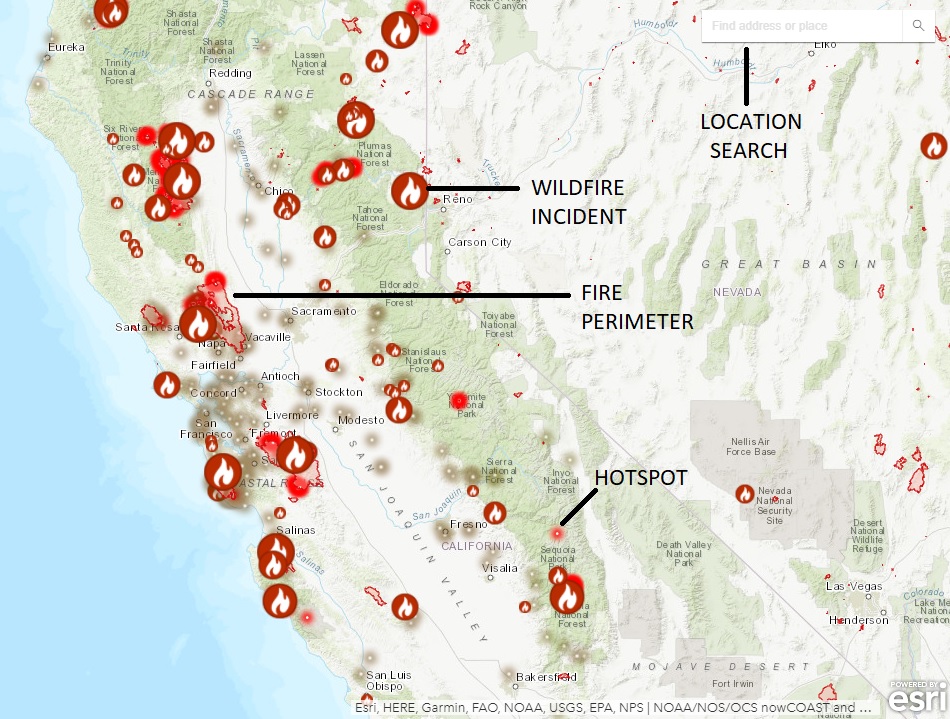
Understanding the California Fire Season
While headlines often highlight the devastating scale of California wildfires, it’s important to grasp the seasonal and geographical nuances. Historically, the fire season peaks from late summer through fall, fueled by dry vegetation, drought conditions, and strong, dry winds like the Santa Ana winds in the south and Diablo winds in the north. However, due to climate change and prolonged droughts, California now experiences a near year-round fire threat, with significant incidents occurring even in winter and spring. Travelers should recognize that while wildfires are a natural part of California’s ecology, their intensity and frequency have increased. This doesn’t mean California is off-limits; rather, it necessitates heightened awareness and proactive planning.
Distinguishing Between Active Fires and Smoke Impacts
When a wildfire erupts, its direct impact zone is often localized. However, smoke—a significant byproduct—can travel hundreds of miles, affecting air quality and visibility far beyond the immediate fire perimeter. For travelers, this distinction is critical. A fire burning in a remote forest in Northern California might produce smoke that drifts into a major metropolitan area like San Francisco or Los Angeles, affecting outdoor activities or sensitive individuals, even if the cities themselves are not in danger. Therefore, staying informed means not only tracking fire locations but also monitoring air quality reports relevant to your specific travel destinations. Clear blue skies can quickly turn hazy with smoke, impacting scenic drives and outdoor adventures.
Real-Time Information: Your Essential Resources for Travel Planning
For accurate and up-to-the-minute information on California wildfires, relying on official sources is paramount. These resources provide precise data on fire locations, containment levels, and any associated public safety warnings or closures, enabling travelers to make informed decisions.
Official Government Agencies
The most reliable sources for tracking active wildfires come directly from government emergency services.
- CAL FIRE: As California’s primary wildfire suppression and prevention agency, CAL FIRE maintains an incident map that shows all active fires, their size, containment percentage, and any evacuation orders. This is the first stop for precise fire location data.
- National Interagency Fire Center (NIFC): For a broader, national overview, NIFC provides maps and information on large incidents across the United States, including California.
- Local County Emergency Services: Many counties impacted by fires will have dedicated emergency services websites or social media channels providing localized alerts, evacuation zone maps, and community resources. Checking the local sheriff’s department or emergency management agency for your specific destination can offer invaluable, granular detail.
Air Quality Monitoring
Beyond the flames, air quality is a significant concern for travelers. Smoke contains fine particulate matter that can irritate the respiratory system, especially for children, the elderly, or those with pre-existing conditions.
- AirNow.gov: This national partnership of federal, state, and local agencies provides real-time air quality data for locations across the U.S., including California. It uses the Air Quality Index (AQI) to report current and forecasted conditions, helping travelers decide whether outdoor activities are advisable.
- Local Air Quality Management Districts: Specific districts within California (e.g., Bay Area Air Quality Management District, South Coast Air Quality Management District) often offer more localized and detailed air quality forecasts and advisories.
Road Conditions and Park Closures
Wildfires frequently lead to road closures and the temporary closure of national and state parks, which can drastically alter travel plans.
- California Department of Transportation (Caltrans): Caltrans is the definitive source for real-time information on road closures, detours, and traffic impacts due to wildfires or any other emergency. Check their website or app before embarking on any long drive.
- National Park Service and California State Parks: If your itinerary includes iconic parks like Yosemite National Park, Sequoia National Park, or Big Sur State Parks, always check their official websites for current conditions, closures, and fire-related alerts before your visit. Park closures can be extensive and sudden for visitor safety.
Assessing Impact on California’s Premier Destinations

While the news often paints a broad picture, it’s crucial for travelers to understand that California is a vast state. A fire in one region does not necessarily impact another. Most of California’s popular destinations remain untouched by direct fire activity, though smoke can be a factor.
Northern California Considerations
Northern California is home to world-renowned wine regions and stunning natural beauty.
- Napa Valley and Sonoma County: These picturesque wine countries, while having faced significant fires in the past, largely remain vibrant and welcoming. During fire season, travelers should monitor air quality and local alerts, as smoke can affect outdoor wine tastings and vineyard tours. However, unless there’s an active fire nearby, most wineries operate normally.
- Lake Tahoe: A beloved destination for its pristine waters and mountain scenery, [Lake Tahoe](https://lifeoutofthebox.com/lake- tahoe) can be susceptible to fires in its surrounding forests. Smoke from distant fires can also settle in the basin, impacting views and outdoor recreation. Always check conditions before planning hiking or water sports.
- Redwood National and State Parks: The ancient redwood forests are generally more resilient to fire due to their unique ecosystem, but surrounding areas can burn. The primary concern here is often road access and localized closures.
Central California and Mountain Regions
The Sierra Nevada mountains are particularly vulnerable due to dense forests and can experience significant wildfires.
- Yosemite National Park, Sequoia National Park, and Kings Canyon National Park: These iconic parks, known for their giant sequoias and granite cliffs, are frequently impacted by wildfires. Closures are common for visitor safety, and access roads may be shut down. Travelers planning trips here during fire season must be exceptionally flexible and constantly check park websites for updates. The health of the sequoias themselves is a serious concern, with some groves being directly threatened.
Southern California Coastal and Inland Resorts
Southern California is characterized by its chaparral landscapes, which can ignite quickly, often exacerbated by the Santa Ana winds.
- Coastal Cities (Santa Barbara, Los Angeles, San Diego): These major urban and coastal areas are generally well-protected from direct fire impact, but they can experience significant smoke intrusion from nearby mountain or inland fires. Beaches and outdoor attractions might be affected by poor air quality, but city life, museums, and indoor entertainment typically continue uninterrupted.
- Mountain Resorts: Areas like Big Bear Lake or Lake Arrowhead in the San Bernardino Mountains are popular getaways but are situated in fire-prone forests. Access roads and local attractions can be closed during active incidents.
Responsible Travel and Preparedness in Fire Season
Traveling through California during wildfire season requires a blend of vigilance, flexibility, and responsibility.
Prioritizing Personal Safety
The paramount concern is always personal safety.
- Stay Informed: Continuously monitor official sources for fire updates, air quality, and evacuation orders.
- Emergency Plan: Have a communication plan with your travel companions. Know multiple escape routes from your accommodation and destinations.
- Fire-Safe Practices: Adhere strictly to all fire restrictions. This means no campfires outside designated, permitted areas, careful disposal of smoking materials, and avoiding activities that could spark a fire, especially on “red flag warning” days. Even a hot catalytic converter on dry grass can start a wildfire.
Supporting Local Economies
When wildfires occur, local businesses, even those in unaffected areas, often suffer from reduced tourism due to general fear or misconceptions. If your chosen destination is safe and open, continue with your plans. Your patronage helps these communities recover and thrive. Many businesses and attractions rely heavily on tourist dollars. Engage with local shopkeepers, dine at local restaurants, and visit attractions that are operating. This form of responsible tourism helps maintain the economic vitality of [California](https://lifeoutofthebox.com/california]’s diverse communities.
Travel Insurance and Flexibility
Consider purchasing comprehensive travel insurance that covers disruptions due to natural disasters like wildfires. Review policy details carefully to understand what is covered regarding cancellations, delays, or medical emergencies related to smoke exposure. Furthermore, booking flexible accommodations and flights, especially during peak fire season, can provide peace of mind and minimize financial losses if your plans need to change at short notice.
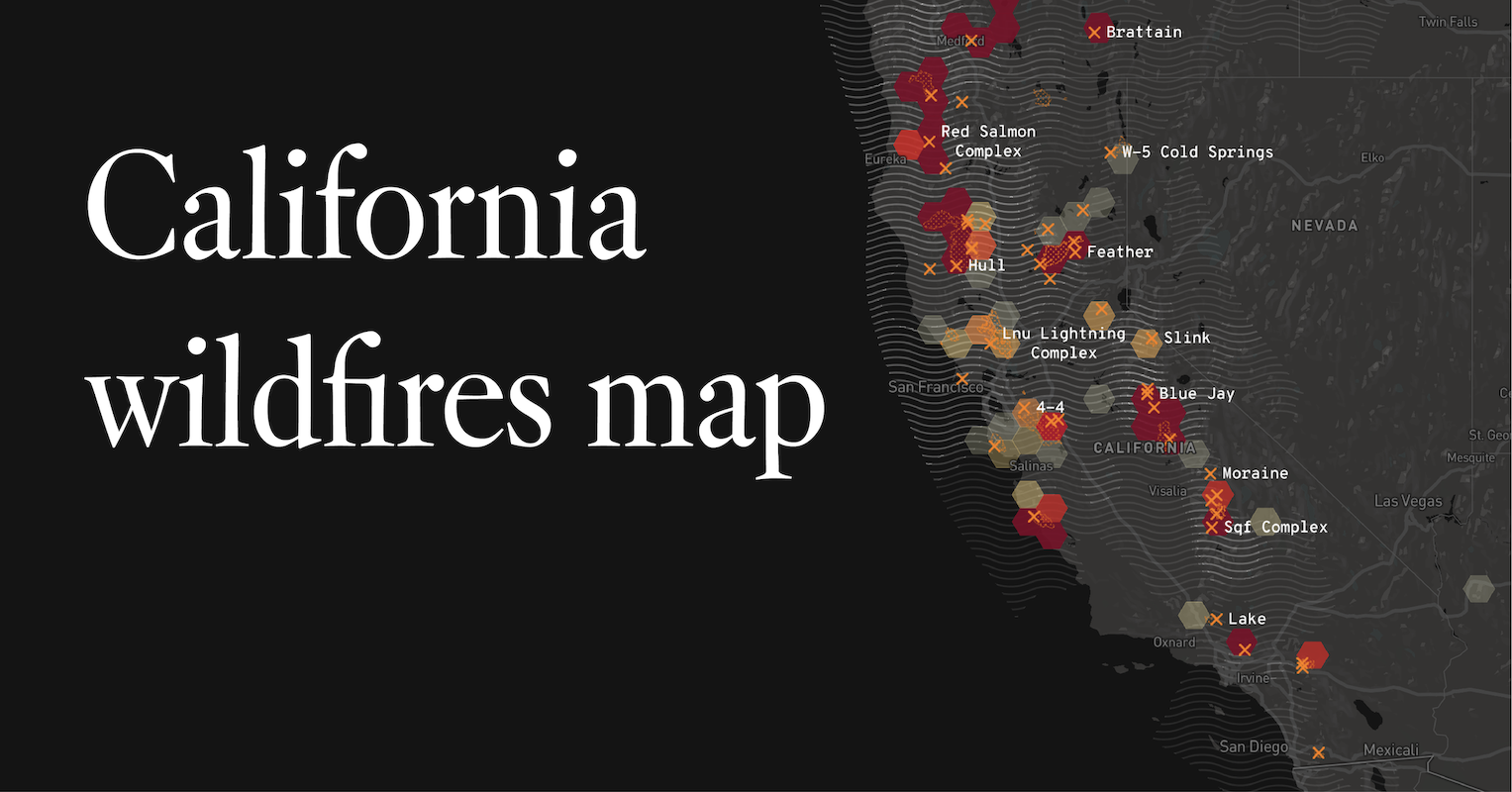
Minimizing Your Fire Risk Footprint
Beyond personal safety, travelers can contribute to fire prevention. Ensure your vehicle is properly maintained to prevent sparks. Avoid parking or driving on dry grass. Be mindful of any power tool use if traveling in an RV or camper. Every individual’s actions, no small matter, can play a role in preventing a catastrophic fire. By being prepared, staying informed, and acting responsibly, travelers can still enjoy the immense beauty and experiences California offers, even amidst the challenges of wildfire season.
LifeOutOfTheBox is a participant in the Amazon Services LLC Associates Program, an affiliate advertising program designed to provide a means for sites to earn advertising fees by advertising and linking to Amazon.com. Amazon, the Amazon logo, AmazonSupply, and the AmazonSupply logo are trademarks of Amazon.com, Inc. or its affiliates. As an Amazon Associate we earn affiliate commissions from qualifying purchases.