
California, often synonymous with golden beaches, tech innovation, and Hollywood glamour, also carries a reputation for its prohibitively high cost of living. For those dreaming of making the Golden State their long-term home without breaking the bank, identifying truly affordable accommodation options requires strategic planning and a keen understanding of its diverse housing markets. While cities like San Francisco and Los Angeles dominate headlines for their exorbitant rents and home prices, a deeper dive reveals pockets of affordability that remain accessible, particularly when considering the broader context of long-term residence.
Understanding California’s Accommodation Cost Landscape
The sheer size and varied geography of California mean that housing costs can fluctuate wildly from one region to another. Coastal urban centers, driven by robust economies and limited space, consistently rank among the most expensive places to rent or own property in the United States. However, moving inland, north, or even to the less-developed fringes of metropolitan areas can dramatically alter the financial outlook for long-term accommodation.
The Golden State’s Housing Puzzle
Housing affordability in California is a complex puzzle. Median home prices statewide regularly exceed double the national average, and median rents for a one-bedroom apartment often hover above $2,000, particularly in desirable coastal counties. Factors contributing to this include a persistent housing shortage, high demand fueled by job growth in tech and other industries, strict zoning regulations, and a desirable climate and lifestyle.
For those considering a permanent move, the decision isn’t just about the monthly rent or mortgage payment. Property taxes, homeowners’ association (HOA) fees, and the cost of utilities (electricity, water, gas, internet) vary significantly by location and housing type. A seemingly “cheaper” rent might be offset by higher utility bills in a less energy-efficient older home in a colder climate, or by higher water costs in a drought-prone desert community. Understanding the total cost of accommodation is paramount for long-term financial stability.
Beyond Rent: Hidden Accommodation Costs
When evaluating the cheapest places to live, it’s crucial to look beyond just the sticker price of rent or a mortgage. Utility costs in California can be substantial. Air conditioning in the hot inland valleys, for example, can lead to high electricity bills during summer months. Water conservation efforts often result in tiered pricing, where higher usage incurs much higher rates. Furthermore, while not directly accommodation costs, proximity to work, schools, and essential services impacts transportation expenses, which are often a significant part of a household budget. A cheaper rent in a remote area might be negated by increased fuel costs and commute times, making the “cheapest place” less cost-effective in practice for long-term living. Property insurance, especially in areas prone to wildfires or earthquakes, can also add a considerable sum to homeownership expenses.
Identifying Affordable Regions and Cities for Long-Term Stay
While “cheap” is relative in California, several regions consistently offer more attainable accommodation options compared to the coastal behemoths. These areas often trade immediate proximity to major metropolitan amenities for significantly lower housing costs, providing a viable path to long-term residency.
The Central Valley: A Budget Haven
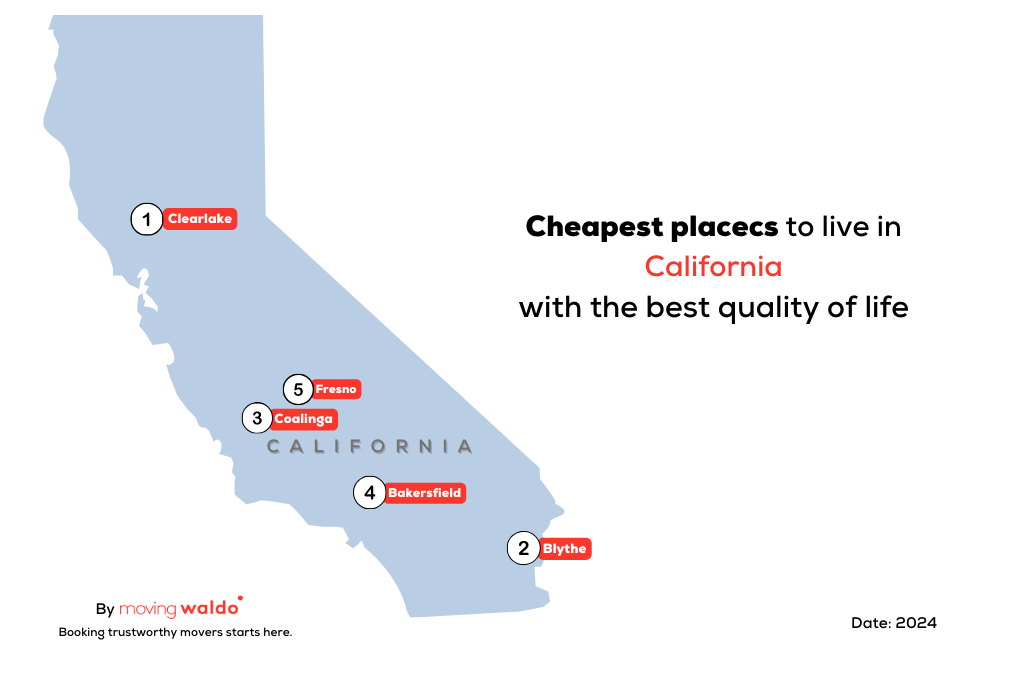
The Central Valley stands out as one of California’s most budget-friendly regions. Stretching for hundreds of miles through the heart of the state, it’s an agricultural powerhouse with a more relaxed pace of life and, crucially, a more accessible housing market. Cities like Fresno, Bakersfield, Stockton, and Modesto consistently feature median rents and home prices that are a fraction of what you’d find in the Bay Area or Southern California.
In Fresno, for instance, median rents for a one-bedroom apartment can be around $1,200-$1,500, and median home prices are often below $400,000. These figures, while still higher than many parts of the U.S., represent significant savings compared to coastal cities. The trade-off often includes hotter summers, a slower pace, and fewer high-end amenities, but the fundamental cost of accommodation makes these cities attractive for long-term residents seeking affordability. Commuting to major job centers from the Central Valley is a reality for some, but many residents also find local employment opportunities.
Deserts and Inland Empire: Expanding Your Horizons
Moving south, the Inland Empire region, comprising cities like Riverside and San Bernardino, offers a more affordable alternative to coastal Southern California. While more densely populated than the Central Valley, and with higher housing costs than its northern counterpart, it remains significantly cheaper than Orange County or Los Angeles County. Median rents for one-bedrooms often range from $1,600-$1,900, with home prices still relatively within reach for many first-time buyers.
Further into the desert regions, cities like Lancaster, Palmdale (in the Antelope Valley), and Victorville and Apple Valley (in the Mojave Desert’s High Desert) offer even lower accommodation costs. These areas provide significant value for long-term housing, with median rents often under $1,500 and home prices frequently below $350,000. The climate is hotter and drier, and amenities might be less diverse, but for those prioritizing affordable long-term accommodation, these regions present compelling options.
Northern California’s Overlooked Gems
Beyond the expensive Bay Area, Northern California also holds some overlooked, more affordable areas for long-term stays. Cities such as Redding and Chico in the northern interior, or even coastal Eureka further up the coast, provide a stark contrast to the housing markets of San Francisco or San Jose.
In Redding and Chico, median rents for a one-bedroom can be in the $1,000-$1,300 range, with home prices often below $350,000. These areas offer access to natural beauty, including national parks and forests, and a more community-focused lifestyle. Eureka, while offering a unique coastal climate, still maintains relatively lower housing costs compared to central or southern coastal cities. While job opportunities might be different from major tech hubs, these regions support local economies and offer a quieter, more affordable long-term living experience. Sacramento, the state capital, while growing in cost, remains more affordable than the Bay Area and serves as a significant urban center in its own right, offering diverse accommodation options and a robust job market.
Strategies for Finding Affordable Long-Term Accommodation
Securing an affordable long-term living situation in California requires a proactive and informed approach. It’s not just about finding the cheapest city but also optimizing your search within that city and considering various housing types.
Rental Market Navigation
For renters, focusing on specific neighborhoods within the identified affordable cities is key. Often, areas slightly further from the city center, or those with older housing stock, will offer more competitive pricing. Exploring various rental platforms, connecting with local real estate agents specializing in rentals, and even driving through desired neighborhoods to look for “for rent” signs can uncover opportunities not always listed online. Consider renting a room in a shared house or apartment, which significantly reduces individual housing costs and is a common strategy in high-cost areas. Long-term leases can sometimes offer slightly better rates than month-to-month agreements, providing stability in budgeting.
Exploring Alternative Living Solutions
Beyond traditional apartments and single-family homes, other accommodation types can offer more affordability for long-term stays. Manufactured homes or mobile homes in established parks, particularly in the Central Valley and desert regions, often present a lower barrier to entry for ownership, though lot fees still apply. For those with a more flexible lifestyle, RV living in long-term parks, while requiring an initial investment in the vehicle, can lead to very low monthly site fees compared to traditional rents. Accessory Dwelling Units (ADUs), or “granny flats,” are also becoming more prevalent across the state, offering smaller, more affordable rental options, often on existing residential properties.
Long-Term Financial Planning for Accommodation
Regardless of where you choose to settle, careful financial planning for long-term accommodation in California is essential. Budget not just for rent/mortgage, but also for property taxes, insurance, utilities, and a contingency fund for unexpected repairs or cost increases. Researching local average utility bills for specific housing types and sizes can prevent surprises. For potential homebuyers, understanding property tax rates by county and potential Mello-Roos taxes (special assessments for public services) in newer developments is vital. Utilizing financial advisors and housing counseling services can provide personalized insights into securing the most stable and affordable long-term accommodation in your chosen region.
Making the Move: Practical Considerations
The decision of where to live involves more than just the lowest accommodation cost; it also encompasses lifestyle compatibility and practicalities that impact long-term satisfaction.
Job Market and Commute
An affordable housing market is only sustainable if it aligns with employment opportunities. Researching the local job market in your chosen affordable city or region is crucial. Consider industries prevalent in the Central Valley (agriculture, logistics, healthcare), the Inland Empire (warehousing, distribution, public services), or Northern California (timber, tourism, local government). If your job requires commuting to a major metropolitan area, factor in the time and expense. Long commutes from, for example, Tracy or Modesto to the Bay Area can significantly erode the savings gained from lower rent, not to mention the impact on quality of life. Proximity to public transportation routes, if available, can mitigate some of these costs and burdens.
Community and Lifestyle Fit
Finally, consider the community and lifestyle that best suits your long-term goals. While California’s cheaper areas offer financial relief, they may also present different cultural landscapes, recreational opportunities, and public services compared to more expensive urban centers. Research local schools, healthcare facilities, recreational activities, and community events to ensure the chosen location aligns with your long-term vision. The “cheapest place” isn’t just a number; it’s a home where you can thrive, and finding that perfect balance of affordability and livability is the ultimate goal for long-term accommodation in California.
LifeOutOfTheBox is a participant in the Amazon Services LLC Associates Program, an affiliate advertising program designed to provide a means for sites to earn advertising fees by advertising and linking to Amazon.com. Amazon, the Amazon logo, AmazonSupply, and the AmazonSupply logo are trademarks of Amazon.com, Inc. or its affiliates. As an Amazon Associate we earn affiliate commissions from qualifying purchases.