
California stands as one of the world’s premier travel destinations, renowned for its diverse landscapes, vibrant cities, and groundbreaking cultural contributions. From the sun-drenched beaches of Southern California to the majestic redwoods of the north, and from the glittering lights of Hollywood to the serene vineyards of Napa Valley, the Golden State offers an unparalleled array of experiences for every type of traveler. However, like any populous and dynamic region, California occasionally experiences periods of social unrest, which can manifest in various forms, including public demonstrations and, at times, more intense civil disturbances. For prospective visitors, understanding the context of such events and their potential implications for travel and tourism is paramount. This article aims to contextualize these occurrences from a tourism perspective, offering insights into their impact on the visitor experience and how the state’s robust tourism infrastructure adapts.

Understanding the Context for Travelers
Social unrest in California, while not a constant, can arise from a complex interplay of socio-economic factors, political developments, and community issues, mirroring dynamics seen in many major global urban centers. For tourists, the primary concern is often how such events might affect their planned itinerary, safety, and overall experience. It’s crucial to understand that these events are typically localized, often confined to specific neighborhoods or city blocks, and rarely encompass entire regions or the vast expanses of the state.
The Impact on Local Tourist Destinations
When civil disturbances occur, their impact on tourism can vary significantly. Major metropolitan areas like Los Angeles, San Francisco, or Oakland, which are popular tourist hubs, might see temporary closures of certain attractions, shops, or restaurants in affected areas. Public transportation could experience diversions or delays. Iconic landmarks might be temporarily inaccessible or subject to increased security. However, it is rare for an entire city to be shut down, and often, life and tourism continue as normal in unaffected districts. Hotels and other accommodation providers usually remain operational, though they may advise guests on areas to avoid or modify their services to ensure safety and comfort. For instance, a hotel in Downtown Los Angeles might be affected by an adjacent protest, while properties in Santa Monica or Beverly Hills remain entirely undisturbed.
Safety and Preparedness for Visitors
The safety of visitors is a top priority for California’s tourism industry and local authorities. During periods of unrest, officials and tourism bodies often provide clear guidance and updates. Travelers are encouraged to:
- Monitor Local News: Stay informed through reputable local news sources for real-time updates on specific areas to avoid.
- Consult Hotel Staff: Hotel concierge services and staff are invaluable resources for current local conditions and safety advice.
- Check Official Travel Advisories: Government travel advisories (e.g., from your home country’s foreign affairs department) and local police departments often issue updates.
- Use Ride-Sharing or Taxis: In affected urban areas, these services might be a safer alternative to walking or public transport, offering direct routes away from disturbances.
- Be Aware of Surroundings: Practice general travel safety precautions, such as avoiding large crowds and remaining vigilant, especially in unfamiliar urban environments.
- Have Contingency Plans: Consider flexible bookings or travel insurance that covers disruptions, though civil unrest coverage can vary.
The aim is not to deter travel but to empower visitors with information to make informed decisions and ensure a safe, enjoyable trip. Many events that gain media attention are non-violent demonstrations that pose minimal risk to tourists who are not directly participating.
Navigating California’s Diverse Landscapes Amidst Unrest
California’s vast geographical diversity plays a significant role in how periods of unrest impact tourism. The state offers everything from bustling urban centers to serene national parks, coastal highways, and desert oases. Disturbances are almost exclusively an urban phenomenon, leaving much of the state’s natural beauty and rural attractions untouched.
Urban Centers vs. Natural Attractions
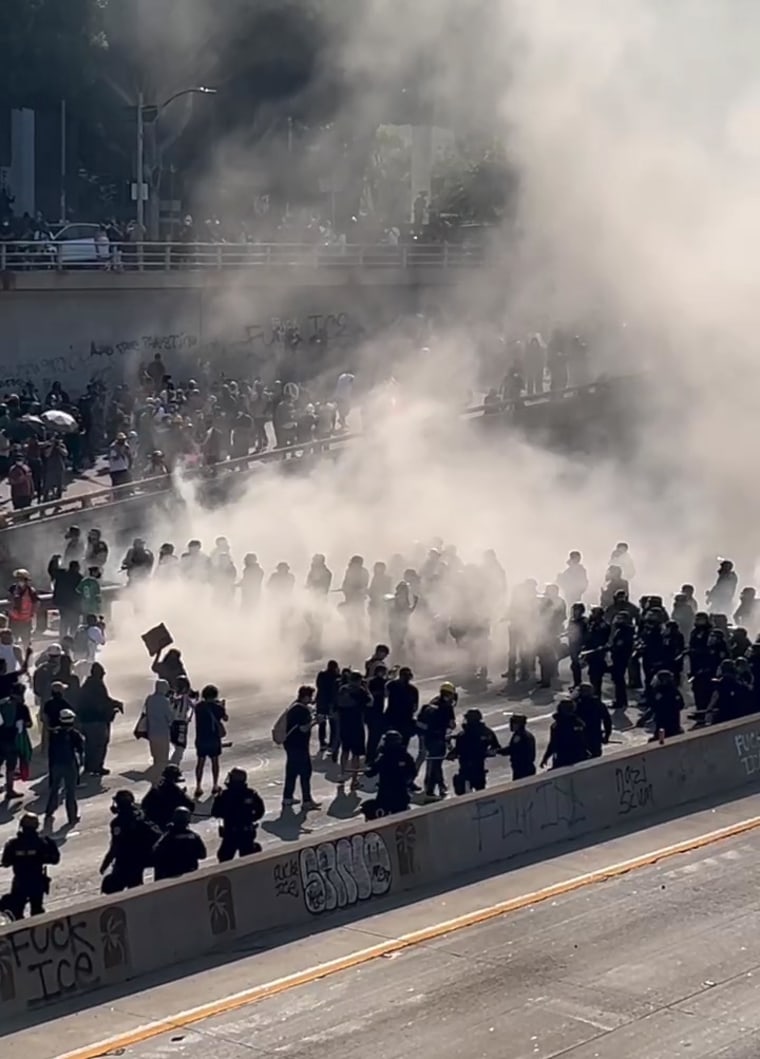
While a protest might unfold in a downtown area of San Francisco or Oakland, the majestic landscapes of Yosemite National Park, the pristine beaches of Laguna Beach, or the vineyards of Sonoma County continue to offer their tranquil experiences without interruption. Travelers planning a trip focused on outdoor activities, wine tasting, or scenic drives through regions like Big Sur are highly unlikely to be affected by social unrest that garners national headlines. The key for travelers is to understand their itinerary’s focus:
- City Explorers: Those primarily visiting cities should pay closer attention to localized alerts and have alternative plans for specific neighborhoods.
- Nature Enthusiasts: Travelers heading to national and state parks, coastal towns, or rural areas can typically proceed with their plans with minimal concern regarding urban disturbances.
This geographical separation means that even during periods of urban unrest, the majority of California remains open, safe, and welcoming to tourists. The state’s tourism infrastructure is adept at guiding visitors to the myriad attractions that continue to operate seamlessly.
How Local Businesses Adapt
Local businesses, particularly those reliant on tourism, are often at the forefront of adapting to and recovering from periods of social unrest. Restaurants, shops, and attractions in potentially affected areas may implement temporary changes to operating hours, enhance security measures, or shift to online services. Many small businesses, which are the backbone of local economies, also actively participate in community dialogue and efforts to address the underlying issues, demonstrating a resilience and commitment to their neighborhoods that ultimately benefits the visitor experience.
For example, a historic district in San Diego known for its vibrant nightlife and cultural events might work closely with local authorities to ensure safe passage and continued enjoyment for tourists, even if demonstrations are occurring in another part of the city. The proactive engagement of local communities and businesses ensures that disruptions are minimized and recovery is swift.
The Resilience of California’s Tourism Sector
California’s tourism sector is robust and highly resilient, having navigated various challenges over the years, from economic downturns to natural disasters and social shifts. The industry’s ability to recover and continue attracting millions of visitors annually speaks volumes about its strength and appeal.
Community Efforts and Recovery
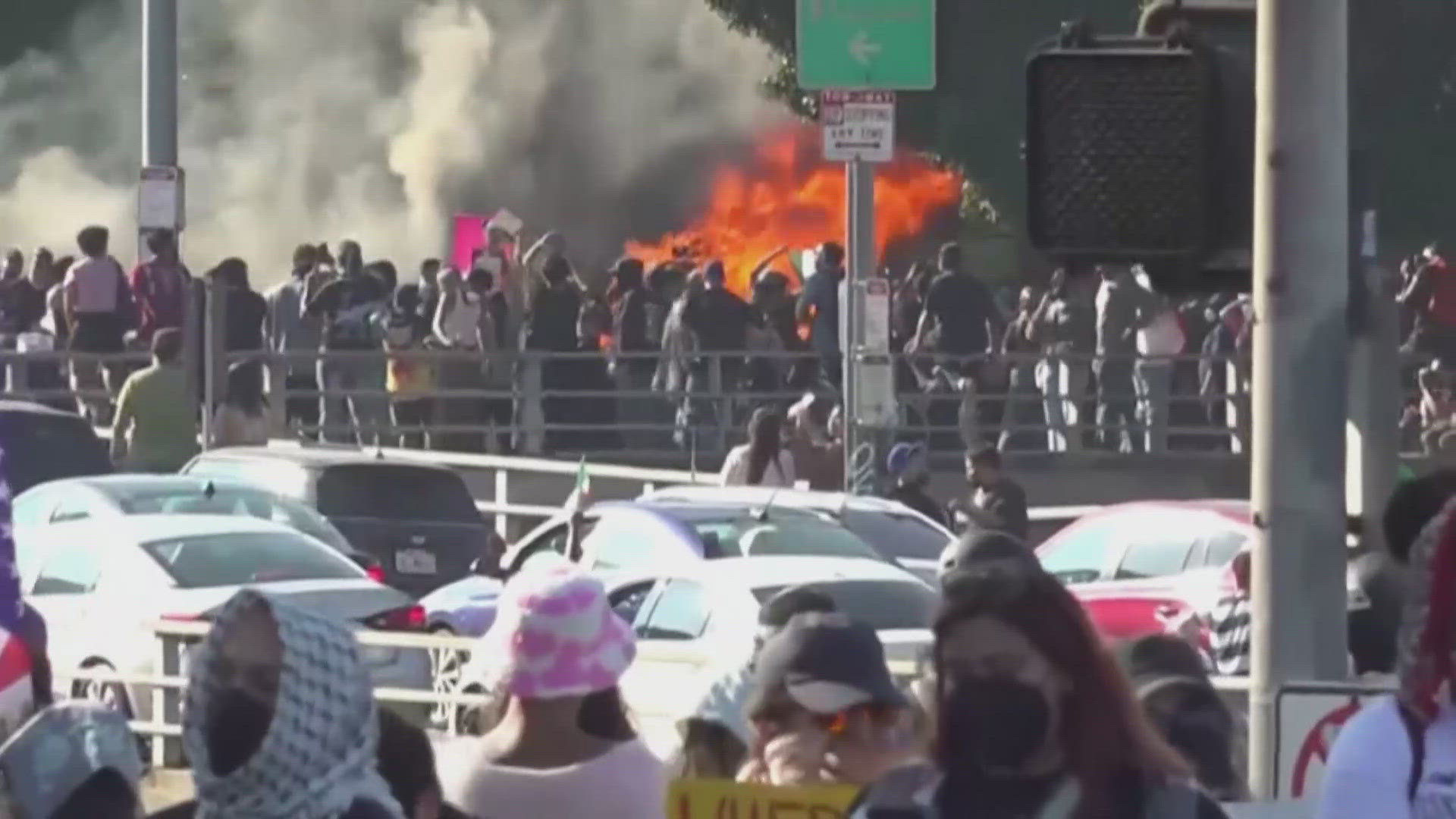
Following any significant social disturbance, there is typically a concerted effort from community leaders, local businesses, and tourism organizations to restore normalcy and reassure visitors. Campaigns highlighting the safety and welcoming nature of affected areas are common. Cleanup efforts are often swift, and businesses work quickly to reopen their doors. These community-led initiatives are vital in reaffirming California’s reputation as a desirable tourist destination. Visitors often find that local residents are eager to share their culture and showcase the positive aspects of their communities, especially after difficult times.
For instance, after isolated incidents in certain parts of Oakland, community groups and local businesses often collaborate on events and promotions to draw people back, showcasing the city’s unique charm, diverse culinary scene, and burgeoning arts culture, ensuring that the essence of the destination remains accessible and appealing.
Sustaining the Visitor Experience
Ultimately, the goal of California’s tourism sector is to provide an exceptional and memorable experience for every visitor. While social unrest can present temporary challenges, the industry’s focus remains on mitigating risks, providing accurate information, and highlighting the vast majority of experiences that remain unaffected. From the world-class theme parks of Anaheim to the cultural institutions of San Francisco and the natural wonders spread across the state, the sheer breadth of attractions ensures that alternative plans are often readily available if an itinerary faces unexpected disruptions.
Travelers to California should approach their trip with an informed perspective, recognizing that while social issues may occasionally surface in specific urban locales, they represent a small fraction of the overall experience. By staying informed and leveraging the resources provided by the tourism sector, visitors can confidently explore the Golden State’s myriad offerings and discover why it remains a top-tier global destination.
LifeOutOfTheBox is a participant in the Amazon Services LLC Associates Program, an affiliate advertising program designed to provide a means for sites to earn advertising fees by advertising and linking to Amazon.com. Amazon, the Amazon logo, AmazonSupply, and the AmazonSupply logo are trademarks of Amazon.com, Inc. or its affiliates. As an Amazon Associate we earn affiliate commissions from qualifying purchases.