
California, the Golden State, beckons with its diverse landscapes, innovative spirit, and vibrant cultural tapestry. From the sun-kissed beaches of Southern California to the dramatic cliffs of Big Sur, the towering redwoods, and the bustling metropolises of San Francisco and Los Angeles, its allure is undeniable. However, this magnetic appeal comes with a significant price tag, making a trip to this iconic state one of the more expensive travel experiences in the United States. Understanding the underlying factors that contribute to California’s high costs is crucial for any traveler planning a visit.
The Allure of the Golden State and Its Inherent Costs
California’s reputation as a global hub for technology, entertainment, and agriculture has cultivated a robust economy and a high standard of living. This prosperity, while beneficial to its residents, translates directly into elevated costs for visitors. The sheer demand to live, work, and vacation in California drives up prices across the board. From prime real estate commanding astronomical values to a highly paid workforce reflecting the state’s economic strength, these factors create a baseline of expense that trickles down to virtually every aspect of a travel experience. The state’s commitment to environmental regulations and high quality of life standards also contributes to operational costs for businesses, which are then passed on to consumers, including tourists.
Deconstructing the Price Tag: Key Expense Drivers
A comprehensive look at a travel budget to California reveals several key areas where expenses tend to escalate rapidly.
Premium Accommodation
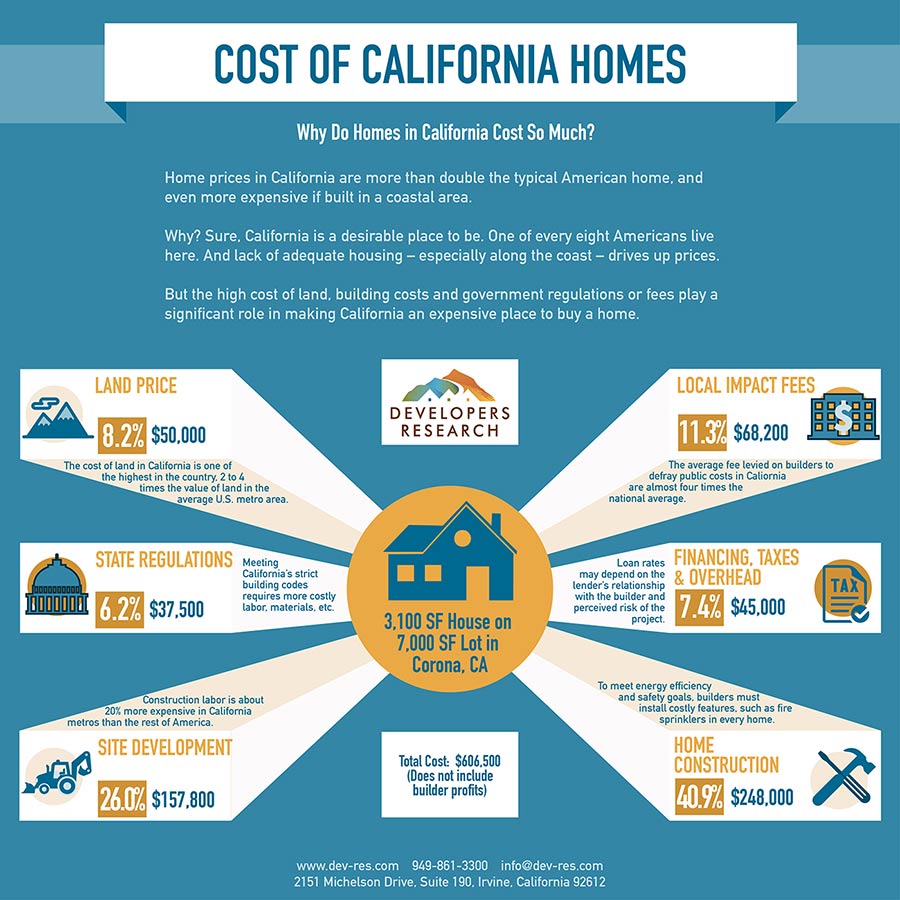
One of the most significant line items for any traveler in California will undoubtedly be accommodation. Hotel rates in major urban centers like San Francisco, Los Angeles, and San Diego consistently rank among the highest in the nation. Even popular tourist destinations outside the major cities, such as Napa Valley or around Lake Tahoe, command premium prices, especially during peak seasons or major events. The limited supply of desirable lodging, coupled with constant demand, allows hotels, resorts, and even short-term rental platforms like Airbnb to set higher rates. Luxury properties are abundant, offering unparalleled experiences but at commensurate prices, while even mid-range options often feel pricier than their equivalents in other states. The high cost of land and construction, along with strict building regulations, further limits new development, exacerbating the supply-demand imbalance.
Transportation and Logistics
Navigating California also comes at a premium. Airfare to major international gateways like LAX (Los Angeles International Airport) or SFO (San Francisco International Airport) can be substantial, particularly if traveling from afar or during peak holiday periods. Once on the ground, exploring the sprawling state often necessitates a car rental, which, when combined with California’s notoriously high gas prices (influenced by state taxes and environmental mandates), adds considerably to the budget. Parking fees in urban areas are often exorbitant, and toll roads can also add unexpected costs. While public transportation options exist in major cities, they often don’t provide the comprehensive coverage or convenience needed for extensive tourist exploration, especially for destinations outside city cores or traversing long distances between regions.
Dining, Attractions, and Experiences
California’s celebrated culinary scene, from Michelin-starred restaurants to casual eateries, reflects the state’s high cost of living. Restaurant prices are generally higher due to increased wages for service staff, higher food sourcing costs, and expensive commercial rents. Similarly, entrance fees for world-renowned attractions such as Disneyland, Universal Studios Hollywood, and even popular national parks like Yosemite National Park, can quickly accumulate. Specialized experiences like wine tasting tours in Napa Valley or guided excursions along the Pacific Coast Highway further contribute to the overall expense, albeit often offering unique and memorable value. The sheer volume and quality of activities available mean that travelers often find themselves tempted to spend more to experience all that California has to offer.
Regional Variations: Where Your Travel Budget Goes Further (or Not)

While California as a whole is expensive, costs can vary significantly depending on the specific region you choose to explore. The metropolitan areas of the Bay Area (including San Francisco, Oakland, and San Jose) and the coastal stretches of Southern California are consistently the most expensive. Here, demand for everything from a cup of coffee to a hotel room is exceptionally high.
Conversely, some inland areas or less-trafficked regions can offer a relative reprieve for your wallet. Cities in the Central Valley, such as Sacramento or those within the San Joaquin Valley, generally have lower accommodation and dining costs compared to their coastal counterparts. Even desert destinations like Palm Springs or areas around Joshua Tree National Park can offer more affordable options, especially outside of peak seasons. However, it’s worth noting that even in these areas, prices may still be higher than average compared to many other states, and exclusive natural destinations like Death Valley National Park or Sequoia National Park, while offering breathtaking beauty, might still require budgeting for remote lodging and services.
Navigating the Golden State: Tips for Value-Conscious Travelers
Despite the high costs, a memorable California adventure is within reach for various budgets through strategic planning and smart choices.
Strategic Planning and Timing
One of the most effective ways to manage expenses is to travel during the off-peak season. Late fall, winter (excluding major holidays like Christmas and New Year’s), and early spring often see lower prices for flights and accommodations, fewer crowds, and pleasant weather in many regions. Booking flights and hotels well in advance, especially for popular destinations, can also secure better rates. Consider visiting during weekdays if your schedule allows, as weekend prices are typically higher.
Smart Accommodation Choices
To mitigate high lodging costs, consider staying slightly outside major city centers. Often, charming neighborhoods just a short public transit or ride-share away can offer more affordable hotels or guesthouses. Exploring vacation rentals through platforms like Airbnb or Vrbo can provide more space, kitchen facilities for self-catering, and a more local experience, often at a better value than traditional hotels for longer stays or groups. For nature enthusiasts, camping in California’s extensive network of state parks and national parks offers an incredibly affordable and immersive way to experience its stunning natural beauty.
Economical Dining and Activities
Dining out can quickly consume a significant portion of a travel budget. To save money, consider utilizing grocery stores to prepare some of your meals, especially if your accommodation has kitchen access. Look for lunch specials, happy hour deals, and local markets for fresh, affordable produce. Many of California’s most iconic attractions are free, including its world-famous beaches, scenic drives like the Pacific Coast Highway, and numerous city parks. Take advantage of free museum days, explore vibrant neighborhoods like those around the Hollywood Walk of Fame or Santa Monica Pier, and enjoy scenic hikes in state and regional parks. If you plan to visit multiple paid attractions, investigate city passes or bundled tickets that can offer savings.

Transportation Savvy
Carefully evaluate whether a car rental is truly necessary for your entire trip. For city-centric travel in places like San Francisco or Los Angeles, ride-sharing services, public transportation, or even cycling can be more cost-effective. For longer distances between cities, consider regional flights or train services like Amtrak, which can offer a relaxing and scenic alternative to driving. Always factor in parking costs when planning a car-dependent itinerary, as they can significantly impact your daily budget in urban areas.
California’s high price tag is a reflection of its desirability, economic vitality, and unparalleled natural and cultural attractions. By understanding these factors and implementing strategic travel choices, visitors can still enjoy the Golden State’s magic without breaking the bank, transforming a potentially expensive trip into an invaluable and accessible adventure.
LifeOutOfTheBox is a participant in the Amazon Services LLC Associates Program, an affiliate advertising program designed to provide a means for sites to earn advertising fees by advertising and linking to Amazon.com. Amazon, the Amazon logo, AmazonSupply, and the AmazonSupply logo are trademarks of Amazon.com, Inc. or its affiliates. As an Amazon Associate we earn affiliate commissions from qualifying purchases.