
The question of whether Barack Obama and Michelle Obama still reside in Chicago delves into more than just a matter of residential address; it explores the enduring legacy and profound connection the former First Family maintains with the city that shaped them. While their primary residence post-presidency is in Washington, D.C., Chicago remains an indelible landmark in their personal and political narrative, evolving from their home base to a hub for their ongoing public service initiatives. The city is not just a place they lived; it’s a testament to their roots, a canvas for their political rise, and the chosen site for a monumental symbol of their legacy: the Obama Presidential Center.
A City Etched in History: The Obamas’ Chicago Legacy
Chicago’s identity is inextricably linked with the Obamas. Before their ascent to national and global prominence, the city was the foundation of their family life, careers, and community engagement. Their story is woven into the fabric of its neighborhoods, particularly the South Side, where their family home became an iconic symbol long before the White House beckoned.
The Iconic Kenwood Residence
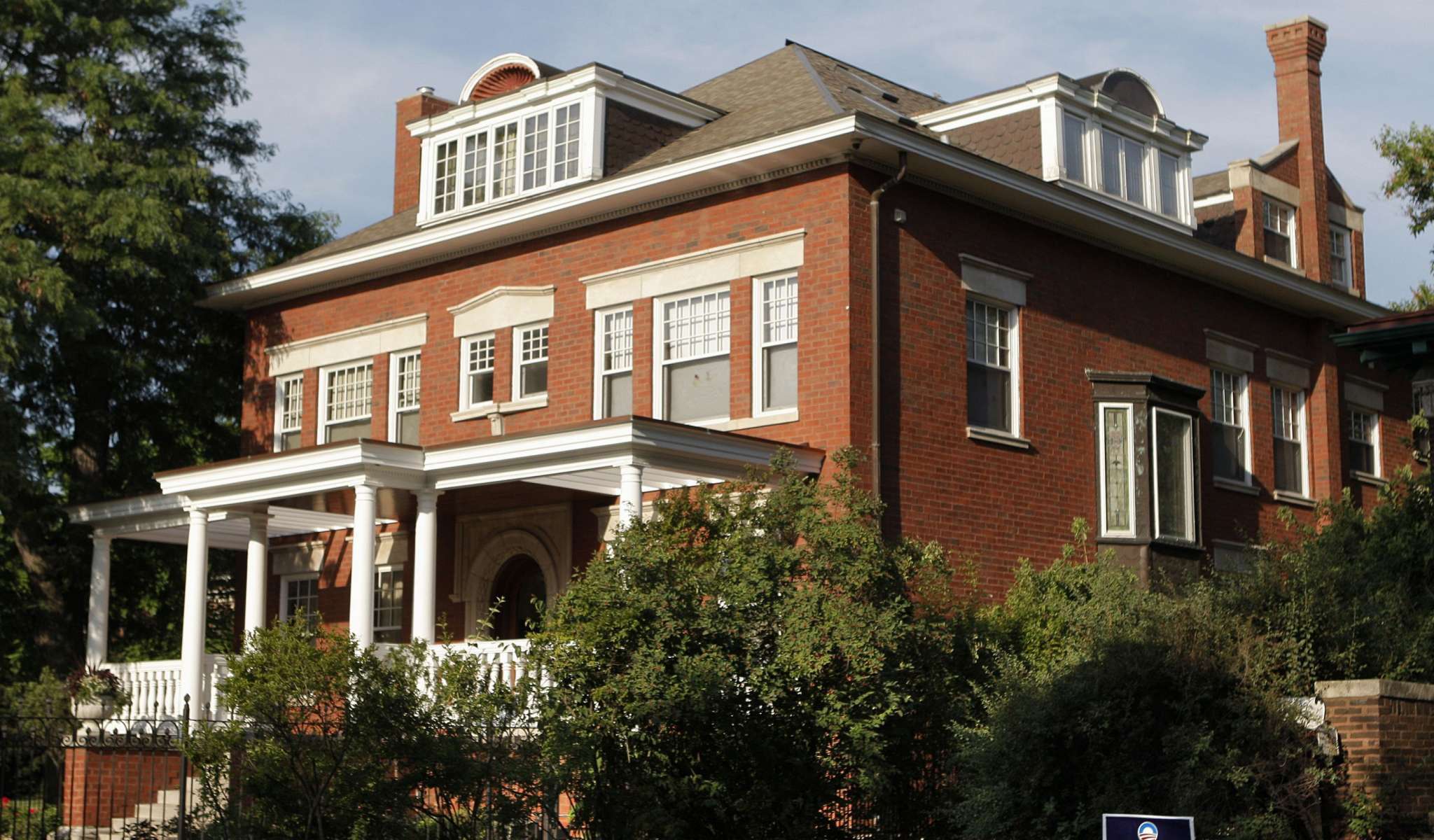
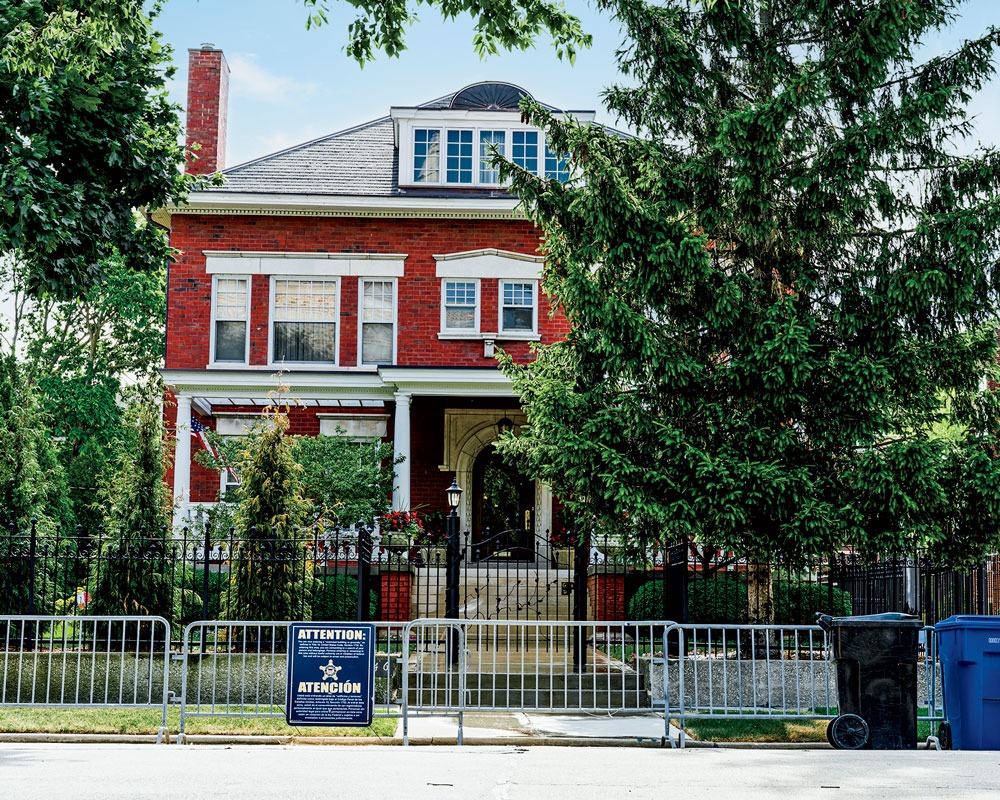
For years, the address 5046 S. Greenwood Avenue in the affluent Kenwood neighborhood of Chicago was synonymous with the Obamas. This stately Georgian revival home, purchased in 2005, served as their family residence through Barack Obama’s tenure in the U.S. Senate and during the historic 2008 presidential campaign. Post-presidency, while they spend most of their time in Washington, D.C., this property remains a significant marker of their history. It’s a landmark not just for its architectural style, but for the profound moments of family life and political strategy that unfolded within its walls. The house, with its impressive brick facade and mature landscaping, quietly stands as a testament to their pre-presidential life, a point of pilgrimage for those interested in the Obamas’ story. Security concerns transformed the quiet street into a highly protected zone, further elevating its status from a private residence to a recognized historical landmark for many.
Roots in Hyde Park and Community Engagement
Even before Kenwood, the Obamas’ journey was deeply rooted in Hyde Park, an intellectually vibrant and historically rich neighborhood on Chicago’s South Side. Barack Obama began his career as a community organizer in the city, working with churches and local leaders to address economic disparities. He later lectured at the University of Chicago Law School for twelve years, a period during which he also pursued his political ambitions, serving in the Illinois State Senate.
Michelle Obama’s own story is deeply intertwined with Chicago. Born and raised on the South Side, her family roots in the Bronzeville neighborhood are well-documented. After earning degrees from Princeton University and Harvard Law School, she returned to Chicago to begin her legal career, later transitioning into public service roles at the University of Chicago and the University of Chicago Medical Center.
These experiences in Hyde Park and the broader South Side not only shaped their personal and professional lives but also infused them with a deep understanding of urban communities and the importance of civic engagement. The neighborhoods themselves, with their historic architecture, diverse populations, and institutions like the University of Chicago, are landmarks of intellectual and cultural significance, now bearing the added weight of being the crucible for a future president and first lady.
The Obama Presidential Center: A Future Landmark
The most tangible and enduring landmark that solidifies the Obamas’ connection to Chicago is the planned Obama Presidential Center. Slated to open in Jackson Park on the city’s South Side, this ambitious project transcends the traditional presidential library model, aiming to be a vibrant community hub and a global destination for civic engagement.
Jackson Park’s Transformation
The decision to locate the Obama Presidential Center in Jackson Park was deeply symbolic. This historic park, designed by Frederick Law Olmsted and Calvert Vaux, was the site of the 1893 World’s Columbian Exposition. The choice reaffirms the Obamas’ commitment to the South Side and aims to bring significant investment and revitalization to the area.
The center’s construction involves substantial landscaping and infrastructure improvements, which are transforming Jackson Park into a modern urban oasis while preserving its historical integrity. The vision is to create a dynamic space that not only houses archival materials but also provides educational programs, community resources, and public gathering spaces. This transformation solidifies Jackson Park‘s status as a major Chicago landmark, now with an added layer of contemporary historical significance.
More Than Just a Library
The Obama Presidential Center is envisioned as a living institution, not merely a static repository of documents. It will include a museum, a public library branch, an athletic center, and various meeting spaces, all designed to inspire future generations to get involved in public service. The campus will be home to the Obama Foundation, which will continue to drive initiatives focused on leadership, global engagement, and community development.
The center’s design, featuring a striking tower and interconnected buildings, is set to become an architectural landmark in its own right, drawing visitors from around the world. It symbolizes hope, progress, and the enduring power of democratic ideals. For Chicago, it represents a permanent fixture of presidential history, a place where the Obamas’ story will continue to unfold and inspire.
The Obamas’ Current Residency: A Deliberate Choice
While Chicago holds immense personal and historical significance for the Obamas, their day-to-day lives are now primarily centered in Washington, D.C.. This shift is a common trajectory for former presidents, allowing them to remain close to the nation’s capital for continued public engagement and access to necessary resources.
Post-Presidency Life and Public Interest
After leaving the White House in 2017, the Obamas purchased a home in the upscale Kalorama neighborhood of Washington, D.C. This move allowed their younger daughter, Sasha Obama, to complete high school without disruption. Since then, the family has remained a prominent part of D.C. society, engaging in various philanthropic efforts, book tours, and media projects.
The public’s interest in their residential status is a testament to their enduring popularity and the significant role they played in American history. While they no longer “live” in Chicago in the traditional sense of maintaining a primary residence there, their presence is felt through their ongoing projects and the deep personal connections they maintain. Visits to Chicago, particularly for events related to the Obama Presidential Center, are frequent and always draw considerable attention, reinforcing their bond with the city.
Enduring Ties to the Windy City
Despite their D.C. address, the Obamas’ connection to Chicago remains robust. Their oldest daughter, Malia Obama, briefly interned in Chicago post-high school, and the family often returns for holidays, special occasions, and to oversee progress on the Obama Presidential Center. Their presence, even if intermittent, continues to animate the city’s political and social landscape.
Their choice to invest their post-presidency legacy in Chicago speaks volumes. It’s an acknowledgment of where their journey began, where they found their voices, and where they feel a profound sense of community responsibility. For residents, especially on the South Side, the Obamas are not just former residents; they are family, a source of pride, and a constant reminder of the city’s capacity to inspire greatness.
Chicago as a Landmark of Modern Presidential History
Chicago has always been a city of historical significance, from its role in industrial development to its vibrant cultural movements. The Obamas’ story adds a distinct layer to this rich tapestry, transforming certain areas into living landmarks of modern presidential history.
From Senatorial Aspirations to Global Recognition
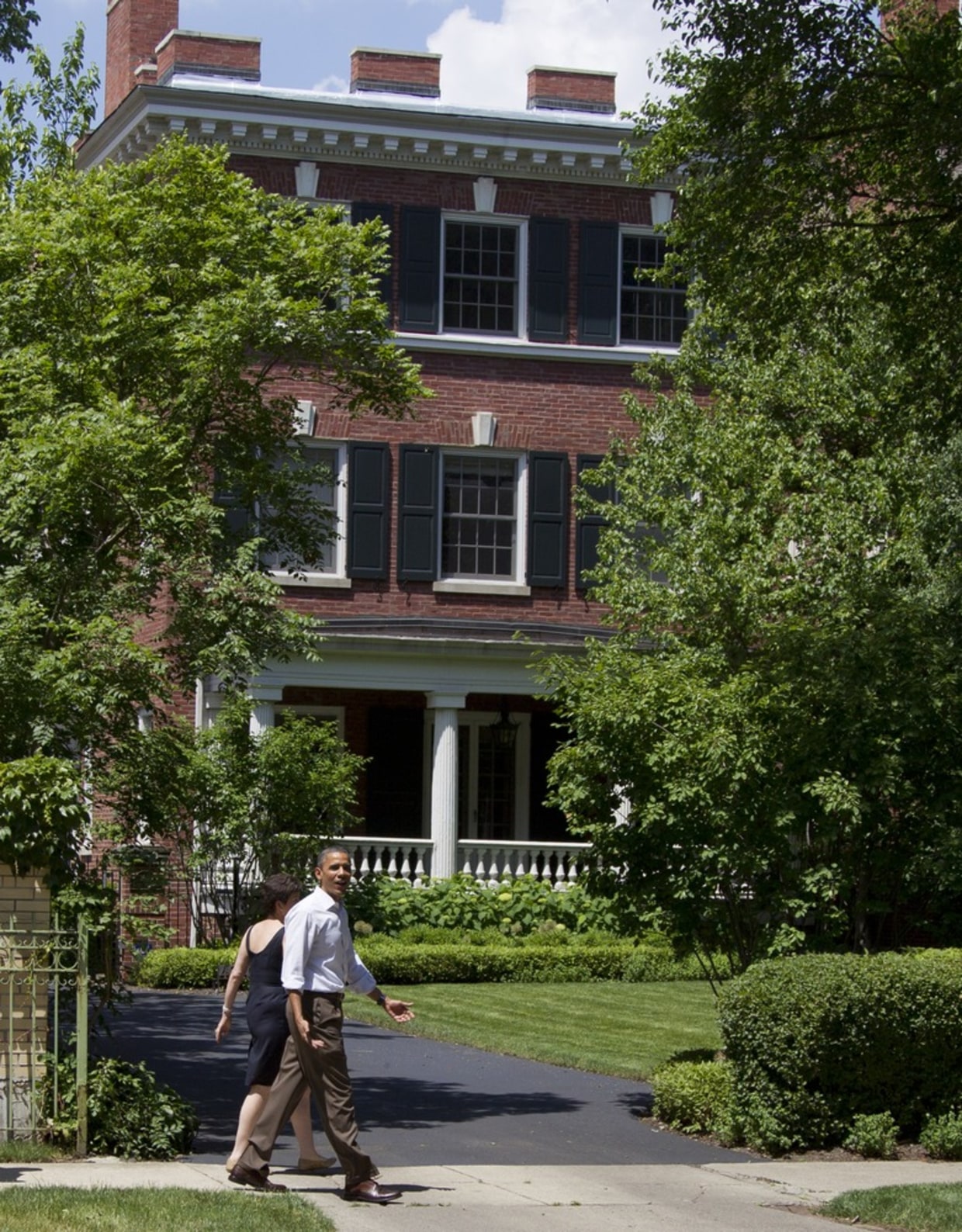
The journey of Barack Obama from a community organizer and constitutional law professor at the University of Chicago to a state senator, U.S. Senator, and ultimately President of the United States, is deeply ingrained in Chicago’s narrative. His early campaigns, his legislative work in Springfield, and his powerful acceptance speech in Grant Park on election night 2008 are all seminal moments that took place within the context of Illinois and Chicago.
These locations, from the University of Chicago Law School to the grand expanse of Grant Park, now carry the weight of presidential history. They are not merely places but symbols of ambition, struggle, and triumph, forever associated with the Obamas’ incredible journey.
The Enduring Economic and Cultural Impact
The Obamas’ connection has also brought significant economic and cultural attention to Chicago. The construction of the Obama Presidential Center alone is generating jobs and investment, particularly on the South Side. Beyond the economic, the Obamas’ story inspires countless individuals, both locally and globally, to visit Chicago and explore the places central to their lives.
Tourists and scholars alike seek out their former home in Kenwood, walk the streets of Hyde Park, and anticipate the opening of the Obama Presidential Center in Jackson Park. This ongoing fascination cements Chicago’s place as a modern landmark, a city not just of iconic skyscrapers like the Willis Tower or cultural institutions like the Art Institute of Chicago and Field Museum, but also a living monument to a pivotal period in American presidential history. The legacy they built in Chicago ensures that the city will always be a point of reference for understanding the Obamas’ impact on the nation and the world.
LifeOutOfTheBox is a participant in the Amazon Services LLC Associates Program, an affiliate advertising program designed to provide a means for sites to earn advertising fees by advertising and linking to Amazon.com. Amazon, the Amazon logo, AmazonSupply, and the AmazonSupply logo are trademarks of Amazon.com, Inc. or its affiliates. As an Amazon Associate we earn affiliate commissions from qualifying purchases.