
Chicago, the “Windy City,” is renowned for its iconic skyline, vibrant arts scene, and deep-dish pizza. However, prospective travelers often pause to consider one of its most defining characteristics: its winter climate. The question, “How cold does Chicago get?” is crucial for planning any visit outside of the balmy summer months. Understanding Chicago’s winter is key to enjoying this magnificent Midwestern metropolis, whether you’re seeking a festive holiday experience or are simply curious about braving its frosty embrace.
Understanding Chicago’s Winter Climate
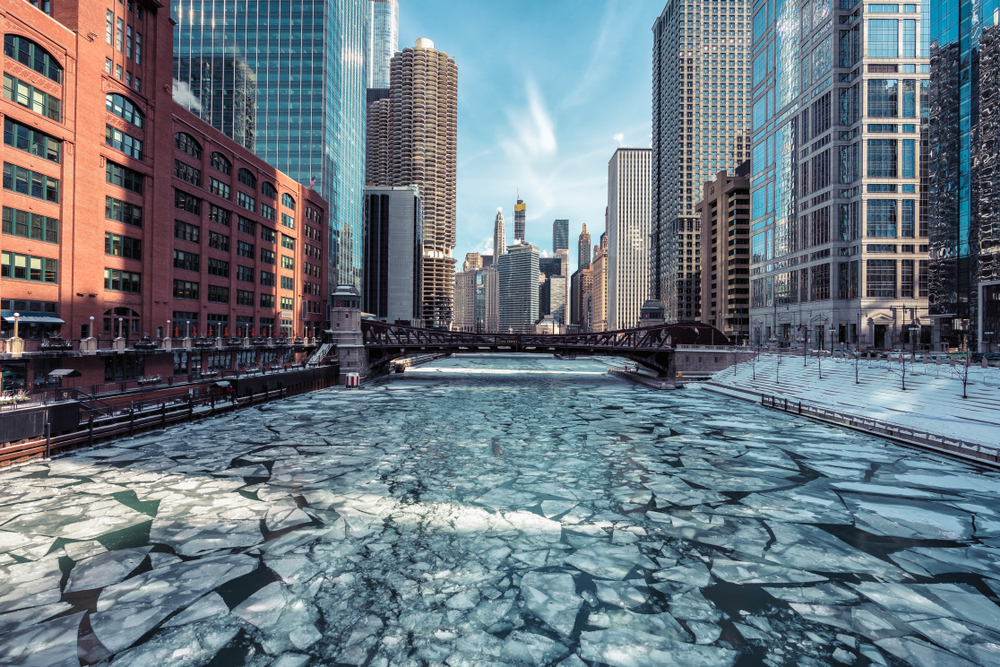
Chicago’s geographic location in the interior of the North American continent, far from the moderating influence of oceans, combined with the presence of Lake Michigan, results in distinct and often extreme seasonal weather. Winters here are undeniably cold, often lasting from late November through March, and sometimes even into April.

Average Temperatures and Extremes
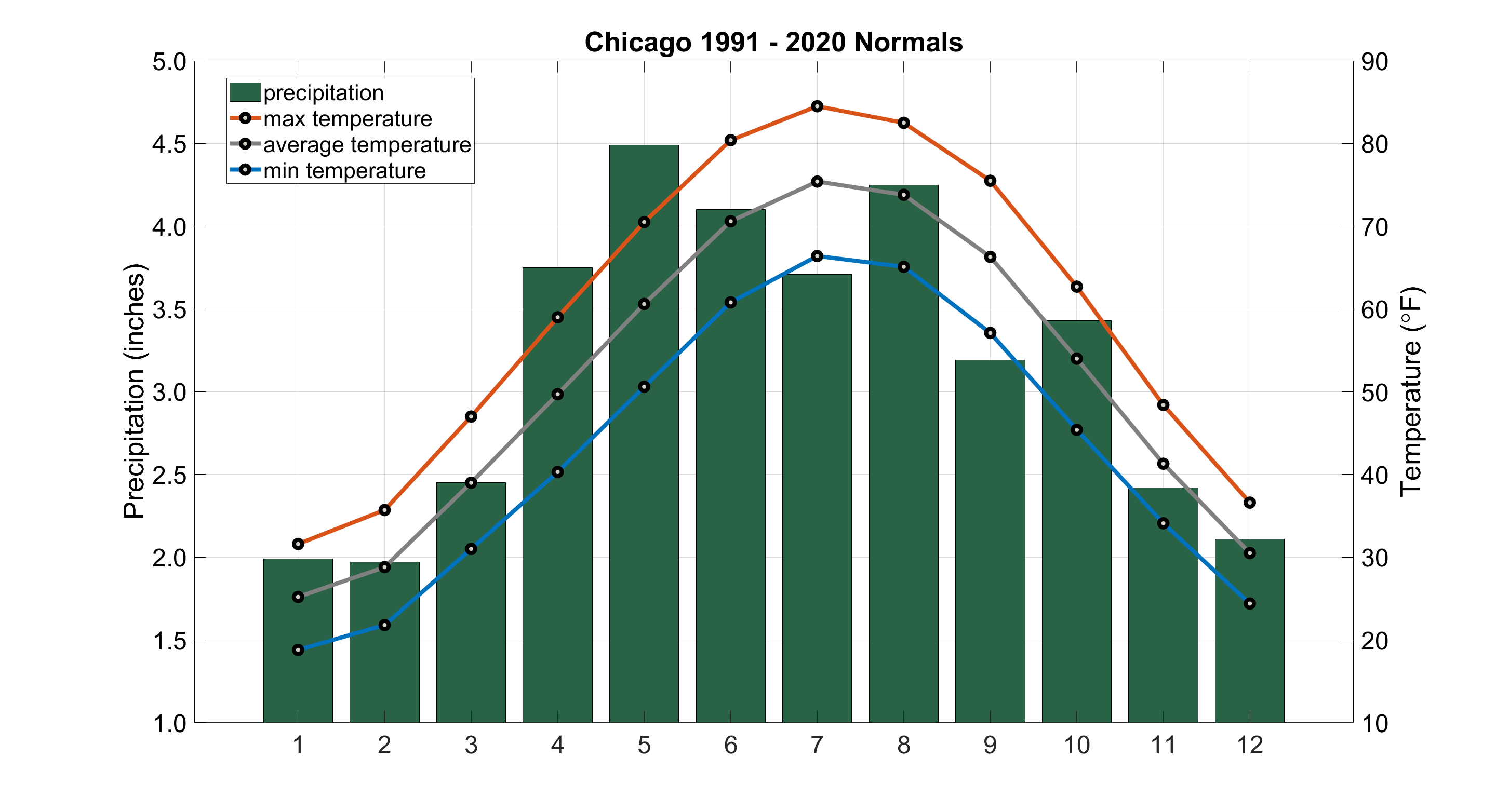
During the heart of winter, typically January and February, average daily temperatures hover around the low 20s Fahrenheit (-6 to -4 degrees Celsius). However, these are just averages. It’s common for temperatures to plunge well below freezing, with daytime highs struggling to reach the teens (-12 to -7 degrees Celsius) and nighttime lows frequently dropping into single digits or even below zero Fahrenheit (-18 degrees Celsius and colder).
Extremes are not uncommon. Chicago has experienced record lows that dip to -27 degrees Fahrenheit (-33 degrees Celsius). While such severe cold snaps are infrequent, they underscore the importance of proper preparation. Travelers should anticipate daily temperatures that necessitate multiple layers of warm clothing, especially if planning to spend significant time outdoors.
The Lake Effect and Wind Chill
The proximity of Lake Michigan plays a significant role in Chicago’s winter weather, sometimes moderating temperatures near the immediate shoreline but more often contributing to the infamous “wind chill” factor. When cold air masses move across the relatively warmer lake waters, they pick up moisture and can create localized snowfalls, known as lake-effect snow. While not as dramatic as the lake-effect snow seen in other Great Lakes cities, it can contribute to snow accumulation in specific areas of the city.
More importantly, the lake contributes to the city’s “windy” reputation, particularly in winter. Even on days when the thermometer reads a seemingly manageable 20 degrees Fahrenheit, a strong gust of wind off the lake can make it feel like 0 degrees Fahrenheit or colder due to the wind chill. This phenomenon significantly amplifies the sensation of cold, making windproof outer layers an absolute necessity for comfort and safety. The wind is arguably a more persistent and impactful challenge than the static temperature reading during a Chicago winter.
Snowfall Expectations
Snow is a regular feature of Chicago’s winter landscape, transforming the city into a picturesque wonderland. The city receives an average of 38 inches (96 cm) of snow annually. While heavy blizzards do occur – with the city having seen over 20 inches of snow in a single storm – more often, snow falls in lighter, more frequent dustings. This means that while major travel disruptions due to snow are possible, they are not an everyday occurrence.
City services are generally efficient at clearing major roads and sidewalks, but side streets and less trafficked areas may remain snow-covered for longer periods. For travelers, this means expecting to walk through snow and slush, necessitating waterproof footwear with good traction. The sight of snow-covered rooftops, parks, and the frozen edge of Lake Michigan offers a unique and beautiful perspective of the city, especially during the holiday season.
Preparing for Your Chicago Winter Trip
Visiting Chicago in winter can be a truly rewarding experience, offering fewer crowds and unique seasonal attractions. However, it requires thoughtful preparation.
Essential Packing List
Layering is the golden rule for dressing in Chicago during winter. Start with a moisture-wicking base layer (thermal underwear), add an insulating mid-layer (fleece or wool sweater), and top it with a waterproof and windproof outer layer, such as a heavy winter coat or parka. Look for coats with down filling or synthetic insulation designed for extreme cold.
Beyond the core layers, don’t forget these crucial accessories:
- Waterproof, insulated boots: Essential for walking through snow and slush while keeping your feet warm and dry. Look for boots with good grip to prevent slips on icy patches.
- Warm hat that covers your ears: A significant amount of body heat is lost through the head.
- Scarf: To protect your neck and face from the biting wind.
- Waterproof gloves or mittens: Mittens generally offer more warmth than gloves.
- Warm socks: Wool or thermal socks are highly recommended.
- Hand warmers: Small, disposable packets can provide an extra boost of warmth for your hands or feet during extended outdoor activities.
Even if you plan to spend most of your time indoors, the walk between attractions, restaurants, and your accommodation will expose you to the elements. Err on the side of bringing too many warm items rather than too few.
Navigating the City in Cold Weather
Chicago’s excellent public transportation system, including the ‘L’ train and extensive bus network, becomes an invaluable asset during winter. The enclosed train stations and heated buses offer a warm respite from the cold between destinations. Walking is still possible and enjoyable, especially around illuminated areas like Millennium Park, but breaks in warm cafes or indoor attractions are advisable.
Many buildings in Downtown Chicago are connected by pedway systems or enclosed walkways, particularly around the Loop and financial districts. Familiarizing yourself with these routes can save you from unnecessary exposure to the cold when moving between certain offices, shops, and attractions. Taxis and ride-sharing services are also readily available, though demand can spike during particularly cold or snowy periods.
Embracing Winter: Chicago Attractions and Activities
Despite the cold, Chicago offers a wealth of activities and experiences that are arguably more charming and intimate during the winter months. The lack of summer crowds can enhance visits to popular sites, and the city’s holiday decorations are truly spectacular.
Indoor Cultural Experiences
Chicago boasts world-class museums and cultural institutions perfect for escaping the cold:
- Art Institute of Chicago: Home to an expansive collection spanning centuries and continents, it’s easy to spend an entire day immersed in art.
- Field Museum: Explore natural history, from Sue, the T-Rex, to ancient Egyptian artifacts.
- Shedd Aquarium: Discover aquatic life from around the globe in a stunning lakeside setting.
- Museum of Science and Industry: A fascinating institution with interactive exhibits, including a captured German U-boat and a coal mine replica.
- Adler Planetarium: Delve into astronomy and space exploration while enjoying unparalleled views of the city skyline across Lake Michigan.
- Theater District: Catch a Broadway show or a local production in the beautifully restored historic theaters of the Loop.
Outdoor Winter Fun
For those who embrace the cold, Chicago offers iconic outdoor winter activities:
- Ice Skating at Millennium Park: Glide across the ice beneath the iconic Cloud Gate (The Bean) and against the backdrop of the city skyline. The McCormick Tribune Ice Rink is a quintessential winter experience.
- Ice Skating at Maggie Daley Park: Enjoy the unique “Skating Ribbon,” a winding ice path through a picturesque landscape, offering a different vibe than the traditional rink.
- Christkindlmarket: If visiting in late November or December, experience this authentic German outdoor Christmas market in Daley Plaza, complete with unique gifts, food, and warm spiced wine (Glühwein).
- ZooLights at Lincoln Park Zoo: A free, family-friendly event where the zoo is transformed into a dazzling display of holiday lights.
Culinary Comforts and Nightlife
Winter in Chicago is the perfect excuse to indulge in the city’s celebrated culinary scene. Cozy up in a Michelin-starred restaurant, enjoy the warmth of a classic steakhouse, or savor a bowl of hearty chili or a rich deep-dish pizza. Many restaurants feature seasonal menus with comforting, warming dishes.
Chicago’s nightlife thrives indoors during winter. From sophisticated cocktail bars in the River North district to live music venues in Wicker Park or blues clubs in Lincoln Park, there are plenty of options to stay entertained and warm after dark.
Best Times to Visit for Winter Enthusiasts (or Avoidance)
The intensity of Chicago’s cold varies throughout the winter season, allowing travelers to choose their preferred level of chill.
December’s Festive Chill
Early December brings the onset of true winter cold, but it’s often accompanied by a festive atmosphere. The city lights up with holiday decorations, Christkindlmarket is in full swing, and seasonal events abound. While cold, temperatures are generally more manageable than in the depths of winter, making it a popular time for visitors seeking a magical holiday experience.
January and February: The Deep Freeze
These two months represent the coldest period in Chicago. Temperatures are consistently low, and the risk of significant snowfall and extreme wind chills is highest. This is the time for serious winter gear. For those who truly love winter sports, enjoy quiet museums, or seek the stark beauty of a snow-covered urban landscape, these months offer a unique, less crowded travel experience. Budget travelers might also find better deals on flights and accommodations during this off-peak period.
March: Lingering Cold
March marks the transition out of winter, but don’t expect spring flowers just yet. While temperatures begin a gradual ascent, it can still be quite cold, with significant snowfalls possible early in the month. The ground often remains covered, and slush is a common sight. However, longer daylight hours and the anticipation of spring can make late March a more tolerable option for those who want to experience winter without its most extreme bite.
In conclusion, Chicago gets genuinely cold in winter, with temperatures frequently below freezing and a significant wind chill factor. However, with proper planning, adequate warm clothing, and a willingness to embrace its unique seasonal charm, a winter trip to Chicago can be an unforgettable and rewarding travel experience, full of cultural richness, festive cheer, and the stunning beauty of a city transformed by snow and ice.
LifeOutOfTheBox is a participant in the Amazon Services LLC Associates Program, an affiliate advertising program designed to provide a means for sites to earn advertising fees by advertising and linking to Amazon.com. Amazon, the Amazon logo, AmazonSupply, and the AmazonSupply logo are trademarks of Amazon.com, Inc. or its affiliates. As an Amazon Associate we earn affiliate commissions from qualifying purchases.