
The journey from Chicago, Illinois, to Cleveland, Ohio, connects two major Midwest cities with distinct personalities and economic engines. Understanding the distance and various travel options available is crucial for anyone planning this cross-state trip, whether for business, leisure, or relocation. This comprehensive guide outlines the geographical span, typical travel durations, and modes of transport to help you navigate the route efficiently and enjoyably.
The Geographical Span: Unpacking the Distance
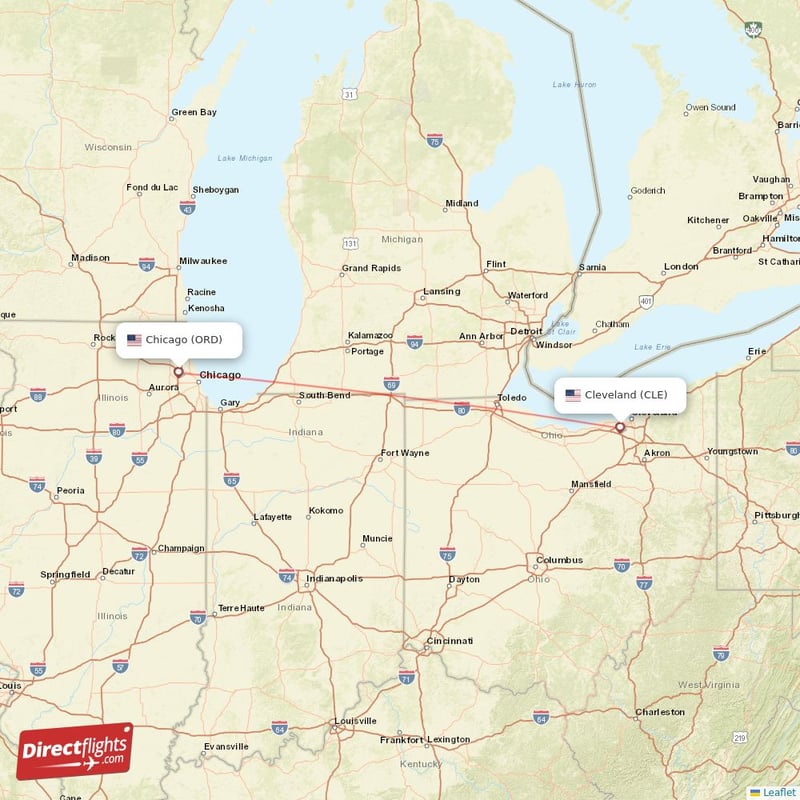
The distance between Chicago and Cleveland is significant, traversing across Indiana and Ohio. This corridor is a vital artery for freight and passenger transport in the region.
Driving Distance and Time
The most common and flexible way to travel between these two cities is by car. The average driving distance typically ranges from 340 to 355 miles (approximately 547 to 571 kilometers), depending on the specific starting and ending points within each metropolitan area and the exact route taken.
Under ideal driving conditions, without significant traffic delays or extensive stops, the journey usually takes approximately 5.5 to 6 hours. However, it’s important to factor in potential variables:
- Traffic: Both Chicago and Cleveland are major urban centers, and traffic congestion can be substantial, especially during peak commuter hours. Navigating out of Chicago’s dense urban sprawl or entering Cleveland’s downtown core can add considerable time to your trip. Weekend travel, particularly during holidays, can also see increased traffic volumes.
- Weather Conditions: The Midwest experiences diverse weather. Winter months can bring heavy snow and ice, significantly slowing down travel and making road conditions hazardous. Summer can see severe thunderstorms. Always check the weather forecast before embarking on your journey.
- Stops: Planning for breaks, fuel stops, and meals is essential for a comfortable and safe trip. A well-planned stop can easily add 30-60 minutes or more to your overall travel time.
Major Driving Routes
The primary route connecting Chicago and Cleveland predominantly utilizes major interstate highways, making for a relatively straightforward drive.
The I-80/I-90 Corridor
The most direct and frequently used route involves a combination of Interstate 80 and Interstate 90. These two interstates merge for a significant portion of the journey across Indiana and Ohio.
- From Chicago: Travelers typically begin by heading south or southeast, eventually merging onto I-80 / I-90 East.
- Through Indiana: This stretch involves the Indiana Toll Road. Be prepared for tolls, which can be paid electronically or with cash at toll booths. The landscape across Indiana is largely flat, characterized by agricultural lands and industrial zones as you pass through cities like Gary.
- Through Ohio: Upon entering Ohio, the route continues on the Ohio Turnpike, which is also a toll road. The Ohio Turnpike is generally well-maintained and offers numerous service plazas with fuel, food, and restroom facilities. As you approach Cleveland, the scenery gradually transitions from rural to more suburban and urban, often skirting the southern edge of Lake Erie.
- Approaching Cleveland: Depending on your final destination in Cleveland, you will typically follow I-90 East directly into the city center or connect to other local interstates like I-77 or I-71.
This route is favored for its directness and generally high-speed limits, though the presence of tolls is a factor to consider in your travel budget.
Beyond the Wheel: Other Travel Options
While driving offers flexibility, several other modes of transport connect Chicago and Cleveland, each with its own advantages.

Air Travel: Speed and Efficiency
For those prioritizing speed, flying is the fastest option, although it typically involves more steps and can be more expensive.
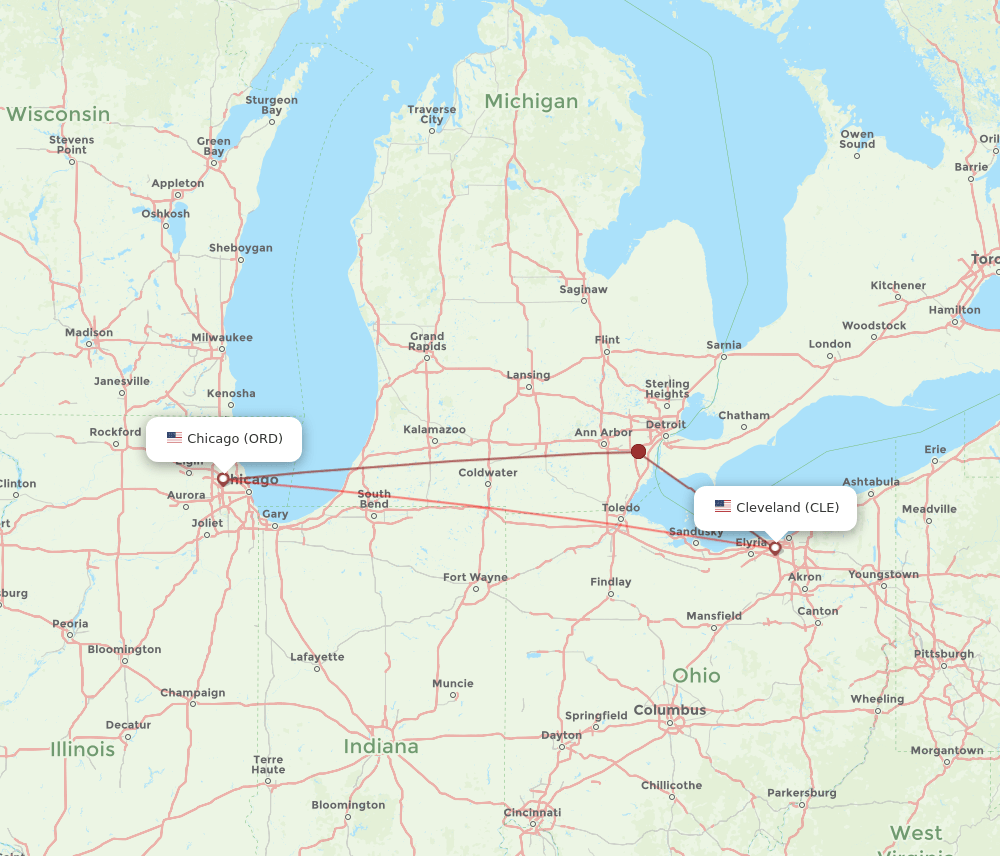
- Airports: Flights usually depart from Chicago O’Hare International Airport (ORD) or Chicago Midway International Airport (MDW) and arrive at Cleveland Hopkins International Airport (CLE).
- Flight Time: The actual flight time between the two cities is relatively short, usually around 1 hour and 15 minutes to 1 hour and 30 minutes.
- Total Travel Time: However, air travel involves more than just flight time. You must factor in:
- Travel to and from airports (which can be substantial, especially from downtown Chicago to O’Hare)
- Security checks and check-in procedures (typically 1.5 to 2 hours before departure)
- Boarding and deplaning
- Baggage claim
This can easily bring the total door-to-door travel time to 4 to 6 hours, comparable to or slightly longer than driving in some cases, especially when short-haul flights experience delays.
- Cost: Airfare can vary widely based on booking time, airline, and demand. It’s often more expensive than driving, particularly for solo travelers, but can be competitive if booked in advance or during sales.
Bus Services: Economy and Convenience
Bus travel is a popular choice for budget-conscious travelers or those who prefer not to drive. Multiple companies offer routes between Chicago and Cleveland.
- Providers: Major operators include Greyhound and Megabus.
- Travel Time: Bus journeys are typically longer than driving, ranging from 6.5 to 9 hours, depending on the number of stops, transfers, and traffic conditions. Some routes may include layovers.
- Amenities: Modern buses often feature amenities such as Wi-Fi, power outlets, and reclining seats, making the long journey more comfortable.
- Cost: Bus tickets are generally the most affordable option, especially when booked in advance.
Train Travel: A Scenic Alternative
Amtrak provides train service connecting Chicago Union Station to Cleveland Lakefront Station. This offers a unique travel experience, often preferred by those who enjoy the journey itself.
- Routes: The main Amtrak route serving Cleveland from Chicago is the “Lake Shore Limited” or the “Capitol Limited,” though schedules and connections should be verified.
- Travel Time: Train travel is typically the longest option, often taking 6 to 8 hours, sometimes more, due to stops at intermediate cities and the nature of rail operations.
- Amenities: Trains offer spacious seating, dining cars, and observation cars, providing a comfortable and relaxed environment. It’s an opportunity to relax, read, work, or simply enjoy the passing scenery without the stress of driving or airport procedures.
- Cost: Train fares can be comparable to mid-range bus fares or entry-level airfares, depending on the class of service and how far in advance tickets are purchased.
Planning Your Journey: Essential Tips for Travelers
Regardless of your chosen mode of transport, a well-planned trip ensures a smoother and more enjoyable experience.
Best Time to Travel
- Spring and Fall: These seasons generally offer the most pleasant driving conditions with moderate temperatures and less extreme weather. However, fall foliage can draw crowds on some routes, and spring can bring unpredictable rain.
- Summer: Popular for family trips, but traffic can be heavier, and temperatures can be high, increasing the need for air conditioning in vehicles. Construction season also peaks in summer, potentially causing delays.
- Winter: Travel during winter, especially by car, requires caution due to potential snow, ice, and reduced visibility. Allow extra time and ensure your vehicle is winter-ready.
Maximizing Comfort and Efficiency
- Driving:
- Vehicle Check: Ensure your car is in good condition, with proper tire pressure, fluid levels, and functioning lights.
- Navigation: Use GPS or a reliable mapping app for real-time traffic updates and to navigate potential detours.
- Tolls: Have cash or an electronic toll transponder (like E-ZPass) ready for the Indiana Toll Road and Ohio Turnpike.
- Breaks: Plan for regular breaks every 2-3 hours to combat driver fatigue. Service plazas along the turnpikes are convenient for this.
- Flying:
- Book in Advance: Secure better fares and preferred flight times.
- Airport Transport: Pre-arrange rideshares, taxis, or public transport to and from the airports.
- Packing: Adhere to airline baggage rules to avoid unexpected fees.
- Bus/Train:
- Ticket Purchase: Buy tickets online in advance, especially for popular routes or peak travel times.
- Comfort: Bring snacks, drinks, a good book, and headphones to enhance your journey. A travel pillow can make a significant difference for longer trips.
The journey from Chicago to Cleveland offers a variety of travel options, each with its unique blend of time, cost, and experience. By understanding the distance and preparing for the specifics of your chosen mode of transport, you can ensure a smooth and enjoyable trip across the Midwest.
LifeOutOfTheBox is a participant in the Amazon Services LLC Associates Program, an affiliate advertising program designed to provide a means for sites to earn advertising fees by advertising and linking to Amazon.com. Amazon, the Amazon logo, AmazonSupply, and the AmazonSupply logo are trademarks of Amazon.com, Inc. or its affiliates. As an Amazon Associate we earn affiliate commissions from qualifying purchases.