
The question “How far is Bloomington from Chicago?” is a fundamental query for anyone planning a journey between these two significant Illinois locales. Whether for business, education, family visits, or leisure, understanding the distance and the various travel options is the crucial first step in orchestrating a seamless trip. This detailed guide aims to demystify the journey, providing insights into distances, routes, and modes of transportation, ensuring your travel plans are as efficient and enjoyable as possible.
Unveiling the Distance: A Critical First Step for Travel Planning
The direct distance between Bloomington and Chicago is approximately 135 to 160 miles (217 to 257 kilometers), depending on the specific starting and ending points within each metropolitan area and the chosen route. This translates to an estimated driving time of about 2 to 3 hours under ideal conditions, without significant traffic or extensive stops.
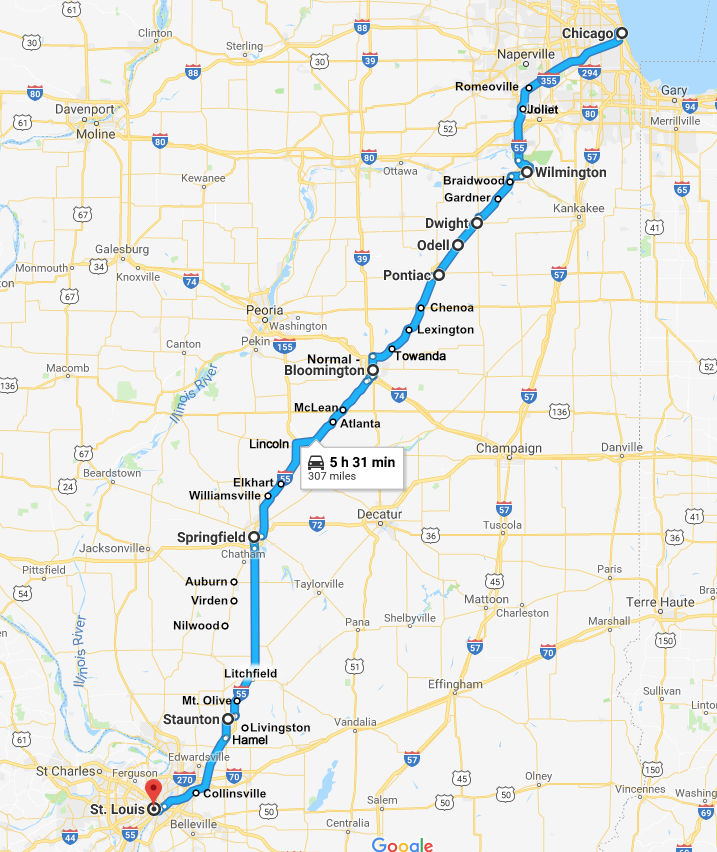
Bloomington, often paired with its twin city Normal as Bloomington-Normal, sits squarely in the heart of Illinois, acting as a central hub for commerce, agriculture, and education. Chicago, in stark contrast, is the vibrant metropolis on the shores of Lake Michigan, serving as a global center for finance, culture, and tourism. The journey connecting these two distinct urban environments is a well-traveled corridor, important for both daily commuters and long-distance travelers.
Several factors can influence the actual travel time. Traffic conditions, especially around the Chicago metropolitan area, can add significant delays during peak hours. Construction, weather, and the number of stops for fuel or rest also play a role. Therefore, while 2-3 hours is a good baseline, it’s always prudent to factor in additional time, particularly if adherence to a tight schedule is necessary.
Navigating the Routes: Your Journey Options
Travelers have a variety of choices when planning their trip from Bloomington to Chicago, each offering a different balance of convenience, cost, and comfort.
Driving: The Most Common Choice
Driving remains the most popular method of travel between Bloomington and Chicago due to its flexibility and directness. The primary route involves connecting to Interstate 55 (often referred to as I-55), which runs directly northwest from Bloomington into the heart of Chicago.
- The I-55 Corridor: This is the most direct and frequently used path. From Bloomington, travelers typically access I-55 via Interstate 74 or local roads. I-55 offers a relatively straightforward drive, bypassing smaller towns and allowing for consistent highway speeds. However, as one approaches Chicago, congestion becomes a significant concern, especially around Joliet and the numerous suburban exits leading into the city.
- Alternative Routes (with connections): While less direct, some drivers might consider a route that briefly utilizes Interstate 39 (south of Bloomington) before connecting to other interstates or even portions of US Route 51 (US-51) for a more scenic, albeit longer, journey. However, for sheer speed, I-55 is unparalleled.
- Pros of Driving: Unmatched flexibility for departure times, routes, and making stops. Ideal for those carrying significant luggage or traveling with family.
- Cons of Driving: Potential for heavy traffic, particularly entering or exiting Chicago. Costs include fuel, potential tolls (though I-55 is largely toll-free in this stretch, city driving may incur tolls), and parking fees in Chicago. Driver fatigue can also be a factor.
For a smoother driving experience, consider checking real-time traffic updates before departure and during the journey. Ensure your vehicle is in good condition, and plan for rest stops, especially if you’re not accustomed to driving for several hours.
Public Transportation: An Alternative Perspective
For those who prefer to avoid driving, public transportation offers a viable and often stress-free alternative.
- Train Travel (Amtrak): Amtrak provides a comfortable and efficient way to travel between Bloomington and Chicago. The Illinois Service trains (specifically the Lincoln Service) connect the Bloomington-Normal Station (BNL) to Chicago’s iconic Union Station. The journey typically takes around 2 hours and 30 minutes to 3 hours, offering passengers the chance to relax, work, or enjoy the scenery without the worries of traffic or parking.
- Pros of Train Travel: Comfortable seating, onboard amenities (WiFi, dining car on some services), no traffic stress, direct access to downtown Chicago via Union Station. Environmentally friendlier than driving solo.
- Cons of Train Travel: Fixed schedules, potentially higher cost than bus travel (depending on booking time), and limited flexibility for intermediate stops.
- Bus Services (Greyhound, Burlington Trailways): Several bus companies, including Greyhound and Burlington Trailways, operate routes between Bloomington and Chicago. These services are generally the most budget-friendly option. Travel times can range from 3 to 4 hours, depending on the number of stops and traffic conditions. Buses typically depart from the Bloomington-Normal Connect Transit Center or similar hubs and arrive at Chicago’s Greyhound Station or other central locations.
- Pros of Bus Travel: Most economical option, generally frequent departures, no driving stress.
- Cons of Bus Travel: Longer travel times compared to driving or train, fewer amenities than train, potentially less comfortable, and subject to traffic delays.
Air Travel: Is It Practical?
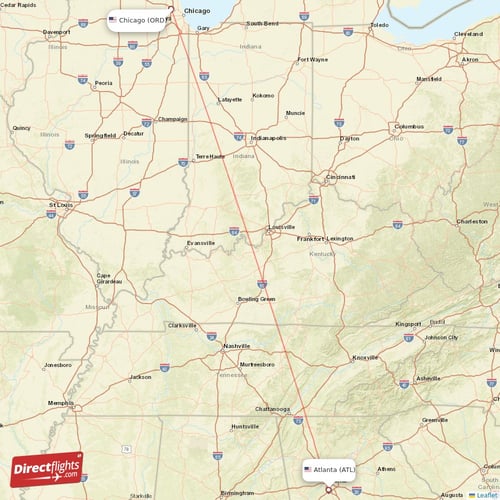
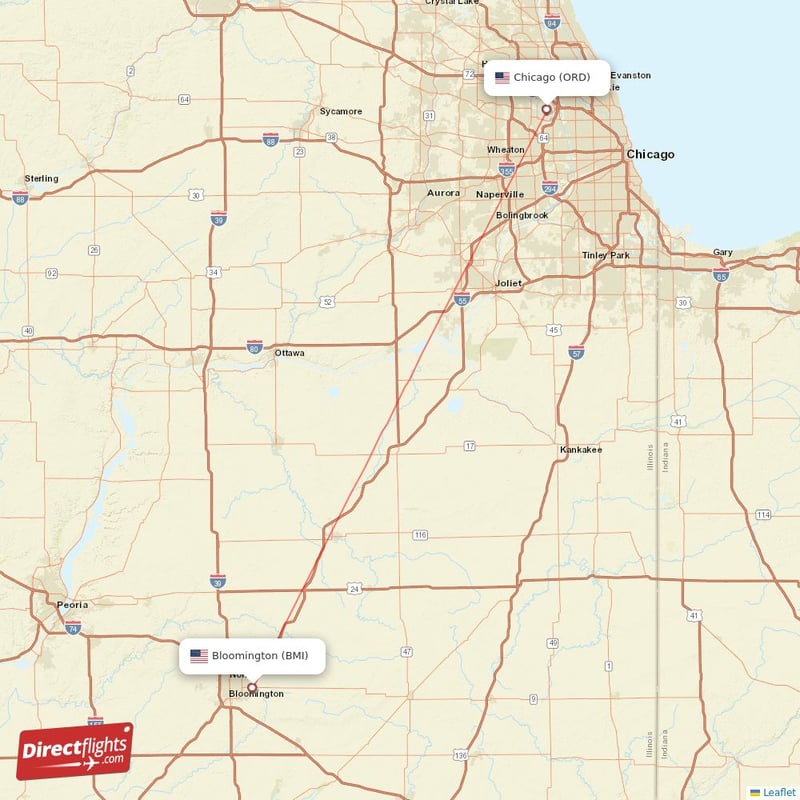
For the distance between Bloomington and Chicago, air travel is generally not a practical or efficient option. The flight time itself would be very short (under an hour), but the total travel time dramatically increases when accounting for travel to and from airports, security checks, and potential delays.
- Bloomington is served by the Central Illinois Regional Airport (BMI), and Chicago by O’Hare International Airport (ORD) and Midway International Airport (MDW). Direct flights between BMI and ORD/MDW are infrequent or non-existent, often requiring connecting flights, which would make the journey significantly longer and more expensive than ground transportation.
- Conclusion: Air travel is best reserved for much longer distances. For this particular route, the time savings are negligible, and the costs are significantly higher than driving or taking the train/bus.
Maximizing Your Journey: Tips for a Seamless Trip
Regardless of your chosen mode of transport, a few key strategies can enhance your travel experience between Bloomington and Chicago.
Timing Your Departure
For drivers, avoiding peak traffic hours is paramount. Leaving Bloomington early in the morning (before 6 AM) or later in the day (after 7 PM) on weekdays can help bypass the worst of the Chicago commuter rush. Similarly, departing Chicago mid-morning or mid-afternoon on weekdays, or during non-peak hours on weekends, will generally lead to a smoother drive. Weekends can also see significant traffic, especially on Friday afternoons and Sunday evenings, as travelers head to or from Chicago for weekend excursions.
For train and bus travelers, booking tickets in advance, particularly for popular times or holidays, is advisable to secure preferred seats and potentially better fares.
Essential Packing and Preparation
- For Drivers: Keep your car well-maintained. Pack an emergency kit, including jumper cables, a first-aid kit, and water. A car charger for your phone and a physical map (or downloaded offline maps) are good backups. Snacks and drinks will prevent unnecessary stops.
- For Public Transport: Ensure you have your tickets readily accessible (digital or print). Pack entertainment like books, music, or movies. A portable charger for electronic devices is always a good idea. For train travel, consider a neck pillow for added comfort.
Making the Most of Your Stopovers (if driving)
If you’re not in a rush, the drive along I-55 offers a few interesting points for a break. The historic Route 66 parallels much of I-55, and charming towns like Pontiac offer fascinating Route 66 museums and murals. Joliet, closer to Chicago, has attractions such as the Old Joliet Prison and the Rialto Square Theatre. These detours can transform a simple drive into a mini-exploration of Illinois’s rich history.
Why This Route Matters: Connecting Two Illinois Gems
The travel corridor between Bloomington and Chicago is more than just a stretch of highway or railway; it’s a vital artery connecting diverse aspects of Illinois life. Bloomington-Normal is home to major institutions like Illinois State University and the corporate headquarters of State Farm, drawing students, faculty, and business professionals. Chicago, as a world-class city, offers unparalleled opportunities for tourism, entertainment, business, and specialized medical care.
Understanding the distance and optimizing travel plans ensures that whether you’re heading to Bloomington for a university visit, to Chicago for a weekend getaway, or for any other purpose, your journey is as smooth and stress-free as possible, allowing you to focus on your destination rather than the logistics of getting there.
LifeOutOfTheBox is a participant in the Amazon Services LLC Associates Program, an affiliate advertising program designed to provide a means for sites to earn advertising fees by advertising and linking to Amazon.com. Amazon, the Amazon logo, AmazonSupply, and the AmazonSupply logo are trademarks of Amazon.com, Inc. or its affiliates. As an Amazon Associate we earn affiliate commissions from qualifying purchases.