
The journey between Chicago, Illinois, and Nashville, Tennessee, connects two of America’s most vibrant and culturally rich cities. While geographically distinct—one a Midwestern metropolis, the other a Southern beacon of music—the distance between them is a common consideration for travelers planning road trips, business excursions, or leisure getaways. Understanding the mileage, travel time, and various transportation options is crucial for an efficient and enjoyable transit experience.
The Journey’s Blueprint: Distance and Routes
The approximate straight-line distance, or “as the crow flies,” between Chicago and Nashville is around 409 miles (658 kilometers). However, ground travel naturally involves following roadways, which extends this distance.
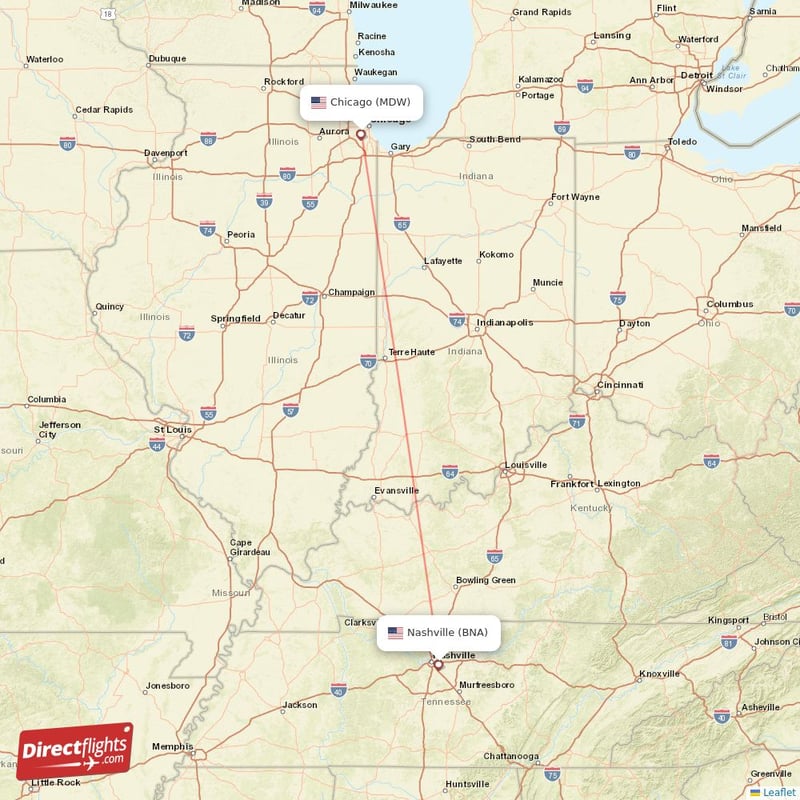
By road, the typical driving distance between the two cities ranges from approximately 460 to 500 miles (740 to 800 kilometers), depending on the specific starting and ending points within each city and the chosen route. The most direct and commonly used route primarily involves traversing south through Illinois and Kentucky before reaching Tennessee. This journey typically takes between 7.5 to 9 hours of pure driving time, not accounting for stops for fuel, food, or rest. Factors such as traffic, especially around urban areas like St. Louis or Louisville if taking alternative routes, and weather conditions can significantly impact the overall travel duration.
Navigating the Corridor: Transportation Options
Travelers have several viable options for making the journey from Chicago to Nashville, each offering distinct advantages in terms of cost, speed, and comfort.
Driving: The Classic American Road Trip
Driving remains one of the most popular choices for this route, offering flexibility and the opportunity for scenic detours. The primary route involves taking I-57 South from Chicago, then connecting to I-24 East near Paducah, Kentucky, which leads directly into Nashville.
- Route Overview: From downtown Chicago, I-57 South will take you through southern Illinois. After approximately 250 miles, you’ll merge onto I-24 East, which will carry you through western Kentucky and into northern Tennessee, eventually bringing you into the heart of Nashville.
- Time Commitment: Expect to spend between 7.5 to 9 hours behind the wheel. It’s advisable to plan for at least one or two 30-minute to one-hour breaks, extending the total travel time to 9 to 11 hours.
- Fuel Costs: Budget for at least two to three fill-ups, depending on your vehicle’s fuel efficiency. Gas prices fluctuate, so checking current rates along the route is recommended.
- Road Trip Tips:
- Best Times to Travel: Weekdays during off-peak hours (mid-morning to mid-afternoon) generally offer lighter traffic. Avoid major holidays when roads can become heavily congested.
- Overnight Stops: While many complete the drive in a single day, an overnight stop in a city like Paducah, Kentucky, or Clarksville, Tennessee, can break up the journey, especially for families or those seeking a more leisurely pace.
- Vehicle Preparation: Ensure your vehicle is in good condition, with tires, oil, and fluid levels checked before departure.
- Entertainment: Prepare playlists, podcasts, or audiobooks to keep passengers entertained throughout the extensive drive.
Flying: The Fastest Connection
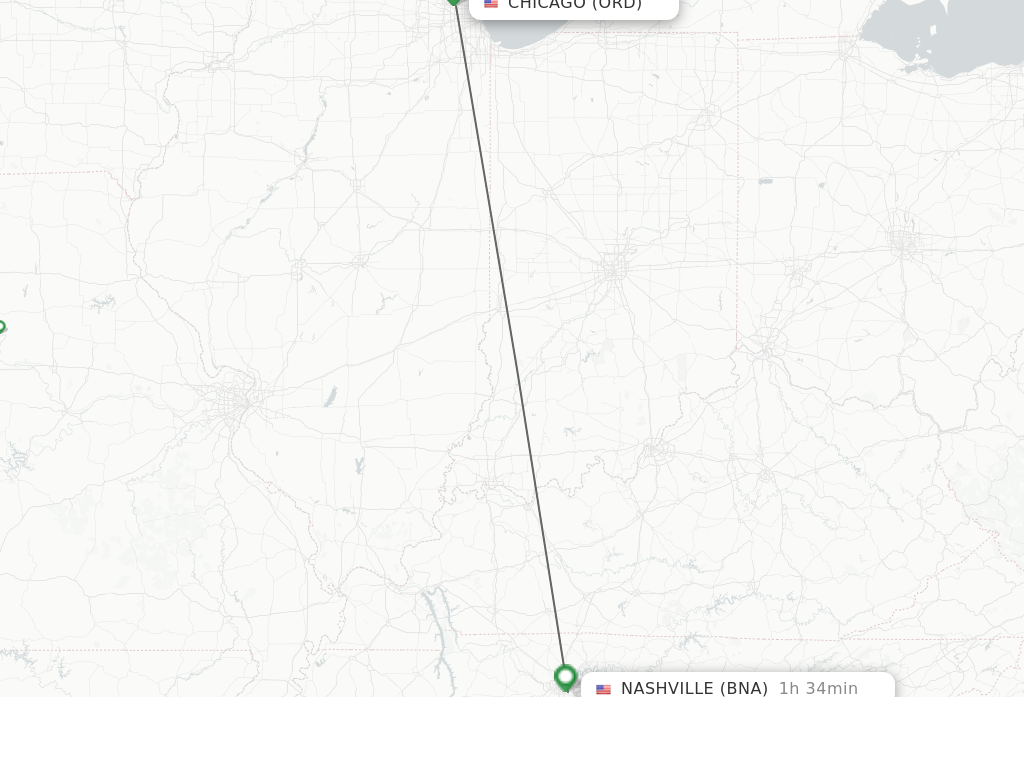
For those prioritizing speed, air travel is by far the quickest option. Non-stop flights between Chicago and Nashville are regularly available and typically take around 1 hour and 20 minutes to 1 hour and 45 minutes.
- Airports:
- In Chicago: O’Hare International Airport (ORD) and Midway International Airport (MDW) serve numerous airlines with direct flights to Nashville.
- In Nashville: Nashville International Airport (BNA) is the primary gateway, conveniently located southeast of downtown.
- Total Travel Time: While the flight itself is short, remember to factor in time for commuting to and from airports, security checks, boarding, and baggage claim. This can easily add 3-4 hours to the overall travel duration, making the door-to-door experience around 5-6 hours.
- Cost Considerations: Airfares can vary significantly based on the season, how far in advance you book, and the airline. Often, budget airlines offer competitive rates, but always compare total costs, including baggage fees and airport transfers.
Bus Services: Economical and Convenient
Bus travel offers a budget-friendly alternative, albeit with a longer travel time. Companies like Greyhound and Megabus operate daily services between Chicago and Nashville.
- Journey Duration: A typical bus journey can range from 9 to 12 hours, depending on the number of stops and transfers. This includes comfort breaks and potential layovers in intermediate cities.
- Cost: Bus tickets are generally the most economical option, especially when booked in advance.
- Comfort: Modern long-distance buses often feature amenities like Wi-Fi, power outlets, and reclining seats, making the extended journey more comfortable.
Train Travel: A Scenic Alternative
Amtrak provides train services that connect Chicago to nearby cities, though a direct, single-route train to Nashville is not readily available. Travelers would typically need to take a train to a hub like Memphis or New Orleans and then transfer, which makes the journey considerably longer and more complex than other options. This option is usually preferred by those who specifically enjoy train travel for its unique experience rather than efficiency or speed.
- Complexity and Time: Expect multiple transfers and a significantly longer travel time, often exceeding 15-20 hours.
- Experience: Train travel offers a chance to relax, enjoy the passing scenery, and avoid the stresses of driving or airport procedures, but it requires flexibility with schedules.
Planning Your Intercity Travel
Regardless of your chosen mode of transport, a few general considerations will enhance your travel experience between Chicago and Nashville.
- Best Time to Travel: Spring and fall generally offer the most pleasant weather for driving, avoiding the intense heat of summer and the potential for snow and ice in winter. However, these seasons can also be popular, leading to higher travel costs and increased traffic.
- Booking in Advance: Especially for flights and popular bus routes, booking your tickets several weeks or even months ahead can result in significant savings and ensure availability, particularly during peak travel seasons or holidays.
- Packing Smart: Consider the duration of your journey and mode of transport when packing. For car travel, ensure easy access to snacks, drinks, and entertainment. For flights, adhere to baggage restrictions to avoid unexpected fees.
- Stay Informed: Check traffic updates, weather forecasts, and airport status reports closer to your travel date to anticipate any potential delays or changes to your itinerary.
The Appeal of the Journey: Connecting Two American Icons
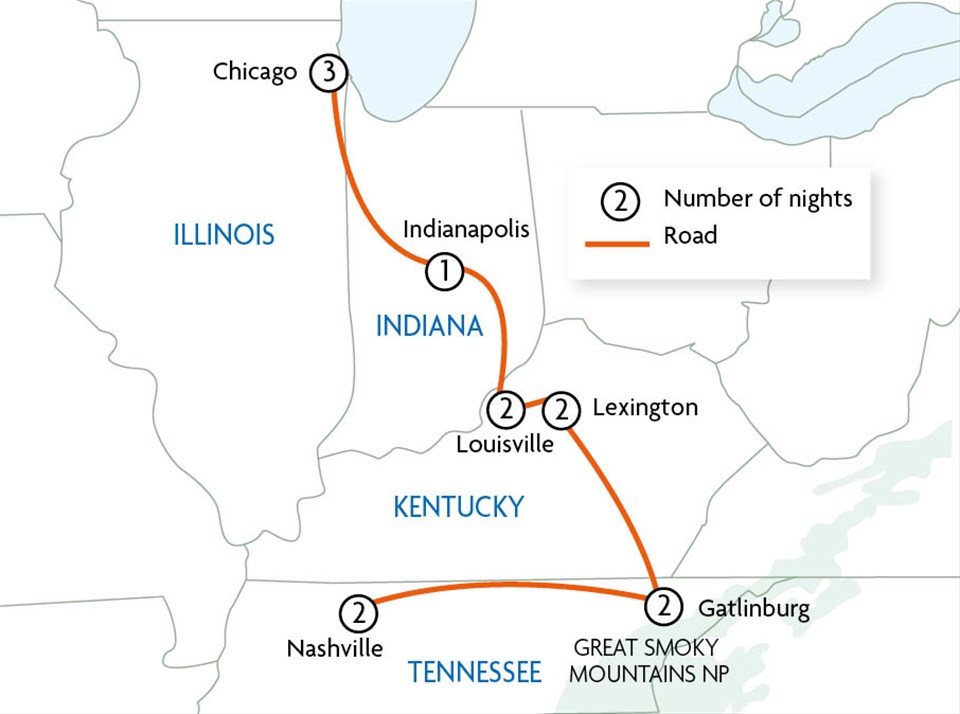
Traveling between Chicago and Nashville is more than just covering distance; it’s an opportunity to connect with two distinct yet equally captivating American cities. Chicago, with its towering skyscrapers, deep-dish pizza, and world-class museums, represents the industrial might and cultural sophistication of the Midwest. Nashville, on the other hand, embodies the soulful rhythms of the South, renowned as the “Music City” for its country music heritage, vibrant live venues, and burgeoning culinary scene.
Whether for business or leisure, the journey offers a chance to experience the shifting landscapes of the American heartland, from the flat plains of Illinois to the rolling hills of Kentucky and Tennessee. The choice of travel dictates not just the time taken, but the nature of the experience itself—from the intimate control of a road trip to the swift efficiency of air travel. Understanding the “how far” is merely the first step in planning an enriching and memorable journey between these two significant cultural hubs.
LifeOutOfTheBox is a participant in the Amazon Services LLC Associates Program, an affiliate advertising program designed to provide a means for sites to earn advertising fees by advertising and linking to Amazon.com. Amazon, the Amazon logo, AmazonSupply, and the AmazonSupply logo are trademarks of Amazon.com, Inc. or its affiliates. As an Amazon Associate we earn affiliate commissions from qualifying purchases.