
The journey between Milwaukee, Wisconsin, and Chicago, Illinois, is a well-trodden path for both leisure and business travelers. These two vibrant cities, nestled along the shores of Lake Michigan, are separated by a relatively short distance, making them ideal for day trips, weekend getaways, or convenient connections. Understanding the various transportation options, estimated travel times, and essential planning tips is key to a smooth and enjoyable experience. This guide delves into the specifics of traversing the corridor between the Beer City and the Windy City.
The Journey Between Two Great Lakes Cities
The proximity of Milwaukee to Chicago is a defining characteristic of travel in the Upper Midwest. While distinct in their cultural offerings and urban character, their shared connection to Lake Michigan and historical ties create a natural flow of movement between them.

Understanding the Distance
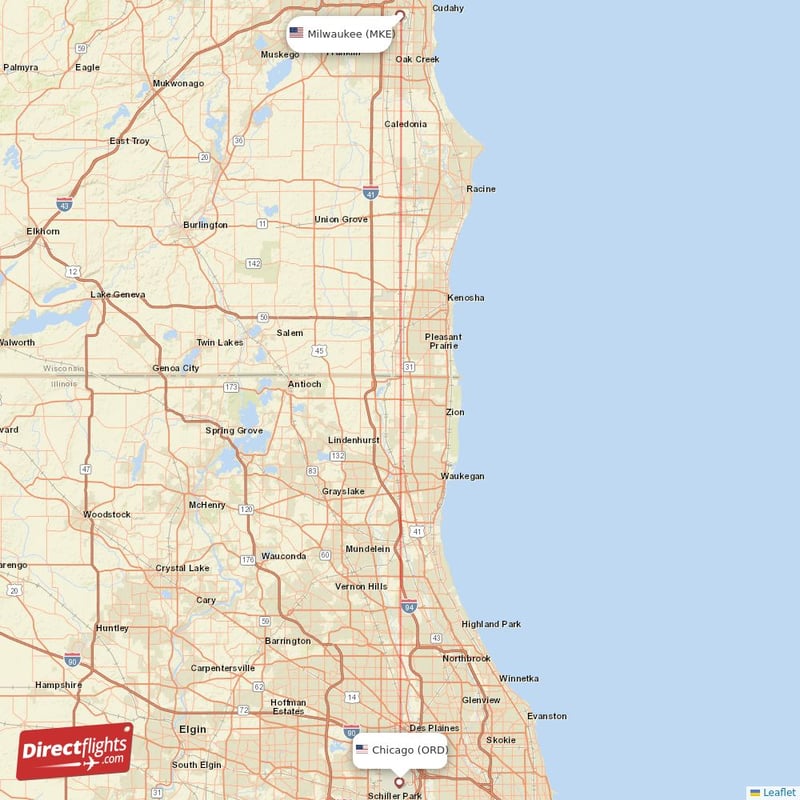
The direct distance between downtown Milwaukee and downtown Chicago is approximately 90 miles (145 kilometers) as the crow flies. However, actual travel distance depends significantly on the chosen mode of transportation and the specific starting and ending points within each metropolitan area. By road, the average distance is closer to 90-100 miles, making it an accessible drive. This relatively short hop makes the route highly appealing for those looking to experience the diverse attractions of both locales without committing to extensive travel time.
Why Make the Trip?
Travelers venture between Milwaukee and Chicago for a myriad of reasons. Milwaukee draws visitors with its rich brewing heritage, stunning Milwaukee Art Museum, and the unique Harley-Davidson Museum. Its burgeoning culinary scene and vibrant festivals, particularly in the summer, add to its appeal. Chicago, on the other hand, is a global metropolis renowned for its architectural marvels, world-class museums like the Art Institute of Chicago, iconic landmarks such as Millennium Park and Navy Pier, and an unparalleled dining and entertainment landscape. For many, the trip is about exploring distinct urban experiences, visiting family and friends, or attending business conferences and events in either city. The ease of travel between them facilitates seamless transitions from one vibrant urban experience to another.
Transportation Options: Navigating the I-94 Corridor
The primary artery connecting Milwaukee and Chicago is the I-94 expressway, which forms the backbone for most ground transportation options. Each mode offers distinct advantages in terms of cost, comfort, and flexibility.
Driving: The Most Flexible Option
Driving remains the most popular way to travel between Milwaukee and Chicago due to its unparalleled flexibility.
- Distance and Time: The driving distance typically ranges from 90 to 100 miles (145-160 km), depending on your exact start and end points. Under ideal conditions, the drive takes approximately 1 hour and 30 minutes to 2 hours.
- Typical Routes: The most direct and commonly used route is via I-94 South from Milwaukee to Chicago, or I-94 North for the return journey. This expressway is generally well-maintained but can become heavily congested, especially during peak travel times.
- Tips for Drivers:
- Traffic: Be prepared for significant traffic, particularly during weekday rush hours (6-9 AM and 3-6 PM), and on Friday afternoons and Sunday evenings. Checking real-time traffic updates via navigation apps like Google Maps or Waze is highly recommended.
- Tolls: The Illinois Tollway system on I-94 requires tolls. Visitors can pay tolls online up to 14 days after their trip, or use an I-Pass or E-ZPass transponder for automatic payment and discounted rates. Cash payment options at toll booths are increasingly rare.
- Rest Stops: While the drive is relatively short, several gas stations and convenience stores are available along the route for quick stops.
- Car Rental Considerations: If you don’t own a car, renting one offers the same flexibility. Major car rental agencies are available at both Milwaukee Mitchell International Airport and Chicago’s O’Hare International Airport or Midway International Airport, as well as downtown locations.
Public Transportation: Train and Bus
For those who prefer to avoid driving, public transportation offers comfortable and often scenic alternatives.
- Amtrak Hiawatha Service: Comfort and Scenery
The Amtrak Hiawatha Service is a popular and efficient way to travel between the two cities.- Duration: The train journey typically takes about 1 hour and 30 minutes.
- Frequency: The Hiawatha offers multiple daily departures, making it a convenient option for various schedules.
- Stations: In Milwaukee, the train departs from the Milwaukee Intermodal Station, which is centrally located and offers good connections to local public transit. In Chicago, it arrives at the iconic Chicago Union Station in the West Loop, providing easy access to the city’s downtown attractions and public transportation network.
- Benefits: Travelers can relax, work, or enjoy the passing scenery without the stress of driving or navigating traffic. The trains often feature Wi-Fi and snack cars.
- Intercity Bus Services (e.g., Greyhound, Megabus)
Bus services provide a budget-friendly alternative, though they typically take longer than the train due to potential stops and traffic.- Cost-Effective: Bus tickets are often the most economical option, especially if booked in advance.
- Duration: The bus journey usually takes between 1 hour 45 minutes to 2 hours 30 minutes, depending on traffic and the number of stops.
- Comfort Levels: Modern buses often include amenities such as Wi-Fi, power outlets, and reclining seats, making the trip reasonably comfortable. Major operators like Greyhound and Megabus serve this route with multiple daily departures.

Flying: A Niche Choice for This Route
While technically possible, flying directly between Milwaukee Mitchell International Airport (MKE) and Chicago’s O’Hare International Airport (ORD) or Midway International Airport (MDW) is rarely practical for direct city-to-city travel due to the short distance.
- When it Might Make Sense: Direct flights are uncommon. This option is typically considered only if you are connecting to a longer flight from Chicago and wish to avoid ground transportation from Milwaukee. The total travel time, including airport check-in, security, flight, and transit to and from airports, would far exceed that of driving or taking the train.
Planning Your Trip: Essential Considerations
A well-planned trip ensures a smooth and enjoyable experience, regardless of your chosen mode of transport.
Best Time to Travel
The time of year and even the day of the week can significantly impact your travel experience.
- Seasonal Variations:
- Summer (June-August): Popular for tourism, with warm weather and numerous outdoor festivals in both cities. Expect higher prices for travel and accommodations, and potentially heavier traffic on I-94.
- Fall (September-November): Offers pleasant temperatures, beautiful foliage, and fewer crowds than summer. A great time for a scenic drive.
- Winter (December-February): Cold temperatures and potential for snow and ice can make driving challenging. Train travel is often a more reliable option during winter months.
- Spring (March-May): Mild weather returns, with blooming flowers and the reopening of outdoor attractions. A good balance of weather and crowd levels.
- Peak Travel Times: As mentioned, weekends, especially Friday afternoons and Sunday evenings, and major holidays see increased traffic and demand for all transportation services. Booking train or bus tickets in advance during these times is advisable.
Budgeting for Your Journey
Consider all potential costs to budget effectively:
- Fuel and Tolls: For drivers, estimate fuel costs based on your vehicle’s mileage and current gas prices. Factor in Illinois Tollway fees.
- Tickets: Train and bus tickets vary in price based on demand and how far in advance you book. Look for off-peak deals.
- Parking: If driving to either city, research parking options and costs, which can be significant, especially in downtown Chicago. Many Chicago hotels charge for parking, and public parking garages can be expensive.
- Local Transit: Budget for local public transport (like Milwaukee’s The Hop streetcar or Chicago’s CTA ‘L’ train) once you arrive at your destination.
What to Pack and Prepare
Depending on your activities, packing smart can enhance your trip:
- Road Trip Essentials: For drivers, ensure your vehicle is in good condition, and have an emergency kit, water, and snacks.
- City Exploration Gear: Comfortable walking shoes are a must for exploring either city. Layers of clothing are advisable, especially near Lake Michigan, where weather can change quickly. Don’t forget portable chargers for your devices to capture all your memories.
Exploring Your Destination: From Milwaukee to Chicago (and vice versa)
The ease of travel between Milwaukee and Chicago allows travelers to seamlessly integrate the unique experiences each city offers into their itinerary.
Milwaukee Highlights
Once you’ve arrived in Milwaukee, delve into its distinct character. Beyond the aforementioned Milwaukee Art Museum and Harley-Davidson Museum, explore the historic Third Ward district with its boutiques and galleries, tour one of the city’s historic breweries, or enjoy the vibrant atmosphere along the Milwaukee Riverwalk. The city’s culinary scene offers everything from classic Wisconsin cheese curds to sophisticated farm-to-table dining.
Chicago Icons
Upon reaching Chicago, an array of world-famous attractions awaits. Marvel at the “Bean” (Cloud Gate) in Millennium Park, ascend to Skydeck Chicago at the Willis Tower for panoramic views, or stroll along the architectural wonders of the Magnificent Mile. The Art Institute of Chicago houses an incredible collection, while Navy Pier offers entertainment for all ages. Don’t leave without trying Chicago deep-dish pizza and experiencing the city’s legendary jazz and blues clubs.
Day Trips and Weekend Getaways
The convenience of the Milwaukee to Chicago corridor makes it an ideal route for short breaks. Many residents of one city frequently travel to the other for sporting events, concerts, special museum exhibits, or simply a change of scenery. This inter-city connection fosters a unique travel dynamic in the Midwest, allowing for dynamic and varied travel experiences with minimal logistical hurdles.
LifeOutOfTheBox is a participant in the Amazon Services LLC Associates Program, an affiliate advertising program designed to provide a means for sites to earn advertising fees by advertising and linking to Amazon.com. Amazon, the Amazon logo, AmazonSupply, and the AmazonSupply logo are trademarks of Amazon.com, Inc. or its affiliates. As an Amazon Associate we earn affiliate commissions from qualifying purchases.