
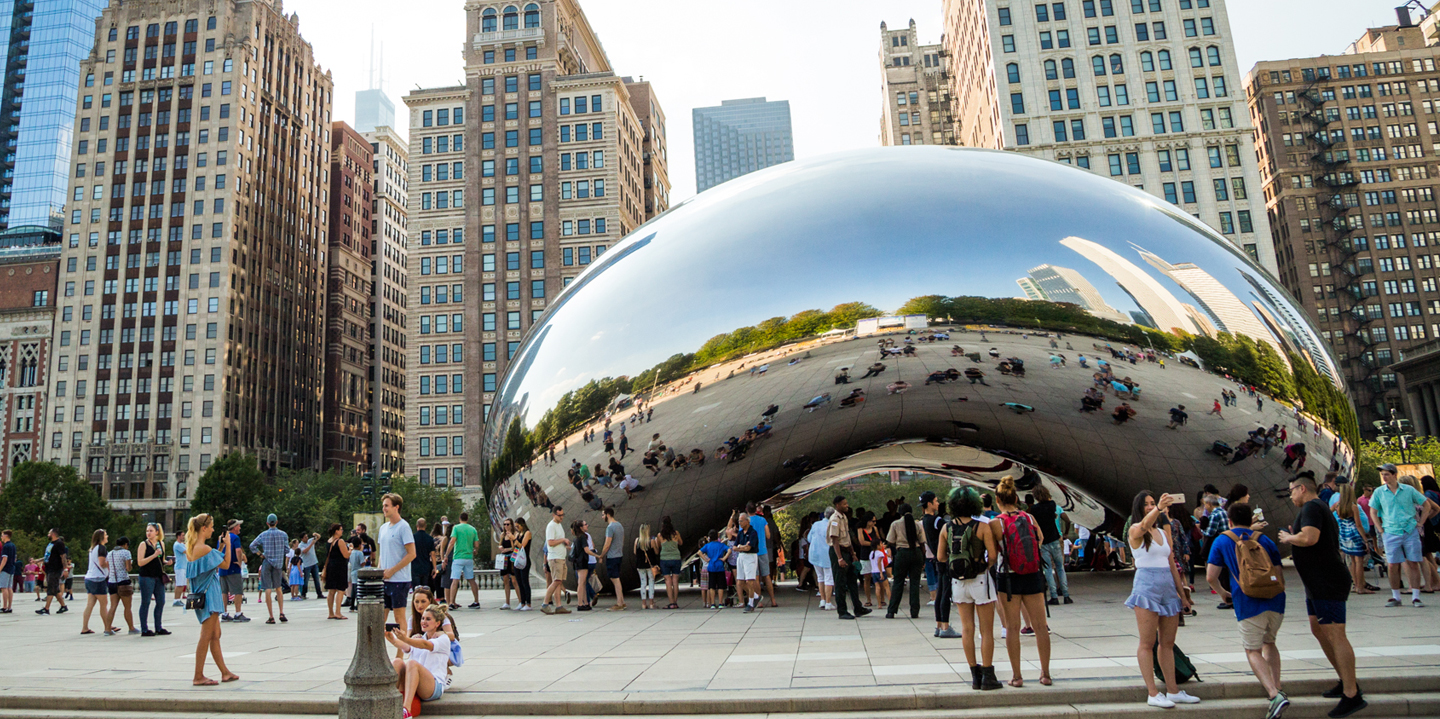
The shimmering, bean-shaped sculpture, officially known as Cloud Gate, has been a distinctive and beloved fixture in Chicago’s urban landscape for over a decade and a half. This iconic landmark, a creation of the renowned British artist Anish Kapoor, officially opened to the public in 2006, though its complex installation process began earlier. Its presence has profoundly reshaped the visual identity of Millennium Park and indeed, the entire city, drawing millions of visitors annually to gaze at its reflective surface and interact with its unique form. To understand its longevity and impact, one must delve into its genesis, the meticulous engineering behind it, and its subsequent embrace by the people of Chicago and the world.
The Genesis of an Urban Icon
The journey of Cloud Gate began in the late 1990s as part of the ambitious development plans for Millennium Park, envisioned as a grand public space transforming a neglected area of Grant Park. The park’s creators sought to commission an array of cutting-edge art installations that would serve as focal points, blending art with architecture and public utility. Anish Kapoor, an artist celebrated for his large-scale public sculptures that often explore themes of space, reflection, and illusion, was selected to create a monumental piece for the park’s AT&T Plaza.
Anish Kapoor’s Vision
Anish Kapoor, born in Mumbai, India and based in London, conceived Cloud Gate as a monumental, seamless, and highly reflective sculpture. His intent was to create a piece that would invite interaction, mirroring the city’s skyline and the ever-changing sky above, while also distorting them in playful and captivating ways. The sculpture’s form, reminiscent of a liquid mercury droplet, was designed to be both massive and ethereal, a bridge between the physical world and an illusory one. Its exterior, made of highly polished stainless steel plates, was meant to dematerialize into its surroundings, making the viewer’s experience central to the artwork itself. This focus on viewer engagement and the seamless integration of the urban environment into the art piece defined Kapoor’s ambitious vision for what would become one of the most recognizable sculptures in the United States.
Engineering a Seamless Spectacle
Bringing Kapoor’s vision to life was an extraordinary feat of engineering and fabrication. The design required a structure that was not only massive—standing 33 feet high, 42 feet wide, and 66 feet long, and weighing approximately 110 tons—but also possessed a perfectly smooth, seamless surface. This posed significant technical challenges. The sculpture was fabricated in 168 large stainless steel plates, each custom-cut and shaped using computer-guided machinery. These plates were then meticulously welded together on-site, a process that began in 2004.
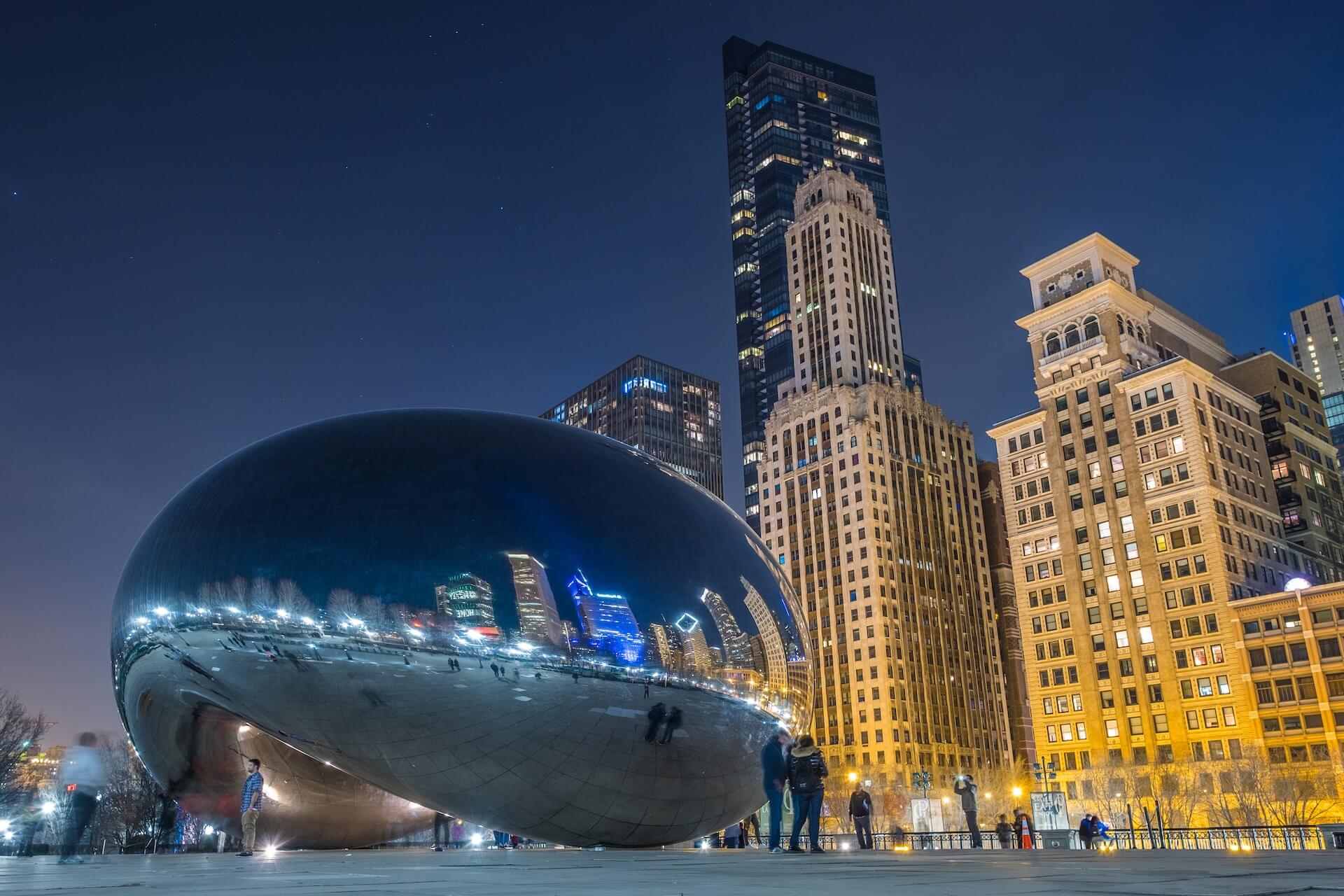
The challenge lay in concealing every weld, grinding them down to achieve an unblemished, monolithic surface. A specialized polishing process followed, ensuring the mirror-like finish that defines Cloud Gate. This intricate and demanding installation, particularly the final polishing stages, extended well beyond the park’s official opening in 2004. The underside of the sculpture features a concave chamber, known as the “omphalos” (Greek for navel), which further distorts and multiplies reflections, drawing visitors inward and upward into its swirling vortex. The precision required for this complex structure, from its internal supporting framework to its flawless exterior, underscores the monumental effort involved in its creation.
The Unveiling and Public Reaction
While Millennium Park officially opened in July 2004, the construction and polishing of Cloud Gate continued behind temporary hoardings. The public had glimpses, generating immense curiosity and anticipation. The sculpture was eventually revealed in its full glory in 2006, immediately capturing the imagination of locals and tourists alike.
From Concept to Reality
The installation process itself was a spectacle. The massive steel plates were shipped from Oakland, California, to Chicago, and then painstakingly assembled and welded together over a period of two years. The final reveal in May 2006 was not just an unveiling of an artwork but the culmination of years of design, engineering, and meticulous craftsmanship. The immediate reaction was overwhelmingly positive. People were fascinated by its scale, its unique form, and its interactive qualities. It wasn’t just a sculpture to be observed from a distance; it was an environment to be explored, walked under, and photographed.
Earning its Nickname: “The Bean”
Almost instantly upon its public debut, the sculpture acquired its now-ubiquitous nickname: “The Bean“. This colloquial descriptor, born from its distinctive shape, quickly cemented its place in the public consciousness. While Anish Kapoor reportedly disliked the informal moniker, preferring its official name Cloud Gate due to its poetic connection to the sky and reflections, the nickname stuck. It symbolized the sculpture’s approachable and endearing quality, making it less an austere work of high art and more a friendly, recognizable part of Chicago’s identity. This adoption by the public demonstrated its immediate cultural penetration and the way it resonated with everyday people.
A Permanent Fixture in Millennium Park
Since its full completion and public opening in 2006, Cloud Gate has remained a permanent and central feature of Millennium Park. It has not only weathered the elements but has also proven its enduring appeal, becoming a global symbol of Chicago’s modernity and artistic ambition.
Integrating with the Urban Landscape
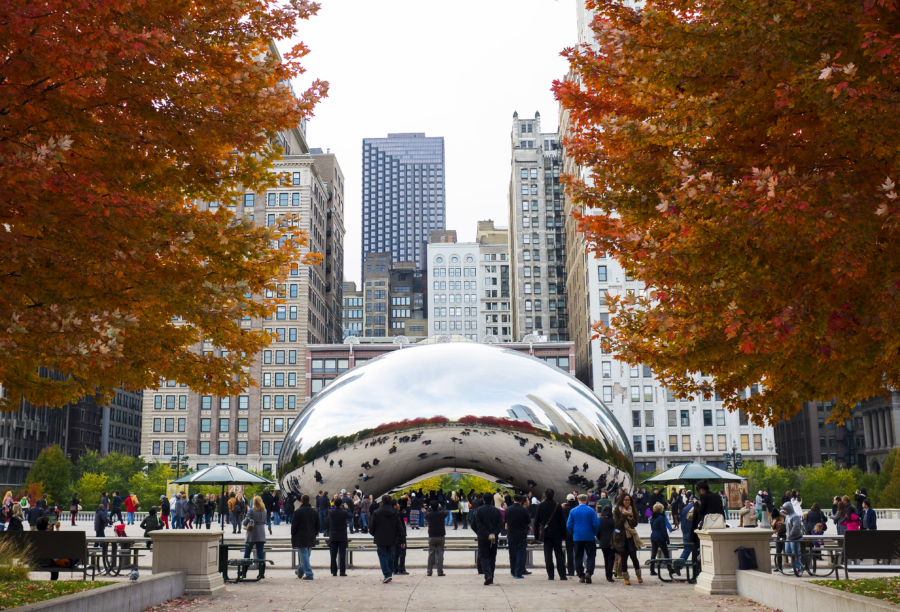
Strategically placed on AT&T Plaza, Cloud Gate acts as a powerful visual anchor for Millennium Park. Its reflective surface captures and distorts the surrounding architectural marvels, including the Frank Gehry-designed Jay Pritzker Pavilion and the towering skyscrapers of downtown Chicago. This integration transforms the park into an interactive canvas, where the environment itself becomes part of the art. On any given day, crowds gather around The Bean, admiring the distorted reflections of themselves and the cityscape, underscoring its role as a dynamic interface between art, architecture, and urban life. Its position also allows it to be enjoyed from various vantage points within the park, offering different perspectives and interactions.
Enduring Appeal and Cultural Impact
The enduring popularity of Cloud Gate is undeniable. It consistently ranks among the most photographed landmarks in the United States and has been featured in countless films, television shows, and promotional materials for Chicago. Its allure lies in its ability to be simultaneously monumental and intimate, reflecting a grand city while also offering a funhouse mirror effect for individual selfies. This blend of public art and interactive spectacle has solidified its status as a must-visit destination for anyone coming to Illinois. Its iconic status has also contributed significantly to Chicago’s reputation as a world-class city for art and innovative urban design. The sculpture has become a beacon for contemporary public art, inspiring other cities to invest in similar projects that engage and enchant their residents and visitors.
The Legacy of Cloud Gate
More than fifteen years after its completion, Cloud Gate continues to be a vibrant and integral part of Chicago’s identity. Its presence in Millennium Park has cemented its place in the city’s historical narrative and its architectural heritage.
Maintenance and Preservation
Maintaining a sculpture of this scale and material, exposed to Chicago’s notoriously harsh weather—from scorching summers to freezing winters and abundant precipitation—requires significant effort. The highly polished stainless steel surface must be regularly cleaned and maintained to preserve its reflective quality and protect it from environmental damage and wear from millions of touching hands. Dedicated teams ensure that Cloud Gate retains its pristine, mirror-like finish, allowing it to continue mesmerizing visitors for decades to come. This ongoing commitment to preservation ensures that the artistic integrity and public enjoyment of the landmark are sustained.
A Symbol of Modern Chicago
Cloud Gate stands as a powerful symbol of modern Chicago—a city that embraces innovation, public art, and architectural excellence. It represents a bold step forward in urban planning and cultural development, demonstrating how contemporary art can be seamlessly integrated into the public realm to enhance civic life. For over fifteen years, this extraordinary sculpture has transcended its artistic origins to become a true landmark, a meeting point, a photo opportunity, and a beloved part of the city’s soul. Its existence marks a significant chapter in Chicago’s history, affirming its place on the global stage as a destination rich in culture, creativity, and iconic sights.
LifeOutOfTheBox is a participant in the Amazon Services LLC Associates Program, an affiliate advertising program designed to provide a means for sites to earn advertising fees by advertising and linking to Amazon.com. Amazon, the Amazon logo, AmazonSupply, and the AmazonSupply logo are trademarks of Amazon.com, Inc. or its affiliates. As an Amazon Associate we earn affiliate commissions from qualifying purchases.