
Embarking on a journey from the bustling heart of Chicago, Illinois, to the romantic boulevards of Paris, France, is an exciting prospect for any traveler. One of the most common and crucial questions when planning such an international adventure is, “How long will I actually be in the air?” The answer isn’t always straightforward, as flight duration can vary significantly based on a multitude of factors, from the type of flight and airline to prevailing weather conditions. Understanding these nuances is key to a smooth and well-prepared transatlantic crossing.
Understanding Direct Flight Durations
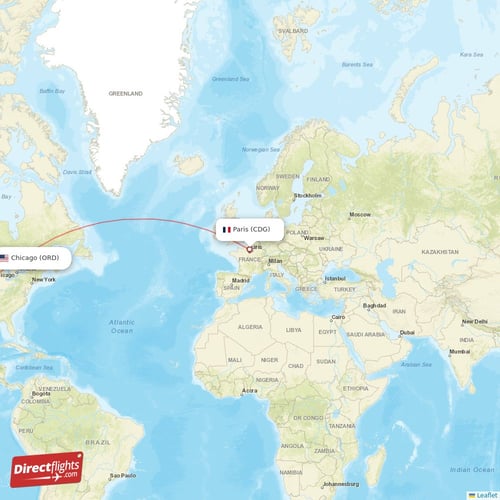
For travelers prioritizing speed and convenience, a direct, non-stop flight is the optimal choice. These flights offer the most efficient way to bridge the approximate 4,000-mile (6,400-kilometer) distance between Chicago’s O’Hare International Airport (ORD) and Paris’s Charles de Gaulle Airport (CDG).

Typically, a non-stop flight from Chicago to Paris will range from 7 hours and 30 minutes to 8 hours and 45 minutes. This duration can fluctuate for several reasons:
The Role of the Jet Stream
One of the most significant natural influences on flight time across the Atlantic Ocean is the jet stream. This powerful band of high-altitude winds generally flows from west to east. Consequently, flights traveling eastward from North America to Europe often benefit from a tailwind, which can shave off a noticeable amount of time from the journey. Conversely, westbound flights (from Paris to Chicago) usually contend with a headwind, making them slightly longer, often pushing towards the 9 to 9.5-hour mark. The strength and precise location of the jet stream vary daily, contributing to the minute-to-minute changes in estimated arrival times.
Aircraft Type and Airline Efficiency
Different aircraft models possess varying cruising speeds and operational efficiencies. Modern wide-body jets, such as the Boeing 787 Dreamliner, Airbus A330, and Airbus A350, are designed for long-haul transatlantic travel, offering optimal speed and fuel efficiency. Airlines like United Airlines, American Airlines, and Air France frequently operate direct routes, utilizing their modern fleets to ensure timely arrivals. The specific route filed by air traffic control, which can be influenced by weather, other air traffic, and fuel efficiency considerations, also plays a part.
The Reality of Connecting Flights
While direct flights are ideal, they are not always available, or they may come at a premium price. Many travelers opt for connecting flights, which invariably extend the total travel time but can offer more flexibility in scheduling or significant cost savings.
Common Layover Hubs
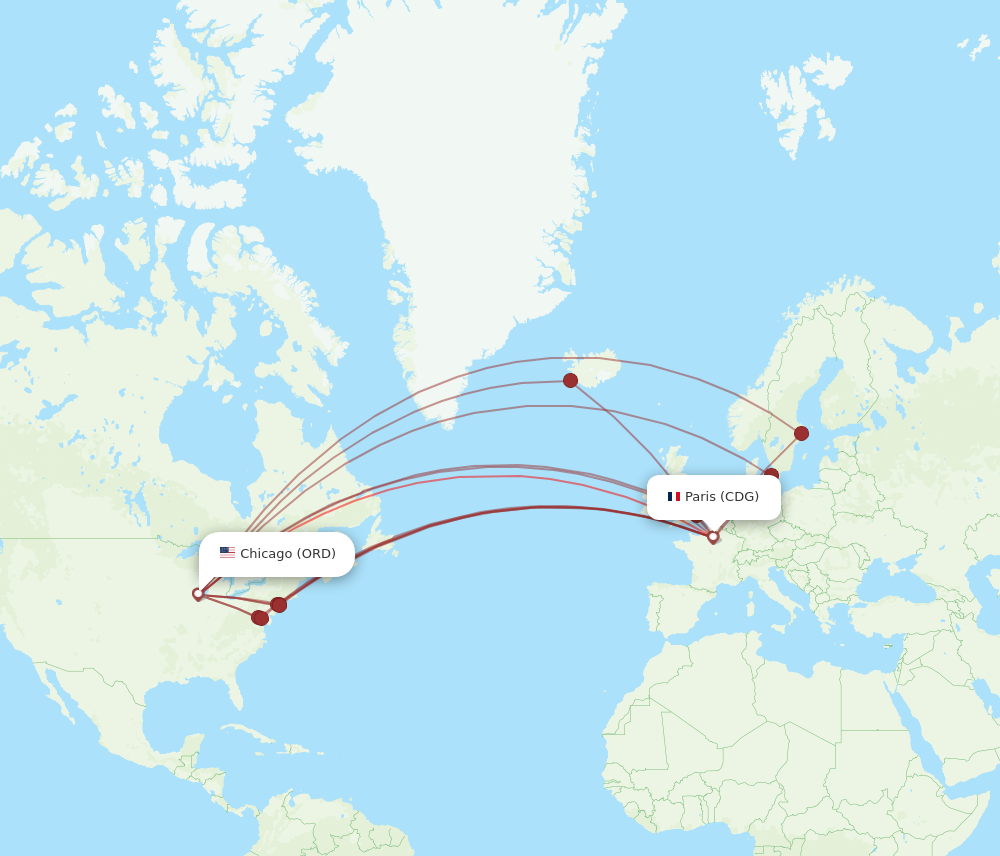
When flying from Chicago to Paris with a layover, you’ll typically connect through major airline hubs in either North America or Europe. Popular North American connection points include New York (JFK/EWR), Boston (BOS), or even Canadian cities like Montreal or Toronto.
European hubs are even more common for connections, leveraging the extensive networks of European carriers. These include:
- Dublin Airport (DUB) (Ireland) via Aer Lingus
- London Heathrow Airport (LHR) (United Kingdom) via British Airways or American Airlines
- Amsterdam Schiphol Airport (AMS) (Netherlands) via KLM or Delta Air Lines
- Frankfurt Airport (FRA) (Germany) via Lufthansa or United Airlines
- Copenhagen Airport (CPH) (Denmark) via SAS
- Reykjavik-Keflavik Airport (KEF) (Iceland) via Icelandair
Calculating Total Travel Time with Layovers
When factoring in a layover, the total travel time can range from 10 hours to 15+ hours, depending on the length of the connection. A short, efficient layover might be 1.5 to 2 hours, making the total trip closer to 10-11 hours. However, longer layovers of 4-6 hours are common, and sometimes even overnight stays are necessary, especially if flights are delayed or schedules are tight.
When booking a connecting flight, consider:
- Minimum Connection Time (MCT): Airlines and airports have established MCTs to allow passengers and their luggage to transfer between flights. Booking anything less than the recommended MCT is risky.
- Airport Size and Layout: Large, sprawling airports like London Heathrow or Frankfurt may require more time to navigate between terminals or gates, especially if changing airlines.
- Immigration and Customs: If your layover is in a country that is not your final destination (e.g., connecting through Dublin before Paris), you might need to go through immigration and customs, which adds significant time. However, for travel within the Schengen Area, once you’ve entered the Schengen zone at your first point of entry (e.g., Amsterdam), subsequent flights to Paris will not require further immigration checks.
Navigating Airports: From O’Hare to Charles de Gaulle
Your journey begins at Chicago’s O’Hare International Airport (ORD), one of the busiest airports in the world. Allow ample time for check-in, security, and getting to your gate for international flights, typically 3 hours before departure.
Upon arrival in Paris, you’ll most likely land at Charles de Gaulle Airport (CDG), Europe’s second-busiest airport. Some flights might land at Paris-Orly Airport (ORY), though CDG handles the vast majority of transatlantic arrivals.
After landing at CDG, you’ll need to account for:
- Deplaning: This can take 10-20 minutes, especially from a larger aircraft.
- Immigration and Passport Control: Wait times can vary significantly, from 30 minutes to over an hour, depending on the time of day and number of flights arriving simultaneously. As France is part of the Schengen Area, non-EU citizens will go through passport control here.
- Baggage Claim: Another 20-40 minutes to retrieve checked luggage.
- Customs: A relatively quick process if you have nothing to declare.
- Transit to Paris City Center: From CDG, the RER B train is the most efficient option, taking approximately 30-40 minutes to reach central Paris stations like Gare du Nord. Taxis and airport buses are also available but can take longer depending on traffic.
Adding these post-flight procedures, the total door-to-door travel time from your home in Chicago to your hotel in Paris could easily extend to 12-16 hours, even with a direct flight.
Preparing for Your Transatlantic Journey
A long-haul flight demands a bit of preparation to ensure maximum comfort and minimize the effects of travel fatigue and jet lag.
Beating Jet Lag
The time difference between Chicago (Central Time Zone) and Paris (Central European Time Zone) is typically 7 hours. This means when it’s 1 PM in Chicago, it’s 8 PM in Paris. Adjusting to this significant shift is crucial for enjoying your trip from the moment you land.
- Pre-Flight Adjustment: A few days before departure, try to gradually shift your sleep schedule closer to Paris time.
- Hydration: Drink plenty of water before, during, and after your flight to combat dehydration, which exacerbates jet lag symptoms. Avoid excessive alcohol and caffeine.
- Onboard Strategy: Try to sleep on the plane if it aligns with night-time in Paris. Use an eye mask and earplugs.
- Upon Arrival: Immediately adopt the local time. Seek sunlight, stay active, and try to avoid napping until the local evening.
Comfort Essentials for the Flight
Long flights can be taxing, but thoughtful packing can make a world of difference:
- Comfortable Clothing: Wear loose, layered clothing.
- Neck Pillow and Eye Mask: Essential for quality rest.
- Entertainment: Load your devices with movies, music, podcasts, or books. While airlines offer in-flight entertainment, having personal options is a good backup.
- Snacks: While meals are provided, having your favorite snacks can be a lifesaver.
- Medication: Keep any necessary prescription medications in your carry-on, along with essentials like pain relievers or motion sickness remedies.
- Movement: Get up and walk around the cabin periodically to improve circulation and prevent deep vein thrombosis (DVT). Perform simple stretches in your seat.
In conclusion, while the core flight time from Chicago to Paris on a direct flight is approximately 7.5 to 8.5 hours, the entire journey encompasses much more. From navigating airports and potential layovers to managing jet lag and maximizing comfort, a well-informed traveler can transform a long-haul flight into a seamless and enjoyable part of their unforgettable European adventure.
LifeOutOfTheBox is a participant in the Amazon Services LLC Associates Program, an affiliate advertising program designed to provide a means for sites to earn advertising fees by advertising and linking to Amazon.com. Amazon, the Amazon logo, AmazonSupply, and the AmazonSupply logo are trademarks of Amazon.com, Inc. or its affiliates. As an Amazon Associate we earn affiliate commissions from qualifying purchases.