
Traveling between two of America’s most dynamic cities, Chicago, Illinois, and Dallas, Texas, is a frequent journey for both business and leisure travelers. While the direct flight itself is relatively short, understanding the nuances of flight duration, potential layovers, and airport logistics is key to planning an efficient and stress-free trip. This comprehensive guide delves into everything you need to know about the flight time from the Windy City to the Big D.
Understanding the Direct Flight Duration
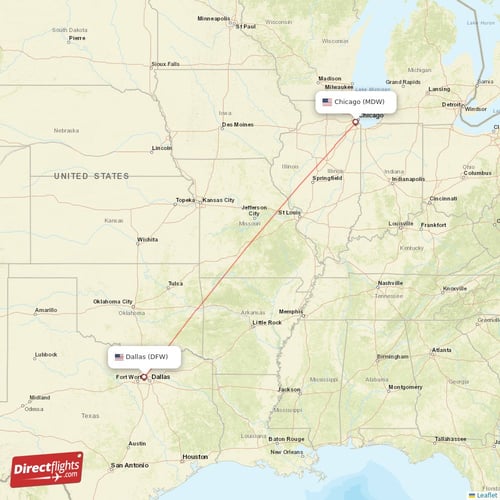
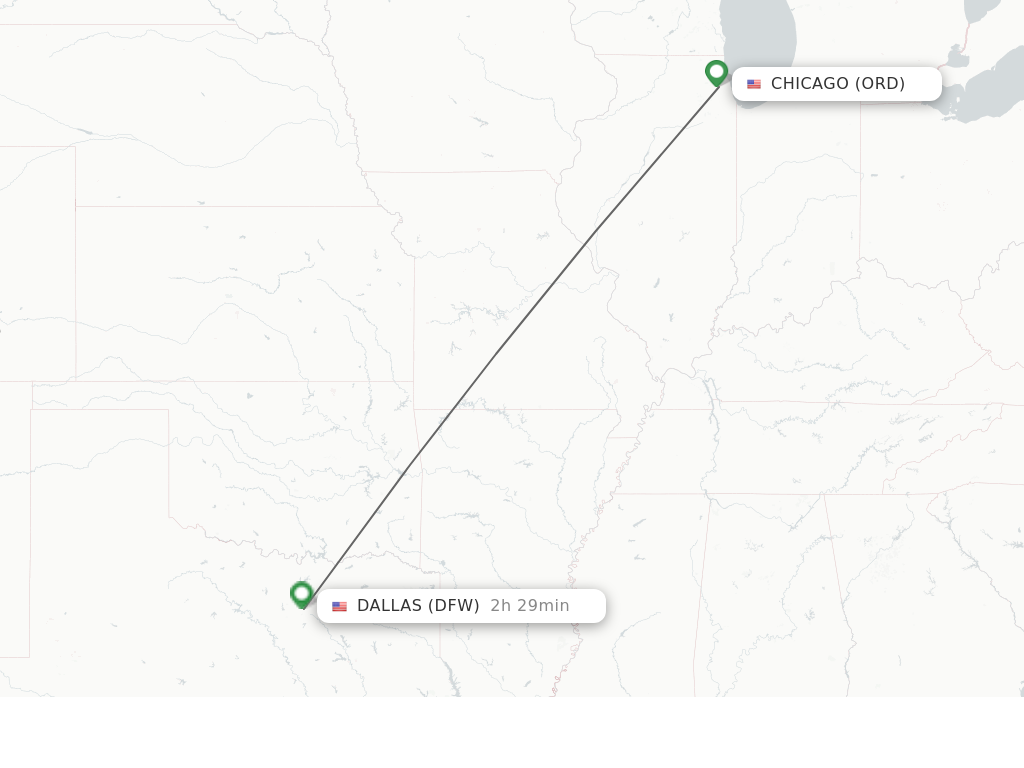
The direct flight from Chicago to Dallas is remarkably consistent, typically ranging from 2 hours and 30 minutes to 2 hours and 50 minutes. This block time accounts for taxiing, takeoff, flight, and landing, providing a practical estimate for travelers. This relatively short duration makes the route a popular choice for quick trips and efficient connections across the country.
Factors Influencing Flight Time
Several elements can subtly impact the exact flight duration, even for direct routes:
- Tailwinds and Headwinds: Jet streams and prevailing winds play a significant role. Flying with a strong tailwind can shave minutes off a flight, while a headwind can add them. Given the west-to-east general flow, eastbound flights often benefit from stronger tailwinds than westbound flights, though this route is more north-south.
- Air Traffic Control (ATC) Patterns: Congestion in the airspace around major hubs like Chicago and Dallas can necessitate longer routing or holding patterns, slightly extending the flight.
- Aircraft Type: While less variable for a standard domestic route, newer, more fuel-efficient aircraft might maintain slightly different cruising speeds. However, the difference is usually negligible for passengers.
- Route Optimization: Airlines continuously optimize flight paths for efficiency, taking into account weather, restricted airspace, and air traffic flow. Minor adjustments can affect the precise time.
Major Airports Involved
When flying from Chicago to Dallas, you’ll primarily interact with these major airports:
- Departure Airports in Chicago:
- O’Hare International Airport (ORD): This is one of the busiest airports in the world and the primary hub for many airlines operating the Chicago-Dallas route. Expect extensive amenities and numerous flight options.
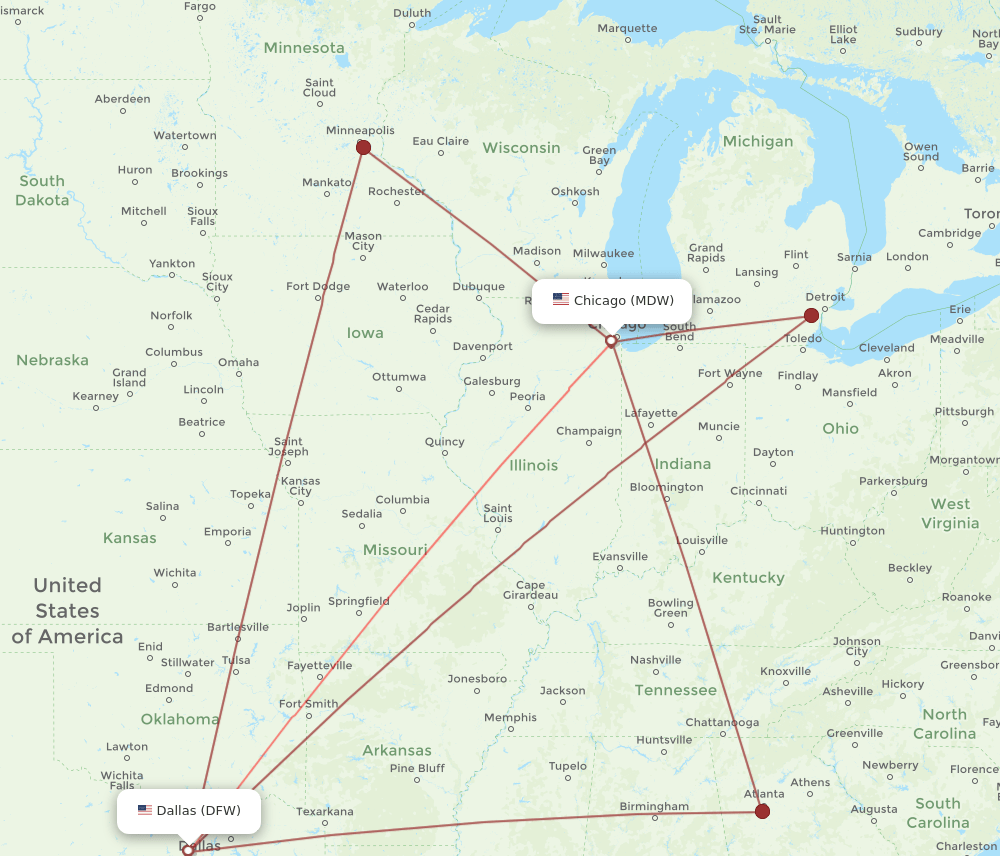
- Midway International Airport (MDW): A smaller, more compact airport closer to downtown Chicago, primarily served by Southwest Airlines. Flights from MDW to Dallas generally land at Dallas Love Field (DAL).
- Arrival Airports in Dallas:
- Dallas/Fort Worth International Airport (DFW): One of the largest and busiest airports globally, DFW serves as a major hub for American Airlines and connects passengers to destinations worldwide. Most flights from ORD will land here.
- Dallas Love Field (DAL): Closer to downtown Dallas, DAL is primarily served by Southwest Airlines and caters largely to domestic travel. Flights from MDW exclusively land at DAL.
Exploring Common Layover Scenarios
While direct flights are the quickest option, connecting flights are also common, particularly if you’re looking for different timing or a potentially lower fare. The total travel time for a connecting flight will, of course, be significantly longer than a direct one.
Popular Connecting Hubs
For flights between Chicago and Dallas that are not direct, layovers typically occur in other major U.S. cities, though this specific route is so well-served directly that connecting options are often for journeys originating further afield or with specific airline preferences. However, if a connection were to be made, common hubs might include:
- Denver International Airport (DEN): A major hub for United Airlines and Southwest Airlines, offering connections for travelers who might be coming from or going to other parts of the country.
- Hartsfield-Jackson Atlanta International Airport (ATL): The world’s busiest airport and a primary hub for Delta Air Lines. While out of the direct path, it’s a huge connector.
- Charlotte Douglas International Airport (CLT): A major hub for American Airlines.
Impact of Layover Duration on Total Travel Time
A layover can add anywhere from 1 hour to 12+ hours to your journey. Short layovers (1-2 hours) are typically efficient but carry a higher risk of missing your connection due to delays. Longer layovers (3-5 hours) offer a buffer but significantly extend your overall travel time. For this route, it’s almost always preferable to seek a direct flight unless there’s a compelling reason for a layover. Always factor in the time needed to deplane, navigate the airport, and board your next flight.
Choosing the Right Flight: Airlines and Aircraft
The Chicago to Dallas corridor is a highly competitive route, leading to a good selection of airlines and flight times.
Key Airlines Operating the Route
Several major carriers offer frequent daily flights:
- American Airlines: As DFW’s largest carrier and a significant presence at ORD, American Airlines offers numerous daily direct flights between ORD and DFW.
- United Airlines: With its primary hub at ORD, United Airlines also provides a strong schedule of direct flights to DFW.
- Southwest Airlines: A dominant player at MDW and DAL, Southwest Airlines offers numerous direct flights connecting these two city-centric airports. This often means a shorter journey to and from the airport itself.
- Spirit Airlines and Frontier Airlines: These budget carriers also operate flights between Chicago and Dallas, typically from ORD to DFW, offering potentially lower fares but often with additional costs for baggage and seat selection.
Aircraft Types and Their Efficiency
For this domestic route, you’ll typically fly on narrow-body aircraft designed for short-to-medium haul flights. Common models include:
- Boeing 737 series: A workhorse for many airlines, including American Airlines, United Airlines, and Southwest Airlines.
- Airbus A320 family (A319, A320, A321): Another popular choice for American Airlines, United Airlines, Spirit Airlines, and Frontier Airlines.
While there might be slight differences in cruising speed or climb rates between these aircraft, from a passenger’s perspective, the flight duration difference is minimal. The main distinction for travelers lies in the cabin configuration, seat pitch, and onboard amenities offered by each airline.
Beyond the Flight: Planning Your Journey
Considering the entire travel experience means looking beyond just the time spent in the air.
Arrival and Departure Logistics at O’Hare and DFW
Both O’Hare and DFW are massive airports. Allow ample time for:
- Security: Especially at ORD, security lines can be long. Arrive at least 2 hours before a domestic flight.
- Terminal Navigation: Both airports have multiple terminals. Know which terminal your flight departs from and arrives at. Internal transport systems (like the ATS at O’Hare or Skylink at DFW) can take time.
- Ground Transportation: Consider how you’ll get to and from the airport. Public transit (CTA Blue Line to ORD, Orange Line to MDW) can be efficient in Chicago, while Dallas relies heavily on ride-shares, taxis, and the DART light rail from DFW or DAL. Factor in potential traffic delays.
Time Zone Considerations
Chicago operates in the Central Time Zone (CT). Dallas also operates in the Central Time Zone. This simplifies travel as there is no time difference to account for, making arrival times straightforward and reducing potential jet lag, if you can even call it that for such a short flight. This makes scheduling meetings or activities immediately upon arrival much easier.
Maximizing Comfort During Your Journey
Even for a short flight, comfort is important:
- Seat Selection: If possible, choose a seat that suits your preference (window for views, aisle for easy access).
- In-flight Entertainment: Most major carriers offer seat-back or streaming entertainment options.
- Snacks and Drinks: While some airlines offer complimentary snacks, bringing your own can ensure you have what you want, especially on budget carriers.
- Connectivity: Many flights offer Wi-Fi, though often for a fee.
- Dress Comfortably: Loose-fitting clothing and layers are always a good idea for air travel.
Navigating Potential Delays and Disruptions
Despite best-laid plans, delays can happen. Understanding common causes and mitigation strategies can save you stress.
Common Causes of Flight Delays
- Weather: Adverse weather conditions at either Chicago or Dallas, or along the flight path, are frequent causes of delays. Chicago winters are notorious for snow and ice, while Dallas summers can see significant thunderstorms.
- Air Traffic Control (ATC) Restrictions: High traffic volumes, especially around major hubs, can lead to ground stops or holding patterns.
- Airline Operational Issues: Mechanical problems, crew availability, or late arrival of the inbound aircraft can cascade into delays.
- Security Delays: Unforeseen events at security checkpoints can impact departure times.
Strategies for Mitigating Travel Risks
- Book Early Morning Flights: These generally have a better on-time performance record as they are less susceptible to cumulative delays from earlier flights.
- Stay Informed: Use airline apps or flight tracking websites to monitor your flight status in real-time. Sign up for flight alerts.
- Consider Travel Insurance: For critical trips, especially those with tight connections or non-refundable plans, travel insurance can provide peace of mind.
- Pack Smart: If possible, travel with carry-on luggage only to avoid potential delays with checked bags.
- Have a Backup Plan: For crucial meetings or events, consider alternative flights or routes if delays seem likely.
The flight from Chicago to Dallas is a staple of domestic air travel. With a direct flight time under three hours, it’s a quick and efficient journey. By understanding the various factors that influence travel time, preparing for airport logistics, and being aware of potential disruptions, travelers can ensure a smooth and enjoyable trip between these two iconic American cities.
LifeOutOfTheBox is a participant in the Amazon Services LLC Associates Program, an affiliate advertising program designed to provide a means for sites to earn advertising fees by advertising and linking to Amazon.com. Amazon, the Amazon logo, AmazonSupply, and the AmazonSupply logo are trademarks of Amazon.com, Inc. or its affiliates. As an Amazon Associate we earn affiliate commissions from qualifying purchases.