
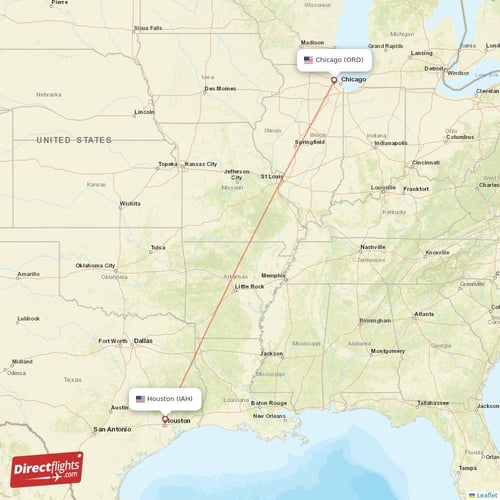
Embarking on a journey from the sprawling metropolis of Houston, Texas, to the vibrant urban landscape of Chicago, Illinois, is a common route for both business and leisure travelers. Understanding the flight duration is crucial for effective travel planning, influencing everything from meeting schedules to packing strategies. While the direct distance between these two major United States cities is approximately 924 miles (1,487 kilometers), the actual time spent in the air, and subsequently, the total travel time, can vary based on a multitude of factors. This guide delves into the specifics of this popular domestic flight path, offering insights to help you navigate your journey efficiently.
Understanding Flight Duration: Factors at Play
The seemingly straightforward question of “how long is the flight” often has a nuanced answer, as several variables contribute to the final duration. A flight is not just about the time the wheels are up until they are down; it encompasses various phases of travel that can extend or shorten the overall experience.
Direct Versus Connecting Flights
The most significant determinant of flight duration is whether your journey is direct or involves one or more layovers. A direct flight, also known as a non-stop flight, takes you straight from your departure airport to your destination without any intermediate stops. These are, by far, the quickest option. Connecting flights, conversely, involve landing at an intermediate airport, disembarking, and then boarding a different flight to complete your journey. While often more economical, connecting flights drastically increase total travel time due to layover durations, which can range from a swift 45 minutes to several hours, or even an overnight stay. When assessing flight time, always distinguish between “block time” (the scheduled time from gate departure to gate arrival, including taxiing) and actual “airborne time.”
Airline, Aircraft Type, and Route Optimization
Different airlines operate various types of aircraft, each with distinct cruising speeds and operational efficiencies. While the difference might be marginal for a relatively short domestic route like Houston to Chicago, larger, more modern jets might shave a few minutes off the journey compared to older models. Furthermore, airlines utilize sophisticated flight planning software to optimize routes, taking into account prevailing winds, restricted airspace, and air traffic control directives. A strong tailwind can significantly reduce flight time, while a persistent headwind can extend it. Airlines also manage their schedules to account for typical taxi times at both ends, which can vary greatly between busy hubs.
Weather Conditions and Air Traffic Control
Weather plays a substantial role in flight duration. Adverse conditions such as thunderstorms, heavy fog, or strong winds at either the departure or arrival airport, or even along the flight path, can lead to delays, re-routing, or slower cruising speeds for passenger comfort and safety. Similarly, air traffic control (ATC) can influence flight times. Busy airspace around major hubs like Chicago often necessitates holding patterns (circling in the air) before landing, or ground delays before takeoff, all of which add to the overall travel duration. Unexpected events, such as mechanical issues, airport closures, or security alerts, can also contribute to unforeseen delays.
Typical Flight Times from Houston to Chicago
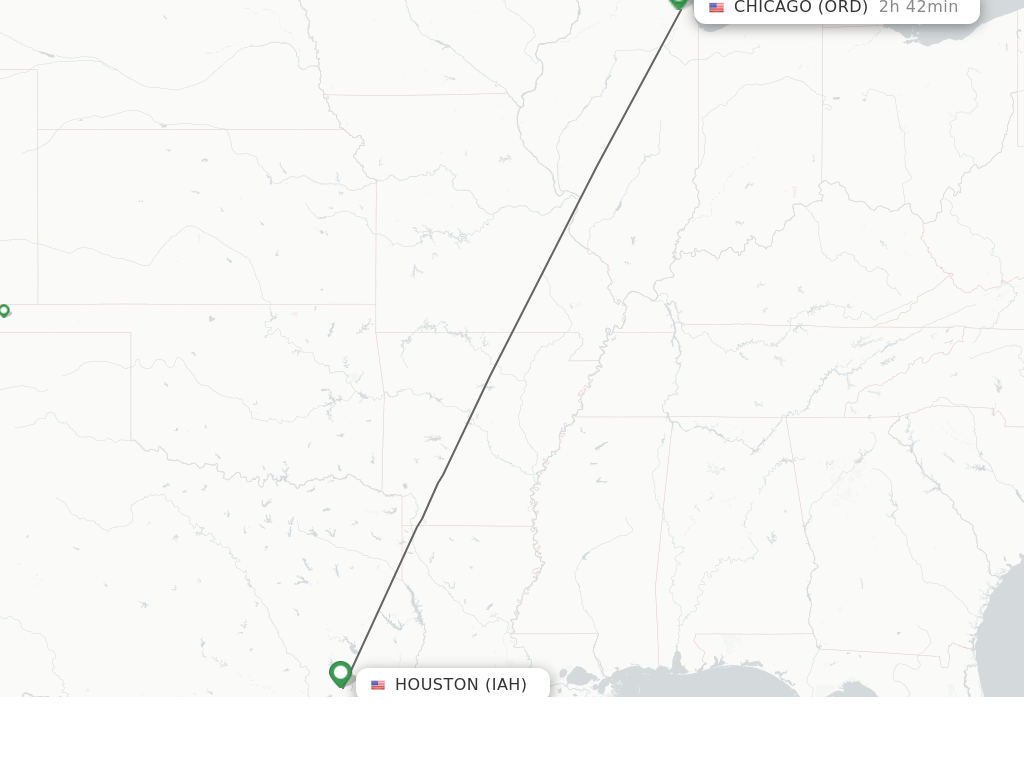
For a direct flight from Houston to Chicago, travelers can typically expect an airborne duration of approximately 2 hours and 15 minutes to 2 hours and 45 minutes. This estimate accounts for standard cruising speed and typical flight paths under normal conditions. It’s important to note that the scheduled block time provided by airlines will often be slightly longer, typically ranging from 2 hours 30 minutes to 3 hours, to absorb potential minor delays due to taxiing, gate congestion, or minor ATC adjustments.
Major Airlines and Airports Serving the Route
Several major carriers offer direct services between Houston and Chicago, providing a range of options for travelers.
From Houston, flights depart from two primary airports:
- George Bush Intercontinental Airport (IAH): This is Houston’s largest airport and a major hub for United Airlines. You’ll find a higher frequency of flights and more diverse options from IAH.
- William P. Hobby Airport (HOU): Located closer to downtown Houston, HOU is a major operating base for Southwest Airlines, offering numerous direct flights to Chicago.
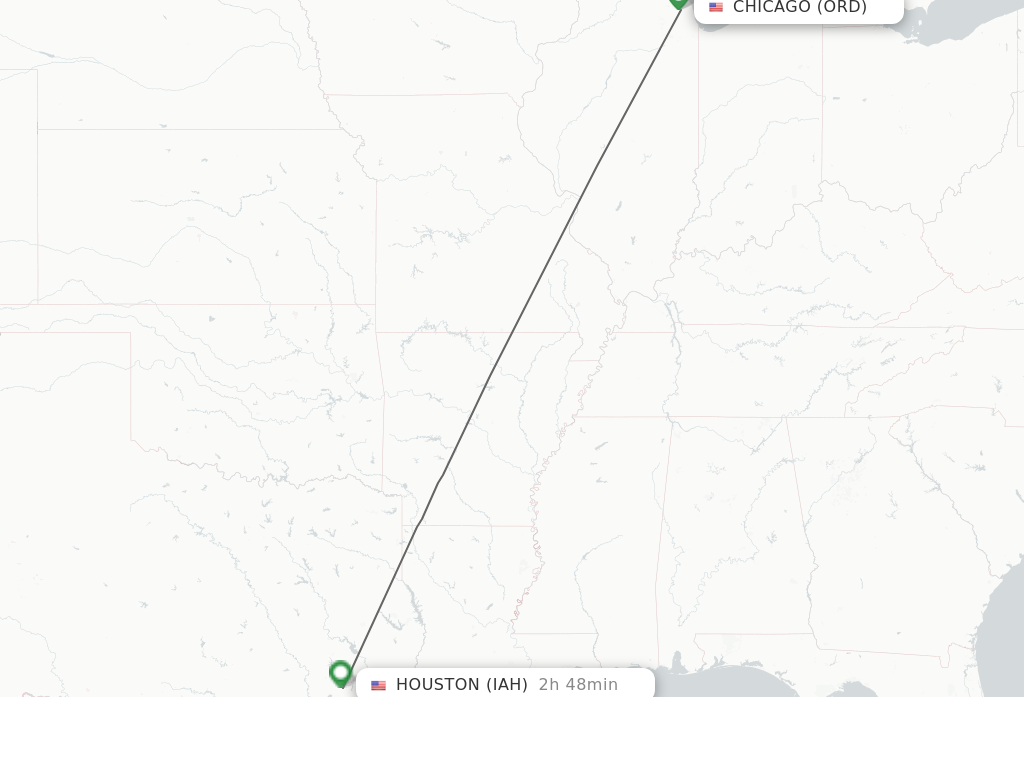
Upon arrival in Chicago, you will typically land at one of two international airports:
- O’Hare International Airport (ORD): One of the busiest airports in the world, ORD is a hub for United Airlines and American Airlines. It offers extensive connectivity but can sometimes involve longer taxi times and greater distances from downtown Chicago.
- Midway International Airport (MDW): Smaller and often easier to navigate than O’Hare, MDW is a major base for Southwest Airlines and is significantly closer to downtown Chicago.
Airlines frequently operating direct flights on this route include United Airlines (primarily via IAH to ORD), Southwest Airlines (via HOU to MDW), and American Airlines (via IAH to ORD). Budget carriers like Spirit Airlines and Frontier Airlines may also offer direct or connecting options.
For connecting flights, the total travel time can range from 4 to 8 hours or more, depending on the layover city and the duration of the stop. Common layover cities for this route might include Dallas, Denver, or Atlanta.
Maximizing Your Travel Experience
Even for a relatively short domestic flight, thoughtful planning can significantly enhance your travel experience and efficiency.
Booking Strategies and Airport Selection
Booking your flight well in advance, typically 2-3 months for the best fares, can also provide more flexibility in choosing preferred flight times. Consider flying on Tuesdays, Wednesdays, or Saturdays, which are often less busy and can offer lower prices. When selecting your departure and arrival airports, weigh convenience against cost. If you’re staying downtown in Chicago, Midway International Airport (MDW) might be more convenient due to its closer proximity and direct CTA Orange Line access. However, if your final destination is in the northern suburbs or if you require a specific airline that primarily operates out of O’Hare International Airport (ORD), then ORD is the logical choice, with its CTA Blue Line service. Similarly, in Houston, William P. Hobby Airport (HOU) is closer to downtown, while George Bush Intercontinental Airport (IAH) serves the northern parts of the city and offers more international connections.
In-Flight Comfort and Productivity
For a flight lasting a little over two hours, comfort is key. Dress in layers, stay hydrated, and bring a good book or downloaded entertainment. Many airlines offer Wi-Fi, allowing you to catch up on work or simply stream content. Power banks for electronic devices are always a good idea. While the flight is short, a comfortable neck pillow and eye mask can make a big difference, especially for early morning or late-night departures. Consider packing a small snack, as in-flight service might be limited to beverages on shorter routes or budget carriers.
Post-Arrival Logistics in Chicago
Once your flight touches down in Chicago, efficient ground transportation is the next step. Both O’Hare International Airport (ORD) and Midway International Airport (MDW) offer robust public transportation options via the Chicago Transit Authority (CTA) ‘L’ train system, taxis, ride-sharing services, and rental cars. From ORD, the CTA Blue Line provides direct access to downtown Chicago. From MDW, the CTA Orange Line offers a quick route to the Loop. Planning your onward journey from the airport in advance will save time and potential stress, allowing you to transition smoothly from the airport to your final destination in the Windy City.
Beyond the Flight: What Awaits in Chicago
After a comfortable flight, Chicago opens its arms to visitors with a plethora of attractions and experiences. Known for its groundbreaking architecture, world-class museums, vibrant arts scene, and deep-dish pizza, Chicago promises an unforgettable experience. Your relatively short flight duration means you can arrive refreshed and ready to explore.
Upon arrival, consider immediately diving into some of the city’s iconic offerings. Take a stroll through Millennium Park to see the famous “Bean” sculpture (Cloud Gate) and the Crown Fountain. Immerse yourself in art at the renowned Art Institute of Chicago, or explore the wonders of science and nature at the Field Museum and Shedd Aquarium. For breathtaking panoramic views, ascend to Skydeck Chicago at the Willis Tower or the 360 Chicago Observation Deck at the former John Hancock Center. A leisurely walk along the Magnificent Mile offers premier shopping and dining, while a visit to Navy Pier provides entertainment for all ages with its iconic Ferris wheel and various attractions. The culinary scene is equally diverse, ranging from Michelin-starred restaurants to classic Chicago hot dogs and, of course, authentic deep-dish pizza from establishments like Lou Malnati’s or Giordano’s.
Whether your trip is for business or pleasure, the relatively short direct flight from Houston allows for seamless travel, placing you in the heart of the Midwest with minimal travel fatigue. By understanding the flight details and planning your airport transfers, you can optimize your time and make the most of your visit to this magnificent destination.
LifeOutOfTheBox is a participant in the Amazon Services LLC Associates Program, an affiliate advertising program designed to provide a means for sites to earn advertising fees by advertising and linking to Amazon.com. Amazon, the Amazon logo, AmazonSupply, and the AmazonSupply logo are trademarks of Amazon.com, Inc. or its affiliates. As an Amazon Associate we earn affiliate commissions from qualifying purchases.