
Embarking on a journey from the heart of the United States to the vibrant shores of Japan is a quintessential trans-Pacific adventure. For travelers departing from Chicago, understanding the flight duration is a critical first step in planning this extensive trip. This guide will meticulously break down the typical flight times, influencing factors, and essential considerations to ensure a smooth transition across continents and time zones.
Decoding the Chicago to Japan Air Route
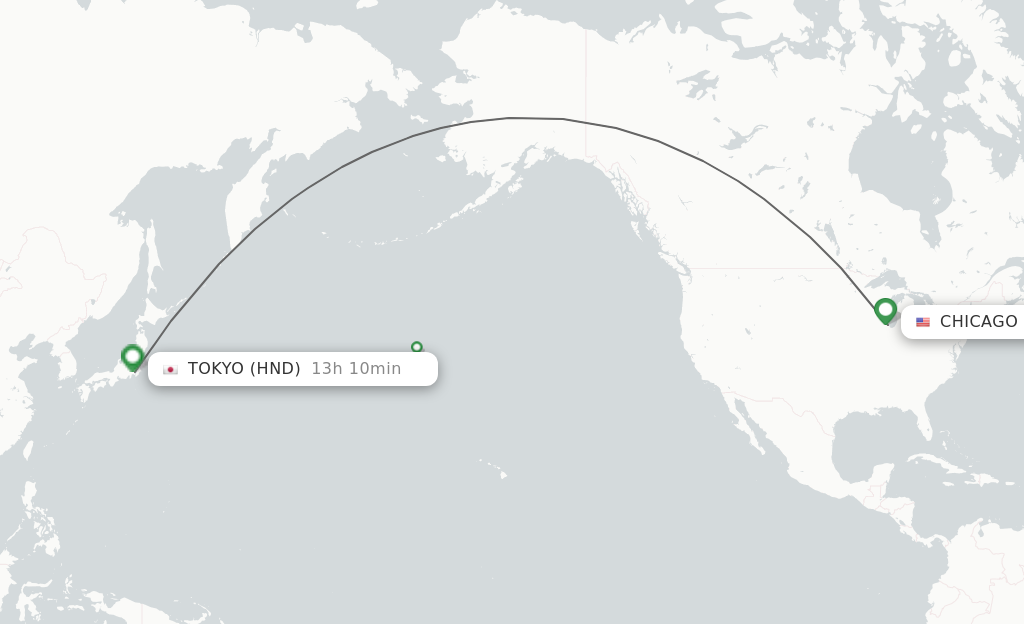
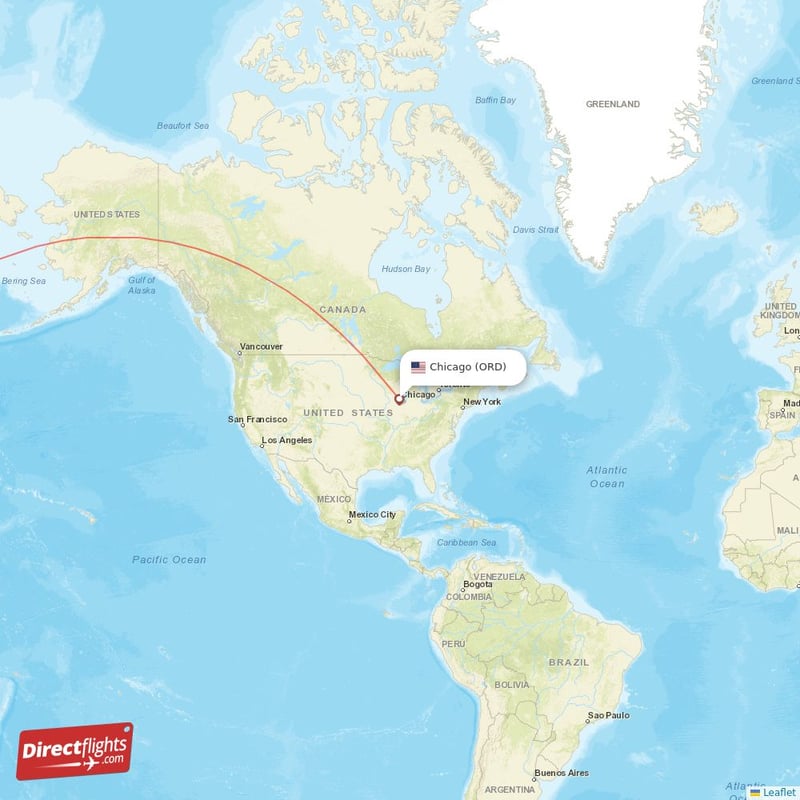
The aerial distance between Chicago and Japan is significant, spanning approximately 6,000 to 6,500 miles (around 9,600 to 10,500 kilometers), depending on the specific destination within Japan and the flight path taken. This vast expanse necessitates a considerable amount of time in the air, making it one of the longer commercial flights available.
Major Airports and Carriers
Flights from Chicago typically depart from O’Hare International Airport (ORD), a major global hub. In Japan, the primary international gateways are Narita International Airport (NRT) and Haneda Airport (HND), both serving the greater Tokyo metropolitan area. Haneda is closer to central Tokyo and often preferred for convenience, while Narita handles a larger volume of international traffic. Other international airports in Japan, such as Kansai International Airport (KIX) near Osaka and Nagoya (NGO), also receive flights from Chicago, though often with one or more layovers.
Airlines frequently operating this route include major international carriers such as United Airlines, Japan Airlines (JAL), and ANA (All Nippon Airways). These airlines often offer both direct and connecting flights, providing travelers with various options depending on their budget and schedule preferences.
Factors Influencing Flight Duration
The “how long” question for a trans-Pacific flight is rarely a single, definitive number. Several variables contribute to the actual time spent in the air and the overall travel duration.
Direct vs. Connecting Flights
Direct Flights: A direct flight from Chicago to Japan is the quickest option. These flights typically range from 12 to 14 hours in actual flying time. The variance depends on the specific destination in Japan (e.g., Tokyo vs. Osaka), the aircraft model used, and prevailing weather conditions, especially jet streams. Flying eastbound (towards the United States) is generally faster due to the assistance of the jet stream, while westbound (towards Japan) can be slightly longer.
Connecting Flights: Most travelers will opt for or encounter connecting flights, which add significant time to the journey. A typical connecting flight will have one or more layovers, usually in major hubs like San Francisco, Los Angeles, Seattle, Vancouver, or even Seoul or Taipei. The total travel time for a connecting flight can range from 16 to 24 hours or more, depending on the length and number of layovers. While direct flights are faster, connecting flights can sometimes be more economical and offer greater flexibility in scheduling.
Aircraft Type and Route Optimization
Modern aircraft, such as the Boeing 787 Dreamliner and Airbus A350, are designed for long-haul efficiency, often allowing for slightly shorter flight times due to their speed and fuel economy. Airlines also continuously optimize flight paths to account for wind patterns (like the polar jet stream) and air traffic control, which can marginally affect the overall duration.
Time Zones and Jet Lag
Japan operates on Japan Standard Time (JST), which is 14 hours ahead of Chicago’s Central Standard Time (CST) and 13 hours ahead of Central Daylight Time (CDT). This significant time difference means that while your flight might be 13 hours, you effectively “lose” a day when traveling westbound. For instance, if you depart Chicago on a Monday morning, you’ll arrive in Japan on Tuesday morning. This time shift is crucial for managing jet lag and planning your arrival activities.
Maximizing Comfort and Minimizing Jet Lag on Your Journey
A long-haul flight to Japan demands preparation to ensure you arrive refreshed and ready to explore. Proactive strategies can significantly mitigate the effects of extended travel and time zone changes.
Pre-Flight Preparation
- Hydration: Begin hydrating days before your flight. Dehydration exacerbates jet lag and fatigue.
- Adjust Sleep Schedule: Gradually shift your sleep schedule towards Japan Standard Time a few days before departure. Even a slight adjustment can help.
- Choose Your Seat Wisely: If possible, select a window seat for leaning against or an aisle seat for easy access to stretch your legs. Consider premium economy or business class for significantly enhanced comfort and space.
During the Flight
- Stay Hydrated: Continue drinking plenty of water throughout the flight. Avoid excessive alcohol and caffeine, which can contribute to dehydration and disrupt sleep patterns.
- Move Regularly: Get up and walk around the cabin every couple of hours to promote circulation and prevent stiffness. Perform simple stretches in your seat.
- Dress Comfortably: Wear loose, breathable clothing. Layers are ideal for adapting to cabin temperature fluctuations.
- Utilize In-Flight Entertainment: Keep yourself entertained, but also try to get some sleep. Eye masks, earplugs, and noise-canceling headphones are invaluable for creating a personal sanctuary.
- Adjust to Destination Time: As soon as you board, mentally adjust to Japan Standard Time. Eat and sleep according to your destination’s schedule, even if it feels counterintuitive.
Upon Arrival in Japan
- Embrace Daylight: Seek out natural light as soon as you land. This helps reset your body clock.
- Stay Active (Mildly): Engage in light activities like walking or exploring upon arrival, rather than immediately napping for an extended period.
- Eat Local Meals: Align your meal times with local customs to further aid in circadian rhythm adjustment.
- Avoid Early Naps: If you arrive in the morning, try to stay awake until the local evening. A short power nap (20-30 minutes) might be acceptable, but avoid deep, long sleeps during the day.
Planning Your Japan Adventure from Chicago
Beyond the flight duration itself, a comprehensive travel plan enhances the entire experience. From visa requirements to ideal travel seasons, strategic planning ensures a seamless transition from Chicago to the Land of the Rising Sun.
Best Time to Book and Travel
Flight prices and availability fluctuate significantly. Generally, booking 3-6 months in advance yields the best fares for international travel. The peak travel seasons to Japan are during spring (cherry blossom season, March-April) and autumn (fall foliage, October-November), when demand and prices are highest. Traveling during the shoulder seasons (late April/early May, late September) or winter (excluding New Year’s) can offer a balance of good weather and more manageable crowds/prices.
Visa and Entry Requirements
For United States citizens, a visa is generally not required for tourist stays of up to 90 days in Japan. However, it is always prudent to check the latest entry requirements with the Japanese Embassy or consulate well before your departure, as regulations can change. Ensure your passport is valid for at least six months beyond your intended stay.

Connecting to Your Final Destination
Once you arrive at Narita International Airport (NRT) or Haneda Airport (HND) in Tokyo, navigating to your hotel or onward connection is straightforward. Both airports offer excellent public transportation links, including the Narita Express (N’EX) and Keisei Skyliner from Narita, and the Keikyu Line and Tokyo Monorail from Haneda, connecting to major Tokyo stations. For onward travel to cities like Kyoto, Osaka, or Hiroshima, the efficient Shinkansen (bullet train) network is the preferred mode of transport, offering speed, comfort, and breathtaking views.
In conclusion, a direct flight from Chicago to Japan will typically span 12 to 14 hours, a significant but manageable duration for an unforgettable international journey. By understanding the factors at play and employing smart travel strategies, your trans-Pacific voyage will be just as much a part of the adventure as the destination itself.
LifeOutOfTheBox is a participant in the Amazon Services LLC Associates Program, an affiliate advertising program designed to provide a means for sites to earn advertising fees by advertising and linking to Amazon.com. Amazon, the Amazon logo, AmazonSupply, and the AmazonSupply logo are trademarks of Amazon.com, Inc. or its affiliates. As an Amazon Associate we earn affiliate commissions from qualifying purchases.