
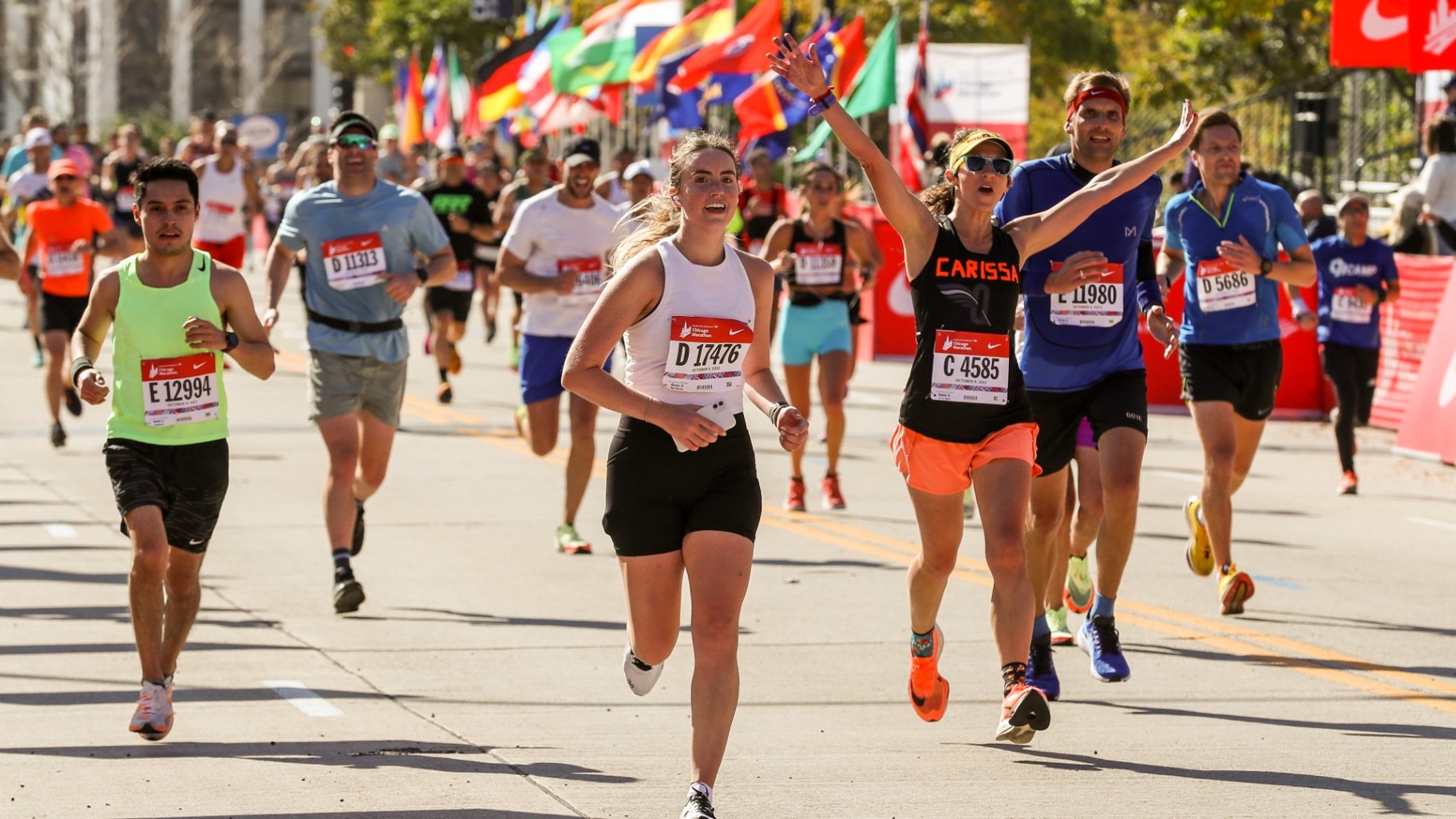
The Bank of America Chicago Marathon is not merely a race; it’s a colossal urban festival, a vibrant testament to human endurance, and a significant engine for tourism in the heart of the Midwest. Each autumn, the streets of Chicago transform into a dynamic stage for tens of thousands of runners from every corner of the globe, alongside hundreds of thousands of cheering spectators. The sheer scale of participation underscores its status as one of the most coveted events on the global running calendar and a major draw for visitors. Understanding the number of participants offers a window into the event’s profound impact on local tourism, from hotel bookings and dining to the exploration of the city’s rich cultural tapestry.
The Scale of a Global Sporting Spectacle
As one of the six World Marathon Majors, the Chicago Marathon consistently attracts an enormous field of athletes. Its flat, fast course and the enthusiastic support of Chicago residents make it a prime target for both elite runners aiming for records and amateur runners striving for personal bests or simply the profound satisfaction of completing a marathon. The event’s reputation ensures a perennial demand for entry, reflecting its magnetic appeal as a premier destination for running tourism.
Participant Numbers: A Snapshot
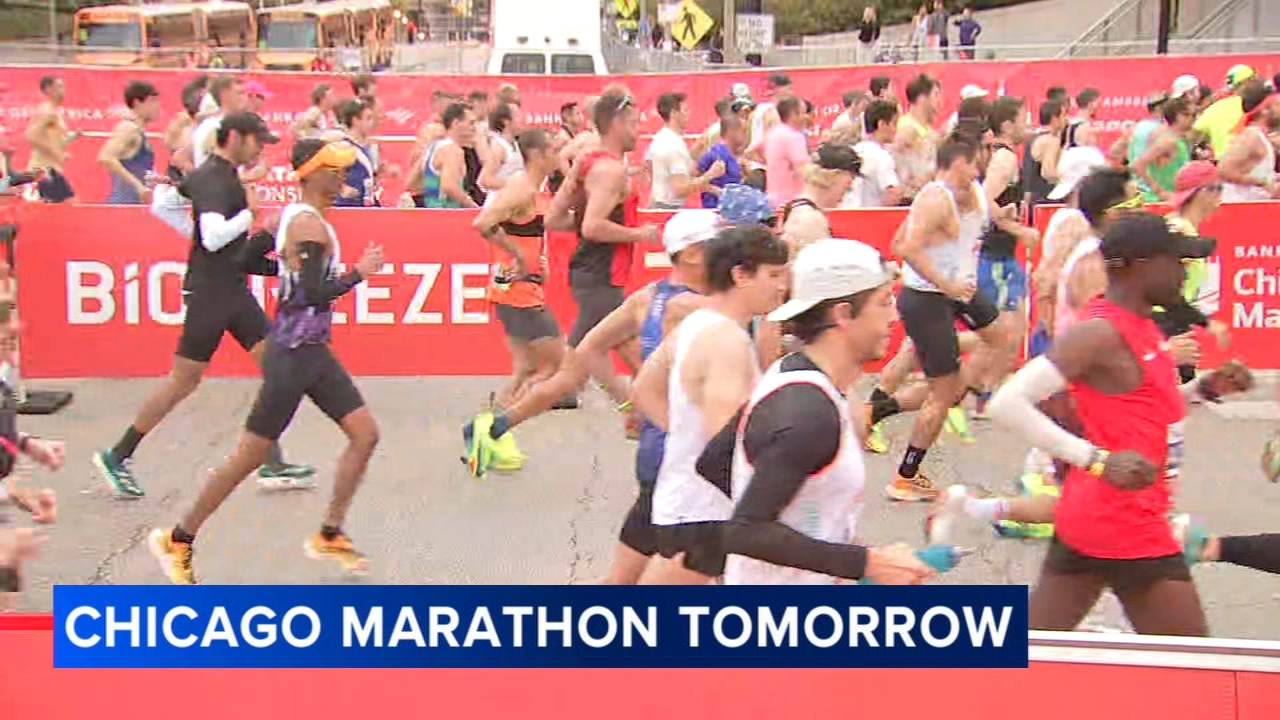
While the exact number can fluctuate slightly year to year due to various factors like registration caps, deferrals, and last-minute withdrawals, the Chicago Marathon typically sees an official registration cap hovering around 45,000 to 50,000 participants. Of these registered runners, approximately 40,000 to 47,000 individuals ultimately cross the starting line in Grant Park.
For instance, recent editions have seen:
- 2023: Over 47,000 starters, with over 45,000 finishers.
- 2022: Around 40,000 starters and just under 40,000 finishers.
- 2019 (pre-pandemic): Approximately 45,786 starters and 44,748 finishers.
These figures represent one of the largest single-day participatory sporting events globally, signifying a massive influx of not just runners, but also their families, friends, coaches, and support teams. This accompanying entourage often doubles or triples the number of direct participants, turning race weekend into a city-wide celebration and a significant economic boon for Chicago. The vast majority of these individuals arrive from outside the immediate metropolitan area, specifically for the marathon, classifying them as sports tourists.
The Economic and Cultural Footprint
The sheer volume of participants and their supporters translates into a substantial economic impact. Hotels across the city, from downtown to surrounding neighborhoods, often report near-full occupancy rates during marathon weekend, with bookings typically made many months in advance. Restaurants experience a surge in diners, ranging from pre-race carb-loading destinations to post-race celebratory meals. Local businesses, transportation services, and attractions all benefit from this concentrated period of high tourist activity. Beyond the direct spending, the marathon generates invaluable global media exposure for Chicago, showcasing its iconic skyline, diverse neighborhoods, and vibrant cultural scene to millions worldwide. This exposure can inspire future visits from those who may not have attended the race directly, further cementing Chicago’s reputation as a premier tourist destination.
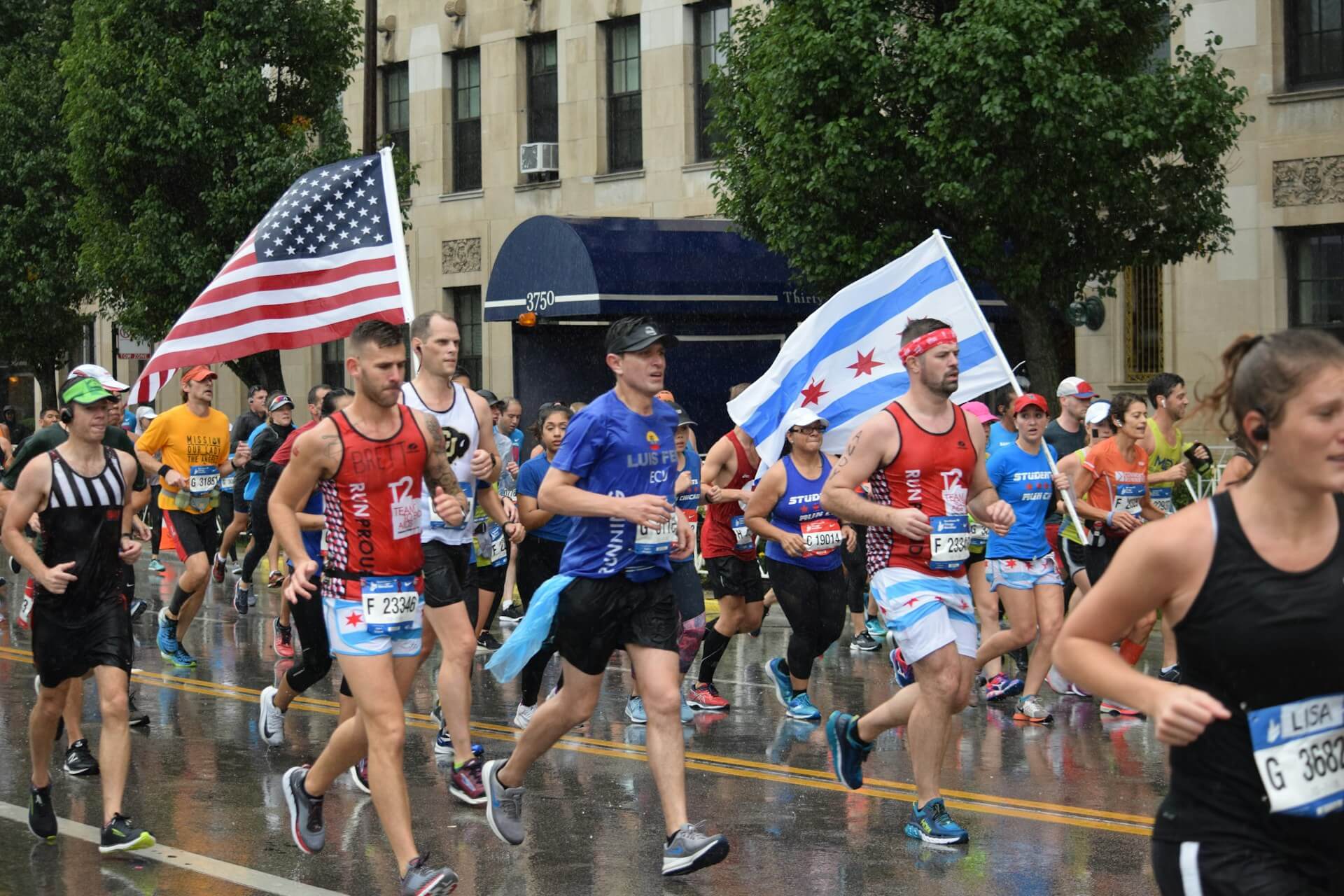
Culturally, the event fosters an incredible sense of community. The 29 neighborhoods through which the course weaves each contribute their unique character, offering distinct cheering zones, musical performances, and local flair. For many runners, traversing these diverse communities is as much a part of the Chicago experience as the race itself, providing an immersive, albeit fast-paced, tour of the city’s social and architectural fabric.
Journey to the Start Line: A Tourist’s Perspective
For many, running the Chicago Marathon is a pilgrimage, an endeavor that begins long before arriving in the Windy City. The journey involves meticulous planning, not just for training and race strategy, but also for the comprehensive travel logistics that define a robust tourism experience.
International and Domestic Influx
The Chicago Marathon draws a truly global contingent. A significant percentage of runners travel from outside the United States, representing dozens of countries. These international visitors often plan extended stays, combining the race with opportunities to explore Chicago’s renowned attractions before or after the event. Domestically, runners flock from all 50 states, utilizing various modes of transport—flights, trains, and cars—to converge on the city. This diverse origin of participants highlights the marathon’s universal appeal and its capacity to act as a global magnet for sports tourism.
For many, this isn’t just a quick trip. International runners might spend a week or more, exploring landmarks like the Art Institute of Chicago, taking an architectural boat tour on the Chicago River, or visiting the top of the Willis Tower. Domestic tourists from further afield might similarly extend their visit, turning the race weekend into a mini-vacation or family getaway.
Preparing for the Chicago Experience
Beyond booking flights and accommodation, participants engage in specific tourism-related activities unique to the marathon experience. The Health & Fitness Expo, held in the days leading up to the race, is a destination in itself. Located at McCormick Place (a major convention center, if I were to link it I would have), it attracts tens of thousands of runners and spectators seeking race packet pickup, official merchandise, and the latest in running technology and nutrition. This expo generates its own tourist traffic, creating a bustling pre-race atmosphere and offering additional opportunities for local businesses.
Runners also meticulously plan their dietary needs, often seeking out specific restaurants for carb-loading meals. Exploring Chicago’s diverse culinary scene, from its famous deep dish pizza to its gourmet offerings, becomes an integral part of the pre-race ritual for many. This gastronomic exploration contributes significantly to the city’s food tourism sector.
Beyond the Finish Line: Experiencing Chicago as a Runner-Tourist
The moment a runner crosses the finish line in Grant Park, a new phase of their Chicago experience begins. The immediate post-race activities give way to well-deserved relaxation and an opportunity to truly immerse oneself in the city’s offerings, often with newfound perspective and pride.
Post-Race Exploration and Recovery
After the arduous 26.2 miles, many runners prioritize recovery, but this often includes touring. A leisurely stroll through Millennium Park to see Cloud Gate (“The Bean”), a visit to the Shedd Aquarium or Field Museum, or a leisurely boat cruise along Lake Michigan (if I were to link it I would have) provides a contrasting, restorative experience to the previous day’s exertion. The sense of accomplishment often enhances the enjoyment of these tourist activities, as runners proudly wear their finisher medals, often sparking conversations with locals and fellow visitors.
Many participants will also engage in retail tourism, particularly along the Magnificent Mile, seeking souvenirs or simply enjoying the vibrant shopping district. The post-marathon glow often inspires a deeper appreciation for the city that hosted such a momentous personal achievement.
Spectator Engagement: A City United
While the focus is often on the runners, the number of spectators is equally staggering, contributing immensely to the tourism landscape. An estimated 1.7 million spectators line the 26.2-mile course, turning the entire city into a dynamic cheering section. These aren’t just local residents; a significant portion are friends, family, and supporters who have traveled to Chicago specifically to witness the race.
These spectators also require accommodation, dining, and transportation, boosting the local economy. They engage with local culture by visiting neighborhood pubs and cafes, exploring different districts, and experiencing Chicago’s hospitality firsthand. The diverse cultural celebrations that spring up along the course, from mariachi bands in Pilsen to gospel choirs in Bronzeville, offer spectators a unique, fast-paced cultural immersion that many non-marathon tourists might miss. The collective energy of both runners and spectators creates an unparalleled atmosphere that is a draw in itself, proving that the event is as much a spectator sport and a cultural happening as it is a race.
Planning Your Marathon Tourism Trip
For anyone considering participating in or attending the Chicago Marathon, approaching it with a comprehensive tourism mindset is key to maximizing the experience.
Essential Tips for Participants and Spectators
- Book Early: Due to the massive influx of people, hotels and flights book up quickly, often a year in advance. Secure your travel and accommodation as soon as you confirm your race entry or decide to attend. Look for hotels in the Loop or River North for proximity to the start/finish and public transport.
- Utilize Public Transportation: Chicago’s L train and bus system is efficient and the best way to navigate the city, especially on race weekend when many streets are closed. Plan your routes in advance, whether you’re a runner getting to the start or a spectator moving between cheering spots.
- Explore Neighborhoods: The marathon course is a fantastic guide to Chicago’s diverse neighborhoods. Take advantage of your time to explore areas like Lincoln Park, the West Loop, or Chinatown, sampling local cuisine and unique shops.
- Stay Hydrated and Fueled: Both runners and spectators need to prioritize hydration and nutrition. Familiarize yourself with local grocery stores and dining options that cater to your needs.
- Pack for All Weather: October in Chicago can bring anything from warm sunshine to chilly winds. Layers are essential for both race day and general sightseeing.
Maximizing Your Stay in the Windy City
Beyond race day, dedicate time to explore Chicago’s world-class attractions. Visit the Lincoln Park Zoo, stroll along Navy Pier, or delve into the city’s rich history and architecture. Consider purchasing a CityPASS if you plan to visit multiple attractions, as it can offer significant savings. Engage with the locals; Chicagoans are known for their friendly hospitality, especially during events like the marathon. Whether you’re a seasoned marathoner or a first-time visitor, the Chicago Marathon offers an unparalleled opportunity to experience one of America’s greatest cities at its most vibrant and welcoming. It’s more than a race; it’s a profound cultural and athletic journey, drawing thousands to celebrate endurance and community.
LifeOutOfTheBox is a participant in the Amazon Services LLC Associates Program, an affiliate advertising program designed to provide a means for sites to earn advertising fees by advertising and linking to Amazon.com. Amazon, the Amazon logo, AmazonSupply, and the AmazonSupply logo are trademarks of Amazon.com, Inc. or its affiliates. As an Amazon Associate we earn affiliate commissions from qualifying purchases.