
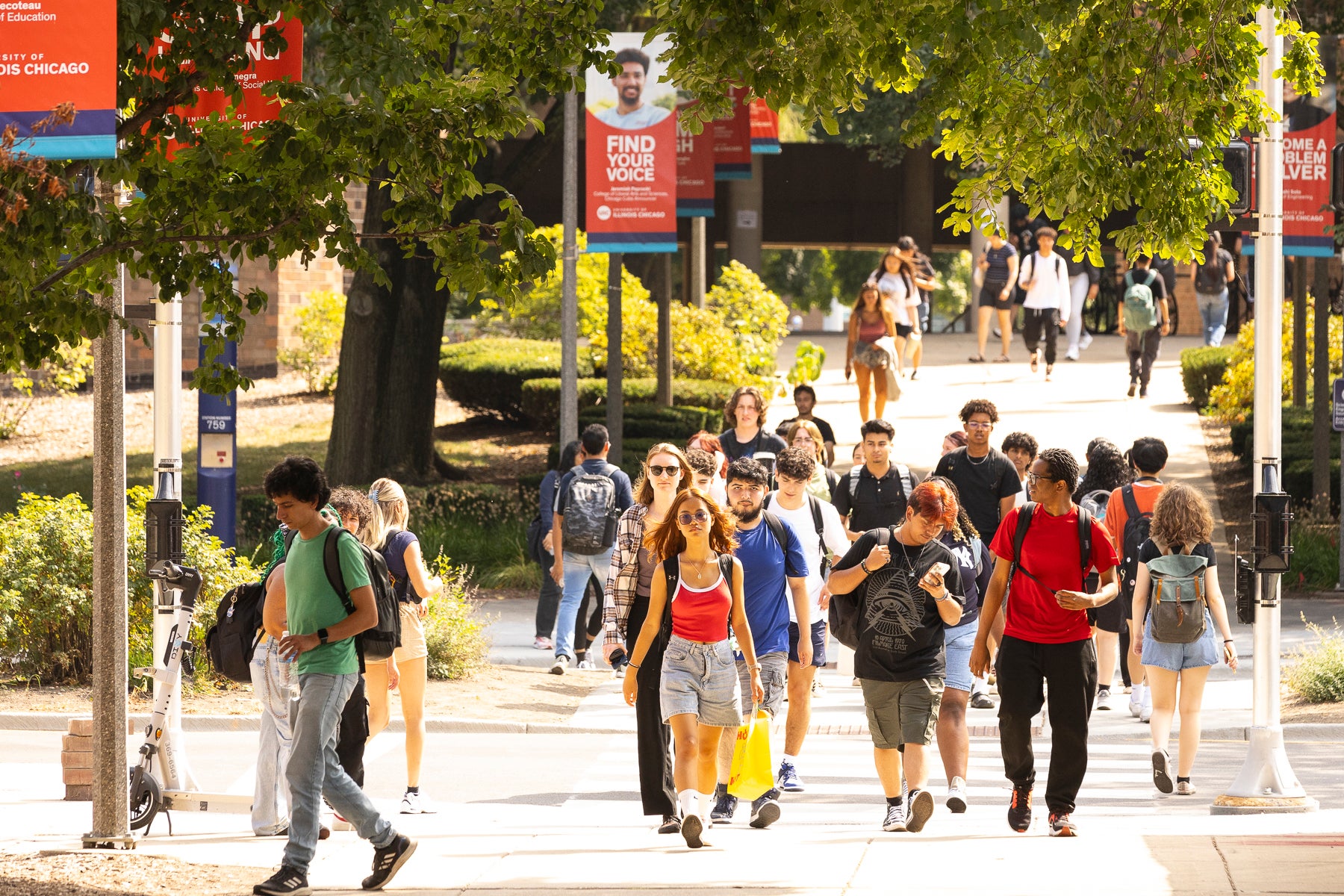
The University of Illinois Chicago, widely known as UIC, stands as a significant urban research institution nestled within the vibrant heart of Chicago, Illinois. Its diverse and expansive student body creates a unique dynamic within the city’s robust accommodation landscape. Understanding the sheer number of UIC students is paramount for comprehending the demand for various housing solutions, from traditional on-campus dormitories to an array of off-campus apartments and shared living arrangements. While exact figures fluctuate semester by semester, UIC consistently hosts one of the largest student populations in Illinois, often exceeding 34,000 students across its undergraduate, graduate, and professional programs. This substantial academic community necessitates a diverse and adaptable accommodation infrastructure, influencing rental markets, urban planning, and the daily lives of countless students seeking a place to call home while pursuing their education.

Understanding the UIC Student Population and Its Housing Impact
The scale of the UIC student population is a primary driver of accommodation trends in central Chicago. With tens of thousands of students enrolling each year, the demand for housing, both proximate to the campus and across various neighborhoods accessible via public transport, is consistently high. This influx of young professionals and academics injects a continuous need into the local housing market, fostering a competitive environment for renters but also stimulating the development of student-centric housing solutions.
The Scale of UIC’s Presence in Chicago
UIC occupies a sprawling urban campus primarily located in Chicago’s Near West Side, strategically positioned close to the city’s downtown core. This prime location, while offering unparalleled access to urban amenities and professional opportunities, also places students within one of the most dynamic and often expensive rental markets in the United States. The university’s enrollment figures, typically ranging from 34,000 to 35,000 students annually, mean that a significant portion of this demographic requires housing. Given that only a fraction can be accommodated on campus, the vast majority seek off-campus solutions, making them a crucial segment of Chicago’s renter population. This demand profoundly shapes the availability, pricing, and types of accommodation in surrounding neighborhoods and beyond.
On-Campus vs. Off-Campus Housing Preferences
The decision between on-campus and off-campus housing is a critical one for UIC students. On-campus options provide convenience, a sense of community, and often include utilities and meal plans in one consolidated cost. However, these spaces are limited, particularly for a university of UIC’s size. Many students, especially upperclassmen, graduate students, and those seeking greater independence or specific amenities, opt for off-campus living. This preference is driven by factors such as cost, desire for more space, pet ownership, access to diverse neighborhoods, and the opportunity to integrate more fully into Chicago’s broader community. The high number of students, coupled with the varied preferences, ensures that both on-campus residential life and the wider Chicago rental market remain vital components of the UIC student experience.
Navigating On-Campus Accommodation Options for UIC Students
For students new to UIC or those preferring the convenience and structured environment of university living, on-campus accommodation provides an appealing option. UIC offers several residential halls designed to foster community, support academic success, and provide essential services within walking distance of classes and campus facilities.
Residential Halls and Community Living
UIC features a range of residential halls, each with its unique character and community focus. These include traditional dormitory-style rooms, suite-style living, and apartment-style units, catering to different preferences and needs. Buildings like Courtyard, Commons North, Commons South, and Harrison Hall offer various room configurations and living experiences. Newer additions and renovated spaces often provide modern amenities and collaborative study areas. Living on campus at UIC means students are immersed in a vibrant campus culture, with easy access to libraries, dining halls, recreational facilities, and student support services. This environment is particularly beneficial for first-year students transitioning to university life in a bustling urban setting.
Amenities and Support Services
On-campus housing at UIC typically includes essential amenities such as furnished rooms, internet access, laundry facilities, and shared common areas. Many halls also feature dedicated study lounges, computer labs, and recreational spaces. Beyond the physical amenities, residential life staff provide invaluable support, including programming designed to promote academic success, social engagement, and personal well-being. Security is a high priority, with controlled access to buildings and professional staff available around the clock. Meal plans are often integrated into on-campus living, offering convenient dining options across campus. While limited in capacity relative to the total student body, UIC’s residential halls provide a foundational accommodation experience for a significant portion of its student population.
Exploring Off-Campus Accommodation in Chicago for UIC Students
Given the vast number of UIC students, off-campus housing is the reality for the majority. Chicago’s diverse neighborhoods offer a wide spectrum of choices, each with its own character, amenities, and commute times to campus. Navigating this extensive market requires strategic planning and an understanding of local dynamics.
Popular Neighborhoods for UIC Commuters
Several Chicago neighborhoods are particularly popular among UIC students due to their proximity, public transit access, affordability, or vibrant community life. The immediate vicinities, such as the Near West Side, Little Italy (also known as University Village), and parts of the West Loop, are highly sought after for their walking or short transit commutes to campus. Further afield, neighborhoods like Pilsen offer a rich cultural experience and relatively more affordable rents, often requiring a short bus or “L” train ride. The South Loop provides a more urban, downtown living experience with excellent transit connections. Even areas like Lincoln Park, while further north, are accessible via public transportation and appeal to students seeking a different social scene, though typically at a higher price point. Each neighborhood presents a unique blend of amenities, dining, and entertainment, allowing students to tailor their living environment to their lifestyle and budget.
Types of Off-Campus Housing and Budgeting
Off-campus housing options for UIC students range from studio apartments to multi-bedroom units in large apartment complexes, brownstones, or smaller residential buildings. Shared living, where students rent a larger apartment or house together, is a common and often more economical choice. Subleasing opportunities, particularly during summer months, also provide flexible, short-term solutions. When budgeting for off-campus housing, students must consider not just rent but also utilities (electricity, gas, internet), renters insurance, transportation costs, and potential security deposits or move-in fees. It’s crucial to factor in the total cost of living, as Chicago can be an expensive city. Researching average rental prices in target neighborhoods and understanding the typical expenses associated with a lease is vital for financial planning.
Resources for Finding Student-Friendly Rentals
Finding the right off-campus accommodation can be a daunting task, but numerous resources are available to UIC students. The university itself often provides an off-campus housing portal or resources page that lists available rentals, roommate-matching services, and tenant rights information. Beyond university resources, popular online rental platforms like Zillow, Apartments.com, and Craigslist are frequently used, though caution is advised with the latter. Local real estate agents specializing in student rentals or specific neighborhoods can also be valuable, providing expertise and access to listings not always publicly advertised. Additionally, UIC student social media groups and forums often feature listings from students seeking roommates or subleasers, creating a direct network for finding suitable accommodation.
The Dynamic Chicago Rental Market and Student Accommodation
Chicago’s rental market is dynamic, influenced by a myriad of factors beyond just student demand. Economic conditions, new construction, urban development projects, and the city’s overall desirability all play a role in shaping rental costs and availability. For UIC students, understanding these broader market forces is key to successfully securing accommodation.
Factors Influencing Rental Costs Near UIC
The areas surrounding UIC are subject to significant upward pressure on rental costs due to their proximity to the university, the Illinois Medical District, and the expanding West Loop business and entertainment hub. The convenience of living close to campus, coupled with access to exceptional public transportation, drives demand. Furthermore, the overall attractiveness of Chicago as a major metropolitan area with diverse job opportunities and cultural attractions contributes to a generally competitive market. New luxury apartment developments in the nearby South Loop and West Loop can also push average rents higher, indirectly affecting student housing by making more affordable options relatively scarcer or further away. Landlords are aware of the consistent demand from UIC’s large student body, which can sometimes influence pricing strategies.

Tips for Securing Ideal Student Accommodation
To navigate Chicago’s competitive accommodation market effectively, UIC students should start their search early, ideally several months before their desired move-in date, particularly for Fall semesters. Being prepared with necessary documents, such as proof of income (or a guarantor’s information), credit history, and references, can expedite the application process. Viewing properties in person or via reliable virtual tours is essential to avoid scams and ensure the unit meets expectations. Understanding the terms of a lease, including pet policies, utility responsibilities, and early termination clauses, is also crucial. Joining student housing groups and attending university-sponsored housing fairs can also provide direct connections and valuable insights into available properties and roommate opportunities. By being proactive, informed, and flexible, UIC students can successfully find suitable and comfortable accommodation that supports their academic journey and allows them to fully experience life in Chicago.
LifeOutOfTheBox is a participant in the Amazon Services LLC Associates Program, an affiliate advertising program designed to provide a means for sites to earn advertising fees by advertising and linking to Amazon.com. Amazon, the Amazon logo, AmazonSupply, and the AmazonSupply logo are trademarks of Amazon.com, Inc. or its affiliates. As an Amazon Associate we earn affiliate commissions from qualifying purchases.