
Navigating the financial landscape of travel, whether for leisure or business, often involves more than just understanding the price tag of goods and services. Taxes can significantly inflate the total cost, and in major United States cities like Chicago, these levies can be substantial. For any visitor, from the budget-conscious traveler to the executive on a business trip, comprehending Chicago’s tax structure is essential for accurate financial planning and an optimal lifestyle experience in the Windy City. Understanding where your money goes allows for more informed decisions, helping you maximize your stay without unexpected expenses.
Understanding Chicago’s Tax Landscape for Travelers
Chicago operates under a multi-layered tax system, with different rates applied at the state of Illinois, Cook County, and city levels. This complexity means that a single purchase or service might be subject to several taxes, compounding the final price. For travelers, the most impactful taxes typically fall into categories such as accommodation, general sales, and specific levies on dining, entertainment, and transportation. These taxes are not just minor surcharges; they can add a significant percentage to your overall expenditures. A clear understanding of these rates is crucial for anyone planning a trip, helping to set realistic budgets for everything from lodging to souvenirs and meals. Without this insight, travelers might find their carefully planned budgets quickly depleted by unforeseen tax burdens, impacting their ability to enjoy Chicago’s myriad attractions and experiences. Knowing these rates upfront allows for smarter choices, whether it’s opting for a hotel slightly outside the most heavily taxed zones or allocating sufficient funds for dining and shopping excursions.
Deconstructing Accommodation Taxes in the Windy City
For most visitors, lodging represents one of the largest single expenses, and it’s also where some of the highest tax rates apply. Chicago’s accommodation taxes are a blend of state, county, and municipal charges, designed to fund local services and tourism initiatives.
Hotel Occupancy Tax
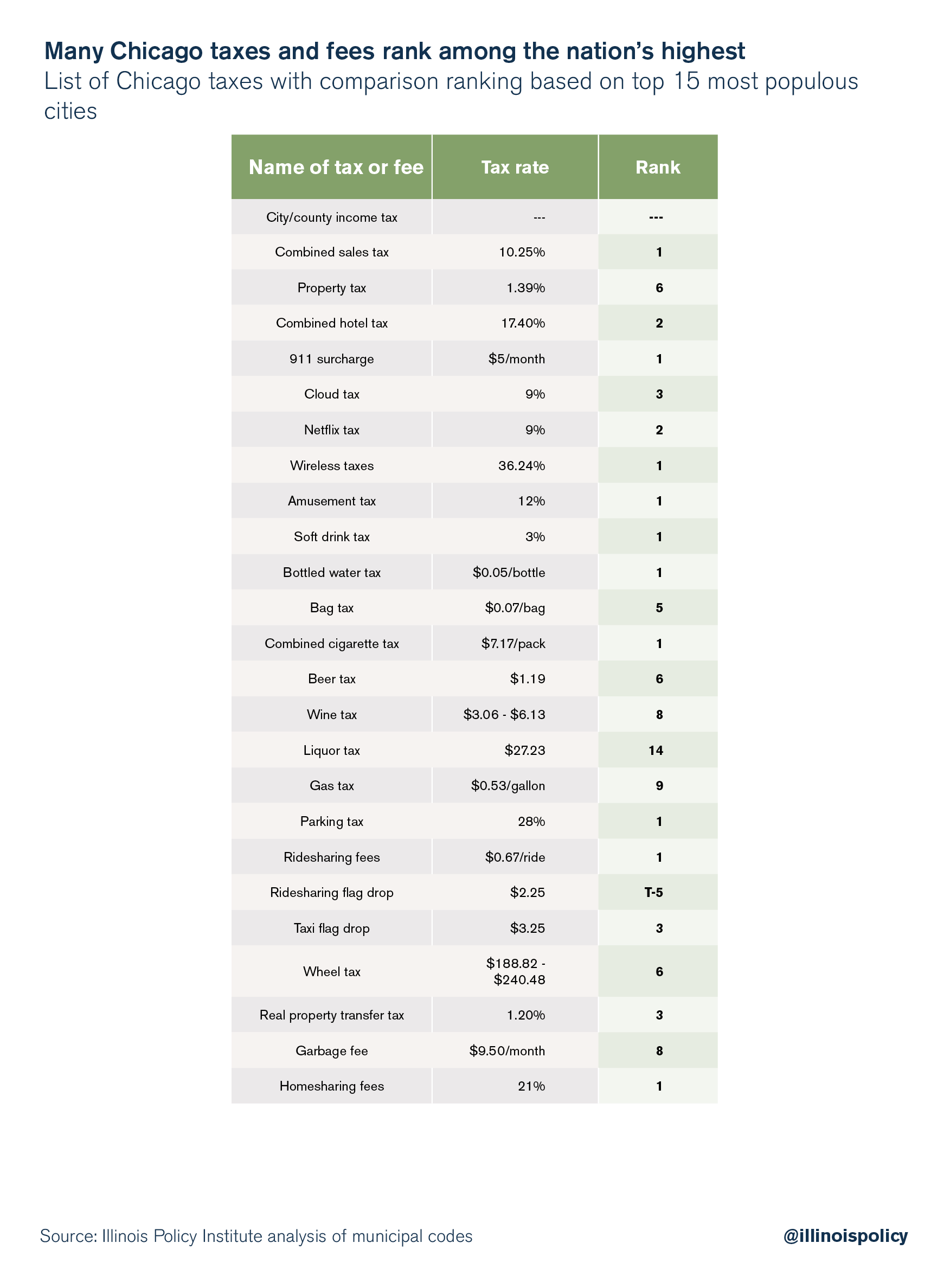
When you book a hotel room in Chicago, you’re not just paying for the room itself. You’re subject to a combination of taxes. The Illinois Hotel Occupancy Tax is generally 6%. Cook County imposes an additional hotel tax, typically around 1.75%. The Chicago Hotel Accommodation Tax adds another 4.5% to 5.5%. When combined with other potential smaller fees, the total effective hotel tax rate in Chicago can easily range from 17.4% to over 18%. This means that a room advertised at $200 per night could effectively cost over $235 once taxes are applied. For a week-long stay, these charges accumulate significantly, transforming a seemingly affordable rate into a considerable sum.
Impact on Budget and Luxury Stays
This substantial hotel tax rate impacts all types of travelers, albeit in different ways. For budget travelers, a 17%+ surcharge on a $100 room is an extra $17-$18 per night, which can quickly add up to a day’s worth of meals or an attraction ticket over a multi-night stay. This necessitates careful budgeting and potentially considering accommodations slightly further from the city center where base rates might be lower. For luxury travelers, while the percentage might feel less impactful relative to their overall spending, an 18% tax on a $500-a-night suite adds an extra $90 per night, totaling hundreds of dollars over a typical stay. Business travelers, too, must account for these rates when submitting expense reports, understanding that their per diem might need to stretch further than anticipated.
Airbnb and Short-Term Rentals
The rise of short-term rental platforms like Airbnb has introduced another layer to Chicago’s accommodation tax discussions. In Chicago, short-term rentals are generally subject to the same hotel accommodation taxes as traditional hotels. The city has enacted specific ordinances to regulate and tax these rentals, ensuring a level playing field and capturing revenue from this growing sector. This means that if you opt for an Airbnb apartment or a vacation rental, you should still expect to pay a similar percentage in taxes, which is typically calculated and displayed by the platform during the booking process. Always check the final price breakdown to ensure taxes are included, as some hosts or platforms might display base rates initially, making the final cost surprising.
Sales Tax: The Everyday Impact on Your Chicago Experience
Beyond accommodation, sales tax is the most ubiquitous tax travelers will encounter in Chicago, affecting nearly every purchase from souvenirs to prepared meals. Understanding its mechanics is vital for daily budgeting and managing discretionary spending.
General Sales Tax Rate
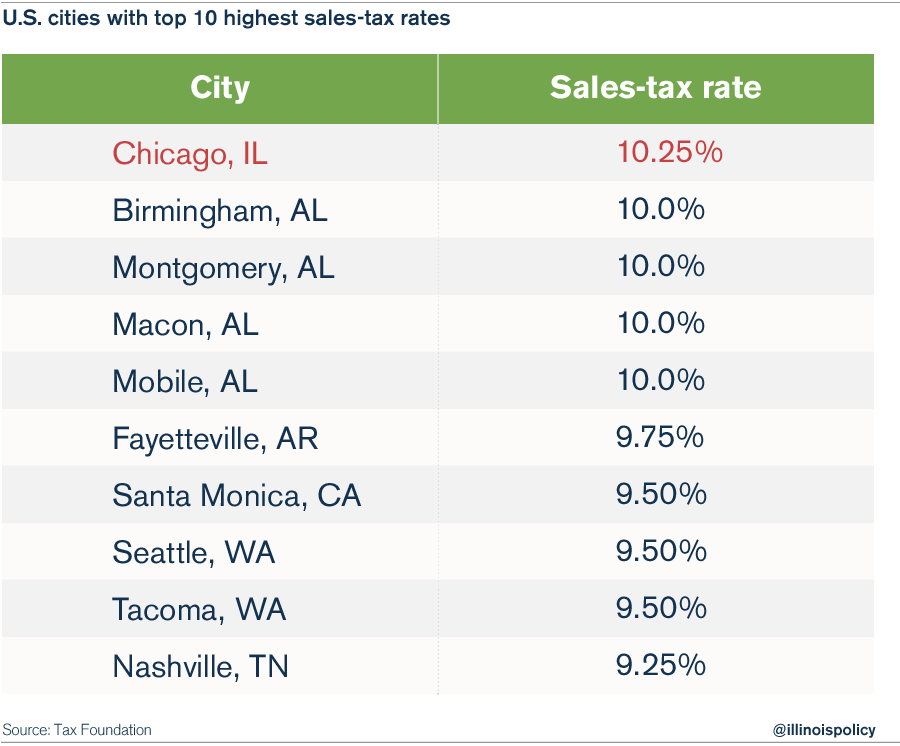
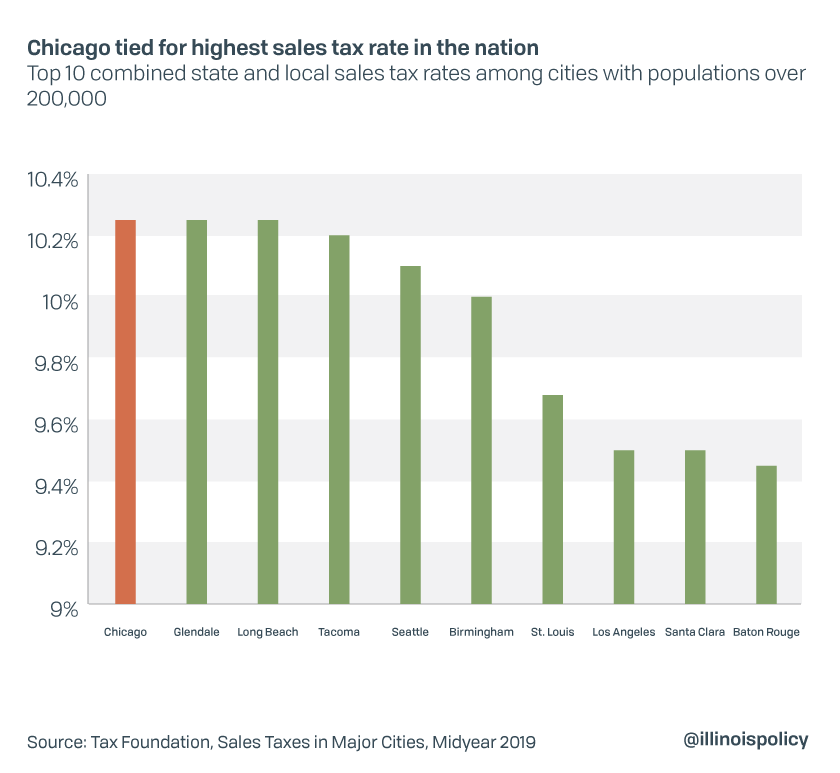
Chicago is known for having one of the highest combined sales tax rates in the United States. The base Illinois state sales tax is 6.25%. Cook County adds 1.75%, and the city of Chicago levies an additional 1.25%. There are also other smaller taxing districts that can slightly increase this. The standard combined sales tax rate in Chicago typically hovers around 10.25%. This rate applies to most tangible personal property purchased, including clothing, electronics, and souvenirs. For every $100 spent on shopping, you’ll pay an additional $10.25 in tax, which can quickly add up during a shopping spree on the Magnificent Mile or exploring local boutiques.
Exemptions and Specific Categories
Not all goods are taxed at the full 10.25% rate. Groceries, specifically unprepared food items (e.g., items bought at a grocery store for home cooking, not ready-to-eat), are often taxed at a lower rate, typically 1% in Illinois. This distinction is crucial for budget-conscious travelers who might opt to buy snacks, breakfast items, or ingredients for simple meals to save money. Prescription medications and certain medical devices are generally exempt from sales tax. However, prepared foods and beverages, whether from a restaurant, a deli, or a convenience store, are almost always subject to the full sales tax rate, sometimes even higher due to additional levies. Understanding these nuances can help travelers make smart choices about where and what they buy to manage their spending effectively.
Shopping Districts and Souvenirs
The impact of the sales tax is felt acutely when shopping. Whether you’re browsing luxury brands on Michigan Avenue, picking up unique gifts in Wrigleyville, or grabbing a souvenir from Navy Pier, that 10.25% adds a significant chunk to the final price. For instance, a $50 souvenir jacket will incur an additional $5.13 in tax. This is particularly relevant for those planning extensive shopping trips or purchasing higher-value items. Budgeting for souvenirs or gifts should always include this additional percentage to avoid overspending or coming up short at the register.
Dining and Entertainment Taxes in Chicago
Chicago is a world-class culinary and entertainment hub, but enjoying its vibrant scene comes with its own set of specific taxes that can impact your lifestyle budget.
Restaurant and Prepared Food Tax
Dining out in Chicago means more than just paying the menu price plus the standard sales tax. Prepared food and beverages sold at restaurants, cafes, and even fast-food establishments are subject to the full combined sales tax rate of 10.25%. In some areas or for certain types of establishments, additional specific taxes or surcharges might also apply, although less common than the core sales tax. For a traveler exploring Chicago’s famed deep-dish pizza or Michelin-starred restaurants, factoring in this 10.25% is crucial, especially when also considering gratuity. A $75 dinner for two, for example, will cost an extra $7.69 in sales tax, before tip.
Alcohol and Beverage Taxes
Alcoholic beverages carry additional excise taxes at the state and local levels, beyond the standard sales tax. These taxes are typically built into the price of drinks at bars and restaurants, but they contribute to the generally higher cost of alcohol in Chicago compared to some other regions. For those enjoying Chicago’s nightlife or a cocktail with dinner, this means a higher base price for drinks. When purchasing alcohol from a liquor store, you’ll still pay the standard sales tax on top of the already price-inclusive excise taxes.
Ticketed Events and Venues
Experiencing Chicago’s rich cultural scene, from a Broadway in Chicago show to a visit to the Art Institute of Chicago, also involves taxes. Generally, tickets for concerts, sporting events, museum admissions, and other entertainment venues are subject to the standard 10.25% sales tax. Some venues may also have specific amusement taxes. For instance, a ticket to see a show or a game at one of Chicago’s iconic stadiums might have an additional local amusement tax. Always check the final price breakdown when purchasing tickets online or at the box office to understand the total cost. This applies to popular attractions like the Field Museum, Shedd Aquarium, and Adler Planetarium as well.
Ride-Sharing and Public Transportation
Even getting around Chicago involves various charges. Rideshares like Uber and Lyft are subject to specific city surcharges, which are often displayed as part of the fare breakdown. These fees contribute to congestion management and city funds. Public transportation, such as the CTA trains and buses, generally has fares that are tax-inclusive, meaning the price you see is what you pay. However, the operational costs of these services are influenced by various local taxes. For budget travelers, the CTA remains the most cost-effective way to navigate the city, offering predictable fares without additional hidden taxes.
Strategic Budgeting and Tax Awareness for Chicago Travelers
Successfully managing your budget in Chicago involves more than just identifying the tax rates; it requires strategic planning to minimize their impact, whether you’re a family on vacation or a business professional.
All-Inclusive vs. Itemized
When booking travel, consider whether an “all-inclusive” package truly offers better value. While rare for city trips, some hotels might offer bundles that include breakfast or specific tours. For attractions, passes like CityPASS can offer significant savings on combined entry to multiple top sites like the Willis Tower Skydeck and Millennium Park. Though the initial purchase will include sales tax, the overall discount on individual ticket prices often outweighs the tax burden, implicitly making it a more tax-efficient way to see several landmarks. Always compare the total cost, including all taxes and fees, against booking individual components to determine the best financial approach for your travel style.
Planning Ahead
The most effective strategy is to factor in taxes from the very beginning of your trip planning. When estimating costs for accommodation, dining, shopping, and activities, add the relevant tax percentages to your base figures. For instance, if you budget $200 per night for a hotel, mentally allocate $35-$40 more for taxes. For general spending, assume a 10-11% additional cost on most purchases. This upfront accounting prevents financial surprises and ensures you have sufficient funds for your desired experiences. Researching specific taxes for unique activities you plan to undertake, such as a boat tour on Lake Michigan or a visit to the Lincoln Park Zoo, can further refine your budget.
Business Expense Considerations
For business travelers, understanding Chicago’s tax structure is crucial for accurate expense reporting and compliance. Hotel taxes, sales taxes on business-related purchases (e.g., office supplies, client gifts), and transportation surcharges are all legitimate business expenses. It’s important to keep detailed receipts that clearly itemize taxes, as some may be deductible or subject to different company policies than the base cost. Familiarity with these rates can also help in choosing cost-effective options, such as selecting hotels with favorable corporate rates or utilizing public transport like Metra to and from O’Hare International Airport or Midway International Airport to reduce ride-share surcharges.
Chicago CityPASS and Other Passes
As mentioned, passes like Chicago can offer pre-negotiated rates that often result in significant savings compared to purchasing individual tickets, thereby effectively cushioning the impact of sales taxes on attraction admissions. These passes bundle access to popular destinations like the Skydeck at Willis Tower (home to The Ledge viewing platform), Shedd Aquarium, and Art Institute of Chicago. While the pass itself is subject to sales tax, the overall discount can make your attraction spending more efficient. Explore various tourism passes available and calculate their value versus individual ticket costs plus taxes for your specific itinerary. This foresight empowers travelers to make economically sound decisions, ensuring a rich Chicago experience within their planned budget.
LifeOutOfTheBox is a participant in the Amazon Services LLC Associates Program, an affiliate advertising program designed to provide a means for sites to earn advertising fees by advertising and linking to Amazon.com. Amazon, the Amazon logo, AmazonSupply, and the AmazonSupply logo are trademarks of Amazon.com, Inc. or its affiliates. As an Amazon Associate we earn affiliate commissions from qualifying purchases.