
Chicago, the Windy City, is renowned for its stunning architecture, vibrant culture, and, often, its formidable winters. For tourists planning a visit, understanding the city’s relationship with snow is crucial for a memorable and well-prepared experience. While snowfall amounts can vary significantly year to year, Chicago consistently receives a substantial blanket of white, transforming its urban landscape into a picturesque, albeit chilly, wonderland.
The Windy City’s Winter Wonderland: An Overview
On average, Chicago receives approximately 38 inches (about 96.5 cm) of snow annually. However, this is merely an average, and specific seasons can see much higher or lower totals. The snowiest months are typically January and February, with December and March also contributing significantly to the winter accumulation. November and April can occasionally see early or late season flurries, though substantial snowfall outside of the peak winter months is less common.
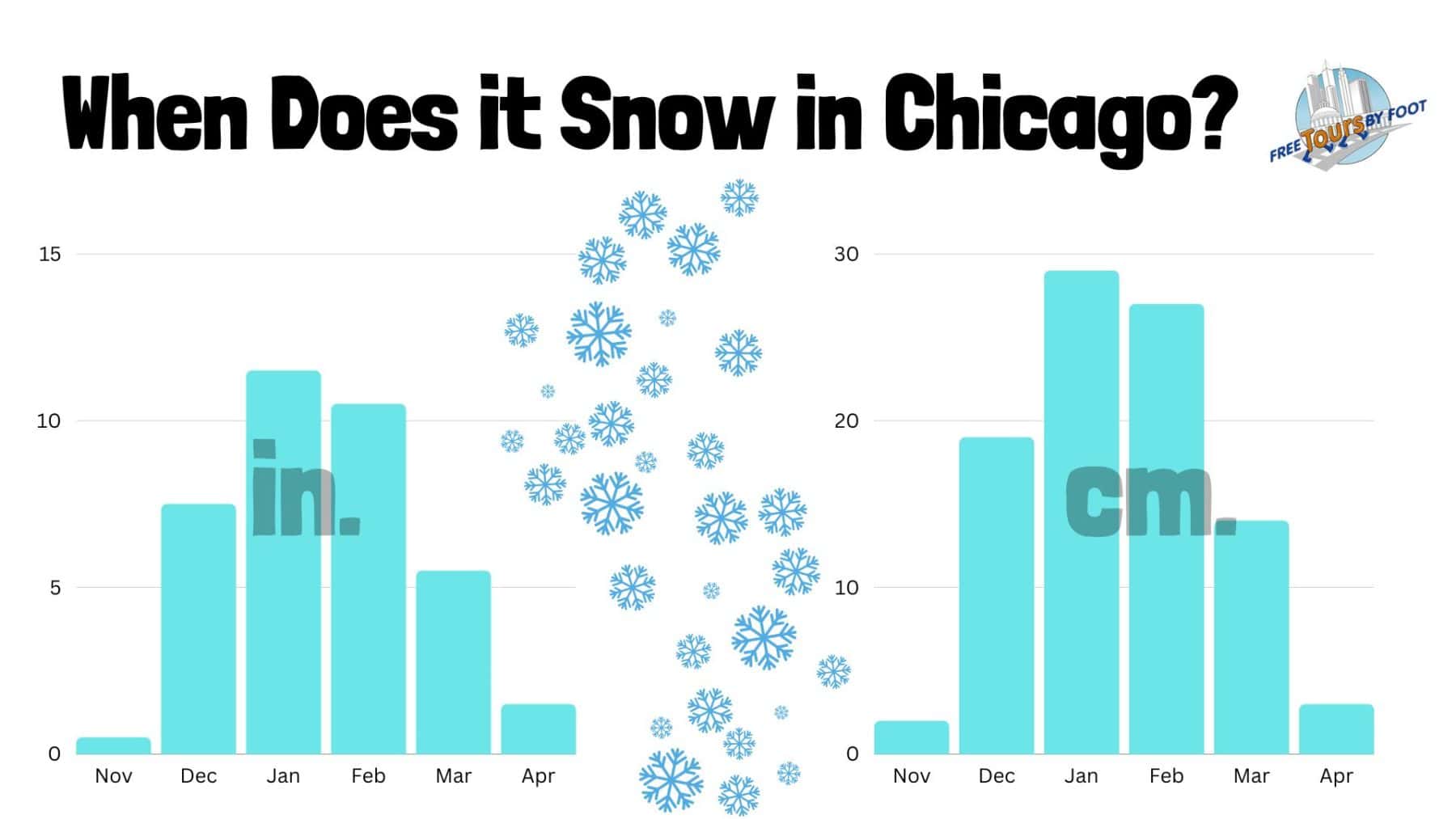
The proximity to Lake Michigan plays a pivotal role in Chicago’s snowfall. While the lake often moderates temperatures, it is also a primary contributor to “lake-effect snow” when cold air masses move across the relatively warmer lake waters. This phenomenon can lead to localized, intense snow squalls, sometimes dumping several inches of snow in a short period, particularly in areas closer to the lakefront. While the city’s infrastructure is generally well-equipped to handle snow, these events can still impact travel and daily activities. Understanding this typical pattern helps tourists anticipate the conditions they might encounter and plan accordingly. The city’s efficient snow removal operations usually ensure that main roads and sidewalks are cleared promptly, but side streets and less-trafficked areas might remain snow-covered for longer.
Navigating Chicago in the Snow: Essential Tourist Tips
A winter visit to Chicago demands careful preparation, especially regarding what to wear and how to get around. Embracing the cold with the right gear ensures you can enjoy the city without discomfort.
Packing for the Cold
The key to enjoying Chicago’s winter is layering. Start with thermal base layers made of wool or synthetic materials, which wick away moisture and retain warmth. Over this, add a warm mid-layer like a fleece or wool sweater. Your outermost layer should be a heavy, waterproof or water-resistant winter coat, ideally one that extends below your hips. Look for coats with good insulation, such as down or a high-tech synthetic alternative.
Crucially, don’t forget accessories. A warm hat that covers your ears, a thick scarf, and waterproof, insulated gloves or mittens are non-negotiable. Footwear is equally important: opt for waterproof, insulated boots with good traction to navigate snowy and icy sidewalks. Wool socks are highly recommended to keep your feet warm and dry. Packing hand warmers can also be a game-changer for extended outdoor excursions.
Transportation Considerations
Snowfall in Chicago can affect transportation, though the city’s public transit system is remarkably resilient. The Chicago Transit Authority (CTA) operates an extensive network of ‘L’ trains and buses. While heavy snow can sometimes cause minor delays, particularly for buses, the ‘L’ trains, running mostly above ground or elevated, are generally less impacted than street-level traffic. This makes the CTA your best bet for getting around efficiently during snowy conditions.
For those considering taxis or ride-shares, be aware that demand can surge during snow events, leading to longer wait times and higher prices. Driving yourself is generally not recommended for tourists in winter, as navigating unfamiliar, potentially icy roads, dealing with parking restrictions (especially after snow plowing), and the challenges of finding parking in snowdrifts can be frustrating and hazardous. If you must drive, ensure your vehicle is winter-ready and be prepared for slower travel times. Always check the CTA website or app for real-time service updates before heading out.
Staying Warm Indoors
When the cold becomes too much, Chicago offers an abundance of cozy indoor havens. The city’s world-class museums, such as the Art Institute of Chicago, the Field Museum, and the Shedd Aquarium, provide hours of warmth and cultural enrichment. Many cafes, often with roaring fireplaces, offer a perfect spot to thaw out with a hot drink and watch the snow fall outside. Shopping centers, particularly along the Magnificent Mile, also provide a warm escape, combining retail therapy with indoor comfort. Some public libraries and community centers also serve as designated warming centers during extreme cold, providing a safe refuge.
Activities and Attractions: Embracing Chicago’s Snowy Charm
Winter transforms Chicago’s urban landscape, offering unique opportunities for sightseeing and activities that are only possible, or truly magical, during the colder months.
Iconic Landmarks in Winter
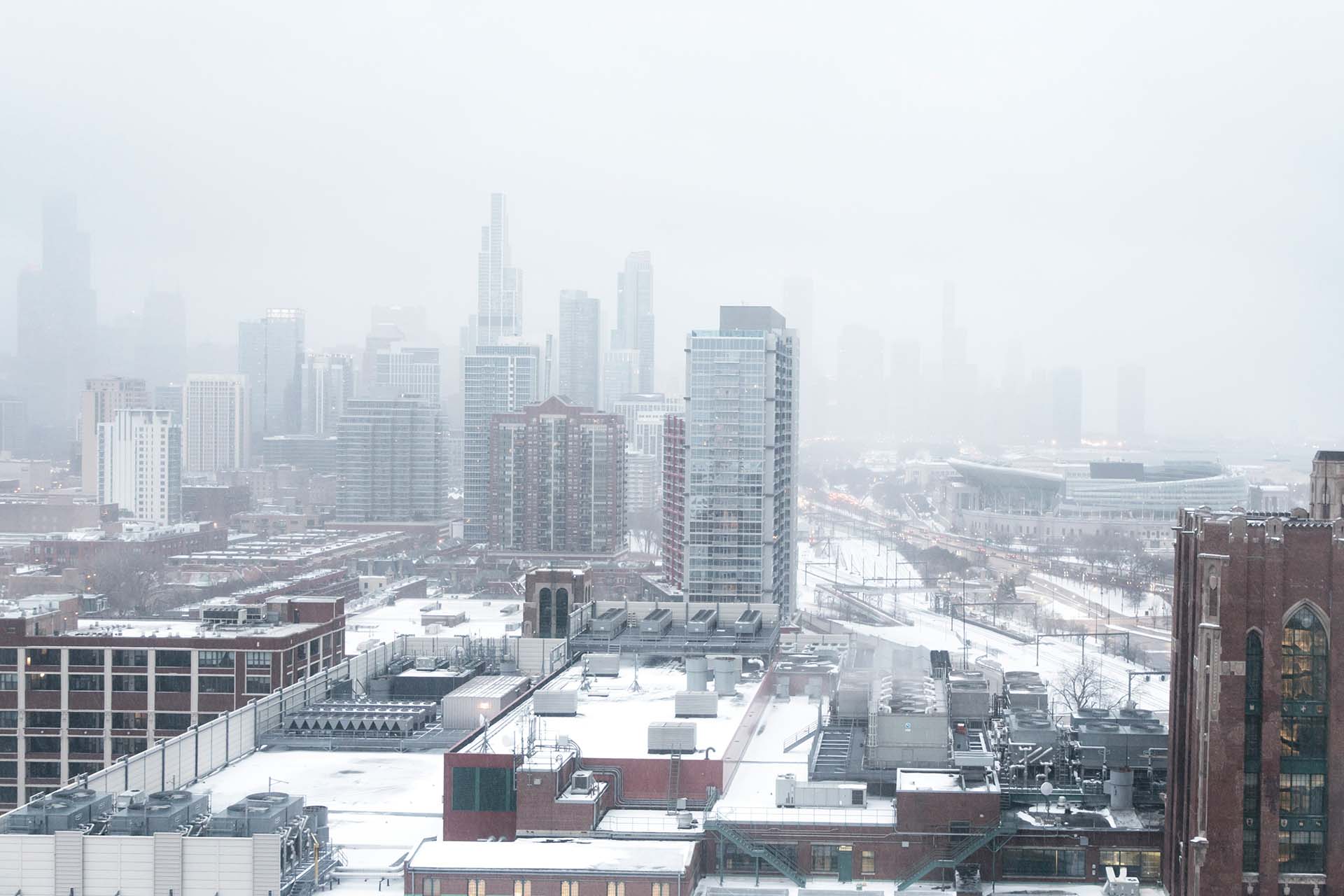
Many of Chicago’s most famous landmarks take on a special allure when dusted with snow. Millennium Park becomes a true winter wonderland. The outdoor ice skating rink at McCormick Tribune Plaza is a quintessential winter activity, offering stunning views of the city skyline as you glide across the ice. Cloud Gate, affectionately known as “The Bean,” reflects the snowy sky and surrounding buildings in a mesmerizing display. A stroll through a snow-covered Lincoln Park Zoo is also a serene experience, and many of the animals are more active in colder temperatures. Even the towering structures like the Willis Tower (formerly Sears Tower) and 875 North Michigan Avenue (formerly John Hancock Center) offer breathtaking panoramic views of a snow-blanketed city, sometimes stretching to the frozen expanse of Lake Michigan.
Indoor Cultural Experiences
For those seeking refuge from the cold, Chicago’s world-class museums offer an unparalleled experience. The Art Institute of Chicago houses an extraordinary collection spanning centuries and cultures, while the Field Museum invites visitors to explore natural history, from ancient civilizations to colossal dinosaurs. At the Shedd Aquarium, you can marvel at aquatic life from around the globe. Beyond these giants, explore smaller, specialized museums or catch a Broadway show in the Theater District for an evening of indoor entertainment. Many venues along Navy Pier also offer indoor activities and dining with lakeside views.
Culinary Delights
Winter is the perfect time to indulge in Chicago’s rich culinary scene. Nothing warms you up quite like a hearty Chicago deep-dish pizza from iconic establishments like Lou Malnati’s or Giordano’s. Explore diverse neighborhoods for a taste of international cuisine, or seek out a trendy restaurant offering seasonal comfort food. Cozy cafes and bakeries are perfect for a hot coffee, tea, or rich hot chocolate, often paired with freshly baked pastries. Many restaurants also feature special winter menus, highlighting seasonal ingredients and warm, inviting atmospheres, often with fireplaces to enhance the experience.
Beyond the Flakes: The Local Experience
Beyond the well-trodden tourist paths, Chicago in winter offers a glimpse into local life and unique seasonal events.
From late November through December, the city comes alive with festive holiday markets, most notably the Christkindlmarket in Daley Plaza. Inspired by traditional German Christmas markets, it offers unique handcrafted gifts, delicious German food, and mulled wine (Glühwein), creating a truly magical atmosphere amidst the snowflakes. Various neighborhoods also host smaller, charming winter festivals, celebrating the season with ice sculptures, caroling, and community gatherings.
For photographers, snow provides a dramatic backdrop for Chicago’s architectural marvels and cityscape. The clean, white blanket can highlight intricate details and create striking contrasts. Early morning after a fresh snowfall, before the city fully wakes, offers some of the best opportunities for capturing serene and stunning images. The frozen shores of Lake Michigan can also be incredibly photogenic, with ice formations adding unique textures to the expansive landscape.
Regarding safety, always be mindful of icy patches on sidewalks and streets, especially in shaded areas or after thawing and refreezing cycles. Walk with caution, avoid running, and use handrails where available. Be aware of falling icicles from buildings. While Chicago is generally safe, it’s always wise to be aware of your surroundings, especially during darker winter evenings.

Planning Your Winter Visit to Chicago
Deciding when to visit Chicago in winter depends on your preference for snow. If you’re hoping for a guaranteed snowy experience, plan your trip for January or February. If you prefer a chance of snow coupled with holiday festivities, late November or December is ideal for the markets and lights. For those who want to experience the city’s winter charm but perhaps with slightly milder temperatures and less intense snowfall, early March can offer a good balance.
Regardless of when you visit, always check the weather forecast leading up to your trip and even daily during your stay. Chicago’s weather can be unpredictable, with temperatures swinging dramatically and snow arriving unexpectedly. Be flexible with your itinerary, as extreme weather might lead to temporary closures of outdoor attractions or delays in transportation. Having a mix of indoor and outdoor activities planned will ensure you have options no matter the weather. With proper preparation and a positive attitude, experiencing Chicago’s snowy beauty can be an unforgettable adventure.
LifeOutOfTheBox is a participant in the Amazon Services LLC Associates Program, an affiliate advertising program designed to provide a means for sites to earn advertising fees by advertising and linking to Amazon.com. Amazon, the Amazon logo, AmazonSupply, and the AmazonSupply logo are trademarks of Amazon.com, Inc. or its affiliates. As an Amazon Associate we earn affiliate commissions from qualifying purchases.