
Chicago, a vibrant metropolis renowned for its stunning architecture, world-class museums, and diverse culinary scene, offers an array of transportation options for navigating its sprawling urban landscape. Whether you’re a first-time visitor eager to explore iconic landmarks or a seasoned traveler returning to discover hidden gems, understanding the city’s transit ecosystem is key to a seamless and enjoyable experience. From efficient public transportation to convenient rideshares and scenic walking paths, getting around the Windy City is remarkably straightforward once you know your options. This guide delves into the various modes of transit, offering insights to help you choose the best way to traverse Chicago based on your itinerary, budget, and personal preferences.
Navigating Chicago’s Public Transportation System
The backbone of Chicago’s public transit is the Chicago Transit Authority (CTA), a comprehensive network of elevated trains and buses that covers virtually every neighborhood and major attraction. It’s an economical, environmentally friendly, and often the fastest way to travel, especially during peak traffic hours.
The CTA ‘L’ Train: An Iconic and Efficient Choice
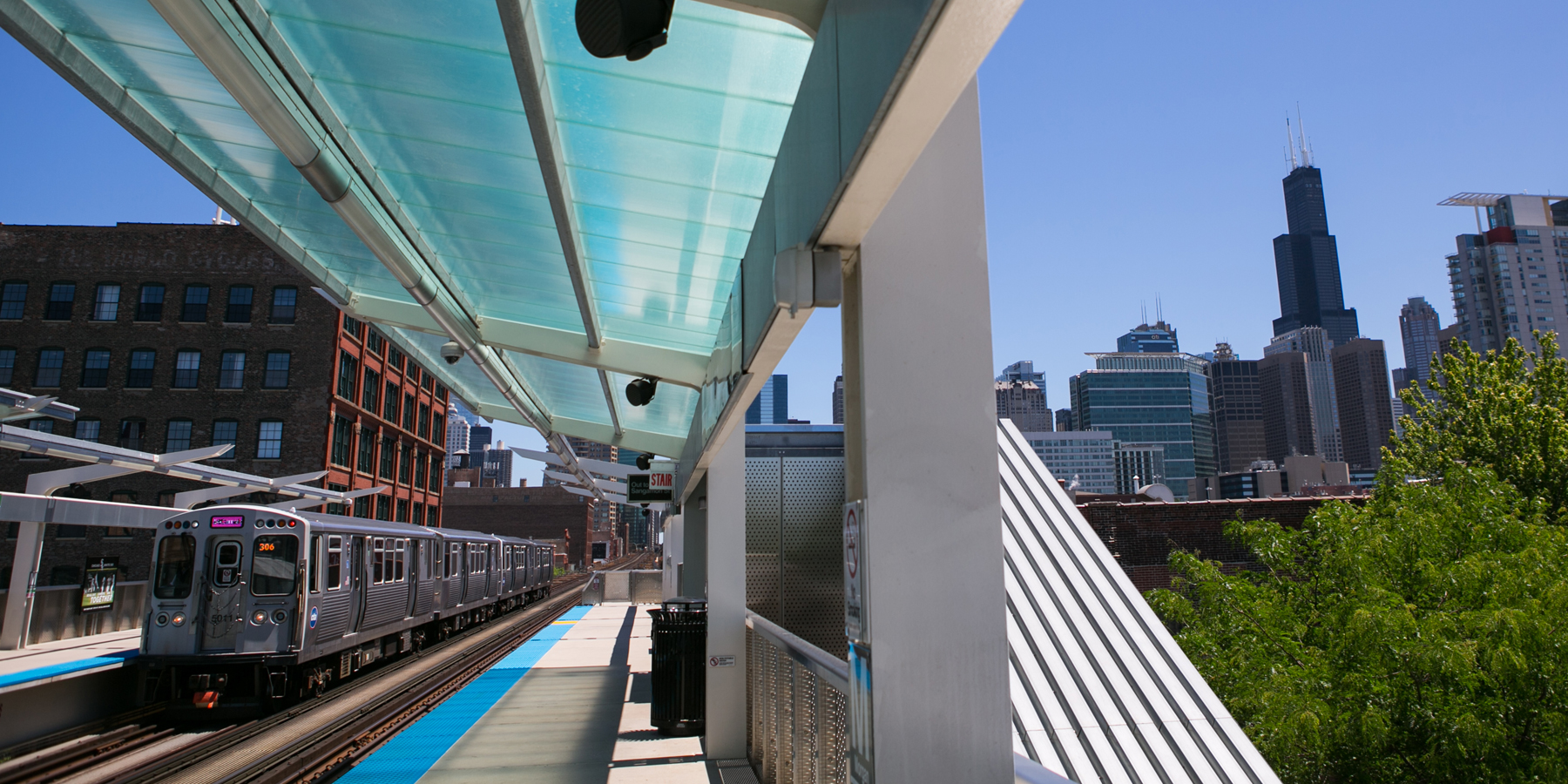
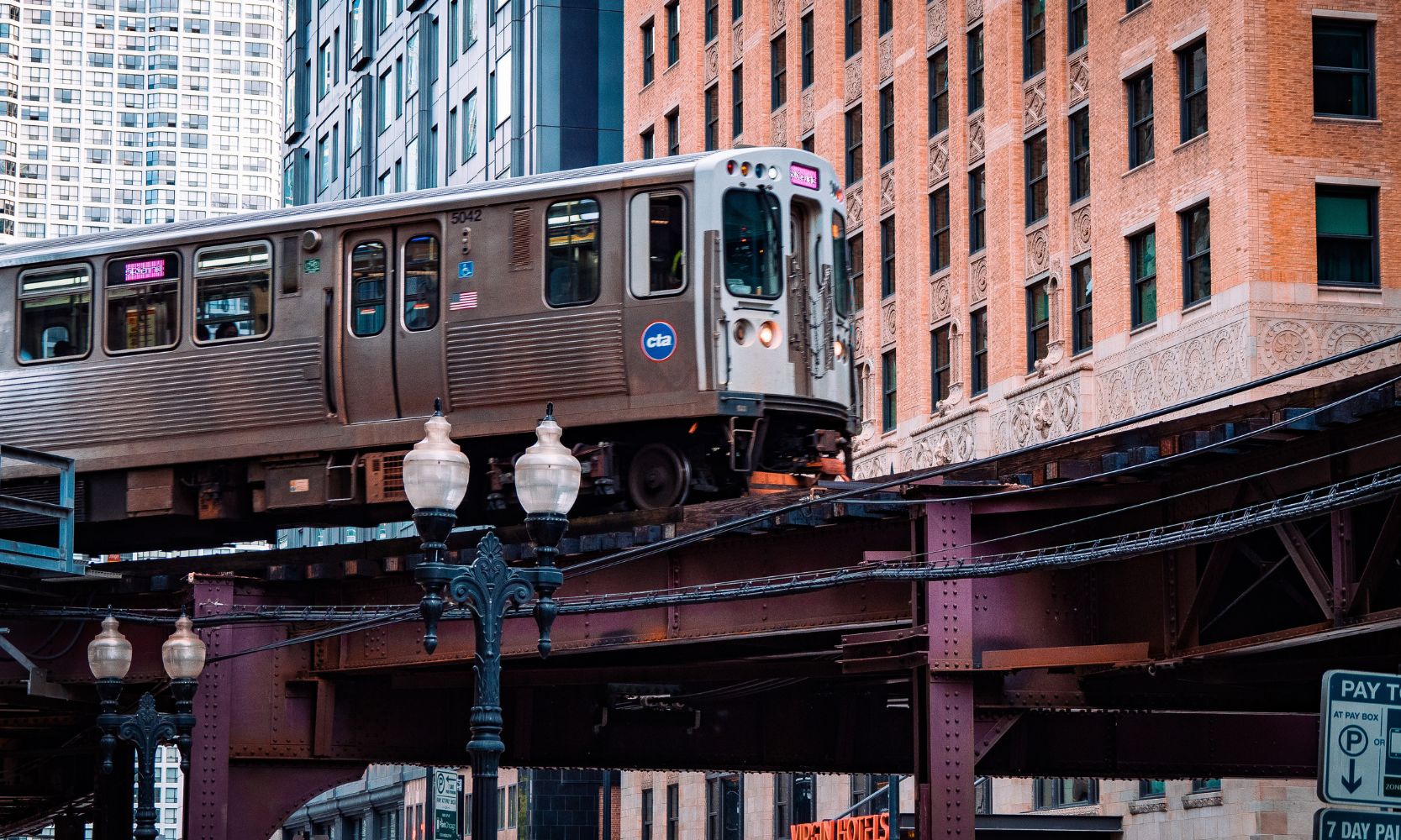
The legendary CTA ‘L’ train, named for its elevated tracks, is perhaps the most iconic way to get around Chicago. With eight distinct lines, each color-coded (Red, Blue, Brown, Green, Orange, Pink, Purple, Yellow), the ‘L’ train offers extensive coverage, connecting downtown with various neighborhoods and both major airports. The Red and Blue lines operate 24 hours a day, providing continuous service for early morning flights or late-night outings.
The Blue Line is your direct link from O’Hare International Airport to downtown and beyond, while the Orange Line connects Midway International Airport to The Loop. For tourists, the ‘L’ is invaluable for reaching popular destinations like the Museum Campus, Millennium Park, and the shopping mecca of the Magnificent Mile. Navigating the ‘L’ is intuitive; station platforms clearly indicate the line color and direction (e.g., ‘To O’Hare’ or ‘To Loop’). During rush hour, trains are frequent, running every few minutes, though they can be crowded. Off-peak, service is still regular, ensuring you’re never left waiting long.
CTA Buses: Covering Every Corner
Complementing the ‘L’ train system, CTA buses fill in the gaps, reaching areas not served by the trains and providing convenient connections. With routes traversing virtually every street, buses are ideal for shorter distances, exploring specific neighborhoods like Lincoln Park or Wrigleyville, or connecting between train lines. Buses are equipped with bike racks, making them an excellent option for cyclists looking to cover longer distances or avoid challenging routes.
Each bus stop is clearly marked and typically includes route numbers and maps. Real-time tracking apps, such as the official CTA Bus Tracker, are highly recommended to monitor bus locations and estimated arrival times, minimizing wait times at street corners, especially during inclement weather. Bus travel offers a unique perspective of Chicago’s diverse streetscapes, allowing you to observe daily life unfolding outside your window.
Ventra Card: Your Key to Seamless Travel
To utilize the CTA system, a Ventra Card is highly recommended. This reloadable transit card can be purchased at any ‘L’ station vending machine, participating retail locations, or online. A physical card costs a nominal fee (which is refunded as transit value if registered), but you can also use contactless credit/debit cards or mobile payment apps directly at turnstiles and on buses.
The Ventra Card offers single rides, day passes (1-day, 3-day, 7-day), and 30-day passes, providing flexibility for visitors based on the length of their stay and anticipated usage. Day passes, in particular, offer unlimited rides on both ‘L’ trains and buses, presenting significant savings for those planning extensive exploration. Fares are deducted automatically, and transfers between trains and buses within a two-hour window are typically discounted or free. It eliminates the need for exact change on buses and streamlines entry to train platforms, making your transit experience smooth and hassle-free.
Taxis, Rideshares, and Private Car Services
For those seeking more direct routes, privacy, or convenience, especially with luggage or after a late night, taxis, rideshare services, and private car services offer excellent alternatives to public transit.
Traditional Taxis: Readily Available
Traditional yellow taxis are abundant throughout downtown Chicago, especially near hotels, tourist attractions, and major transportation hubs. They can be hailed directly from the street, found at designated taxi stands, or booked via phone apps. Chicago taxis are metered, with fares based on distance and time. While typically more expensive than public transport, they offer a direct, door-to-door service that can be invaluable, especially for short trips or when traveling in groups. Drivers are generally knowledgeable about the city’s layout, providing a reliable option for navigating unfamiliar streets. Tipping is customary, usually 15-20% of the fare.
Ridesharing Apps: Convenience at Your Fingertips
Ridesharing services like Uber and Lyft are incredibly popular and widely used in Chicago. With just a few taps on your smartphone, you can request a ride and have a car arrive within minutes. These services offer various options, from economical shared rides to premium vehicles, catering to different budgets and needs. The convenience of seeing your estimated fare before booking, tracking your driver’s arrival in real-time, and cashless payment makes them a favored choice for many.
Rideshares are particularly useful for reaching destinations slightly off the public transit grid, traveling during off-hours, or accessing areas outside the immediate downtown area. They are also a preferred option for airport transfers, with designated pick-up zones at both O’Hare and Midway airports. Surge pricing can occur during peak demand, so it’s wise to check prices before confirming your ride, especially during major events or bad weather.
Private Car Services: For Premium Comfort
For those desiring a more luxurious or pre-arranged travel experience, private car services offer a high level of comfort, professionalism, and reliability. These services typically involve chauffeured sedans, SUVs, or limousines, perfect for business travelers, special occasions, or anyone seeking a stress-free, personalized transfer. Bookings are made in advance, allowing you to schedule pick-ups and drop-offs precisely, often with uniformed drivers who meet you directly at the airport terminal or hotel lobby. While premium in cost, private car services eliminate the guesswork and waiting associated with other options, providing a seamless and elevated transit experience. They are particularly beneficial for group travel or when strict adherence to a schedule is critical.
Exploring on Foot, By Bike, or With a Scooter
Chicago’s layout, particularly in its central districts, is very pedestrian-friendly, and the city actively promotes alternative forms of transportation through its extensive network of bike lanes and public bike-sharing programs.
Walking: The Best Way to Experience Neighborhoods
Walking is arguably the best way to immerse yourself in Chicago’s vibrant atmosphere, especially in concentrated areas like The Loop, River North, and along the Magnificent Mile. The grid system of streets makes navigation straightforward, and many of the city’s architectural marvels, public art installations, and riverwalk views are best appreciated on foot. Stroll through Millennium Park to see “The Bean” (Cloud Gate), wander through the historic streets of Gold Coast, or explore the culinary delights of the West Loop. Always wear comfortable shoes, and be mindful of traffic at intersections, as pedestrians do not always have the right of way. During warmer months, walking along the Chicago Riverwalk or through Grant Park offers stunning vistas and a refreshing perspective of the city’s grandeur.
Divvy Bikes: Chicago’s Bikeshare Program
Divvy is Chicago’s official bikeshare program, offering thousands of bikes (both classic pedal and electric) at hundreds of stations located throughout the city and surrounding suburbs. It’s an excellent way to cover moderate distances, enjoy fresh air, and explore at your own pace. A single ride pass or a day pass can be purchased through the Divvy app or directly at station kiosks.
Chicago boasts an impressive network of dedicated bike lanes and multi-use trails, including the iconic 18-mile Lakefront Trail, which offers breathtaking views of Lake Michigan and the city skyline. Cycling provides a unique blend of exercise and sightseeing, allowing you to reach destinations quickly while experiencing the city’s outdoor beauty. Remember to follow traffic laws, wear a helmet if possible, and be aware of pedestrians and other cyclists.
Electric Scooters: A Fun, Quick Alternative
Electric scooters have become a popular option for short-distance travel, offering a quick and fun way to zip through neighborhoods. Several companies operate in Chicago, and scooters can be rented via their respective mobile apps. Simply locate an available scooter, scan its QR code to unlock, and you’re ready to go.
Scooters are ideal for traversing a few blocks, connecting between public transit stops, or enjoying a leisurely ride along less congested streets. Riders are encouraged to use bike lanes when available and always park scooters responsibly, ensuring they do not obstruct sidewalks or doorways. Regulations typically require riders to be 18 years or older and adhere to local traffic laws. While they offer speed and convenience, riders should exercise caution, especially on busy streets, and consider wearing a helmet for safety.
Driving and Parking in the City
While public transit and alternative modes are often preferred for urban exploration, driving can be necessary for certain itineraries, especially if you plan to visit areas less accessible by public transport or venture into the greater Chicago metropolitan area.
Car Rentals: When You Need More Flexibility
Renting a car in Chicago is straightforward, with major rental agencies available at both airports and throughout downtown. A rental car offers unparalleled flexibility, allowing you to explore suburbs, visit remote attractions, or embark on day trips from the city. However, consider the costs of rental fees, insurance, gas, and especially parking before opting for a car. Traffic within the city can be heavy, particularly during rush hour, and navigating unfamiliar streets can be stressful.
If your itinerary primarily focuses on downtown and popular tourist areas, a rental car might be more of a hindrance than a convenience. However, for extended stays, business travel, or plans that involve significant travel outside the immediate urban core, a rental car can be an invaluable asset. Always book in advance, especially during peak travel seasons, to secure the best rates and vehicle availability.
Understanding Parking: Garages, Meters, and Zones
Parking in Chicago can be challenging and expensive, particularly in The Loop, River North, and other high-demand areas. The city offers a mix of parking options:
- Parking Garages: These are the most common and secure option, especially downtown. Rates vary widely, from hourly to daily, and can be quite steep. Look for online parking reservation platforms (e.g., SpotHero, ParkWhiz) which often offer discounted rates if you book in advance. Hotel parking also exists but is often among the most expensive options.
- Street Meters: Metered street parking is available in many neighborhoods, typically accepting credit cards or payment via mobile apps (e.g., ParkChicago). Pay close attention to signage, as restrictions for street cleaning, rush hour, and residential permits are common and strictly enforced. Fines for violations are substantial.
- Residential Parking Zones: These areas are restricted to residents with permits. Visitors without a permit risk ticketing and towing, so be extremely careful to avoid these zones unless explicitly instructed or accompanied by a resident.
Consider using public transit or rideshares for intra-city travel even if you have a rental car, and only drive when absolutely necessary to avoid the hassle and expense of city parking.
Strategic Planning for Seamless Chicago Travel
Effective navigation in Chicago often comes down to strategic planning and utilizing modern resources. A well-thought-out approach will save you time, money, and stress, allowing you to maximize your enjoyment of this magnificent city.
Considering Your Itinerary and Budget
Before embarking on your Chicago adventure, take time to map out your itinerary. Grouping attractions by proximity will help you minimize travel time and costs. If your destinations are primarily concentrated in The Loop and surrounding areas, walking and the CTA ‘L’ train will likely be your best friends. For more spread-out sightseeing, a combination of public transit and occasional rideshares might be ideal.
Factor transportation costs into your overall travel budget. A multi-day Ventra Card pass can be a cost-effective solution for extensive public transit use. If you plan on visiting many museums or attractions, consider a CityPASS, which often includes discounts on entry fees and sometimes integrates transit options. For those on a tight budget, walking and biking offer free or low-cost ways to explore, especially along the scenic Lakefront Trail.
Apps and Resources for Real-Time Navigation
Leverage technology to enhance your Chicago travel experience. Several apps provide real-time information that can be incredibly useful:
- Google Maps/Apple Maps: Essential for turn-by-turn directions, public transit routing, walking directions, and identifying nearby restaurants or attractions. They often integrate CTA schedules and real-time updates.
- CTA Train & Bus Tracker (official app): Provides live updates on train and bus arrivals, helping you plan your journeys and avoid unnecessary waiting.
- Ventra App: Allows you to manage your Ventra Card, add transit value, and purchase passes directly from your phone.
- Uber/Lyft: For requesting rideshare services.
- Divvy App: For locating and renting bikes.
- ParkChicago/SpotHero/ParkWhiz: For finding and paying for parking if you opt to drive.
By combining an understanding of Chicago’s diverse transportation options with smart planning and handy technology, you’re well-equipped to navigate this magnificent city with ease and confidence. Embrace the journey as part of the adventure, and discover all that Chicago has to offer.
LifeOutOfTheBox is a participant in the Amazon Services LLC Associates Program, an affiliate advertising program designed to provide a means for sites to earn advertising fees by advertising and linking to Amazon.com. Amazon, the Amazon logo, AmazonSupply, and the AmazonSupply logo are trademarks of Amazon.com, Inc. or its affiliates. As an Amazon Associate we earn affiliate commissions from qualifying purchases.