
Chicago‘s Cinematic Legacy: A Traveler’s Guide
Chicago, the bustling heart of the Midwest, has long served as a captivating backdrop for some of cinema’s most memorable stories. From gritty crime dramas to heartwarming comedies, the city’s iconic architecture, diverse neighborhoods, and unique urban rhythm have inspired filmmakers for decades. For the discerning traveler, understanding and “referencing” these cinematic connections can transform a mere visit into an immersive journey through the narratives that have shaped both the city’s image and popular culture. This isn’t about academic citations, but rather about using film as a dynamic lens through which to explore Chicago, enriching your experience by walking in the footsteps of beloved characters and witnessing the magic of storytelling come to life.

A film can often be the initial spark for a travel adventure, drawing visitors to destinations they’ve only seen on screen. In Chicago’s case, its cinematic footprint is so extensive that an entire itinerary can be crafted around its movie heritage. By “referencing” a film, we mean drawing upon its visual cues, emotional resonance, and narrative context to deepen your understanding and appreciation of the city’s various facets. Imagine strolling through Millennium Park and recalling a pivotal scene shot there, or gazing up at the Willis Tower and feeling the thrill of cinematic drama. This approach encourages a more engaged and meaningful interaction with Chicago, connecting the tangible reality of its streets with the intangible allure of its on-screen portrayals.
The city offers a unique blend of architectural grandeur, vibrant street life, and cultural depth that translates beautifully to film. This cinematic identity makes Chicago an ideal destination for travelers looking to experience a city not just as tourists, but as participants in its ongoing narrative. By understanding how films have “referenced” Chicago, visitors can uncover layers of history, art, and urban development that might otherwise remain unseen, creating a travel experience that is both entertaining and profoundly insightful.
Iconic Filming Locations to Explore
Embarking on a cinematic tour of Chicago means traversing its distinct neighborhoods and iconic landmarks, each holding a special place in film history. The city’s architectural diversity, from the soaring skyscrapers of the Loop to the historic brownstones of Lincoln Park, provides an unparalleled palette for filmmakers. Identifying and visiting these locations allows travelers to connect directly with the narratives they cherish, offering a tangible link between fiction and reality.
Walking in Ferris Bueller’s Footsteps
Perhaps no film captures the spirit of youthful rebellion and urban exploration in Chicago quite like Ferris Bueller’s Day Off. “Referencing” this 1986 classic provides a ready-made itinerary for an unforgettable day. Begin your adventure by visiting the Art Institute of Chicago, where Ferris, Cameron, and Sloane famously contemplated fine art, including Georges Seurat’s “A Sunday on La Grande Jatte.” The grandeur of the museum’s halls and its world-class collections offer a moment of quiet reflection amidst the city’s hustle, much like in the film.
Next, head to the Willis Tower (formerly Sears Tower), where the trio looked out over the sprawling metropolis. Standing on The Ledge, a glass-bottomed observation deck extending from the 103rd floor, you can capture a similar panoramic view, feeling the exhilarating height that defined one of the film’s most memorable scenes. From there, a visit to Wrigley Field, the historic home of the Chicago Cubs, is essential. While you might not catch a foul ball like Ferris, experiencing the electric atmosphere of the ballpark in Wrigleyville is a quintessential Chicago experience that directly “references” the film’s joyful spirit. Conclude your homage at Daley Plaza, where the iconic Picasso sculpture stands, a site for yet another of Ferris’s antics, solidifying your immersion in this cinematic journey.
Gotham’s Gritty Metropolis: The Dark Knight Tour
For those drawn to Chicago’s darker, more imposing cinematic portrayals, Christopher Nolan’s The Dark Knight offers a compelling “reference” point. The city’s modernist architecture and labyrinthine streetscapes were masterfully transformed into Gotham City, providing a sense of realism and scale rarely seen in superhero films. Start your exploration beneath the streets on Lower Wacker Drive, an underground thoroughfare that served as the setting for thrilling car chases and intense confrontations. Its concrete canyons and dim lighting perfectly embody the film’s gritty aesthetic.
The dramatic exterior of the Chicago Board of Trade Building, with its imposing art deco façade, played a prominent role as the exterior of Wayne Enterprises and later, a target for the Joker’s mayhem. Witnessing this structure in person allows for an appreciation of how Chicago’s actual landmarks lend gravitas to fictional worlds. Further “reference” the film by exploring the bustling financial district, where many scenes depicting Gotham’s chaotic energy were captured. Even the vast exhibition halls of McCormick Place made an appearance, showcasing Chicago’s versatility as a film location. This tour provides a thrilling contrast to the lighthearted escapades of Ferris Bueller, revealing Chicago’s capacity for intense drama.
Other notable film locations include the majestic Union Station, famous for the pram scene in The Untouchables, and the vibrant Chicago River, which has featured in countless action sequences and establishing shots, offering picturesque views that are instantly recognizable from the silver screen. Each site offers a unique opportunity to “reference” the films that brought them to global attention, making your visit to Chicago a continuous discovery of cinematic connections.
Beyond the Screen: Immersive Film-Inspired Experiences
Beyond simply visiting film locations, an even richer travel experience in Chicago involves immersing oneself in the broader culture and atmosphere that films often capture. “Referencing” films in this context means seeking out experiences that echo the themes, moods, or cultural touchstones portrayed on screen, creating a deeper, more evocative connection to the city.
Catching a Classic at the Music Box Theatre
To truly absorb Chicago’s cinematic soul, consider attending a screening at one of its historic cinemas. The Music Box Theatre in Lakeview is an independent gem that transports visitors back to the golden age of cinema. “Referencing” classic films here means more than just watching them; it’s about experiencing them in an authentic setting, surrounded by the echoes of generations of moviegoers. The theater often hosts special events, repertory screenings, and film festivals, providing an ideal opportunity to deepen your appreciation for the art form in a historic Chicago venue. This experience connects you not just to a specific film, but to the enduring legacy of cinema within the city itself.
Chicago also hosts the internationally renowned Chicago International Film Festival annually, drawing filmmakers and enthusiasts from around the globe. Attending this festival provides a direct “reference” to the contemporary film world, allowing you to discover new talent and witness the future of cinema unfold in a city that truly values the medium.
Culinary Scenes: Dining Like Your Favorite Characters
Many films “reference” local cuisine and dining experiences as integral parts of their storytelling. In Chicago, this translates to indulging in the city’s celebrated culinary scene, often with a nod to cinematic portrayals. While specific restaurants might not be explicitly featured in major blockbusters, embracing the city’s food culture allows for a more sensory and authentic “film-inspired” journey.
For instance, the iconic deep-dish pizza, a staple in many a Chicago-set scene, becomes an immersive experience. Seek out a classic pizzeria that evokes the cozy, authentic atmosphere often “referenced” in films. Similarly, grab a classic Chicago hot dog from a street vendor or a local institution, mirroring the quick, no-fuss meals often seen in urban dramas. Exploring these culinary traditions allows you to taste the city as its cinematic characters would, grounding your travel in tangible, delicious realities. Whether it’s the elegance of a fine dining establishment reminiscent of a romantic film or the casual charm of a neighborhood bar that could be a backdrop for a dramatic encounter, Chicago’s food scene provides countless opportunities to “reference” and live out cinematic moments.
Furthermore, engaging with local cultural activities, such as jazz or blues clubs, also “references” Chicago’s rich musical history, which has been featured in films like The Blues Brothers. These experiences transform your visit from passive observation to active participation, making your travel story as compelling as any film.
Documenting Your Cinematic Chicago Journey
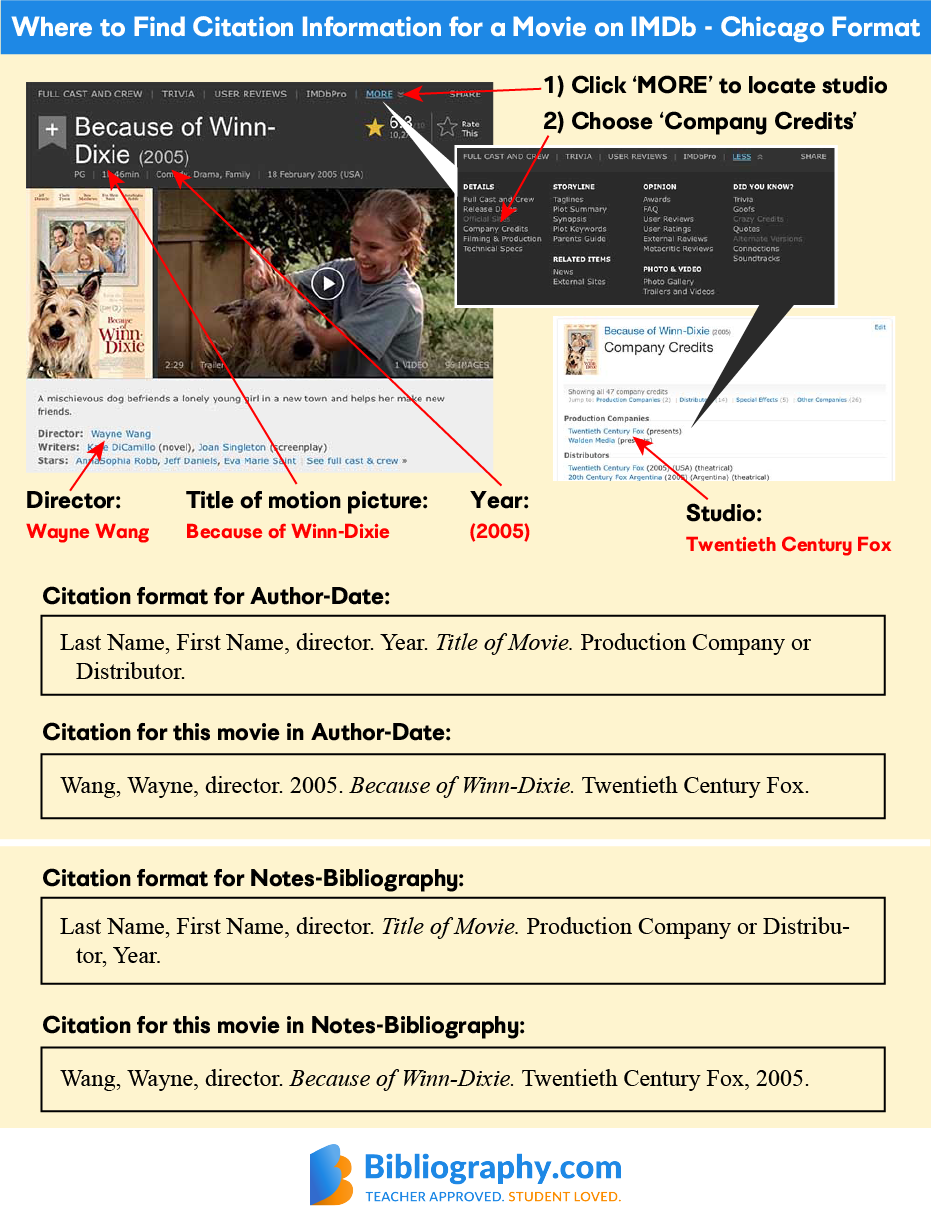
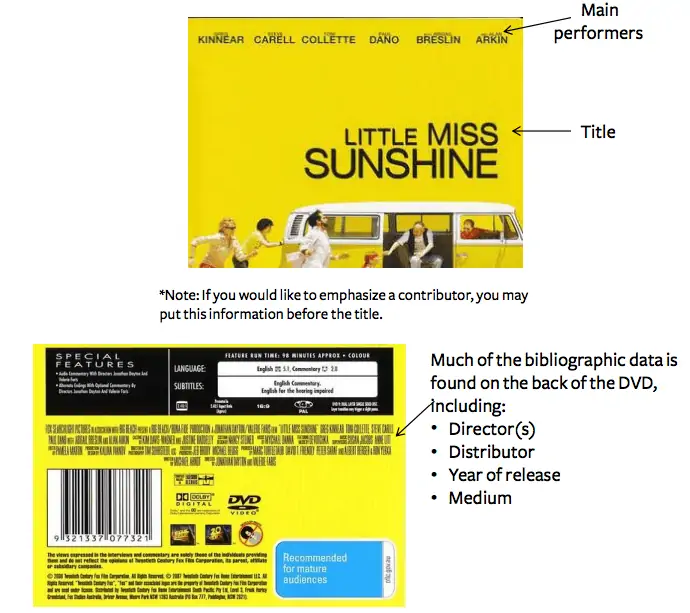
After immersing yourself in Chicago’s cinematic landscapes and experiences, the final step in this unique travel approach is to effectively “reference” these films in your own documentation of the journey. This means consciously integrating your film-inspired insights into your travel photos, journals, and shared stories, creating a narrative that is both personal and deeply connected to the city’s movie heritage.
When capturing photographs, don’t just take snapshots of landmarks; consciously frame your shots to “reference” specific film scenes. Stand where Ferris Bueller stood at the Art Institute, or attempt to capture the imposing scale of the Board of Trade Building as it appeared in The Dark Knight. Consider taking before-and-after photos by holding up a screenshot from a film against the real-life location. These visual “references” create a compelling dialogue between your experience and the cinematic past.
In your travel journal or blog, go beyond simply listing the places you visited. Reflect on how these locations resonated with the films you “referenced.” Describe the feeling of walking along Lower Wacker Drive and imagining a high-speed chase, or the nostalgia of seeing Wrigley Field in person after watching Ferris Bueller’s Day Off countless times. Explain why certain locations were pivotal in films and how that knowledge enriched your visit. By articulating these connections, you “reference” the films not just as cultural artifacts, but as integral components of your personal travel narrative.
When sharing your Chicago adventure on social media, use film titles or character names as hashtags to draw attention to your cinematic theme. Create short video clips that montage your experiences with iconic film moments. By doing so, you’re not just reporting on your trip; you’re crafting a story that “references” a broader cultural context, inviting others to explore Chicago through a similar cinematic lens. This active process of integrating film into your travel documentation elevates your journey from a collection of memories to a curated, insightful experience, demonstrating how “referencing” film can truly enrich and define your adventures in the magnificent city of Chicago.
LifeOutOfTheBox is a participant in the Amazon Services LLC Associates Program, an affiliate advertising program designed to provide a means for sites to earn advertising fees by advertising and linking to Amazon.com. Amazon, the Amazon logo, AmazonSupply, and the AmazonSupply logo are trademarks of Amazon.com, Inc. or its affiliates. As an Amazon Associate we earn affiliate commissions from qualifying purchases.