
Beyond the Snapshot: The Art of the Travel Footnote
In the vibrant world of travel writing, many narratives skim the surface, offering beautiful vistas and exciting experiences. Yet, the most memorable guides and stories are those that delve deeper, unearthing the subtle layers of history, culture, and local life that truly define a destination. This is where the concept of the “travel footnote” becomes invaluable. Far from a dry academic citation, a travel footnote is an insightful addendum, a crucial piece of context, or a captivating anecdote that elevates a narrative from a mere account to an immersive journey. It’s about providing the reader with a richer understanding, revealing the often-overlooked details that make a place unique.

Why Details Matter: Elevating Your Narrative
Travelers today seek authenticity and depth. They want to understand the soul of a place, not just its scenic highlights. By integrating “footnotes”—these carefully observed or researched details—you transform your writing into a resource that educates and inspires. Imagine reading about a stunning ancient ruin. A simple description is good, but a “footnote” detailing the specific type of stone used in its construction, its significance in local folklore, or an interesting anecdote about its discovery truly brings it to life. These meticulous additions differentiate a generic guide from an authoritative, engaging piece that resonates long after the initial read. They demonstrate a commitment to thoroughness, inviting readers to trust your expertise and embark on their own explorations with a deeper appreciation for their surroundings.
Identifying Footnote-Worthy Moments
The skill of writing compelling travel footnotes lies in the art of observation and research. Every journey offers countless opportunities for discovery. Footnote-worthy moments might include a particular architectural detail on a building, a unique culinary tradition observed in a local market, the untold story behind a public monument, or a fascinating piece of local slang. It could be the name of a lesser-known artist whose work adorns a cathedral, the specific spices used in a regional dish, or the historical origins of a seemingly modern festival. Training your eye to spot these nuances and your ear to catch the whispers of local life is paramount. Engage with locals, visit museums, read historical plaques, and spend time simply observing. These small details, when properly curated and presented, become the rich annotations that define a truly exceptional travel narrative.
Embracing the “Chicago Style” of Travel Storytelling
When we talk about “Chicago Style” in the context of travel writing, we’re not referring to a rigid academic citation format, but rather a philosophy of meticulousness, historical awareness, and structured storytelling inspired by the intellectual rigor often associated with the city of Chicago itself. This approach champions thorough research, clear organization, and a deep respect for the context that shapes a destination. It’s about building a narrative that is both engaging and factually robust, much like the precise detailing found in the city’s iconic architecture or the academic contributions from its renowned institutions.
Drawing Inspiration from the City of Chicago
Chicago is a city built on stories, from its dramatic rise from the ashes of the Great Fire to its pivotal role in jazz and blues music. Its architectural landscape is a testament to innovation and careful planning, with every skyscraper telling a tale of ambition and design. Walking the streets of Chicago, one is constantly reminded of the layers of history and culture that coexist. The meticulous attention to detail in the city’s public art, its meticulously planned parks like Millennium Park, and its world-class museums such as the Art Institute of Chicago provides a template for how to enrich a narrative. To adopt a “Chicago Style” in travel writing is to approach your subject with similar dedication—investigating its past, understanding its present nuances, and presenting it with clarity and precision, much like a seasoned architect designs a landmark building.
Principles of Meticulous Travel Documentation
A “Chicago Style” approach to travel documentation involves several key principles. Firstly, it emphasizes accuracy. Before sharing a historical fact or cultural insight, verify it. This might involve cross-referencing sources, consulting local experts, or visiting historical archives. Secondly, it values context. Every attraction, tradition, or culinary delight exists within a larger framework. Explain why something is significant, how it evolved, or what its role is in the local community. This deepens reader understanding and appreciation. Thirdly, it champions structured storytelling. Organize your “footnotes” logically, perhaps by theme, chronology, or proximity within a destination. This ensures that the added depth enhances, rather than overwhelms, the primary narrative. Finally, this style encourages a respectful and nuanced perspective, acknowledging complexities and avoiding generalizations, much like a good ethnographer carefully documents a culture.
Crafting Your Annotations: Integrating Depth into Your Guides
Once you’ve identified your “footnote” worthy details and embraced a meticulous “Chicago Style” approach, the next step is to seamlessly integrate these annotations into your travel guides and narratives. The goal is to enrich the reader’s experience without disrupting the flow of the main story. This involves thoughtful placement and compelling presentation, making sure each piece of supplementary information adds significant value.
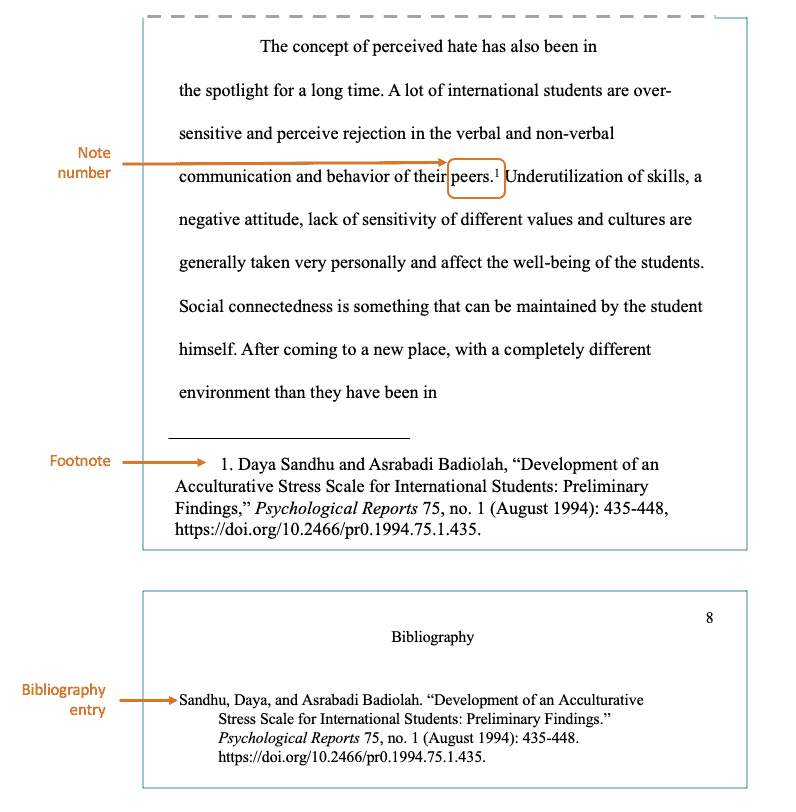
Historical Echoes and Cultural Nuances
Some of the most powerful travel footnotes are those that connect a destination’s present to its past. When describing an ancient ruin, a vibrant street market, or a local festival, integrate concise historical context. For instance, explaining the indigenous origins of a particular craft sold in a bazaar, or detailing the story of a colonial-era building’s transformation over time, breathes life into what might otherwise be a static description. Similarly, cultural nuances—like the etiquette surrounding a particular meal, the symbolism of colors in local dress, or the meaning behind a regional idiom—provide readers with invaluable insights into local customs. These footnotes help travelers not only see a place but truly understand its heritage and people.
Practical Insights and Local Secrets
Beyond history and culture, practical “footnotes” can be incredibly useful. These might include insider tips that only a deeply immersed traveler would know: the best time of day to visit a popular attraction to avoid crowds, the specific local bus route that offers scenic views, or a hidden eatery known only to residents. These are the details that empower readers to experience a destination like a local, saving them time, enhancing their enjoyment, and often leading them to authentic experiences off the beaten path. Think about the specific kind of currency preferred in certain markets, local bargaining customs, or essential phrases that go beyond basic greetings. These seemingly small pieces of information can dramatically improve a traveler’s journey.
The Seamless Integration of Information
The art of integrating these annotations lies in their presentation. Rather than lengthy digressions, aim for concise, engaging snippets. These can be presented as:
- Inline Notes: Short, parenthetical remarks or brief sentences woven directly into the main text.
- Sidebars or Call-out Boxes: For more extensive anecdotes or lists (e.g., “Top 5 Hidden Cafes,” “Historical Timeline of the Colosseum“).
- Captions: Rich, informative captions for images that extend beyond a simple description, offering historical or cultural context.
- Hyperlinks: In digital content, hyperlinks can lead to deeper dives on specific topics without cluttering the main article, allowing readers to explore at their own pace.
The key is to ensure that these “footnotes” feel like natural enhancements, providing valuable layers of information that invite deeper engagement rather than feeling like interruptions.
Techniques for Immersive Storytelling
To consistently produce travel “footnotes” in a “Chicago Style,” writers must develop specific techniques for gathering and presenting information. It’s about becoming a diligent researcher, a keen observer, and a compelling storyteller, all while maintaining the professional and insightful tone expected of a well-crafted travel guide.
Observational Journaling and Research
The foundation of any rich travel narrative is meticulous observation. Carry a notebook or use a digital tool to document everything: sights, sounds, smells, conversations, and even your own emotional responses. Jot down the specific name of a plant, the local term for a street vendor’s ware, or a fascinating piece of dialogue overheard. Supplement this with targeted research—delve into local history books, academic articles, interviews with cultural experts, or even old postcards and maps. Reliable sources like the National Geographic Society or local tourism boards can provide verified data. This dual approach of direct experience and scholarly inquiry ensures your “footnotes” are both authentic and accurate.
Visualizing Your Footnotes: Maps, Infographics, and Sidebars
Sometimes, a textual “footnote” isn’t the most effective way to convey complex information. Consider visual aids to enhance your storytelling.
- Annotated Maps: Highlight specific points of interest with historical notes or local tips directly on a map of Paris or Kyoto.
- Infographics: Use simple infographics to illustrate cultural processes (e.g., “How Sake is Made in Japan“) or to compare historical timelines.
- Photo Essays: A series of carefully captioned photos can tell a story of a hidden alley or a particular craft, acting as visual footnotes.
- Sidebars: Dedicated text boxes can present a “Did You Know?” fact, a local legend, or a glossary of regional terms. These break up long blocks of text and offer digestible, focused pieces of information, perfectly embodying the spirit of a comprehensive “Chicago Style” annotation.

The Power of Personal Reflection
While rooted in factual detail, the most engaging travel footnotes often incorporate a touch of personal reflection. How did this historical fact make you feel? What personal insight did you gain from observing a particular cultural ritual? This doesn’t mean making the piece solely about yourself, but rather using your perspective to connect with the reader on an emotional level. Sharing how a specific piece of information altered your understanding of a place or prompted a moment of introspection adds a layer of authenticity and relatability. It transforms the “footnote” from a dry fact into a shared discovery, inviting the reader to not just learn, but to feel, imagine, and truly experience the world through your carefully curated and meticulously presented narrative.
LifeOutOfTheBox is a participant in the Amazon Services LLC Associates Program, an affiliate advertising program designed to provide a means for sites to earn advertising fees by advertising and linking to Amazon.com. Amazon, the Amazon logo, AmazonSupply, and the AmazonSupply logo are trademarks of Amazon.com, Inc. or its affiliates. As an Amazon Associate we earn affiliate commissions from qualifying purchases.