
Chicago, often celebrated for its architectural grandeur, vibrant arts scene, and rich cultural tapestry, holds a complex reputation when it comes to safety. For anyone considering making the Windy City their home, the question “Is Chicago a safe place to live?” is a critical one, heavily influencing lifestyle decisions, from choosing a neighborhood to planning daily commutes. Like any major metropolitan area in the United States, Chicago presents a diverse safety landscape, where experiences can vary dramatically based on location, time of day, and individual awareness. Understanding this nuance is key to navigating the city effectively and embracing the abundant opportunities it offers for a fulfilling urban lifestyle.

Understanding Chicago’s Safety Landscape
The perception of safety in Chicago is often shaped by national headlines and sensationalized reports, which tend to focus on crime statistics without providing essential context. While it is undeniable that Chicago has faced significant challenges with violent crime, particularly in certain areas, painting the entire city with a broad brush ignores the realities of daily life for most residents.
Nuances of Urban Safety
Urban safety is rarely uniform. In Chicago, safety is largely neighborhood-dependent. Areas like the Loop, the Gold Coast, Lincoln Park, and River North, which are bustling with commerce, tourism, and residential developments, generally experience lower rates of violent crime and are considered very safe for daily living. These areas benefit from increased police presence, community patrols, and strong neighborhood associations that actively work to maintain safety and quality of life.
Conversely, some neighborhoods on the South and West Sides of Chicago have historically grappled with higher crime rates, largely due to socioeconomic factors, historical disinvestment, and systemic issues. These areas, while vital parts of the city’s fabric, are often the focus of negative media attention, contributing to a generalized, and often inaccurate, perception of danger for the entire city. For individuals considering living in Chicago, understanding this geographical disparity is paramount.
Public Perception vs. Reality
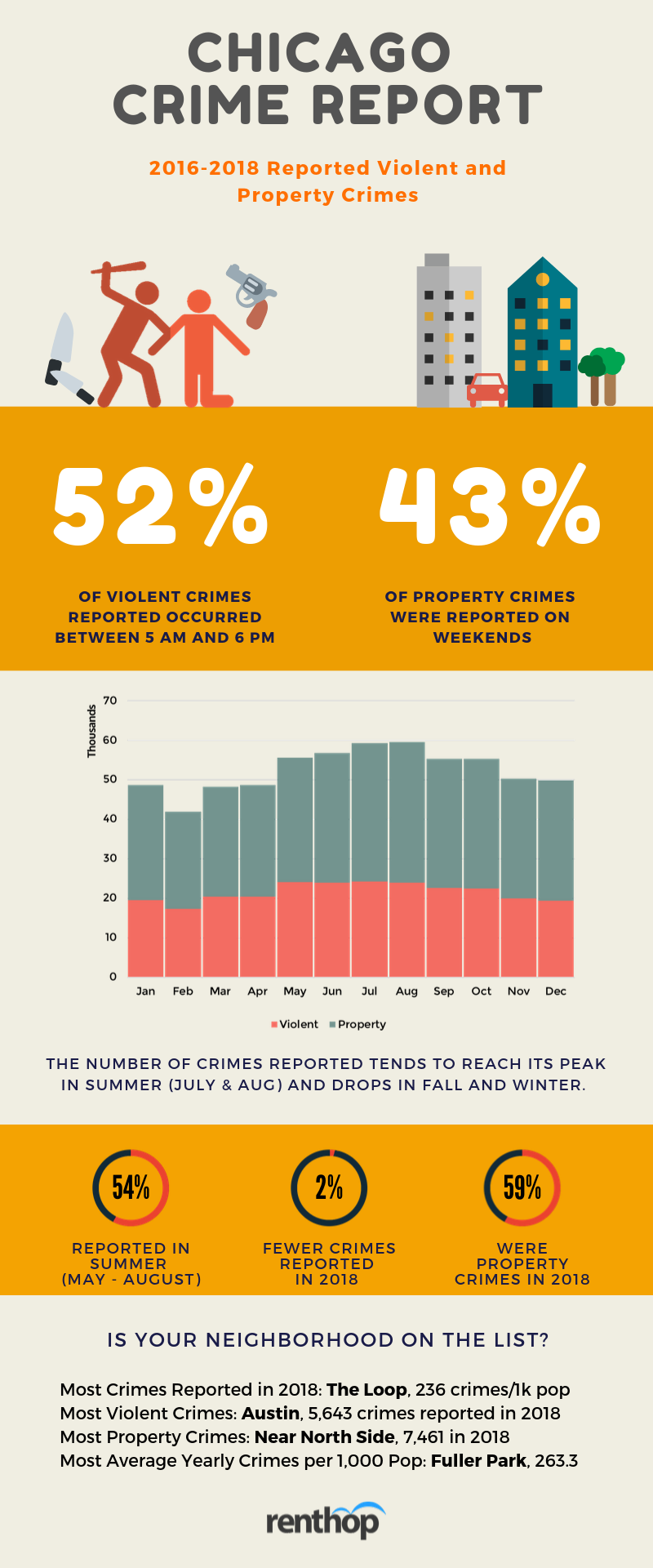
Public perception of Chicago’s safety often lags behind or exaggerates the statistical reality. While crime rates can fluctuate, data often shows that overall crime, including violent crime, has seen periods of decline or stabilization in many parts of the city over the past few years, despite occasional spikes. Property crimes, such as theft and burglaries, are more common and are a concern in virtually every urban environment, including Chicago.
The reality for most Chicago residents involves a comfortable and secure daily routine. Millions commute to work, enjoy the city’s parks and beaches, attend world-class events, and raise families without incident. The key to a safe lifestyle in Chicago, as in any major city, lies in being informed, aware of one’s surroundings, and making sensible choices about where and when to be in certain areas.
Key Factors Influencing Safety
When evaluating Chicago as a place to live, several factors directly influence the safety experience. These include hyper-local dynamics, crime trends, and the efforts of law enforcement and community organizations.
Neighborhood-Specific Dynamics
Choosing a neighborhood is perhaps the single most important decision impacting one’s safety and overall lifestyle in Chicago.
- Affluent & Densely Populated Areas: Neighborhoods like Lincoln Park, Lakeview, Wicker Park, River North, and the West Loop are known for their vibrant residential communities, diverse dining scenes, and generally low crime rates. These areas are popular with young professionals, families, and those seeking an active urban lifestyle, offering a robust sense of community and security.
- Student & Academic Hubs: Hyde Park, home to the University of Chicago, also maintains a strong community feel with dedicated security resources, making it relatively safe for residents and students, despite being on the South Side.
- Areas with Higher Crime Rates: Some neighborhoods, notably parts of Englewood, West Garfield Park, and Austin, experience significantly higher rates of violent crime. These areas are typically not targeted by individuals seeking to relocate for a typical urban professional or family lifestyle and are largely separate from the daily experiences of most Chicago residents and visitors.
Researching specific neighborhoods, visiting them at different times, and speaking with current residents are invaluable steps for anyone considering moving to Chicago.
Crime Statistics and Trends
Official crime statistics provided by the Chicago Police Department and the FBI are essential for an objective view. While headline figures for homicides can be alarming, it’s crucial to look at broader trends and context. Non-violent crimes, such as theft from vehicles or personal property theft, are more pervasive across all parts of the city. These types of crimes, while disruptive, rarely pose a direct threat to personal safety but require residents to adopt smart habits like not leaving valuables in plain sight or ensuring doors are locked. Recent trends often show overall reductions in various crime categories compared to historical peaks, signaling ongoing efforts and adaptations within the city’s safety framework.
Law Enforcement and Community Initiatives
The Chicago Police Department is one of the largest municipal police forces in the United States, actively working to combat crime through various strategies, including community policing initiatives, targeted interventions in high-crime areas, and technological advancements. Beyond official law enforcement, Chicago boasts a robust network of community organizations, neighborhood watch groups, and non-profits dedicated to improving safety and fostering positive community engagement. These grassroots efforts play a vital role in crime prevention, youth mentorship, and addressing underlying social issues that contribute to crime, ultimately enhancing the lifestyle quality for residents.
Everyday Living: Practical Safety Tips for Residents
Living safely in Chicago, as in any major city, involves adopting a mindset of awareness and taking practical precautions. These tips can significantly enhance one’s personal security and peace of mind.
Navigating Public Transport
Chicago’s public transit system, operated by the CTA (Chicago Transit Authority), is generally safe and efficient for daily commutes to work or leisure activities. However, like any crowded environment, it’s wise to remain vigilant.
- Be Aware of Your Belongings: Keep bags secured and avoid openly displaying expensive electronics.
- Travel in Well-Lit Areas: When waiting at bus stops or train platforms, choose well-lit areas, especially at night.
- Utilize Ride-Sharing Wisely: When using ride-sharing services, always verify the driver and vehicle information matches what is displayed in the app before entering.
Awareness in Public Spaces
Chicago’s many attractions, from Millennium Park to the Mag Mile, are generally safe, but common-sense precautions are advisable.
- Stay Alert: Avoid being overly distracted by your phone or headphones, especially in crowded areas or when walking alone at night.
- Travel in Groups: When possible, especially late at night, traveling with companions adds an extra layer of safety.
- Trust Your Instincts: If a situation or area feels unsafe, it’s always best to remove yourself from it.
Securing Your Home
Regardless of the neighborhood, home security is a personal responsibility.
- Lock Doors and Windows: Even if you’re just stepping out for a moment, ensure all entry points are secured.
- Consider Security Systems: Alarm systems, smart locks, and doorbell cameras can deter potential intruders and provide peace of mind.
- Be Discretionary with Information: Avoid sharing details about your routine or absences on social media.
Chicago Lifestyle: Balancing Vibrancy with Vigilance
Ultimately, living in Chicago is about striking a balance between embracing its dynamic lifestyle and maintaining a sensible level of vigilance. The city offers an unparalleled array of experiences that enrich daily life, from world-class dining and entertainment to beautiful lakefront parks and diverse cultural institutions.
Cultural Attractions and Social Life
For those who prioritize a rich social and cultural life, Chicago delivers. Residents enjoy easy access to renowned museums, theaters, live music venues, and an exciting culinary scene. Safety in these areas is generally high, with large crowds often providing a natural deterrent to crime. Participating in the city’s vibrant social fabric is a core part of the Chicago lifestyle, and with basic awareness, it can be enjoyed without undue worry.
Family Life and Education
Many neighborhoods in Chicago are highly desirable for families, offering excellent schools, parks, and community programs. Areas like Lincoln Park, Lakeview, and Andersonville are known for their family-friendly environments and strong community bonds. The decision to raise a family in Chicago often involves careful consideration of school districts and neighborhood amenities, with safety being a primary factor that many find satisfactorily met in these areas.

Economic Opportunities
Chicago is a major economic hub, with diverse industries spanning finance, technology, healthcare, and manufacturing. The job market and entrepreneurial landscape offer significant opportunities for professionals and businesses. Commuting within the city, even to the bustling Loop or River North business districts, is generally safe for the millions of people who do it daily. The economic vitality directly contributes to the city’s overall appeal as a place to live, work, and build a career.
In conclusion, for those considering making Chicago their home, the answer to whether it’s safe is nuanced. While challenges exist, particularly in specific geographic pockets, the vast majority of Chicago offers a safe and rewarding urban lifestyle. By choosing a suitable neighborhood, staying informed, and practicing common-sense safety precautions, residents can confidently enjoy all that this remarkable city in Illinois has to offer.
LifeOutOfTheBox is a participant in the Amazon Services LLC Associates Program, an affiliate advertising program designed to provide a means for sites to earn advertising fees by advertising and linking to Amazon.com. Amazon, the Amazon logo, AmazonSupply, and the AmazonSupply logo are trademarks of Amazon.com, Inc. or its affiliates. As an Amazon Associate we earn affiliate commissions from qualifying purchases.