
For travelers planning a visit to Chicago, understanding the local allergen landscape is as crucial as checking the weather forecast. This vibrant Illinois city, known for its stunning architecture, world-class museums, and diverse culinary scene, can also present unique challenges for individuals sensitive to environmental triggers. Being prepared and informed allows visitors to fully immerse themselves in the Windy City experience without succumbing to allergy discomfort.
Understanding Chicago’s Unique Allergen Profile
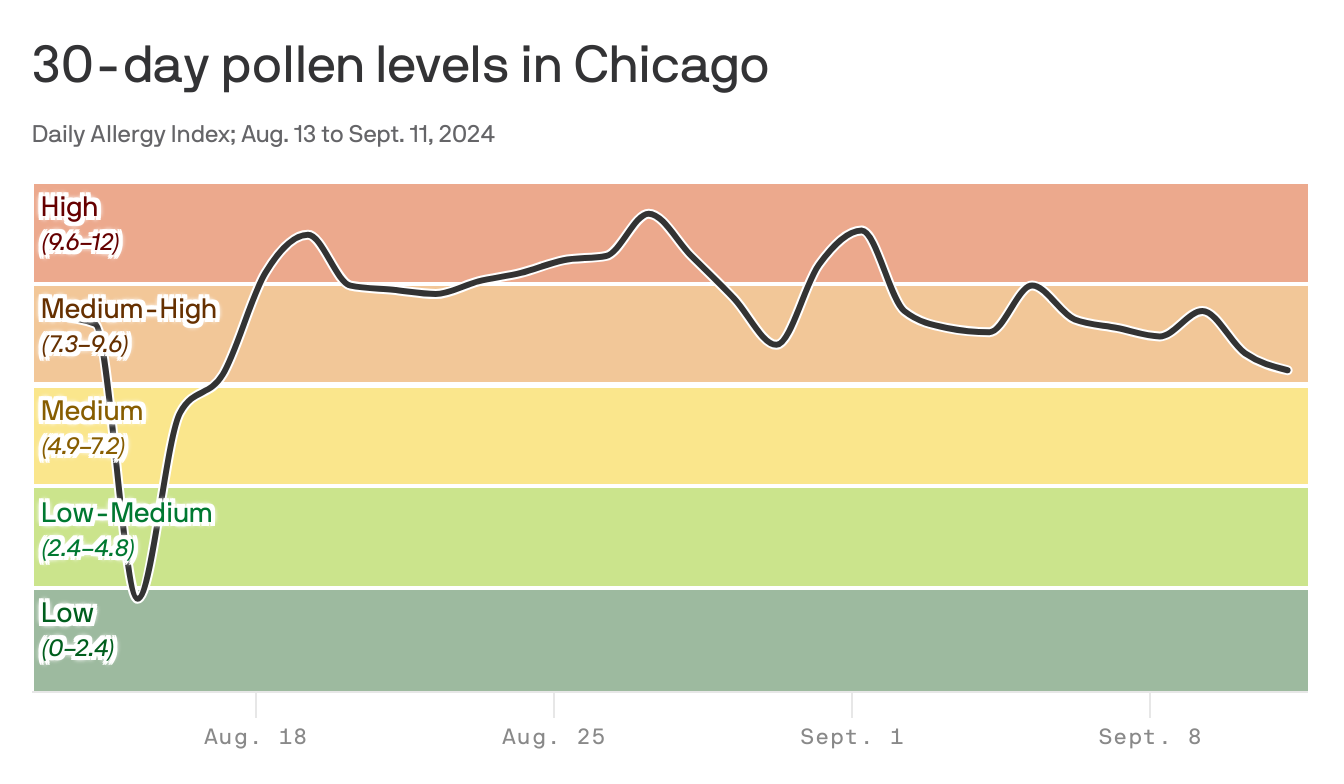
Chicago’s location in the Midwest, coupled with its distinct seasons and a mix of urban and green spaces, contributes to a fluctuating and often intense allergen environment. Knowing what to expect during different times of the year and specific local conditions is key for any allergy-prone tourist.
Seasonal Triggers: Spring, Summer, Fall
The allergen season in Chicago can be broadly categorized by its seasonal pollen culprits:
- Spring (March-May): This is typically when tree pollen dominates. Common culprits in Chicago include oak, maple, birch, and elm. As temperatures rise and trees bud, pollen counts can soar, leading to classic hay fever symptoms like sneezing, itchy eyes, and nasal congestion. The proximity to Lake Michigan can sometimes affect pollen distribution, with lake breezes occasionally carrying pollen further inland or concentrating it in certain areas.
- Summer (June-August): As tree pollen subsides, grass pollen takes over, peaking from late spring through early summer. Timothy, orchard, and Bermuda grasses are prevalent in Chicago’s parks and surrounding areas. Towards late summer, weed pollen begins to emerge, with ragweed being the most notorious offender. Ragweed season typically starts in August and continues well into the fall, presenting a significant challenge for many allergy sufferers.
- Fall (September-November): Ragweed pollen remains high through early fall, often until the first hard frost. Additionally, mold spores can become a major issue during the fall, especially after wet periods and as fallen leaves decompose. Damp conditions near Lake Michigan or within older buildings can exacerbate mold problems.
Urban Allergens: Beyond Pollen
While pollen is a primary concern, Chicago’s urban setting introduces other allergen considerations:
- Air Pollution: As a major metropolitan area, Chicago experiences varying levels of air pollution. Particulates from vehicle exhaust, industrial emissions, and even wildfire smoke (carried from distant regions) can act as irritants, intensifying allergy and asthma symptoms even when pollen counts are moderate. These fine particles can penetrate deep into the respiratory system, exacerbating inflammation caused by other allergens.
- Dust Mites: These microscopic creatures thrive in humid environments and are a year-round indoor allergen. Hotels, older buildings, and even public transportation can harbor dust mites, particularly in carpets, upholstery, and bedding. Travelers staying in accommodations with carpeting or older furnishings should be mindful of this.
- Mold Spores: Beyond seasonal outdoor mold, indoor mold can be a concern in some Chicago establishments, particularly in basements, bathrooms, or buildings with water damage. Humidity levels, especially during summer, can encourage indoor mold growth.
- Pet Dander: While less widespread, pet dander can be an issue for those visiting pet-friendly establishments, including certain hotels, cafes, or homes. Even if pets are not present during a visit, dander can linger in upholstery and carpets.
Preparing for Your Visit: Essential Tips for Allergy Sufferers
A successful trip to Chicago for someone with allergies starts with proactive preparation. A little foresight can make a significant difference in your comfort and enjoyment.
Monitoring Local Allergen Forecasts
Before and during your trip, make it a habit to check Chicago’s specific allergen forecasts. Many reliable sources provide daily pollen and mold spore counts. Websites like Pollen.com or weather apps such as AccuWeather often include a dedicated allergy index. The National Allergy Bureau also provides certified pollen and mold counts. Being aware of projected high-allergen days allows you to adjust your itinerary, perhaps opting for indoor activities on days with severe outdoor pollen.
Packing Smart: Medications and Supplies
This is perhaps the most critical step. Always carry an adequate supply of your prescribed allergy medications, including antihistamines, nasal sprays, and eye drops. Do not rely on purchasing them upon arrival, as your preferred brands or dosages may not be readily available. Consider packing:
- Prescription medications: Ensure you have enough for your entire trip, plus a few extra days in case of delays.
- Over-the-counter allergy relief: Antihistamines (non-drowsy options are best for sightseeing), decongestants, and saline nasal sprays.
- Emergency auto-injector (e.g., EpiPen): If you have severe allergies or a history of anaphylaxis, always carry two.
- Face masks: A good quality N95 or KN95 mask can filter out pollen and other airborne irritants, especially useful for outdoor excursions on high-pollen days or navigating crowded public transport.
- Hand sanitizer: To reduce contact with allergens and irritants.
- Travel-size air purifier: For your hotel room, if you are particularly sensitive to dust mites or mold.
Choosing Allergy-Friendly Activities
When planning your Chicago itinerary, keep your allergies in mind. On days with high outdoor pollen counts, prioritize indoor attractions. Conversely, on low-pollen days, you can more comfortably explore Chicago’s beautiful parks and outdoor spaces. Seek out establishments that emphasize cleanliness and good ventilation. If food allergies are a concern, research restaurants in advance to ensure they can accommodate your dietary needs.
Navigating Chicago’s Attractions with Allergies
Chicago offers an incredible array of attractions. With a few strategic considerations, allergy sufferers can enjoy them all.
Outdoor Parks and Green Spaces
Chicago boasts numerous iconic parks, such as Millennium Park, Lincoln Park Zoo, and Grant Park. These are fantastic for enjoying the city’s urban greenery, public art, and lakeside views. However, they are also prime locations for pollen exposure.
- Strategy: On high-pollen days, limit time in heavily vegetated areas, especially during peak pollen release (usually morning to midday). Wear sunglasses to protect eyes from airborne allergens, and consider wearing a hat. Shower and change clothes immediately after returning to your accommodation to remove pollen. Opt for paved paths over grassy areas when possible.
- Consideration: The Garfield Park Conservatory, while indoors, houses a vast collection of plants. Individuals with plant-specific allergies might still experience symptoms, so it’s wise to assess your sensitivity before a long visit.
Indoor Museums and Cultural Sites
Chicago is home to world-renowned institutions like the Art Institute of Chicago, the Field Museum, and the Shedd Aquarium. These offer excellent allergy-friendly alternatives on days when outdoor allergens are high.
- Strategy: While indoors, dust mites and mold can still be an issue, particularly in older buildings. Many modern museums have excellent HVAC systems with good filtration. However, if you are sensitive, a mask can still offer protection in crowded spaces. If visiting older museums, be mindful of potential musty smells which could indicate mold.
- Consideration: Navy Pier offers a mix of indoor and outdoor activities. The indoor sections (like shops and restaurants) are generally fine, but time spent on the outdoor pier itself will expose you to ambient pollen and lake breezes, which can carry allergens.
Dining Out Safely in the Windy City
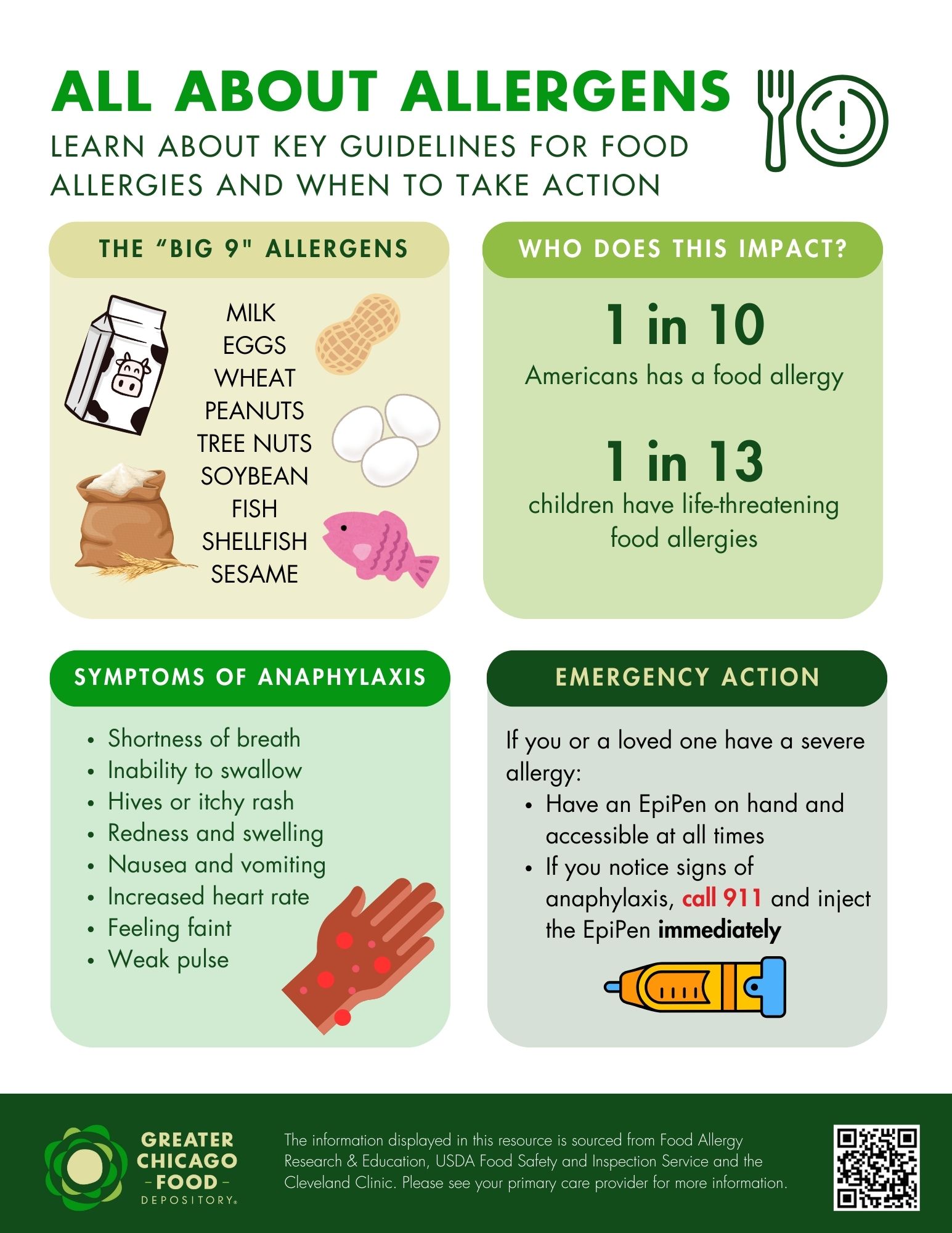
Chicago’s culinary scene is unparalleled, from deep-dish pizza to Michelin-starred restaurants. If you have food allergies, clear communication is paramount.
- Strategy: Research restaurants in advance, especially those in popular areas like the Magnificent Mile, River North, or Wrigleyville. Call ahead to discuss your allergies with the staff. Upon arrival, inform your server immediately and clearly state your dietary restrictions. Carry a chef card if your allergies are complex or severe. Many establishments in diverse neighborhoods like Chinatown are accustomed to specific dietary requests.
- Consideration: Be wary of cross-contamination, especially in busy kitchens. Opt for establishments that appear less crowded or have open kitchens where you can observe preparation.
Post-Exposure Management and Local Resources
Even with the best preparation, unexpected allergen exposure can occur. Knowing how to react and where to find help is crucial for visitor peace of mind.
Seeking Medical Assistance if Needed
For minor reactions, your packed medications should suffice. However, if symptoms are severe, persistent, or worsening, do not hesitate to seek medical attention. Chicago has a robust healthcare system with numerous walk-in clinics, urgent care centers, and world-class hospitals. Keep a list of local urgent care facilities near your accommodation. In an emergency, dial 911 for immediate assistance. Always carry a list of your allergies and current medications with you.

Clearing the Air: Hotel Room Strategies
Your hotel room should be a sanctuary from allergens. Upon arrival, take a few steps to minimize indoor triggers:
- Ventilation: If possible, open windows for a short period to air out the room, but only on days with low outdoor allergen counts. Otherwise, keep windows closed and rely on the hotel’s HVAC system.
- Air Filtration: Inquire if your hotel offers allergy-friendly rooms with HEPA air filters or provides portable air purifiers. Some hotels may have hypoallergenic bedding available upon request.
- Cleanliness: If you notice any signs of dust or mold, politely request a thorough cleaning or a room change.
- Personal Hygiene: Shower before bed to wash off any pollen collected during the day from your hair and skin. Keep dirty outdoor clothes separated from clean items.
By taking these proactive measures and staying informed, allergy sufferers can confidently explore all the incredible experiences Chicago has to offer, making their trip memorable for all the right reasons.
LifeOutOfTheBox is a participant in the Amazon Services LLC Associates Program, an affiliate advertising program designed to provide a means for sites to earn advertising fees by advertising and linking to Amazon.com. Amazon, the Amazon logo, AmazonSupply, and the AmazonSupply logo are trademarks of Amazon.com, Inc. or its affiliates. As an Amazon Associate we earn affiliate commissions from qualifying purchases.