
Chicago, a city renowned for its stunning architecture, world-class museums, vibrant arts scene, and incredible culinary offerings, is a magnetic destination for travelers from across the globe. Like any major metropolitan area, however, visitors often have questions about safety and which areas might require more caution. Understanding the urban landscape and taking sensible precautions are key to enjoying all that the Windy City has to offer. Rather than pinpointing “dangerous parts,” it’s more accurate and helpful for travelers to understand general safety principles and the character of different neighborhoods. The vast majority of Chicago’s popular tourist destinations are in areas that are very safe and well-patrolled.

Understanding Urban Safety for Travelers
Traveling to any large city inherently comes with a certain level of awareness required, and Chicago is no exception. While crime statistics can sometimes paint a broad picture, it’s crucial for travelers to understand that crime is often highly localized and doesn’t define an entire city. Most incidents, particularly those involving violent crime, occur in specific areas and often among individuals known to each other, rarely targeting random tourists in popular areas.
Nuance Over Alarmism
Headlines can sometimes sensationalize crime rates, leading to misconceptions about entire cities. For a traveler, distinguishing between areas of concern and those that are bustling, safe, and welcoming is vital. Chicago is a sprawling metropolis of diverse neighborhoods, each with its own character, demographics, and safety profile. The areas where tourists typically spend their time—the downtown Loop, the Magnificent Mile, River North, and parts of the North Side—are generally considered very safe, with a strong police presence and a focus on visitor experience.
Common Sense is Your Best Guide
Basic travel safety applies universally: remain aware of your surroundings, secure your valuables, avoid walking alone in poorly lit or unfamiliar areas at night, and trust your instincts. These precautions are more effective than obsessing over specific “dangerous parts.” Most travelers to Chicago experience safe and memorable visits.
Navigating Chicago’s Neighborhoods: A Safety Perspective
To provide a practical guide for travelers, it’s more useful to highlight areas generally considered safe for visitors and provide context on areas that might warrant extra vigilance or are simply not part of a typical tourist itinerary.
Generally Safe Tourist Areas
The heart of Chicago’s tourist activity is concentrated in areas known for their low crime rates and high visitor traffic. These include:
- The Loop and Downtown: Home to iconic landmarks like Millennium Park, the Art Institute of Chicago, and many theaters, the Loop is bustling during the day and relatively safe into the evening, especially around major attractions and public transit hubs.
- Magnificent Mile and River North: These areas are known for luxury shopping, fine dining, and lively nightlife. They are heavily populated by tourists and residents, well-lit, and generally very safe, even at night, thanks to a constant flow of people and police presence.
- North Side Neighborhoods: Areas like Lincoln Park, Lakeview, and Wrigleyville (home to Wrigley Field) are affluent, residential, and popular for their parks, dining, and vibrant community feel. They are considered very safe, though caution should always be exercised late at night, especially after sporting events or concerts when crowds can be large.
- Museum Campus Area: This beautiful lakeside district, home to the Field Museum, Shedd Aquarium, and Adler Planetarium, is a prime tourist spot and very safe during operating hours.
- Hyde Park: Home to the University of Chicago and the Museum of Science and Industry, this South Side neighborhood is generally safe, particularly during the day, due to university security and local patrols.
Areas Requiring More Awareness or Generally Avoided by Tourists
While it’s inaccurate to label entire areas as “dangerous,” certain neighborhoods in Chicago, particularly on the far South and West Sides, have historically experienced higher rates of crime, including violent crime. These areas are typically residential, far from tourist attractions, and are not places visitors would typically find themselves unless they have a very specific reason to be there (e.g., visiting family or friends).
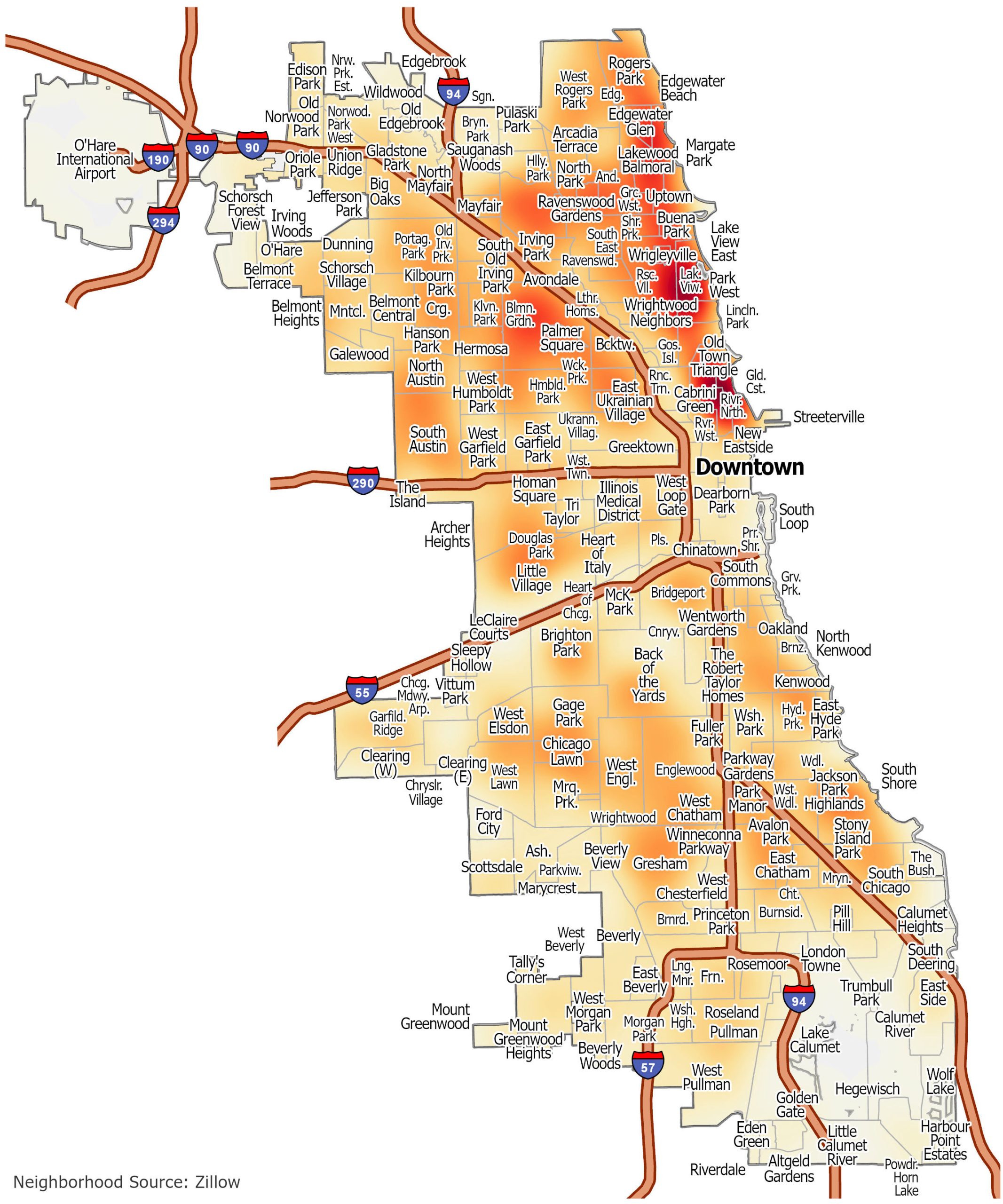
- Parts of the West Side (e.g., Austin, North Lawndale): These neighborhoods have faced significant socioeconomic challenges and have higher crime rates. They are not tourist destinations.
- Parts of the South Side (e.g., Englewood, West Englewood, Gresham): Similar to parts of the West Side, these areas have higher crime rates and are not frequented by tourists.
Travelers are highly unlikely to stumble into these neighborhoods by accident, as they are not served by direct public transit routes from downtown to tourist spots and are geographically distinct. If you are using ride-sharing services, ensure your destination is clearly marked within a known safe area.
Essential Safety Tips for Travelers in Chicago
Regardless of where you are in Chicago, or any major city, adopting smart travel habits can significantly enhance your safety and overall experience.
Prioritize Situational Awareness
- Stay Alert: Be mindful of your surroundings, especially in crowded areas like train stations, bus stops, and popular attractions. Pickpocketing can occur in such environments.
- Limit Distractions: Avoid walking while engrossed in your phone, wearing headphones that block out ambient noise, or openly displaying large amounts of cash or expensive jewelry.
Safeguard Your Valuables
- Secure Possessions: Keep wallets in front pockets, use cross-body bags or backpacks that are difficult to snatch, and never leave your phone or wallet unattended.
- Hotel Safety: Utilize hotel safes for passports, extra cash, and other important documents.
Public Transportation Etiquette
- Use Reputable Transit: Chicago’s CTA (trains and buses) is generally safe, especially during the day and peak hours. At night, stick to crowded stations and well-lit stops.
- Ride-Sharing and Taxis: Use licensed taxis or reputable ride-sharing apps (Uber, Lyft). Always verify the driver and vehicle before entering.
Nighttime Considerations
- Travel in Groups: When out at night, especially after dark, try to travel with companions.
- Well-Lit Routes: Stick to main streets and well-lit areas. Avoid shortcuts through parks or alleyways.
- Limit Alcohol Consumption: Being overly intoxicated can make you an easier target for opportunistic crime.
Trust Your Instincts
- If Something Feels Off, Leave: If a situation or an area makes you feel uncomfortable, remove yourself. Your intuition is a powerful safety tool.
- Ask for Directions Wisely: If you need directions, ask police officers, hotel staff, or clearly identifiable store employees. Avoid asking strangers who appear to be loitering.

Enjoying the Vibrancy of Chicago
Chicago is an incredibly dynamic and welcoming city that offers an unparalleled travel experience. From architectural boat tours along the Chicago River to exploring diverse culinary neighborhoods, the opportunities for adventure are endless. By focusing on general urban safety practices and understanding the layout of the city’s neighborhoods, travelers can confidently explore and enjoy the vast majority of attractions Chicago has to offer. The city’s primary tourist areas are diligently maintained and highly secure, ensuring that your visit is not only memorable but also safe. Plan your itinerary, embrace the local culture, and embark on an unforgettable journey through one of America’s greatest cities.
LifeOutOfTheBox is a participant in the Amazon Services LLC Associates Program, an affiliate advertising program designed to provide a means for sites to earn advertising fees by advertising and linking to Amazon.com. Amazon, the Amazon logo, AmazonSupply, and the AmazonSupply logo are trademarks of Amazon.com, Inc. or its affiliates. As an Amazon Associate we earn affiliate commissions from qualifying purchases.