
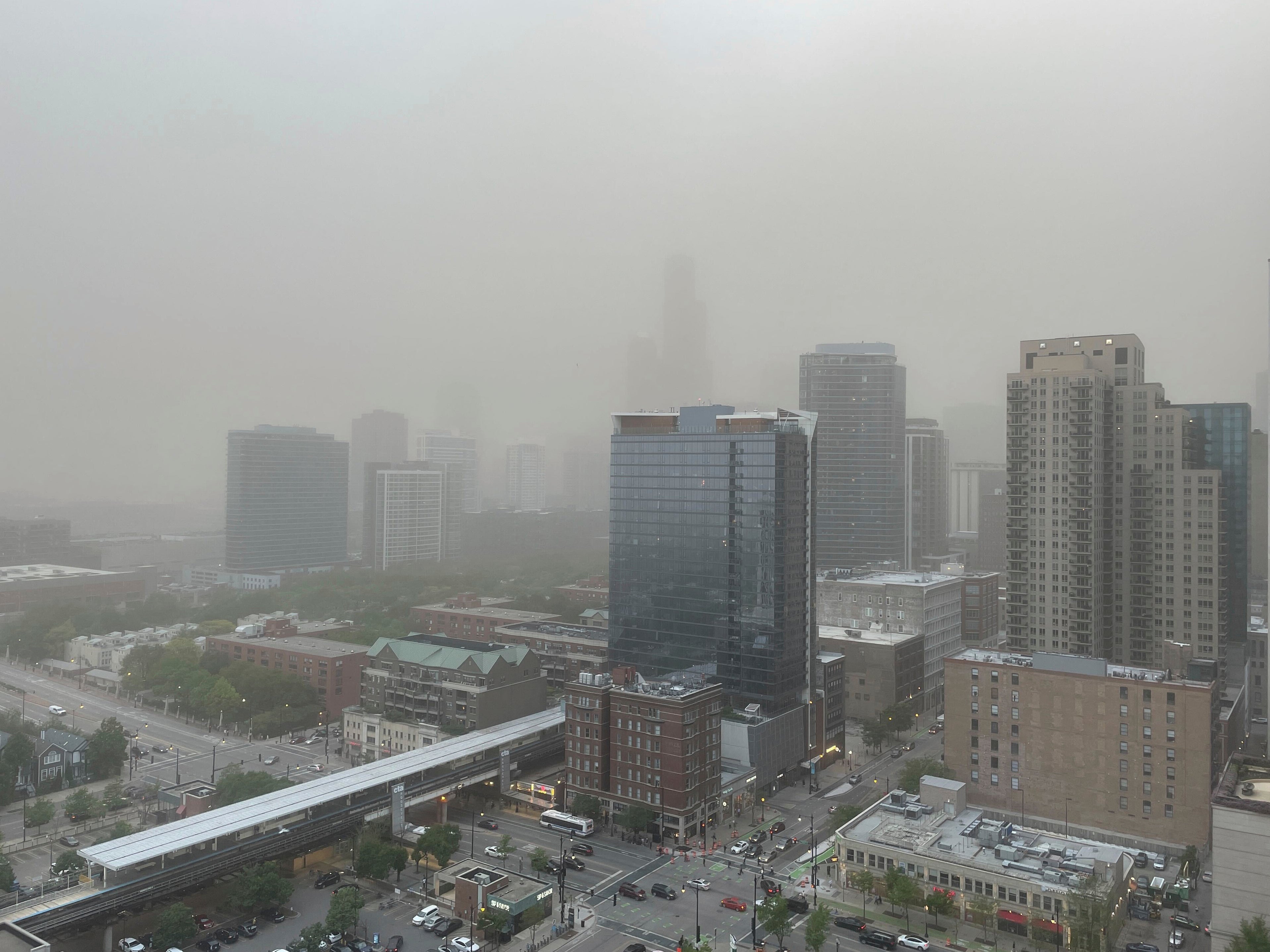
Chicago, a city celebrated for its iconic architecture, vibrant culture, and stunning lakeside views, occasionally finds itself in the grip of unexpected natural phenomena. One such event, the dust storm, might seem more at home in an arid desert than amidst the verdant landscapes of the Midwest. Yet, understanding the causes of such an occurrence in the Windy City reveals a complex interplay of environmental factors, land use, and meteorological conditions that are deeply rooted in the region’s natural history and ecological footprint. This examination not only clarifies the science behind these dramatic events but also underscores how powerful natural forces can profoundly interact with an urbanized landscape, impacting everything from visibility near the Willis Tower to air quality along Lake Michigan.
The Ecological Foundation: Illinois‘s Agricultural Heartland
To comprehend a dust storm in Chicago, one must first look beyond the city limits to the vast agricultural expanses of Illinois and the surrounding Midwest. This region, historically covered by tallgrass prairies, boasted deep, rich topsoil held firmly in place by extensive root systems. The transformation of this natural grassland into one of the most productive agricultural belts in the world is the primary ecological precursor to dust events.
From Prairie to Plow: Land Use and Soil Vulnerability
Centuries ago, the deep, fibrous root systems of native prairie grasses formed an impenetrable mat that anchored the fertile black soil, even during periods of drought and strong winds. With European settlement, however, came the widespread conversion of these prairies into farmland. The invention of the steel plow in the 19th century by John Deere revolutionized agriculture, allowing farmers to cultivate the tough prairie sod. While this led to unprecedented agricultural output, it fundamentally altered the natural landscape.
Modern farming practices, particularly those involving extensive tillage, expose vast stretches of bare soil, especially after harvest or before planting. When fields are left without a protective crop cover, the finely tilled soil, rich in organic matter but loose, becomes highly susceptible to wind erosion. The removal of natural windbreaks, such as trees and hedgerows, further exacerbates this vulnerability, allowing winds to sweep unobstructed across hundreds of miles of open land. This ecological transformation means that the stage for a dust storm is often set long before specific weather conditions conspire to trigger one. The very agricultural prowess that feeds the nation also creates the environmental conditions ripe for soil mobilization.
Meteorological Triggers: The Midwest Weather Machine
While exposed soil is a necessary ingredient, it’s the specific meteorological conditions that act as the catalyst for dust storms. These events are not random occurrences but rather the product of particular atmospheric dynamics common to the Midwest.
The Role of Strong Winds and Dry Conditions
The immediate cause of any dust storm is high-velocity winds. In the Midwest, particularly during transitional seasons like spring and fall, powerful frontal systems can sweep across the relatively flat landscape. These systems are often accompanied by strong cold fronts or intense low-pressure systems that generate significant wind gusts. Wind speeds exceeding 25-30 miles per hour are typically sufficient to lift loose, dry soil particles into the atmosphere.
Coupled with strong winds, dry conditions are paramount. Extended periods of drought or even just a few weeks without significant rainfall can desiccate the topsoil, turning it into fine, powdery particles easily lofted by the wind. A specific type of weather phenomenon, often associated with dust storms, is the “dry microburst” or “outflow boundary” from distant thunderstorms. Even if there’s no rain in Chicago itself, strong downdrafts from a collapsing thunderstorm miles away can create an advancing wall of wind, kicking up dust as it travels.

For recent dust storms affecting Chicago, such as those that have impacted major roadways, the scenario often involves:
- A Prolonged Dry Spell: Reducing moisture content in agricultural fields.
- Recent Tillage: Leaving fields bare and soil loose following planting or harvesting.
- A Powerful Weather System: A strong cold front or pressure gradient generating sustained high winds and sudden gusts.
- The Funneling Effect: The relative flatness of the Great Plains and Illinois allows these winds to travel long distances, picking up particulate matter before reaching the urban environment of Chicago.
The combination of these factors creates the perfect recipe for dust storms, transforming benign agricultural land into a source of atmospheric particulate matter. The National Weather Service often issues “Dust Advisories” when these conditions align, particularly for areas downwind of susceptible agricultural zones.
The Urban Impact: Dust Storms and Chicago’s Landmarks
While the genesis of a dust storm lies in rural landscapes and atmospheric dynamics, its arrival in Chicago has tangible impacts on its urban environment, infrastructure, and the experience of its iconic landmarks.
Visibility and Public Safety
The most immediate and dramatic effect of a dust storm in an urban setting is a drastic reduction in visibility. As millions of fine soil particles become suspended in the air, the cityscape can be obscured. Famous vistas, such as the panoramic views from the Willis Tower Skydeck or the architectural masterpieces along the Chicago River, become hazy or entirely vanish. This reduced visibility poses significant safety hazards, particularly for transportation. Major arteries like Interstate 55 or Interstate 74, leading into and out of the city, can experience near white-out conditions, leading to multi-vehicle accidents. Air travel can also be affected, with delays or diversions at O’Hare International Airport due to poor visibility.
Beyond visibility, dust storms introduce considerable amounts of particulate matter into the air, impacting air quality. These fine particles can penetrate deep into the lungs, posing health risks, particularly for individuals with respiratory conditions. Authorities often issue air quality alerts during such events, advising residents to limit outdoor activities. This means popular outdoor landmarks like Millennium Park, home to Cloud Gate, or the bustling Magnificent Mile, might see reduced public engagement.
Maintenance and Environmental Considerations
While not as dramatic as immediate safety concerns, the environmental fallout of a dust storm requires attention. The fine dust settles on everything – buildings, vehicles, public art, and green spaces. This necessitates extensive cleaning and maintenance efforts for city infrastructure and the preservation of historic landmarks. Imagine the intricate facades of the Art Institute of Chicago or the glass towers reflecting Lake Michigan covered in a fine layer of prairie soil.
Furthermore, these events serve as a stark reminder of the interconnectedness of natural and urban environments. The dust, originating from cultivated fields, carries with it not only soil particles but potentially also agricultural chemicals, which can then settle into the urban ecosystem, waterways, and eventually Lake Michigan – a vital source of drinking water. This highlights the ongoing challenge of balancing agricultural productivity with environmental sustainability and urban resilience.

Historical Context and Future Preparedness
Dust storms are not entirely new to the Midwest. While the infamous Dust Bowl of the 1930s was largely concentrated in the Great Plains, it demonstrated the devastating potential of prolonged drought and unsustainable farming practices. Although modern Illinois dust storms are generally localized and less severe, they serve as potent reminders of the natural forces at play.
Understanding the causes of dust storms in Chicago is crucial for both historical context and future preparedness. Efforts to mitigate soil erosion, such as no-till farming, cover cropping, and the re-establishment of windbreaks, are vital in reducing the likelihood and intensity of these events. For city residents and visitors, knowing the conditions that lead to dust storms helps in planning and ensuring safety. Whether admiring the skyline from Navy Pier or navigating the city’s bustling streets, an awareness of these natural phenomena underscores the dynamic relationship between Chicago’s built environment and the vast natural landscapes that surround it. The occasional dust storm is a compelling illustration that even in a highly developed urban center, the echoes of the prairie and the power of nature remain a tangible, if sometimes dramatic, presence.
LifeOutOfTheBox is a participant in the Amazon Services LLC Associates Program, an affiliate advertising program designed to provide a means for sites to earn advertising fees by advertising and linking to Amazon.com. Amazon, the Amazon logo, AmazonSupply, and the AmazonSupply logo are trademarks of Amazon.com, Inc. or its affiliates. As an Amazon Associate we earn affiliate commissions from qualifying purchases.