
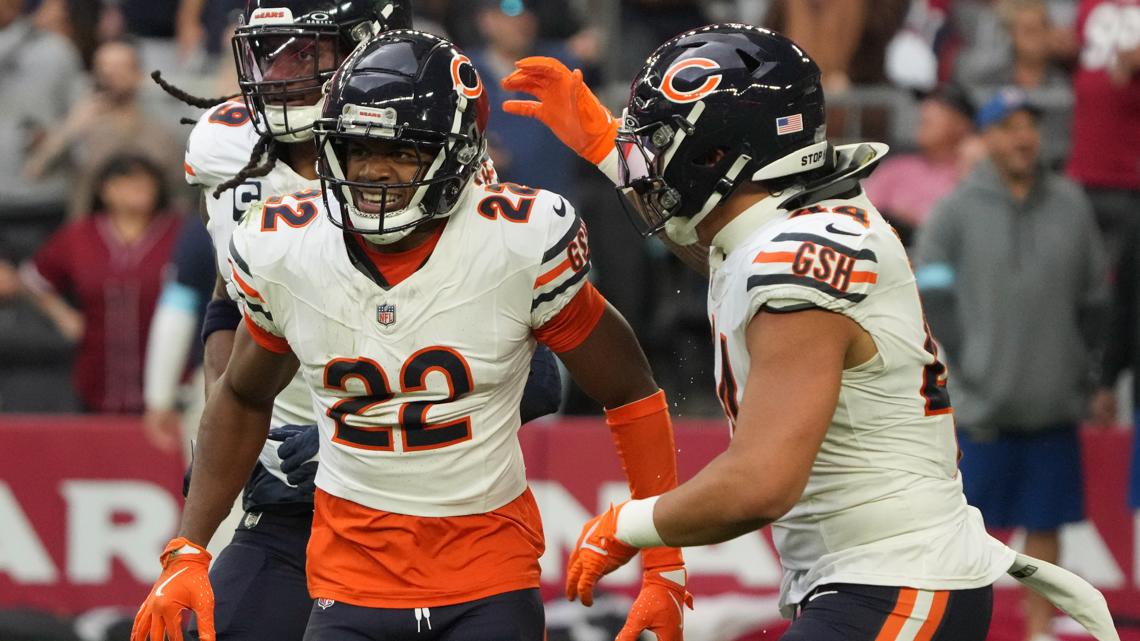
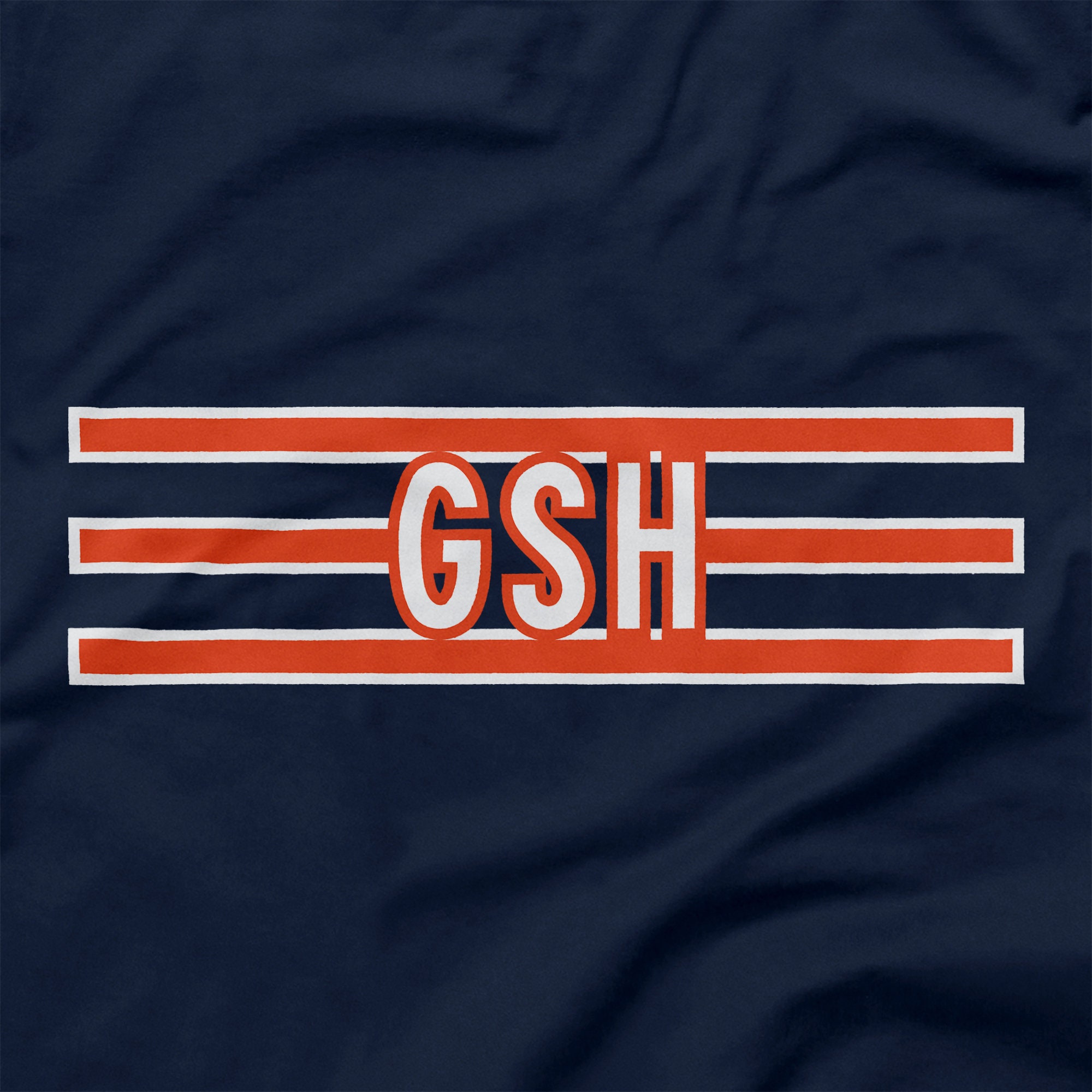
For visitors exploring the vibrant local culture of Chicago, few symbols resonate as deeply or universally as those associated with its beloved sports teams. Among the most iconic and frequently observed elements on the jerseys of the Chicago Bears is the seemingly enigmatic “GSH” insignia. Far from a mere aesthetic detail, “GSH” is a profound testament to the team’s storied history, its foundational figure, and an integral part of Chicago’s cultural identity. Understanding this emblem offers a unique window into the heart of the city’s sporting heritage and the enduring legacy of a man who shaped professional football itself.
The Enduring Legacy of “Papa Bear”
The “GSH” on the sleeve of every Chicago Bears jersey stands for George Stanley Halas, affectionately known as “Papa Bear.” His name is synonymous with the very essence of the franchise and the formative years of the National Football League (NFL). Born in Chicago in 1895, Halas’s journey with the Bears began in 1920 when he joined the Decatur Staleys as a player-coach. The team, sponsored by the A.E. Staley Manufacturing Co., relocated to Chicago in 1921, and Halas soon purchased the franchise, renaming them the Chicago Bears in 1922.
George Halas’s influence stretched far beyond coaching. He was an owner, player, and general manager, embodying an unparalleled dedication to the sport. He was instrumental in transforming a fledgling league into the entertainment juggernaut it is today. His innovative contributions to the game included the invention of the T-formation, the introduction of regular practice sessions, and the first-ever team to hold daily two-a-day practices. Halas also championed player welfare, fighting for pensions and revenue sharing. His vision helped to legitimize professional football and lay the groundwork for its widespread appeal. He remained involved with the Bears for 63 seasons, an unparalleled tenure in professional sports, until his passing in 1983. He was one of the inaugural inductees into the Pro Football Hall of Fame in 1963, a testament to his monumental impact.
From Player-Coach to Architect of the NFL
Halas’s career as a player was brief but notable, helping the Bears win the 1921 American Professional Football Association (precursor to the NFL) championship. However, it was his coaching and administrative prowess that truly set him apart. He led the Bears to six NFL championships as a coach, spanning four different decades. His relentless drive, strategic brilliance, and unwavering commitment to the team earned him the respect of players, coaches, and fans alike. The “GSH” patch was first added to the team’s jerseys in 1984, the year after his death, as a permanent tribute. It served as a powerful reminder of his foundational role when the Bears famously went on to win Super Bowl XX at the end of the 1985 season, a fitting posthumous honor to the man who built the franchise.
A Symbol of Identity and Tradition
The “GSH” on the Bears jersey transcends a simple memorial. It has become a potent symbol of identity, tradition, and continuity for the franchise and its vast fan base. For generations of Chicagoans, the Bears are more than just a sports team; they are a civic institution, deeply woven into the fabric of the city’s everyday life. The “GSH” acts as a constant reminder of the values Halas instilled: toughness, loyalty, hard work, and a relentless pursuit of excellence.
This emblem is especially significant in a league increasingly defined by player movement and corporate branding. The “GSH” is a steadfast connection to the team’s roots, a tangible link to a bygone era when the game was being forged by pioneers like Halas. It communicates a sense of legacy to both players and fans, underscoring that they are part of something much larger than themselves – a tradition that spans over a century. When fans purchase a jersey with “GSH,” they are not just buying team apparel; they are investing in a piece of Chicago history and aligning themselves with values that have defined the city’s most enduring sports franchise.
Connecting Generations of Fans
The story of George Halas and the “GSH” patch is often passed down through generations of Bears fans. Grandparents explain it to their grandchildren at family gatherings, parents share the tale with their children during game days at Soldier Field, and new arrivals to Chicago quickly learn its significance. This oral tradition reinforces the patch’s cultural importance, turning it into a living narrative that strengthens community bonds and regional pride. It’s a touchstone for shared memories, triumphs, and the collective passion for the Bears.
GSH and Chicago’s Cultural Fabric
The presence of “GSH” on Chicago Bears jerseys is more than an internal team tribute; it’s an undeniable facet of Chicago’s broader local culture and tourism landscape. The Bears are an essential part of the city’s identity, and understanding their symbols is key to appreciating the local ethos. For tourists seeking authentic experiences, delving into the meaning of “GSH” provides a deeper appreciation for the city’s historical layers, its passionate inhabitants, and the profound role sports play in community life.
When one walks through the streets of Chicago, particularly during football season, the sight of Bears jerseys, hats, and merchandise is ubiquitous. Each instance of “GSH” seen is a subtle nod to the city’s enduring spirit, its resilience, and its deep connection to its past. It communicates a sense of rootedness and continuity that is often appealing to visitors looking to understand what makes a city unique. The story behind “GSH” is a micro-narrative within the grander story of Chicago itself—a story of innovation, hard work, and loyalty.
Beyond the Game: Civic Pride and Community
The Chicago Bears and the “GSH” emblem contribute to a sense of civic pride that extends far beyond sports. It represents the perseverance and pioneering spirit that defines much of Chicago’s history. The ongoing ownership of the Bears by the McCaskey family, descendants of George Halas, with his daughter Virginia Halas McCaskey as the principal owner, reinforces this narrative of continuity and family legacy. This makes the Bears a rare example in professional sports of a team maintaining such a direct familial link to its founder, further cementing “GSH” as a badge of honor and a symbol of consistency in an ever-changing world.
Experiencing Bears Culture: A Tourist’s Perspective
For visitors to Chicago, engaging with Bears culture offers a genuine taste of local life. Understanding the “GSH” patch is an entry point into this experience, enriching everything from a stadium tour to simply enjoying a game at a local pub.
Visiting Soldier Field
A pilgrimage to Soldier Field, one of the oldest stadiums in the NFL and the home of the Chicago Bears, offers an immersive cultural experience. While attending a game provides an unparalleled atmosphere, even a stadium tour can illuminate the team’s history. Guides often share anecdotes about George Halas and the significance of “GSH,” showcasing memorabilia and highlighting the team’s championship moments. Standing on the hallowed grounds where legends like Halas once roamed brings the story to life.

Engaging with Local Fandom
Beyond the stadium, the spirit of “GSH” and the Bears permeate Chicago’s neighborhoods. Local sports bars, particularly during game days, become vibrant hubs of communal celebration and shared anxiety. Engaging in conversation with locals, asking about their favorite Bears memories, and discussing the team’s prospects offers an authentic connection to Chicago’s pulse. The “GSH” patch becomes a conversation starter, a symbol that unites diverse groups of people under a common banner of local pride. For a tourist, recognizing and understanding this small but mighty detail opens doors to deeper cultural understanding and more meaningful interactions with the city and its people. It’s a key to unlocking a piece of Chicago that is both historical and vibrantly current.
LifeOutOfTheBox is a participant in the Amazon Services LLC Associates Program, an affiliate advertising program designed to provide a means for sites to earn advertising fees by advertising and linking to Amazon.com. Amazon, the Amazon logo, AmazonSupply, and the AmazonSupply logo are trademarks of Amazon.com, Inc. or its affiliates. As an Amazon Associate we earn affiliate commissions from qualifying purchases.