
Planning a trip to Chicago involves more than just booking flights and securing accommodation; a savvy traveler also considers the various costs associated with experiencing the city, including its sales tax. As a vibrant hub for culture, dining, and shopping, Chicago’s unique tax structure can significantly impact a tourist’s budget. Understanding how sales tax is applied to everyday purchases is crucial for an accurate financial plan, ensuring your focus remains on enjoying the magnificent architecture, world-class museums, and diverse culinary scene rather than being surprised by unexpected charges. This guide delves into the nuances of Chicago’s sales tax, offering insights for visitors to navigate their spending wisely.
Understanding the Layered Sales Tax in Chicago for Tourists
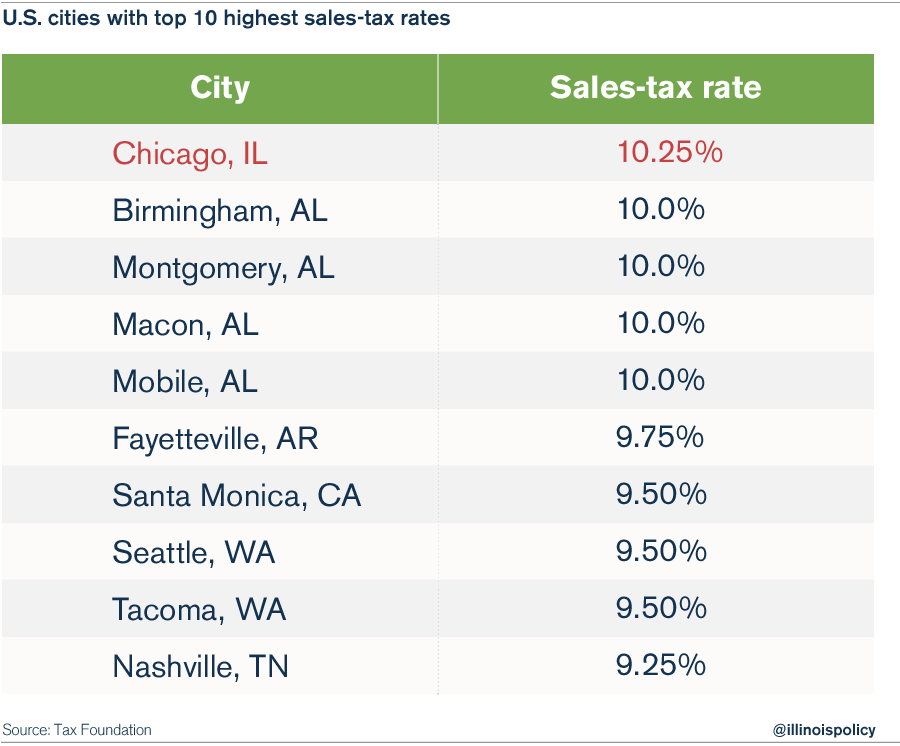
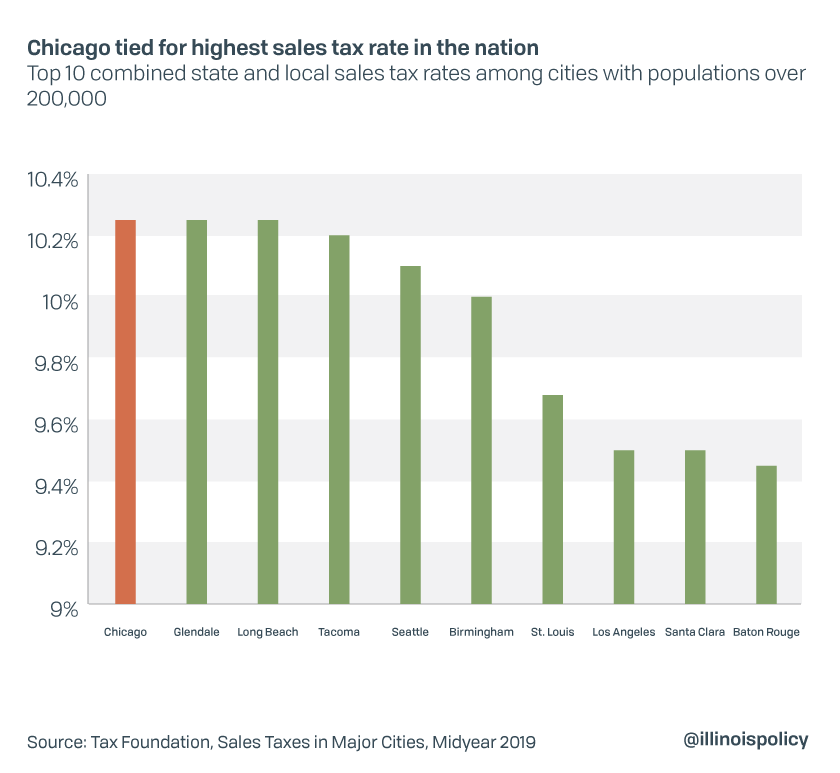
Unlike a single, uniform rate, Chicago’s sales tax is a composite of several layers, each originating from a different governmental entity. This intricate system culminates in one of the highest sales tax rates in the United States, making it particularly important for tourists to factor into their spending calculations. For a general retail purchase within the city limits, visitors can expect to encounter a combined rate that significantly adds to the advertised price of goods.
The Illinois State Sales Tax Component
At the foundation of Chicago’s sales tax is the statewide rate imposed by the state of Illinois. This portion applies to most tangible personal property purchased by consumers. As the primary component, it sets the baseline for taxation across the entire state, irrespective of the specific city or county. For tourists, this means that even before local taxes are added, a substantial percentage is already applied to items like souvenirs, clothing, and many other retail goods.
Cook County and Chicago’s Additional Levies
Beyond the state’s share, Cook County, where Chicago is located, adds its own layer of sales tax. This county-level tax further increases the overall rate. On top of this, the City of Chicago itself imposes its municipal sales tax, designed to fund local services and infrastructure. These two layers, the county and city taxes, are significant contributors to the final rate tourists see on their receipts, highlighting the localized approach to funding public services through consumption.
District Taxes and Special Considerations
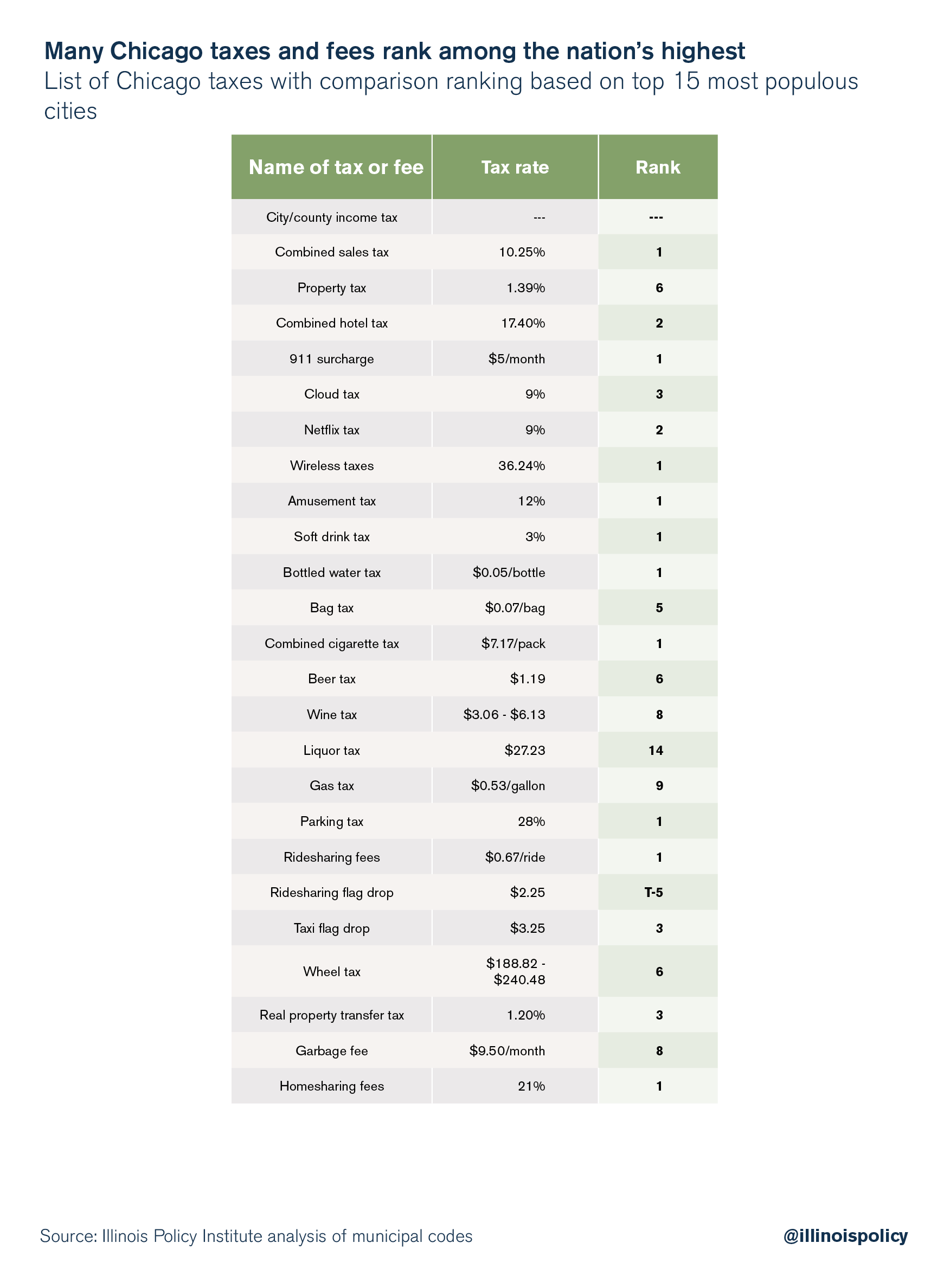
Adding another dimension to the sales tax structure is the Regional Transportation Authority (RTA) sales tax. This dedicated tax is levied to support public transit systems throughout the metropolitan area, including the extensive bus and ‘L’ train networks that many tourists utilize. While the RTA tax benefits visitors by funding convenient transportation options, it also contributes to the overall sales tax rate. Consequently, a retail purchase made in Chicago is subject to the Illinois state tax, Cook County tax, City of Chicago tax, and the RTA tax. This multi-layered approach results in a combined sales tax rate that, at the time of writing, typically hovers around 10.25% for general merchandise within Chicago city limits. This percentage can fluctuate slightly based on specific retail locations or legislative changes, so it’s always wise for tourists to verify the current rate for their planning purposes.
Where Tourists Encounter Sales Tax: Common Purchases
For visitors, understanding which purchases are subject to sales tax is crucial for managing their travel budget. While the general 10.25% rate applies broadly, there are specific categories of goods and services where tourists will most frequently encounter this added cost, and a few exceptions to be aware of.
Retail Merchandise and Souvenirs
Almost every tangible item purchased from a retail store in Chicago will be subject to the full sales tax rate. This includes everything from a commemorative t-shirt from Navy Pier or Millennium Park to high-end fashion found on the Magnificent Mile. Tourists buying gifts, clothing, electronics, books, or any other physical goods should always remember to add 10.25% to the sticker price when estimating their total cost. This can quickly add up, especially for larger purchases or extensive souvenir shopping.
Dining Out: Restaurants, Cafes, and Bars
Chicago is a world-renowned culinary destination, and dining is an integral part of the tourist experience, from deep-dish pizza to Michelin-starred restaurants. When eating out, the sales tax rate for prepared food and beverages is generally the same as the general merchandise rate, or very close to it. This means that whether you’re grabbing a coffee, enjoying a casual lunch, or indulging in a gourmet dinner, the displayed menu prices for food and drinks will have the sales tax added at checkout. This also applies to alcoholic beverages purchased at bars and restaurants. Don’t forget to factor in gratuity on top of the taxed amount, which is customary in the United States.
Entertainment and Attraction Tickets
Visiting Chicago’s myriad attractions, museums, and entertainment venues often involves purchasing tickets. While general admission tickets to many cultural institutions like the Art Institute of Chicago or the Field Museum may have their own specific tax structures or sometimes include tax in the listed price, many other entertainment options are subject to the Chicago Amusement Tax in addition to, or in lieu of, standard sales tax. This separate tax can apply to concerts, sporting events, theatrical performances, and even some recreational activities like boat tours. Tourists should review ticket prices carefully to understand what taxes are included or will be added, as the total cost can be higher than anticipated.
Groceries (and What’s Exempt)
One important exemption for tourists to be aware of relates to groceries. In Illinois, most unprepared food items purchased at grocery stores for home consumption are subject to a significantly lower sales tax rate, typically 1%. This is a notable departure from the general 10.25% rate. So, if you’re buying fresh produce, meats, packaged goods, or basic pantry staples to prepare meals in an apartment rental, you’ll benefit from this reduced tax. However, prepared foods, hot foods, and restaurant-style items purchased at a grocery store (like a deli sandwich or rotisserie chicken) are typically taxed at the full general sales tax rate. Beverages like soda and candy are also usually taxed at the full rate. Understanding this distinction can help budget-conscious travelers save a little when stocking up on snacks or ingredients.
Impact on Tourist Budgets and Planning
The high sales tax rate in Chicago can have a noticeable impact on a tourist’s overall budget, especially for those planning extensive shopping, dining, or entertainment activities. Proper planning can help mitigate unexpected expenses and ensure a smoother financial experience.
Calculating the True Cost of Your Trip
When estimating expenses, tourists should get into the habit of adding 10.25% (or the current applicable rate) to the sticker price of most goods and services. For instance, an item advertised for $100 will actually cost $110.25 at the register. Over the course of a multi-day trip with numerous purchases, these percentages accumulate quickly. It’s not just big-ticket items; even small, everyday purchases like a coffee, a bottle of water, or a postcard contribute to the cumulative tax burden. Always consider the “all-in” price rather than just the base price when making budget decisions.
Budgeting for Unexpected Sales Tax Additions
To avoid unpleasant surprises, it’s advisable to build a buffer into your daily spending budget specifically for sales tax. A common strategy is to round up your estimated cost for items, or simply allocate an extra 10-15% for incidental taxes and potential tips. For example, if you anticipate spending $50 on lunch, budget for $60 to comfortably cover tax and gratuity. This proactive approach helps prevent overspending and ensures you have enough funds for all your desired experiences without feeling financially strained.
Savvy Shopping: Maximizing Value
While sales tax is unavoidable for most purchases, tourists can still make savvy choices to maximize value. Look for sales and discounts that reduce the base price, as the tax will then be applied to the lower amount. Consider purchasing multi-attraction passes, which often offer bundled savings and sometimes clarify tax inclusion upfront. For dining, explore diverse options, from fine dining where tax is a smaller percentage of a larger bill to casual eateries and food trucks where individual purchases might be smaller, even with the tax. Remember the grocery store exception for basic food items if you have access to a kitchen or want to pack picnic lunches.
Beyond Sales Tax: Other Tourist-Related Taxes to Consider
While sales tax is a significant component, Chicago also implements other taxes that specifically target tourists or tourist-related activities. Being aware of these additional levies ensures a comprehensive understanding of your potential expenditures.
Hotel Occupancy Tax
For any overnight stay in Chicago, tourists will encounter a hotel occupancy tax, which is separate from the general sales tax. This tax is a combination of state, Cook County, City of Chicago, and Metropolitan Pier and Exposition Authority (MPEA) levies. The combined rate can be substantial, often around 17.4% or higher, added to the advertised room rate. This is a crucial consideration when booking accommodation, as a $200 per night room could easily become over $230 with taxes and fees. Always check the final price, including all taxes, before confirming your hotel reservation.
Food and Beverage Taxes (Restaurant Tax)
While the general sales tax applies to prepared food, Chicago has specific nuances regarding food and beverage taxation. In some instances, a separate “restaurant tax” or “food and beverage tax” might be levied, often at the city level, sometimes specifically targeting alcoholic beverages. These can be integrated into the overall sales tax shown, or itemized separately on receipts. For example, a bottled water might have a different effective tax rate than a full meal. Always scrutinize your restaurant bill to understand the breakdown of charges.
Amusement and Event Taxes
As mentioned, tickets for many entertainment events, performances, and even some tours or recreational activities in Chicago are subject to the Chicago Amusement Tax. The rate of this tax can vary depending on the type of event and its location, but it can add a significant percentage (e.g., 9% for some events) to the ticket price. This is distinct from the general sales tax and can apply to everything from a concert at the United Center to a comedy show in Old Town. When purchasing tickets online or at a venue, pay close attention to the listed price and any additional fees labeled as “taxes” or “surcharges.”
Practical Tips for Navigating Taxes as a Visitor
Armed with knowledge about Chicago’s sales and other tourist-related taxes, you can adopt practical strategies to make your trip more enjoyable and financially predictable.
Always Check Your Receipt
A simple yet effective habit is to always review your receipts, especially in restaurants, hotels, and for large purchases. This allows you to verify that the correct taxes have been applied and helps you understand exactly what you’re paying for. If something seems incorrect or unusually high, don’t hesitate to politely inquire with the staff. It’s an opportunity to learn and ensure transparency in your transactions.
Factor Tax into Your Daily Spending Estimates
Beyond simply knowing the rates, actively incorporating taxes into your mental calculations for daily spending is key. When you see an item for $20, quickly estimate it closer to $22. When planning a meal, remember that the menu price is just the starting point. By consistently adding this mental buffer, you’ll avoid the cumulative shock of taxes at checkout and maintain a more accurate understanding of your remaining budget.
Use Tax-Free Shopping Opportunities (if applicable)
While Illinois does not offer a general sales tax refund program for international tourists on retail purchases (like some European countries), some specific programs or exemptions might exist for certain items or situations, though these are rare for general sales tax in the U.S. Always inquire if you believe a specific purchase might qualify for a unique tax exemption, although for most tourist purchases, the standard rates will apply. Focusing on reduced-tax items like most groceries remains the most practical way to save on tax.
Leverage Loyalty Programs for Savings
While loyalty programs don’t directly reduce sales tax, they can lower the pre-tax price of goods and services, thus indirectly reducing the amount of tax you pay. If you’re staying at a specific hotel chain, dining at restaurants that offer rewards, or shopping at stores with loyalty programs, signing up can provide discounts or points that translate to savings. These savings can help offset the impact of taxes on your overall travel expenses, allowing you to get more value out of your dollar while exploring the vibrant city of Chicago.
LifeOutOfTheBox is a participant in the Amazon Services LLC Associates Program, an affiliate advertising program designed to provide a means for sites to earn advertising fees by advertising and linking to Amazon.com. Amazon, the Amazon logo, AmazonSupply, and the AmazonSupply logo are trademarks of Amazon.com, Inc. or its affiliates. As an Amazon Associate we earn affiliate commissions from qualifying purchases.